Tag Archives: commercial photography

The Economics of Fashion Photography: Rates, Rights, and Realities

Fashion photography looks glamorous from the outside. It is filled with bold visuals, stylish teams, and fast moving creative energy. Behind the scenes, though, it runs on a complex set of costs, negotiations, and legal structures that shape what photographers can charge, how images can be used, and how careers survive in a competitive market. Anyone working in this industry, whether photographer or client, needs a clear view of the economic engine that keeps it all moving.

The Market Behind the Aesthetics
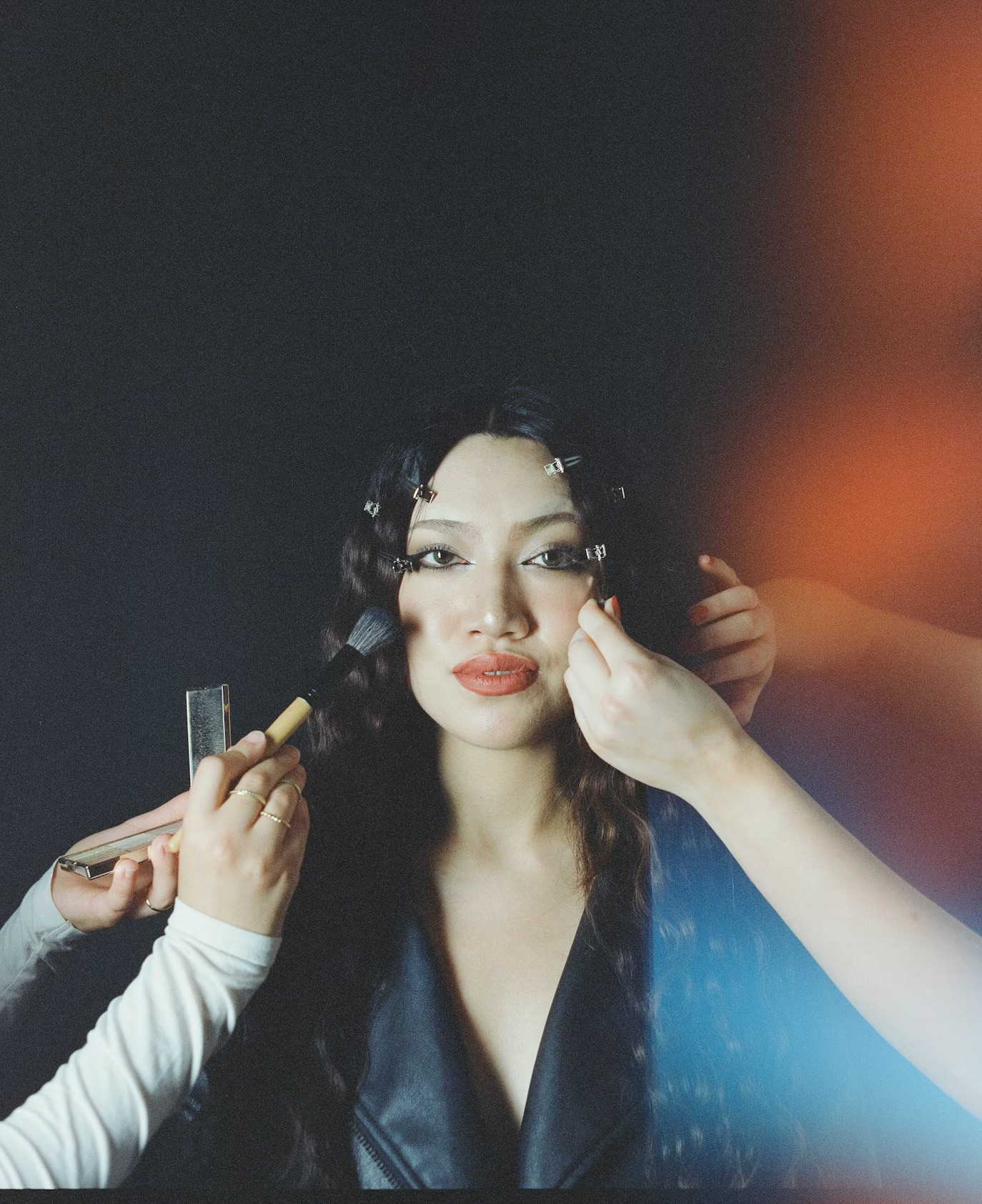
Fashion photography sits at the intersection of art and commerce. Photographers must deliver images that feel fresh and emotionally charged, but they also have to operate as business owners. Studio rentals, assistants, retouchers, equipment, insurance, and post production all add up. A photographer’s rate is not just a fee for clicking a shutter. It is a fee for managing a small production.

There are several tiers of work. Editorial shoots for magazines pay very little, but offer prestige and creative freedom. Commercial shoots for brands pay the real bills. Campaigns, e-commerce, lookbooks, and social content all fall into this category. The economics shift with each tier. The more a client stands to earn from the images, the more a photographer can and should charge.

Understanding Rates

Rates vary widely because the market has many segments. A new photographer shooting for small boutiques may earn a few hundred dollars per day. A mid level photographer hired by a regional brand might charge between 1,500 and 5,000 per day. A top tier photographer shooting a global campaign can command five or six figures. The variation reflects skill, demand, the size of the client, and the scope of usage.

Clients often misunderstand what a rate covers. A day rate usually only covers the photographer’s time and expertise. Production fees, equipment rentals, lighting techs, digital techs, retouchers, and location costs sit on top of that number. If a client expects the photographer to manage these elements, they should expect a larger budget. Fashion shoots are collaborative events. A lower budget limits the ability to bring in seasoned crew, and the results usually reflect that.

Another factor is experience. A photographer charging a higher rate has often spent years investing in their craft. The price represents not just skill but consistency, problem solving, and the ability to deliver under pressure. Clients pay for confidence that the job will be done right.

Usage Rights and Licensing
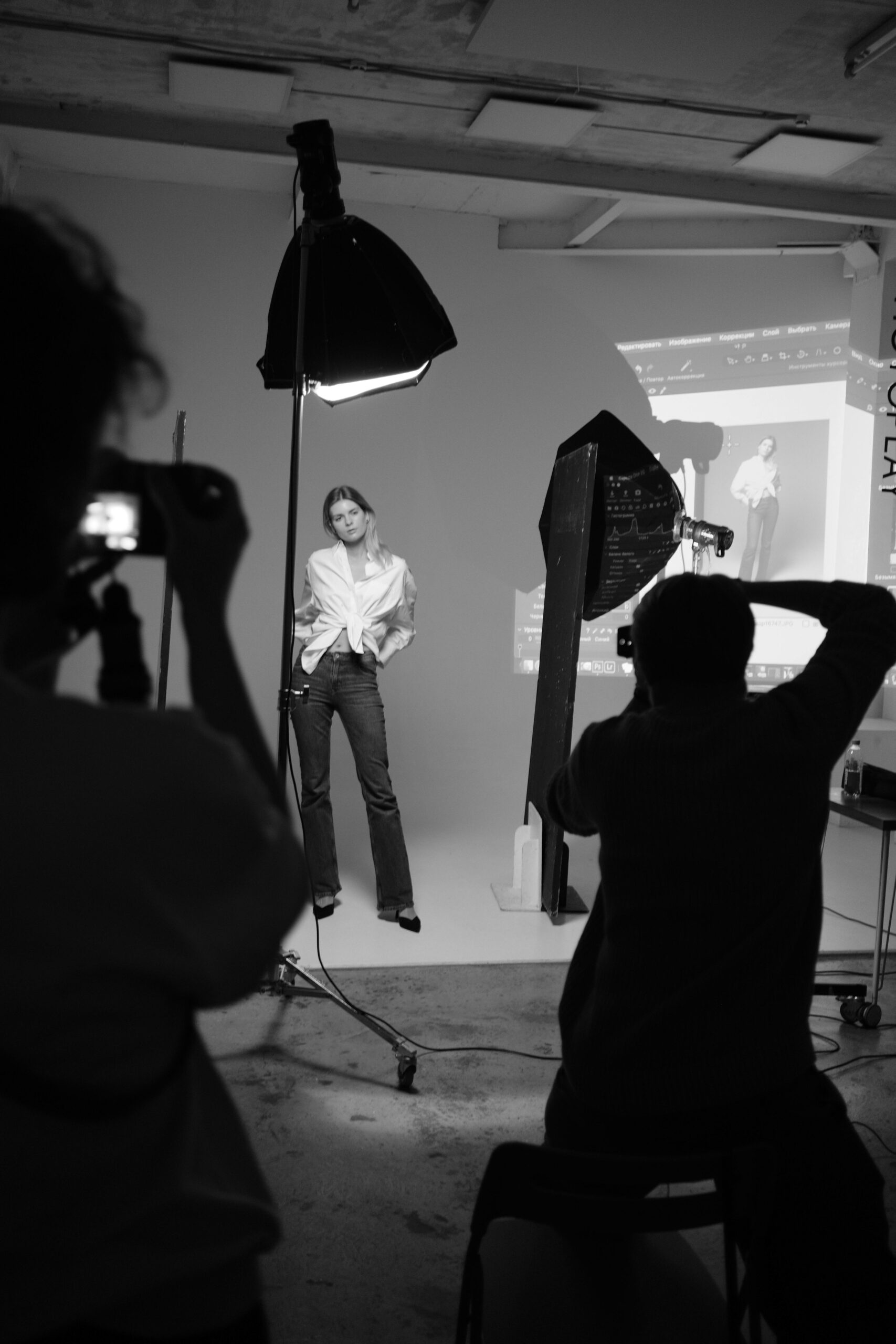
If rates decide how much the photographer earns, usage rights decide how much value the client receives. Licensing is the core of the business. When a client pays a photographer, they are buying permission to use the images in specific ways. This can include geography, duration, and type of media.

A small boutique might license images for one year of social media and website use. A global fashion house might license images for worldwide print, digital, and outdoor advertising. These two sets of rights carry very different values.

Photographers must protect their rights because images can live for years beyond the original shoot. A client may want to use the photos in a new region or for a new campaign. If the licensing terms were clear, the client must pay to extend the usage. This is not greed. It is the foundation of intellectual property law. Creative work has value, and usage fees recognise that value.

Buyouts and Why They Cost More

Some clients request a buyout. This gives them broad and often unlimited use of the images. Buyouts simplify things for clients but shift all long term value to them, so they come with a higher price. A photographer who gives up future licensing income needs to be compensated up front.

For inexperienced clients, the cost of a buyout can feel confusing. The simplest way to think about it is this. A buyout lets the client use the images across every platform, for as long as they want, without ever paying again. This is a significant advantage. The fee reflects that level of ownership.

The Reality of Competition

Fashion photography is crowded. New photographers enter the market every year with fresh styles and lower costs. This puts pressure on established professionals who carry higher overhead and deeper responsibilities. Social media also blurs the lines. Clients sometimes choose influencers with cameras or hobbyists who shoot for exposure. The problem is simple. Low prices rarely cover real production needs, and the final quality often suffers.

That said, competition is not entirely negative. It pushes photographers to refine their voices, sharpen their business skills, and maintain strong relationships with clients and crews. The market rewards clarity, professionalism, and consistency.

The Importance of Transparent Communication

Almost every financial conflict in fashion photography comes from unclear communication. Photographers must learn to send detailed estimates that outline day rates, production costs, licensing terms, overtime policies, retouching fees, and delivery timelines. Clients must read these documents carefully and ask questions whenever something feels unclear.

Clear communication has another benefit. It builds trust. When both sides understand the budget and the boundaries, the shoot runs smoother. Misunderstandings lead to disputes, late payments, and strained relationships. Transparency protects everyone.

Hidden Costs Clients Often Overlook
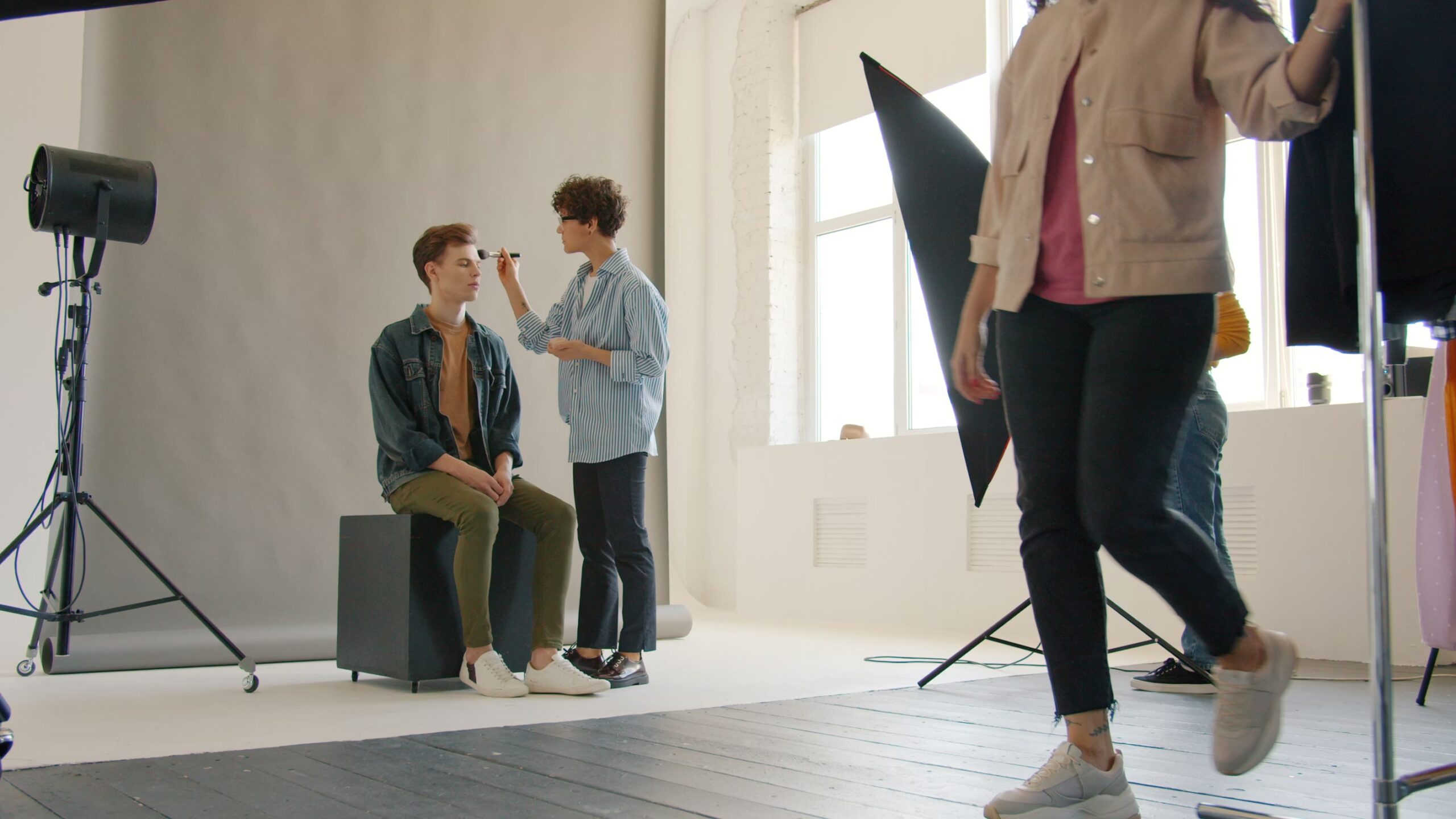
Clients unfamiliar with the process are often surprised by the number of additional line items in a photography estimate. Here are the common ones:

  • Retouching: Good retouching takes skill and time. High quality fashion work cannot skip this step.
  • Digital technicians: They manage files on set, ensure accurate colour, and protect against data loss.
  • Equipment: Professional cameras and lights cost more than most clients expect.
  • Location fees: Even simple studio rentals or location permits can cost thousands per day.
  • Talent: Models, stylists, makeup artists, and hair stylists elevate the shoot. Their rates vary based on experience.

Once clients understand these layers, the overall cost makes more sense. They see that the photographer is not pocketing the entire budget. The money supports a team that works together to produce images that match a brand’s goals.

Where the Industry Is Headed

The future of fashion photography is shaped by digital content needs, short attention spans, and a growing demand for authenticity. Brands want more assets created in less time. They want behind the scenes clips, short videos, and vertical formats. Photographers are adapting by expanding their skill sets, hiring hybrid crews, and investing in motion capable equipment.

Artificial intelligence is another factor. Some brands experiment with AI generated models or backgrounds. This does not remove the need for photographers, but it shifts expectations. Photographers must stay flexible and offer creative approaches that technology alone cannot replicate.

At the same time, the value of strong visual storytelling remains steady. Fashion still relies on images that feel alive. That part of the business does not change.

The Bottom Line
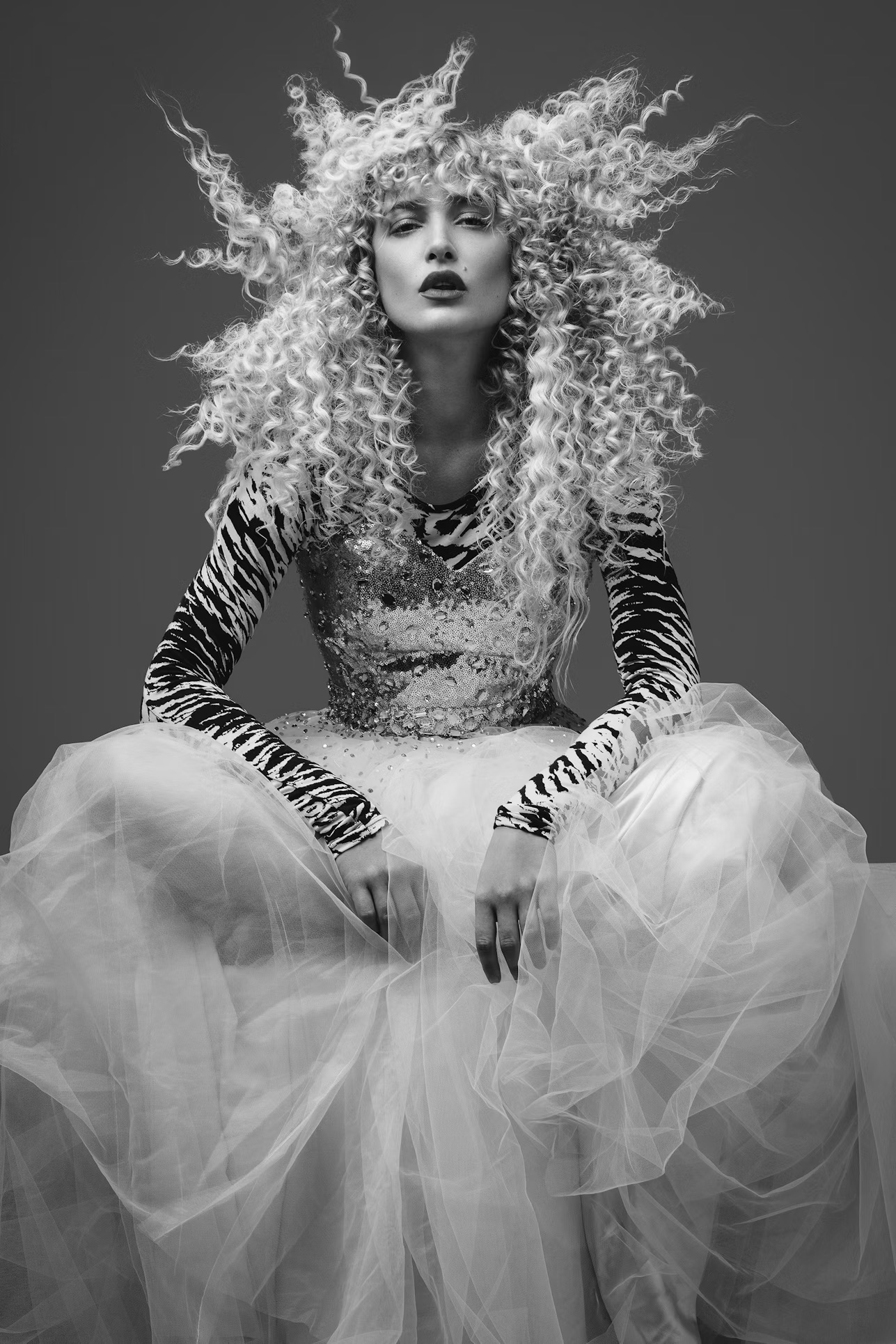
The economics of fashion photography are shaped by three forces—the cost of production, the value of usage rights, and the competitive landscape. Photographers who understand these forces can set fair rates, protect their intellectual property, and build profitable careers. Clients who understand them can budget accurately and form long term partnerships with creatives who elevate their brands.

The glamour of fashion may get people through the door, but the real work happens in the negotiations, the planning, and the clear communication that makes a shoot successful. When everyone understands the economics, the creative process flows with far less friction and far more impact.
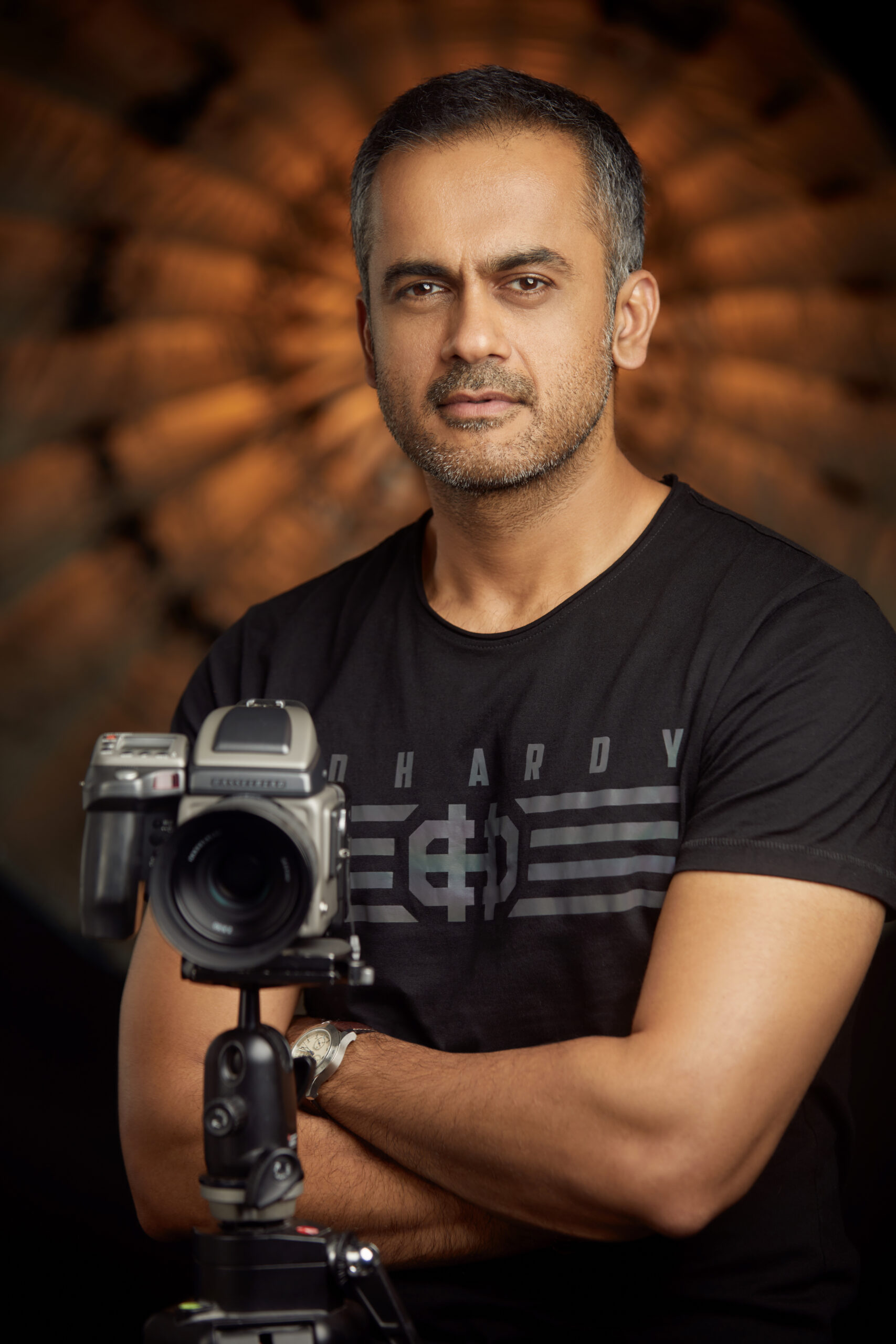
Finding WHY’s – Sameer Belvalkar

In an industry risking saturation, fighting fleeting trends and technical perfection, Sameer Belvelkar offers a refreshingly grounded, wise perspective, tracing a career forged by the relentless pursuit of the process of creation. From the disciplined days of film photography for newspaper reportage, this acclaimed photographer discovered that the core of their “why” lay in the transformative power of the camera: changing how people see themselves.

Asian Photography spoke to him, discussing the necessity rules to break, the pitfalls of chasing a single “style”, and why continuous, humble self-challenge remains the most vital element of a successful portfolio. Excerpts:

When did you find your “why” for photography, and more specifically fashion?

I am one of the many photographers in love with their medium. I started freelancing for a photography magazine, then became a press photographer, shooting reportage for an English Daily. Those were the days of film. While colleagues complained about opportunities, I shot everything from overflowing manholes to collapsed trees, and traffic snarls. I received rationed film rolls from media houses, forcing me to account for every shot. I loved the variety I was shooting—food, spaces, lifestyle—and the process of rushing to the lab, cutting and processing the film in the darkroom, and patiently waiting for the images to come alive, while the remaining film was put back into my camera.

During this period, I realised my WHY was the process of creation itself, tackling controlled and uncontrolled environments, utilising light and the situation, and creating an interpretation of what I clicked for others to experience.

My WHY further narrowed down to the people I shot. I noticed that when I photographed ordinary people, I unknowingly changed their self-perception. I believe that when someone feels good about themselves, their state of mind improves, leading to a better, more confident life. This transformative power became the high, the core WHY, for my work.

Fashion became the most obvious choice for earning a living, driven more by having people and communication skills than solely technical photography skills. Everyone wants to look good, and I enjoyed making everything look good. Your camera is limited; your ability to communicate is key. Inspired by photographers like Annie Leibovitz, Helmut Newton, Richard Avedon, and Mario Testino (by their simplicity, minimalism, and graphic impact), I aspired to create my version of that work.

“Break the rules but know them first”. Could you tell us an instance of breaking the rules of photography to create art?

With the onset of digital photography, the number of people wielding a camera went up exponentially. The photos that stand out are those where the rules are forgotten, and inner creativity is honoured. Today you have a chance of your photos standing out more by going against what has been said about sharpness, grain or shadows, mid-tones, and highlights. Instagram filters are a prime example—light leaks, over/underexposure, and light flares—were once considered defects in film photography.

Art is subjective, and I always emphasise that a technically correct photograph is seldom creative, and a creative photograph need not be technically correct. If everyone aims for perfect exposure, what do you truly contribute? Motion blur, high ISO, double exposures, or intentional over/underexposure will make your photos distinctive.

However, to break the rules effectively, you must first know them: understand correct exposure, read a histogram, strive for low ISO for large reproductions, and master lighting ratios (like 1:2) and classic setups (Rembrandt, butterfly, broad, narrow light). This foundational knowledge is paramount.

A favourite example of rule-breaking was a series of candid shots I took of Kareena Kapoor on the set of We Are Family in Australia. I had a brief, bright, sunny window between takes. I asked for a few candid shots, but she immediately slipped into her diva mode. With no time to check settings, I started shooting high-speed. This resulted in a series of highly overexposed images that were exceptionally tasteful and unique.

In fashion, I often break the rules intentionally by underexposing a shot, adding intentional motion blur, or using multiple exposures. Sometimes, relinquishing control can stun you with the outcome. I firmly believe that the best work often happens through you, not just by you. When I pick up the camera, a force takes over. I know the desired outcome, but the rules broken are spontaneous. What appears on the tethered computer is often beyond my initial imagination, and honestly, it doesn’t feel like I’ve done it. I don’t take undue credit for a lot of my work; it’s a humbling and grounding experience.

What is your signature in a photograph and how do you integrate it?

I constantly hear that every photographer needs a “style”, but where is the challenge in finding one style and repeating it endlessly? That approach quickly flatlines your creative development. It’s far more exciting to challenge yourself with every shoot: lighting differently, approaching the concept uniquely, or using an unconventional focal length.

I cannot claim to have one particular style. My vetted portfolio shows a wide range of approaches. Sticking to a mastered style is often an artist’s refuge against insecurity, a way to guarantee a good outcome and effectively translate their vision. They stick to it “ad nauseam“.

Having said that, my muscle memory does influence certain elements:

  • I often use a slightly low or high angle.
  • I love shooting people looking serious or away from the camera.
  • I prefer cool tones over warm, often adding blues and greens to the shadows.

This preference for cool, less approachable tones makes the photograph feel slightly “not of this world” and is likely a reflection of my own personality: a bit standoffish and less immediately approachable. Every artist integrates a large part of who they are into their creation.

My core working method is to approach everything without excessive planning. This creates a window for magic to happen: things take their own form, light behaves unexpectedly, and the subject is captured authentically.

What’s the best learning you’ve got from an on-set disaster?

Thankfully, I haven’t had any on-set disasters, but the most important lesson I’ve learned is this: You are only as good as your last shoot.

Your portfolio is a constantly evolving organism. The world judges you by the energy, intent, and quality of your most recent work, not what you created five years ago. Every shoot is an opportunity to raise the creative and emotional bar. This mindset fosters humility.

No matter your stature, the camera resets everything each morning. A new location, subject, or brief demands a fresh approach. I adopt this philosophy to avoid complacency. Despite shooting major blockbuster stills and top celebrities, I never internally acknowledge that “I have arrived“. I still get nervous shooting a portfolio for a newcomer. This ensures I put my best foot forward every time. Anyone can have beginner’s luck with one or two good shoots; consistent, exceptional work is where the true craft lies.

This philosophy is not pressure, it is purpose. For instance, when I shot an entire black-and-white series of Arjun Rampal in Australia, I was told he had never been captured with that look or element before. While he is a natural showstopper, getting that unique element is my credit. Otherwise, any photographer clicking him is bound to get a great shot, and that credit belongs to him.

What fashion photography trend do you think will feel dated fastest?

I recall a time when everyone was shooting black and white semi-nudes; it became so ubiquitous that people requested I omit them from my presentations. That trend flashed and vanished.

Currently, the trend that I believe will date fastest is complex lighting with excessive shadows; it’s not commercially viable. I believe people now seek more simplicity: clean lighting and straightforward shots. When you use multiple lights, it’s often difficult to tell if the output was intentional or merely a technical mess.

You’d be surprised how challenging it is to light a plain white background for flat, even white light, and then light a face cleanly with minimal shadows. In my presentations, the clean, minimalistic shots are always the most appreciated. The results achieved with just one or two lights, a reflector, and a cutter are truly enigmatic. I seldom need more. We live in a world where one light source (the sun) lights the entire planet. The studio effort is essentially an attempt to replicate that light to make things look vivid, believable, and relatable.

Where or how do you see your work evolving in the next five years?

I believe in the things that happen to me rather than the things I force to happen. Control is an illusion; most of my plans have failed, while what took shape naturally was far superior to my aspirations. This is only clear in hindsight (the further away you move, the clearer things become, like viewing a mountain from a distance versus its base).

I have moved to doing very selective shoots, adhering to two criteria: Is it making me money, or is it adding a new feather to my cap? If one is satisfied, I accept the job.

People often ask if I will move to cinematography, assuming a linear progression. It is not. I don’t have the patience for it; being married to a project for days, followed by weeks of editing, is beyond my capacity. I love the immediacy of still photography: I shoot for a day, deliver the final product in under a week, and move on to something new.

However, years of passive learning on major film sets (like Jodhaa Akbar, My Name Is Khan, We Are Family) and campaigns (Xiaomi, LG, Tanishq, Samsung) exposed me to the production and direction aspects of filmmaking. This has helped me segue into production and direction for Ad films with major brands and stars. I love the overall creation process.

Over the next five years, I definitely hope my ability to ‘see’ improves. My profession is, essentially, the profession of ‘seeing’ things others miss and translating them via the camera. The clearer I see things in my mind, the easier the translation. Composition is king. Since anyone can click a good photo, your composition (seeing skills) is the only differentiator. Given the choice, I want to be more reckless with my composition (for personal work) and try to bring out a personality in my subjects they aren’t even aware of. That is more exciting.

Top 3 things for a newbie to remember while entering the set/fashion photography industry.

  • Groom yourself: No one wants to see a photographer with unkempt hair and a beard wearing tatters and flip-flops. That image of an artist is long gone.
  • Communication: No matter how good a photographer you are, it’s communication that’s going to get you the job. It will also be the deciding factor in how you extract the shots from your subjects. It’s the holy grail of any photoshoot, according to me. There is no bigger disaster than a silent photographer and a confused/bored model.
  • Shoot more than just professionally: You already have everything you need for a shoot. Flip that around, no amount of equipment/gear is going to make you feel ready for the shoot you have in mind. Some of my best shoots have been with the most elementary equipment. Photography, like any art form, needs to be practised every day like a ritual. Stop waiting for the perfect camera, lens, model, studio, opportunity, paid job, just keep shooting.

December 2025

Asian Photography Magazine December 2025 Edition is out 💍

Cover 📸: By Sameer Belvalkar

In this issue, explore:

Pro Profile

Tips And Techs

  • Does High Fashion Still Need Print Magazines?
  • How Cinematic Lighting is Transforming Fashion Shoots
  • The Economics of Fashion Photography: Rates, Rights & Reality
  • Photographing Dark Skin Tones in Fashion: Techniques & Sensitivity
  • How Gen Z is Redefining Fashion Photography Trends

Reviews

  • vivo X300 Pro Camera Review – Best Android Flagship Camera?

The Idea of Print in Fashion

It is true that the nature of print—especially in the world of fashion—has changed. Some would
argue this is true across other creative categories as well. While fashion print may no longer
dominate the market as it once did, its impact remains unmistakably iconic, cemented by the
legacy of defining magazine brands and legendary spreads such as Vogue and its global peers.
That said, the growing influence of digital fashion media cannot be ignored. Content today is
consumed in vast volumes across digital platforms, but trends emerge and fade at dizzying
speed—sometimes within days. This fleeting nature is the reality of digital consumption: fast,
expansive, but often ephemeral.


In this issue, we attempt to unravel some of these very questions. Many of you may have
reflected on them yourselves. Truth be told, I have also questioned the long-term survival of
print more times than I can count. Yet, with every passing year—and in an era increasingly
clouded by misinformation—I find myself more convinced that print will continue to stand the
test of time.

This endurance is not only rooted in ethical credibility, but also in the intrinsic, iconic value of
print. Even today, when editorial teams plan an issue, the approach is layered, deliberate, and
nuanced. This holds especial relevance for fashion magazines. Think of a winter collection from
a fashion house—it communicates identity, emotion, design philosophy, and intent. A fashion
magazine functions in much the same way, translating vision into a tangible, lasting form.

Some readers may question the premise of this editorial. However, these reflections are
supported by our own internal data, particularly within the photography ecosystem. Even
today, close to 80% of our subscribers continue to choose print over digital—despite our
consistent efforts to promote digital subscriptions for their speed and convenience. While our
digital audience has grown steadily, it remains significantly smaller than our print readership.

And speaking of fashion, print, and enduring icons, this month’s issue features an exclusive
interview with Pamela Hanson—a rare figure whose photographs have graced the covers of
some of the world’s most influential magazines. Alongside her, we spotlight homegrown talent
Sameer Belvalkar, a photographer whose work with leading fashion brands and celebrated
personalities has shaped visual narratives for decades.


In a world chasing the next scroll, the next swipe, and the next trend, print asks us to pause. To
look closer. To engage deeper. Fashion, photography, and print share this singular quality—they demand attention, and reward it with longevity. And perhaps, that is precisely why print continues to matter.

So Until Next Time….Cherish this issue

Framing Timeless Elegance – Bharat Rawail

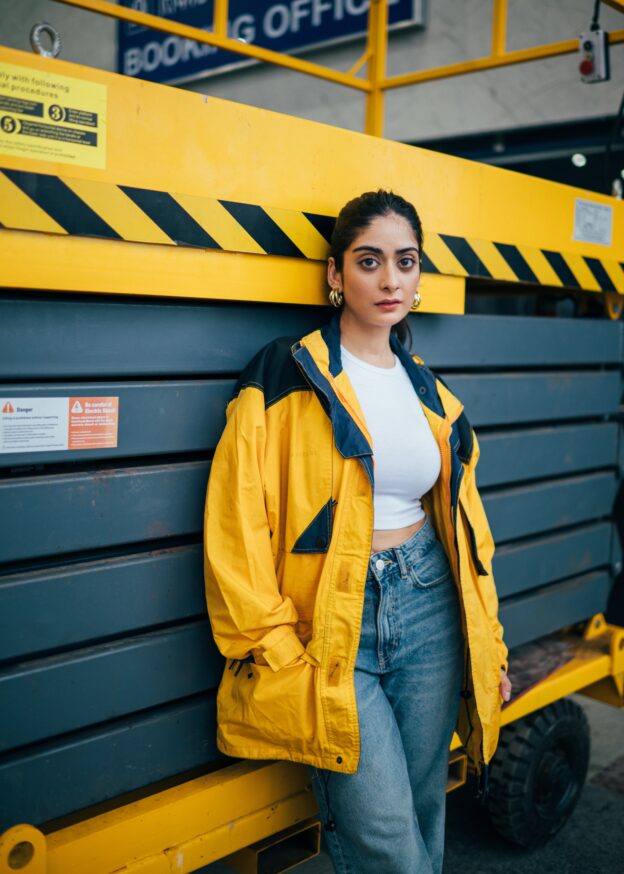
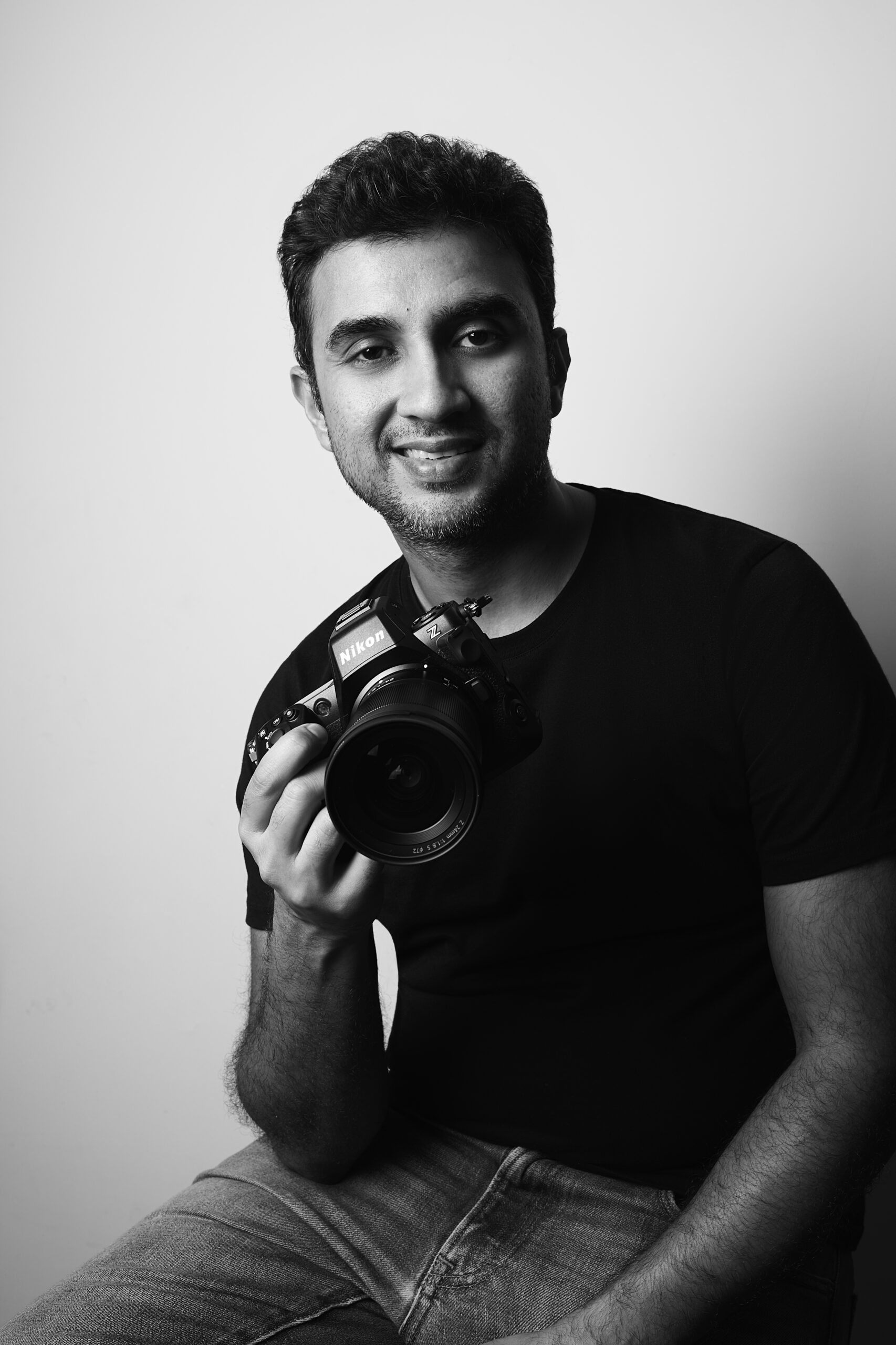


Bharat Rawail is a prolific fashion and commercial photographer, capturing images with an element of simplicity with elegance. He has worked with brands, modelling agencies and celebrities in his career of over 15 years, aiming to create stunning photos with immaculate detail. He is renowned for his style, and he is a brand ambassador for Nikon and Nanlite.

Asian Photography spoke to him about storytelling, vision, trends, creative blocks and more. Excerpts:

How do you approach storytelling through your images in commercial projects?

In all my projects, commercial or not, I focus on making the subject the heart of the narrative. In still images, for a viewer to connect with the photos, I believe you need to connect with what the person and their expressions are trying to communicate to you at that moment.

My approach is simple: ensuring that the subject feels seen and represented in the best possible way. In all my photos, the eyes are always the centre of attention, followed by the expression and posing. I prefer to keep the face well-lit and make sure the subject feels seen at the moment. 

How do you ensure the brand’s narrative aligns with your artistic vision during a shoot?

© Bharat Rawail

When working with brands, my goal is to adapt to their narrative, ensuring that their product and story remain the focus. When a brand reaches out to me for a campaign, they are already positive about leveraging my style for their project. Every photo I take must not only reflect the brand’s identity, but also resonate with their target audience.

I ensure the brand’s narrative aligns with my vision to create a balance between creativity and purpose. I approach each campaign by bringing my style and creative sensibilities to merge with the brand’s story and objectives. The aim when platforming a brand in my work as a photographer is to elevate their messaging through my lens while staying true to their essence.

To achieve this, I use various lighting techniques, compositions, and more to highlight the product and support the narrative. I also constantly view the project through the shoes of a customer at various steps in the process, to make sure the photos effectively communicate the right messaging to me.

What do you do when clients push for ideas or concepts you disagree with creatively?

Creative disagreements are inevitable, I think it’s idealistic to expect otherwise. I believe that’s what leads to fresh and innovative outcomes. When clients push for ideas or concepts that differ from my approach, I am a firm believer in teamwork to achieve the end result. Pre-production is where I resolve such differences – it’s where brainstorming, ideation, and mutual decision-making happen. I love to invest time in the prep phase, welcoming ideas and discussing them thoroughly to ensure alignment before we step onto the set. A strong pre-production process should lead to mutual creative decisions; if it doesn’t, the pre-production isn’t complete.

During the shoot, I like to strictly focus on execution while staying open to all possibilities. I make it a point to capture everything: shots from the mood board, shots inspired by the client’s ideas, my own creative interpretations, and lastly, experimental shots.

I also take the time to explain my reasoning behind certain approaches, helping clients understand my process. Often, the vision becomes clearer when the client has a visual reference to see how my approach aligns with their goals. All creative processes have to be collaborative, the intention of finding mutual ground bridges the gap between creative fulfilment and client objectives.

How are fashion trends in different regions influencing your work? 

Fashion trends from different regions influence my work by shaping how I adapt wardrobe choices to highlight the subject’s personality. For me, clothes complement the person and express the personality of the subject I’m capturing.

I feel fortunate to collaborate with some of the best stylists in India, whose experience ensures that wardrobes are fresh, on-trend, and authentic to the subject. During pre-production, we work together to strike a balance between trends, the concept, and the subject’s individuality. 

Staying updated on trends is invaluable, and collaborating with creative minds keeps me informed about what’s in style. My approach bridges these trends with my own sensibilities to create a look that merges the outfits with the personality.

© Bharat Rawail

How do you keep your work fresh and avoid becoming repetitive?

To keep my work fresh and avoid repetition, I make it a priority to find inspiration daily. I spend 15–20 minutes each day exploring platforms like YouTube, Pinterest, Instagram, and Behance, as well as studying the work of DOPs, photographers, and other creatives. 

This practice keeps me consistent and creatively stimulated, ensuring my perspective evolves with time. Regular introspection is another key part of my process. I often review my work from the past month or two to track growth, and consider how I could shoot my older work differently today. This helps me refine my style – it helps me recognise elements that resonate deeply with me and areas where I can push boundaries to keep experimenting.

How do you handle creative blocks or periods where you feel uninspired?

© Bharat Rawail

When faced with creative blocks, I like to take a mindful approach to ensure I can deliver my best work. When possible, I give myself a break to recharge and return with renewed energy and focus.

Pre-production often helps me reignite my creativity. Collaborating with my team to brainstorm ideas and refine concepts can kickstart a creative flow, turning a challenge into an opportunity for fresh perspectives. If the block persists, I turn to my hobbies – I indulge in my favourite meals or take short holidays to refresh my mind.

However, I know that breaks aren’t always feasible. On such days, I focus on the outcome and commit to working through the challenge. By focussing on the details of a single idea and meticulously planning its execution, I have found I feel better equipped to handle the block and deliver work that stays true to my standards. This balance of self-care, collaboration, and discipline ensures I stay creatively resilient.

What’s the most valuable lesson you’ve learned from a failed project or a project whose result didn’t meet expectations?

I was recently collaborating with a renowned stylist. While the team was talented, the final result felt disconnected and didn’t align with my usual standards.

In hindsight, I realised that my eagerness to impress had caused me to sideline my creative instincts and decision-making process. Overwhelmed by the opinions of the stylist, talent, and team, I failed to protect the creative space needed to execute my vision. The result was a confused outcome that lacked the authenticity and quality I strive for.

Since then, I’ve learned the importance of holding my ground during a project, no matter how many opinions come my way. While I welcome creative inputs as valuable feedback, I’ve stopped aiming to please everyone. If someone chooses to work with me, it’s because they trust my style and vision. Confidence in my own expertise and experience is crucial to delivering work that meets my standards and stays true to my creative identity.

How important do you think social media is for a photographer’s career today, and how do you leverage it?

© Bharat Rawail

Social media has been a game-changer for all creatives. What started as a platform for sharing personal lives has evolved into an irreplaceable tool for showcasing work and building professional credibility. I view my Instagram account as my portfolio – it’s a space to highlight my work and establish legitimacy. Today, your Instagram profile undeniably determines how people perceive your professionalism and reliability.

As we move into an increasingly digital era, social media has become indispensable. Platforms like Instagram not only allow photographers to build their portfolios, but also enable them to grow as freelancers and business owners. It’s a great way to connect with other creatives, find inspiration, and engage with potential clients.

In fact, much of my early business came through Instagram, helping me build a foundation before my work gained recognition outside the platform. Leveraging social media strategically allows me to expand my network, showcase my work, and stay relevant in a competitive industry.

How do you keep learning and growing as a photographer? Do you attend workshops, follow online courses, or have any mentors?

As a self-taught photographer, my learning, and growth have always been rooted in curiosity and experimentation. My journey into photography began spontaneously during a vacation, and since then, I’ve embraced a hands-on, trial-and-error approach to mastering the craft. I firmly believe that exploring on your own often leads to the most exciting discoveries.

I make it a point to experiment during every shoot, constantly pushing the boundaries of my style and comfort zone. Collaborating with a diverse range of creatives also plays a significant role in helping me refine my perspective and explore new ideas. I frequently study the work of international photographers, paying close attention to their lighting techniques and creative processes.

By immersing myself in global influences, I like to ensure that my work remains relevant and timeless.

What advice would you give to aspiring fashion photographers who are just starting out in the industry?

© Bharat Rawail

My advice to aspiring fashion photographers is simple: just start. Pick up your camera and commit to taking pictures that you like. The key is to learn and create consistently. Initially, don’t confine yourself to a specific style – explore and experiment. Shoot everything that interests you, from landscapes and food to portraits and fashion. Finding your unique style takes time, often years, so be patient.

Don’t be discouraged if your early work doesn’t match the quality of your inspirations. It takes practice and persistence to close that gap. Focus on staying consistent and disciplined; these qualities are typically underrated in creative fields, but are essential for long-term growth.

Dedication to your craft and your creative development will accelerate your progress. Every shoot, every experiment, and every challenge contributes to shaping your perspective as a photographer. Stay curious, stay open, and keep pushing forward – your journey is what will set you apart in any industry.