Tag Archives: mark smith

Each Dive a Battle, Each Ascent A Quiet Victory – Mark Smith

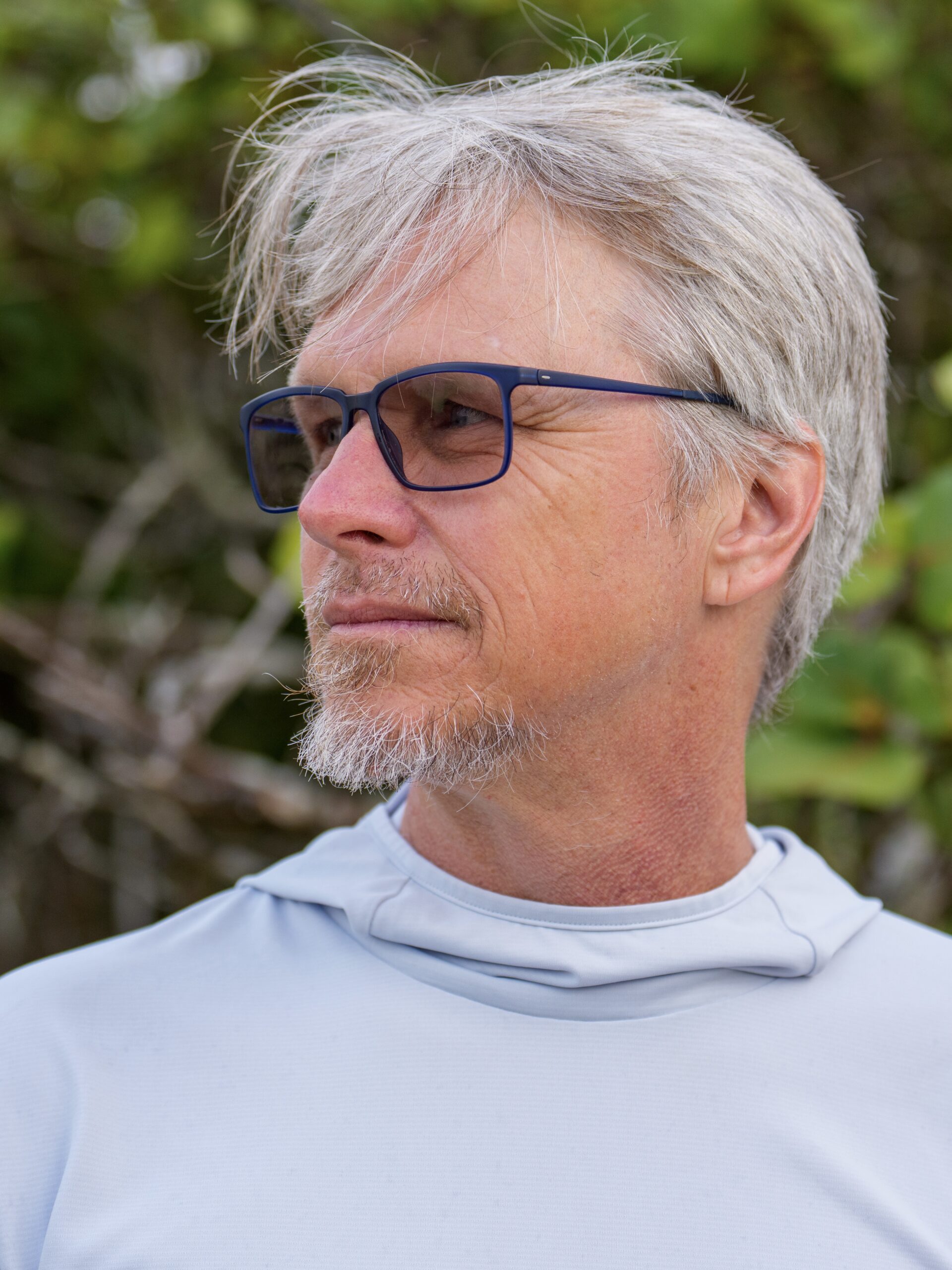
When Mark Smith speaks about birds, he doesn’t talk like a photographer chasing the perfect frame. He speaks like a witness—someone who has spent years observing, listening and quietly learning from the natural world. Winning the HIPA Award last year may have brought his work global recognition, but for Smith, the moment still feels unreal. Bhavya Desai spoke to him about his love for birds and more. Excerpts:

“It’s overwhelming,” he says, almost thoughtfully. “I’m still trying to absorb it. It doesn’t feel real yet.” The award ceremony in Dubai marked his first real experience of the city—beyond airport layovers—and the setting only amplified the sense of disbelief. Yet, recognition was never the destination. It was simply a by-product of a journey that began decades earlier.

Smith’s introduction to photography was deeply personal. As a child, following his parents’ divorce, weekends spent outdoors with his father became formative. His father handed him a Minolta camera and a roll of film, and gave him complete freedom. There were no instructions, no expectations—just plain old curiosity. Those early days in the wild planted a seed that would later grow into a lifelong fascination with animals and storytelling.

What sets Smith apart is his belief that photography is not about images—it’s about understanding. Long before ‘visual storytelling’ became a buzzword, he was already trying to see the world from an animal’s perspective. “I was always excited to learn about them,” he explains. “And I wanted others to feel that same fascination.”
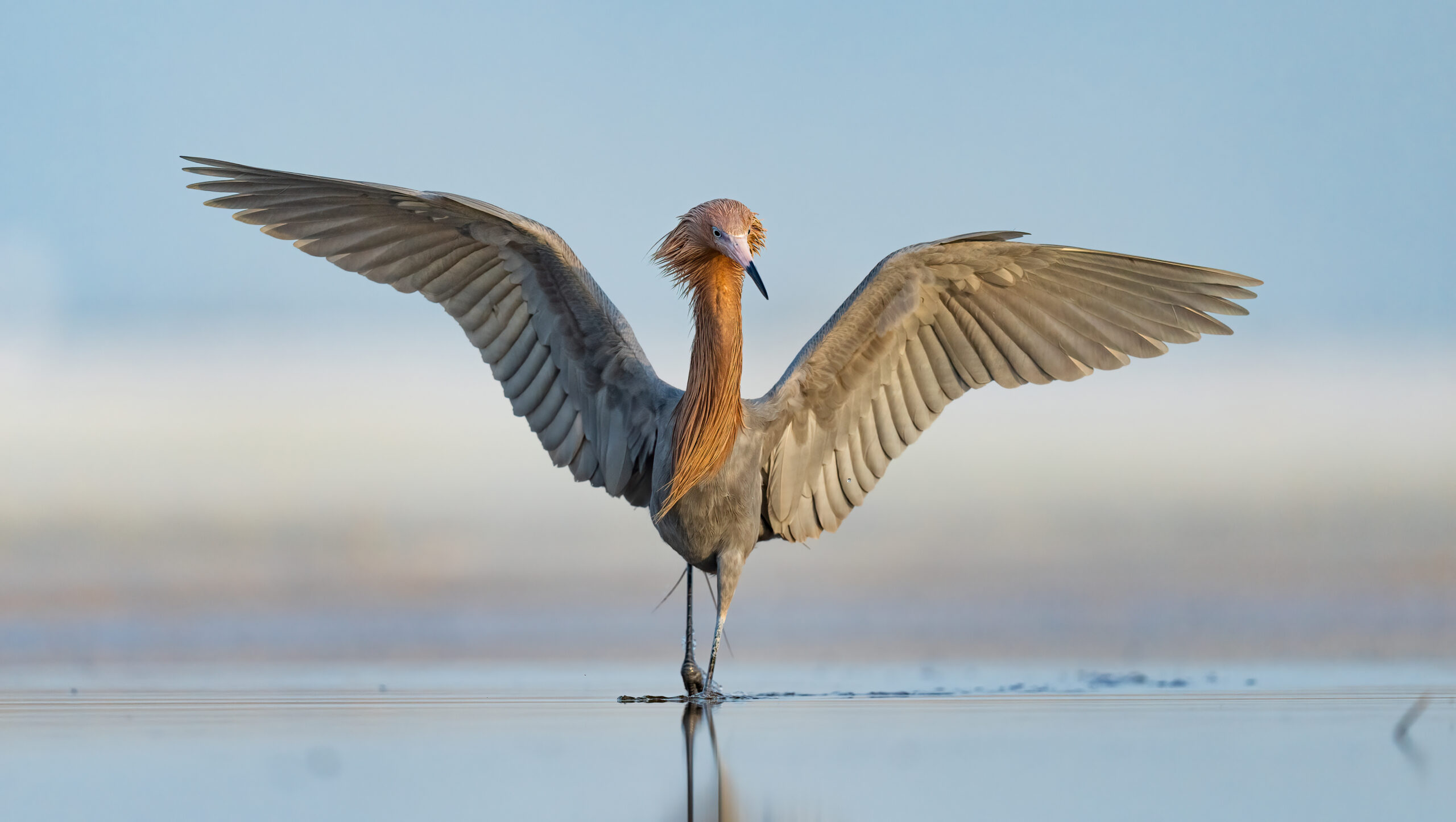
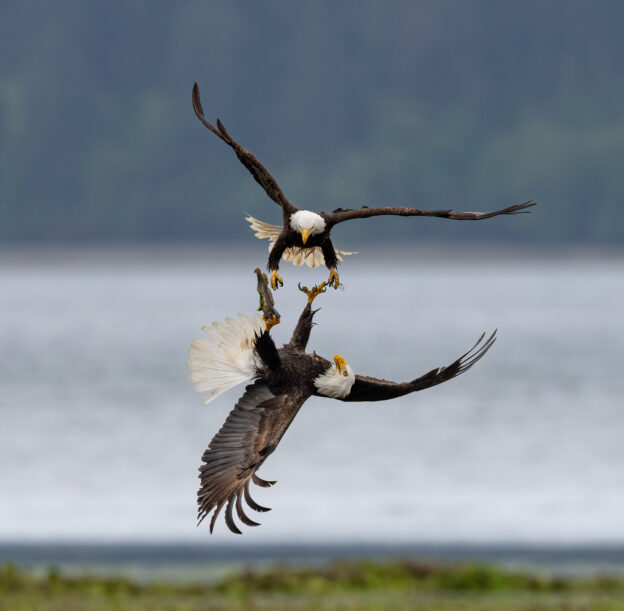
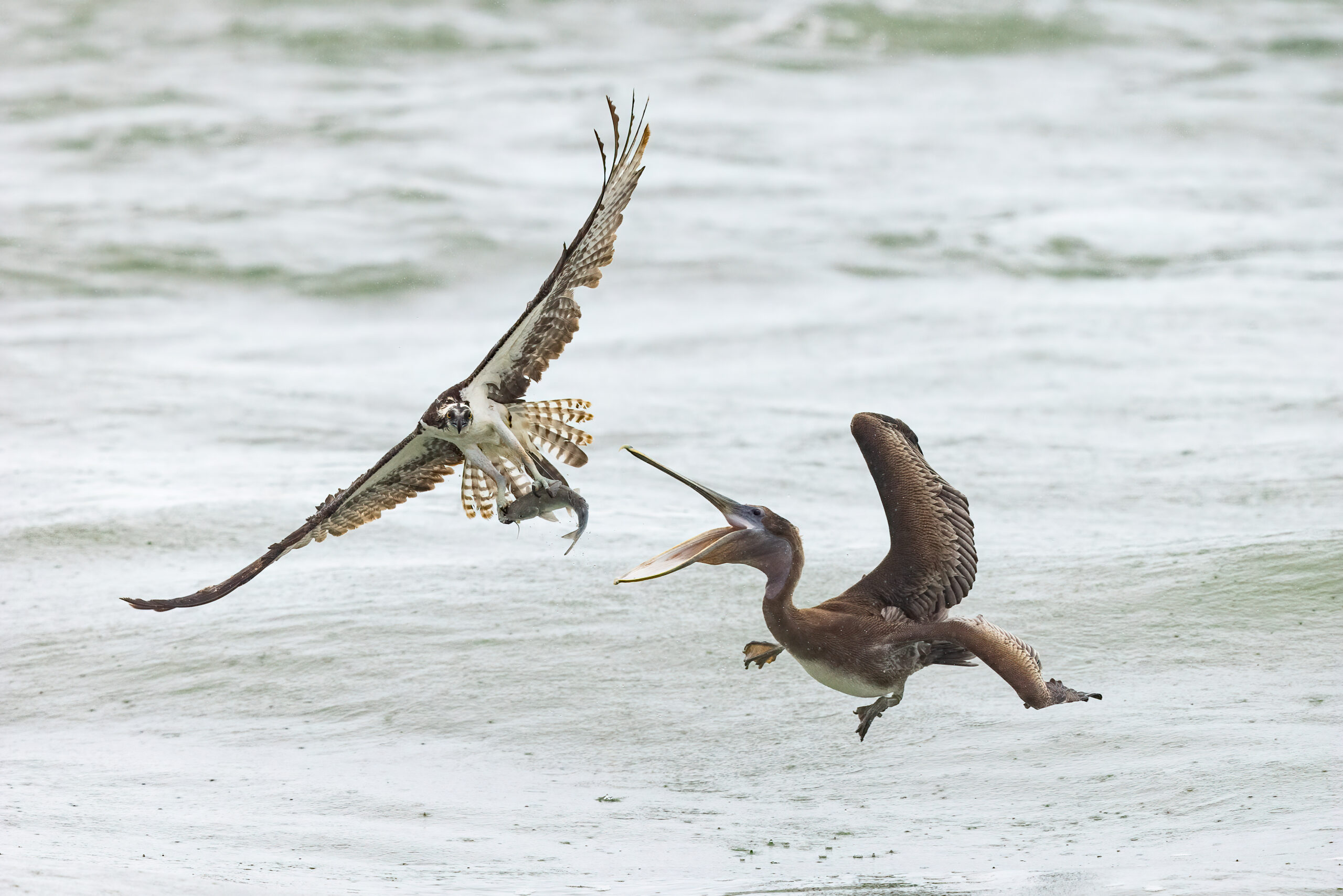
That philosophy is most evident in his enduring relationship with the osprey—a bird that dominates much of his work. For Smith, the osprey is more than a subject; it’s a symbol. He speaks of its relentless determination, its refusal to give up even when injured, exhausted or robbed of its prey. “They just keep going,” he says. “Over and over again.” Watching an osprey rise from the water again and again reminded him of the mythical phoenix—where each dive seems like a battle, and each ascent a quiet victory.

Understanding such behaviour, Smith believes, is the cornerstone of wildlife photography. Knowing how fast a bird moves, how it hunts, and even how it communicates distress determines whether a photographer captures something meaningful or merely intrusive. “Some birds make a very specific sound when you’re too close,” he explains. “If you don’t recognise that, you’ve already crossed a line.”

Smith’s approach to photography changed dramatically during a pivotal period in his life, when he and his wife sold everything, they owned and travelled across the United States in a caravan. Their journey eventually led them to Colorado, where the landscapes and wildlife transformed the way, he saw the world. It was there that photography shifted from interest into an obsession—and later, to purpose.
Although Smith initially returned to photography through video, slow motion became an unexpected teacher. By stretching time, he began to see details invisible to the naked eye—minute decisions, subtle body movements, and split-second reactions. Ospreys, which hit the water at nearly 50 miles an hour, suddenly revealed their intent frame by frame. “It taught me more than I ever expected,” he says. Not just about birds—but about his own technique, his mistakes, and how to correct them.

Yet for all the technical mastery his work reflects, Smith insists that equipment is secondary. Yes, good lenses matter. Yes, high-quality glass reveals extraordinary detail. But none of it replaces time spent in the field, observing and learning. “If you don’t enjoy being out there, people can see it in your work,” he says. Passion, he believes, is non-negotiable.

Some of Smith’s most memorable moments have nothing to do with awards or accolades. One of his most powerful images—an osprey carrying a fish with a crab still clinging to it—was technically flawed, harshly backlit, and full of blown highlights. Yet it became one of his most popular photographs. “Story comes first,” he says simply.

Not all stories end beautifully though. One of his most difficult experiences involved an injured osprey struck by a car. Attempting to save the bird, Smith wrapped it in a blanket and carried it to safety. In that moment, as the bird looked at him, he felt what he describes as a “cosmic slap” —a flood of emotion, understanding and shared vulnerability. The bird died minutes later in his son’s arms and that still remains one of the most humbling moments of his life.

“That connection,” Smith reflects, “is why this matters.” Wildlife photography, for him, is not about domination or control—it’s about empathy. About recognising that animals, like people, are navigating survival, fear, and resilience every day.
For young photographers eager to enter the world of bird photography, Smith’s advice is deceptively simple: learn the bird before you learn the camera. Understand its food, its migration, its habits. Start small. Be patient. And above all, enjoy the process.

Because in the end, the most powerful images aren’t captured—they’re earned, through time, respect, and the willingness to truly see.
January 2026

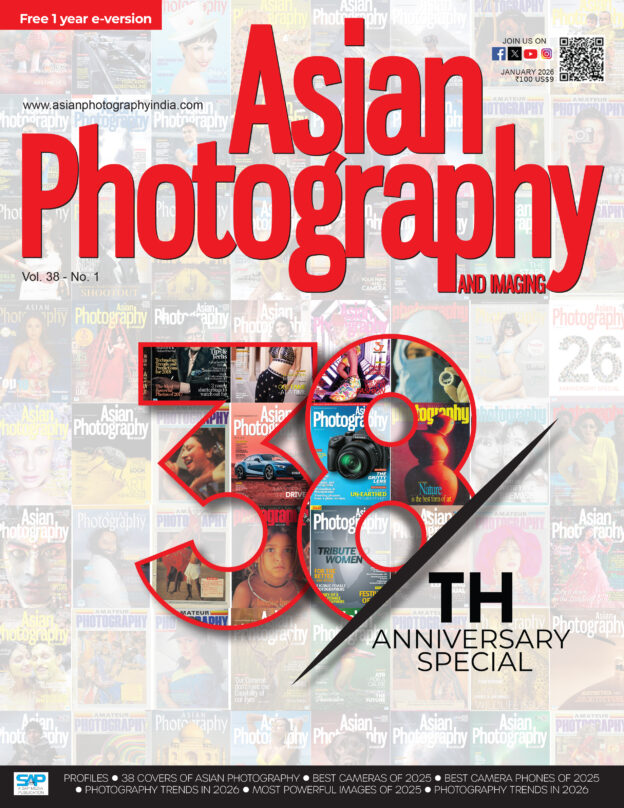
Asian Photography Magazine January 2026 Edition is out ✨

In this issue, explore:

Pro Profile

  • A Life Framed by Curiousity – Rick Smolan
  • Each Dive a Battle, Each Ascent A Quiet Victory – Mark Smith

Special Features

  • 38 Best Covers of Asian Photography Magazine
  • Most Powerful Images of 2025
  • Best Mirrorless Cameras of 2025
  • Best Camera Phones of 2025
  • Best Reader Images of 2025
  • Photography Trends in 2026

Reviews

  • Canon EOS R6 Mark III Camera Review
  • iPhone 17 Pro vs vivo X300 Pro – Flagships Face Off
  • OPPO Find X9 Review – The Benchmark

38 Years. Millions of Frames. One Enduring Legacy – Bhavya Desai, Editor in Chief

Thirty-eight years ago, when this magazine first went to print, photography was a far more
deliberate craft. Film rolls were precious, deadlines were slower and every published image
carried the weight of intention. What began as a modest platform for photographers has, over
nearly four decades, evolved into a living archive of the industry itself—documenting its shifts,
shaping its conversations and often, quietly, influencing its future.
This Anniversary is not just about longevity. It is about legacy, heritage and responsibility.
Over the last 38 years, the magazine has mirrored the journey of photography in India and
beyond—from darkrooms to digital, from DSLRs to mirrorless, from prints to pixels, and now
from images to immersive visual storytelling. We have chronicled not just technology, but the
people behind the cameras—the artists, technicians, editors, educators, and entrepreneurs
who built this industry brick by brick.

Our pages have carried those defining moments.

We have published landmark cover stories that captured turning points in visual culture,
reported on industry-defining technologies before they became mainstream, and debated
trends long before they turned into hashtags. From wedding photography’s transformation into
a global business to wildlife photography’s growing role in conservation; from
photojournalism’s ethical challenges to the rise of creator-led visual economies—this magazine
has never merely observed change, it has engaged with it.
And to celebrate that we’ve featured a Special article on our Best Covers of Asian Photography.
These archival issues document our and India’s history in its pages and what better way to
celebrate an Anniversary issue by featuring global legends such as Rick Smolan and Mark Smith.
As Editors and Publishers, we’ve believed that a magazine’s role goes beyond reporting—it
must archive truth, provoke thought and inspire progress. That belief has guided us through
industry disruptions, economic cycles and seismic technological change. Even today, as
algorithms compete with authorship and speed often overtakes substance, our commitment
remains unchanged: to value credibility over virality, depth over noise and craft over
convenience.

None of this—absolutely none—would have been possible without YOU.

To our readers, who trusted us month after month.To photographers, who shared their work,
their stories, and their vulnerabilities.To advertisers and partners, who believed in the power
of a serious, credible platform.To editors, writers, designers, and contributors—past and
present—who poured their thinking into every issue.And to the industry itself, which grew
alongside us and allowed us to be both witness and participant in its evolution.
As we celebrate 38 years, we do so with gratitude, humility and renewed purpose. The future of
photography will look very different from its past—but if there’s one lesson our journey has
taught us, it’s this: tools may change, but vision, integrity, and storytelling endure.
Here’s to the legacy we’ve built.Here’s to the industry we’ve helped grow.And here’s to the
many frames, stories, and decades still to come.

HIPA 2025 14th Edition: How Dubai Exemplifies Soft ‘Power’

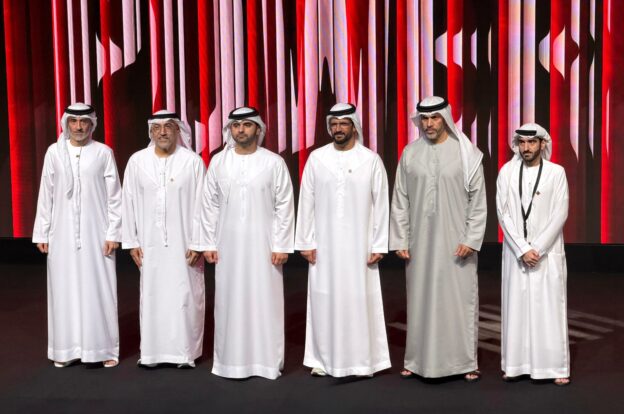
The Hamdan bin Mohammed bin Rashid Al Maktoum International Photography Award (HIPA) closed its 14th season recently in Dubai with an awards ceremony at the Museum of the Future (MOTF), celebrating a global set of images that interpreted the theme of ‘Power’. The images included a touch of the elements to the intimate, including the nature’s fury to human endurance. 

  • By Bhavya Desai

This year’s edition drew an extraordinary 87,000 submissions from roughly 50,000 photographers worldwide – that’s a lot of entries – making the jurors’ life difficult. 

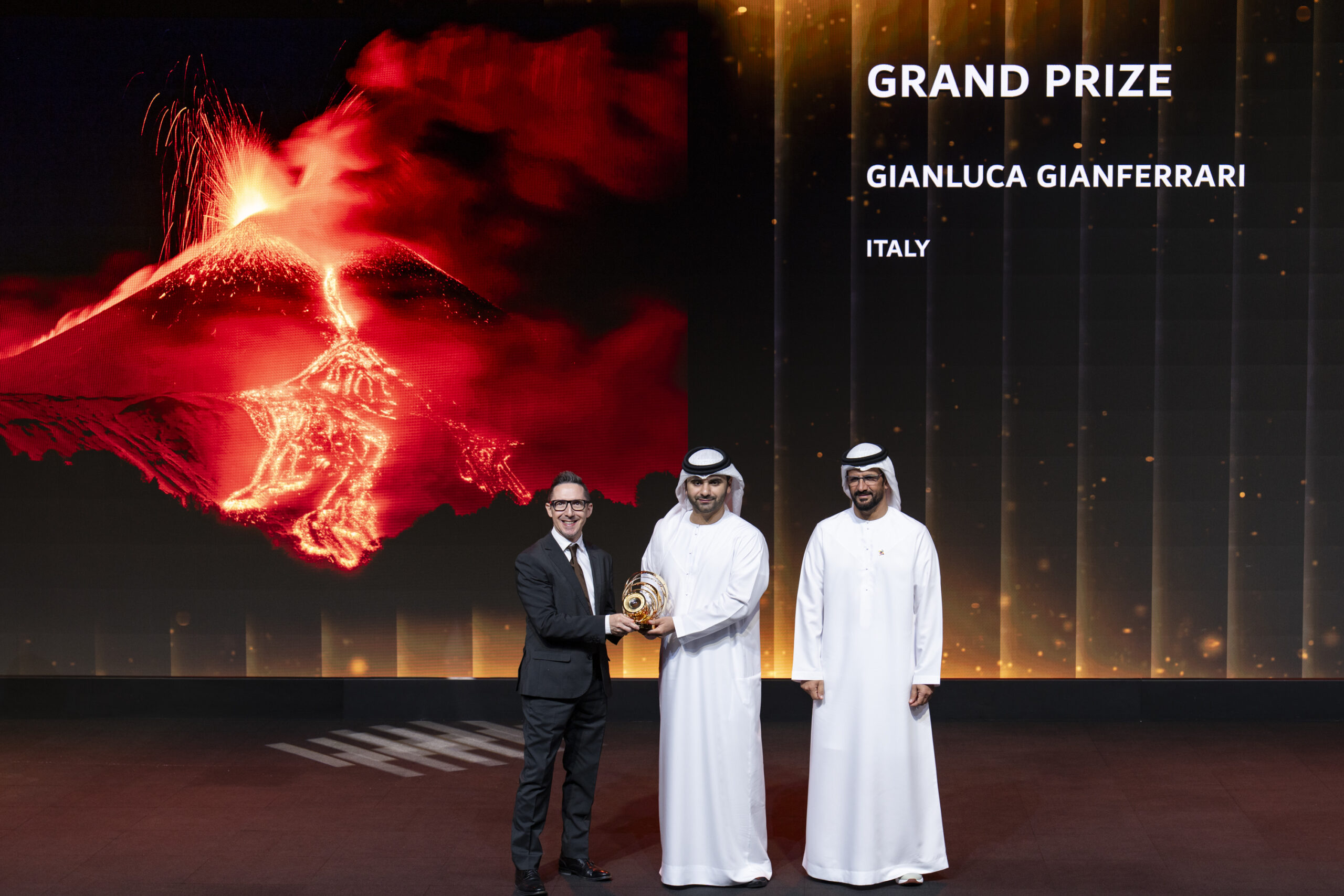
And at the heart of it all was an evening – set with the winning photographs of those whose work literalises the show’s theme. The US$200,000 Grand Prize went to Italian photographer Gianluca Gianferrari for a monumental shot of Mount Etna – molten fragments lighting up snow – an image that speaks to geological force and visual drama. 

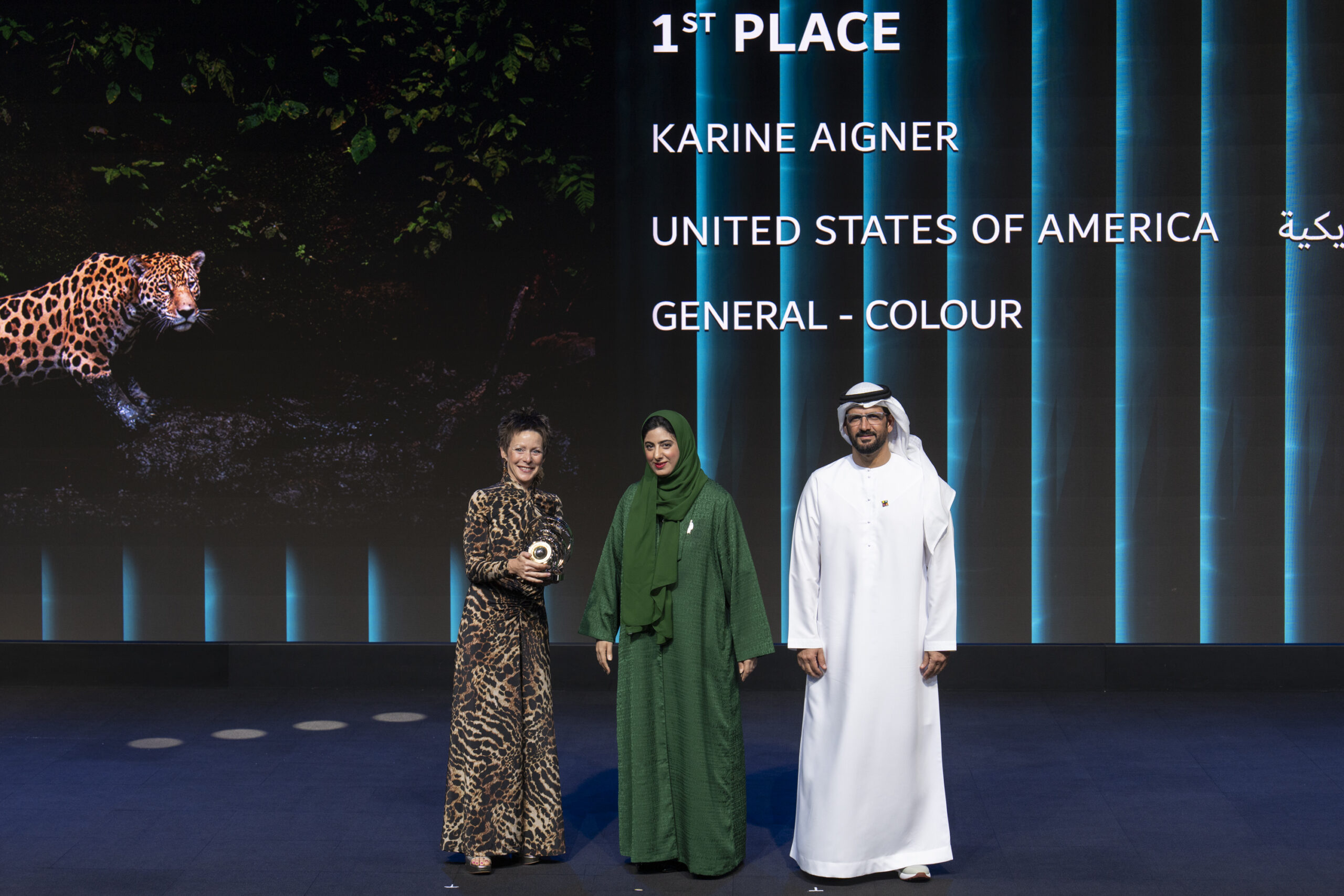
Other category winners included Karine Aigner’s jaguar portrait (General—Colour) and Ali Jadallah’s portfolio “Burden of Survival”, which documents life under siege and uses storytelling to register human power and its costs. Those images – whether volcanic, predatory or political – treated power as a physical and moral force the camera can both reveal and question.  

But what caught my attention was that HIPA’s organisers framed the competition itself as an exercise in civic and cultural soft power: HIPA Secretary-General Ali Khalifa bin Thalith highlighted the award’s growing global reach and its aim of promoting photography as a tool for communication and social reflection. 

And as an ode to art itself – the ceremony was hosted at one of Dubai’s most symbolic cultural venues, the Museum of the Future – symbolising the push to expand programming (including the Dubai Photo Forum) underlining how the emirate is using flagship cultural events to position itself as a global conveyer for the arts. 

Officials said the scale of entries and the calibre of the jury demonstrate Dubai’s ability to attract and amplify work from across continents.  

Power in the frame

Judges noted that the strongest submissions treated “power” ambiguously and layered meaning into a single frame: natural force (volcanoes, oceans, storms), animal presence (the jaguar’s raw authority), institutional power and the human will to survive (Jadallah’s Gaza series), and even the kinetic authority of elite athletes. 

The new Drone (Video) and Portfolio categories continued to reward long-form, narrative approaches that use sequencing and motion to build a more complex sense of agency showcasing how story telling is king.

Special honours for Rick Smolan and Mark Smith

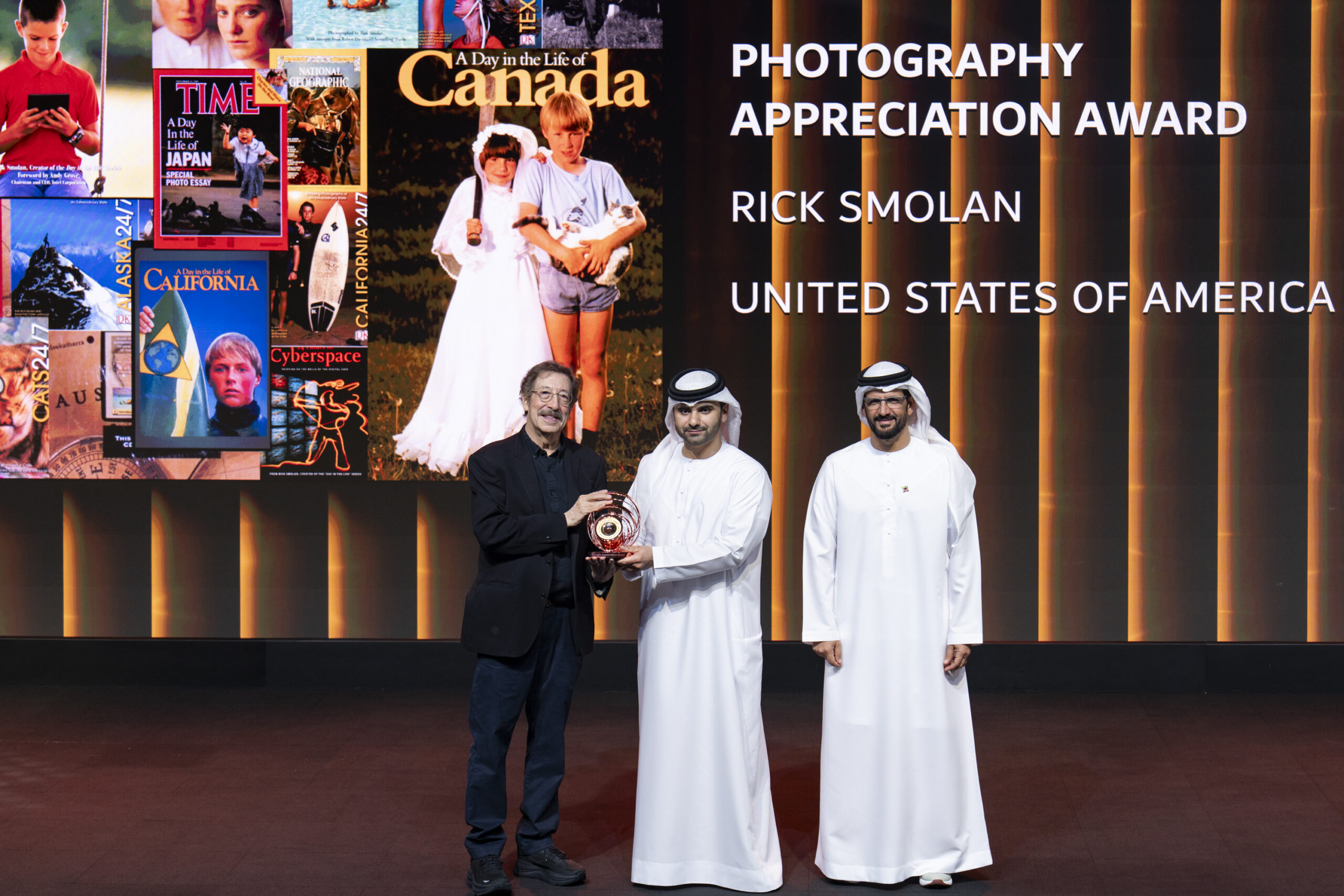
HIPA also presented special awards recognising careers and contemporary influence. American photographer and author Rick Smolan – a legend received an Appreciation Award similar to a Lifetime Achievement in our part of the world acknowledging the decades-long career in large-scale, impact-driven visual projects. 

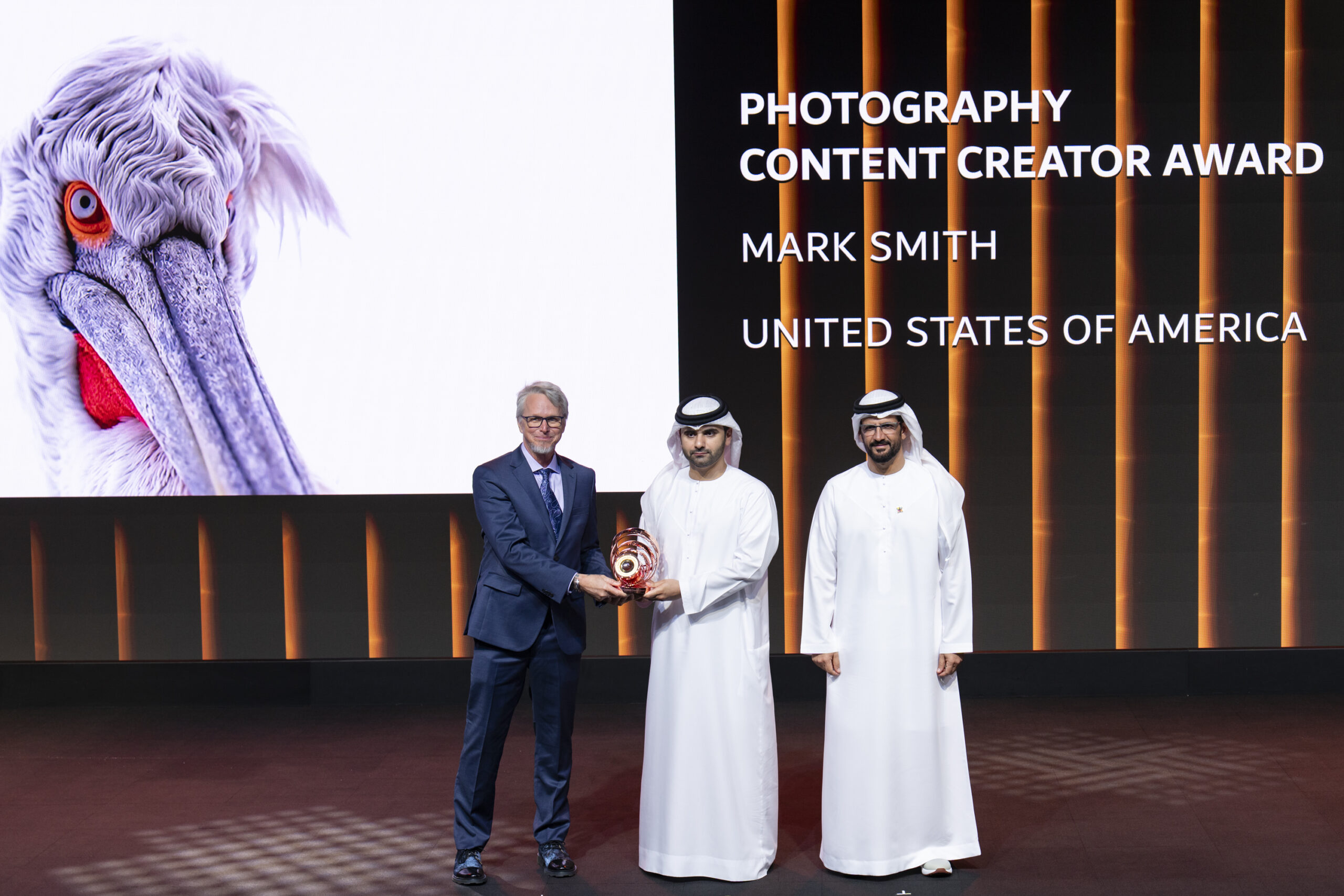
Mark Smith was honoured with the Photography Content Creator Award for his prolific wildlife work and digital reach – the kind of storytelling that has made his work on nature and conservation visually viral. 

Stay tuned for exclusives with both these photographers in our magazine.

The Local Hero

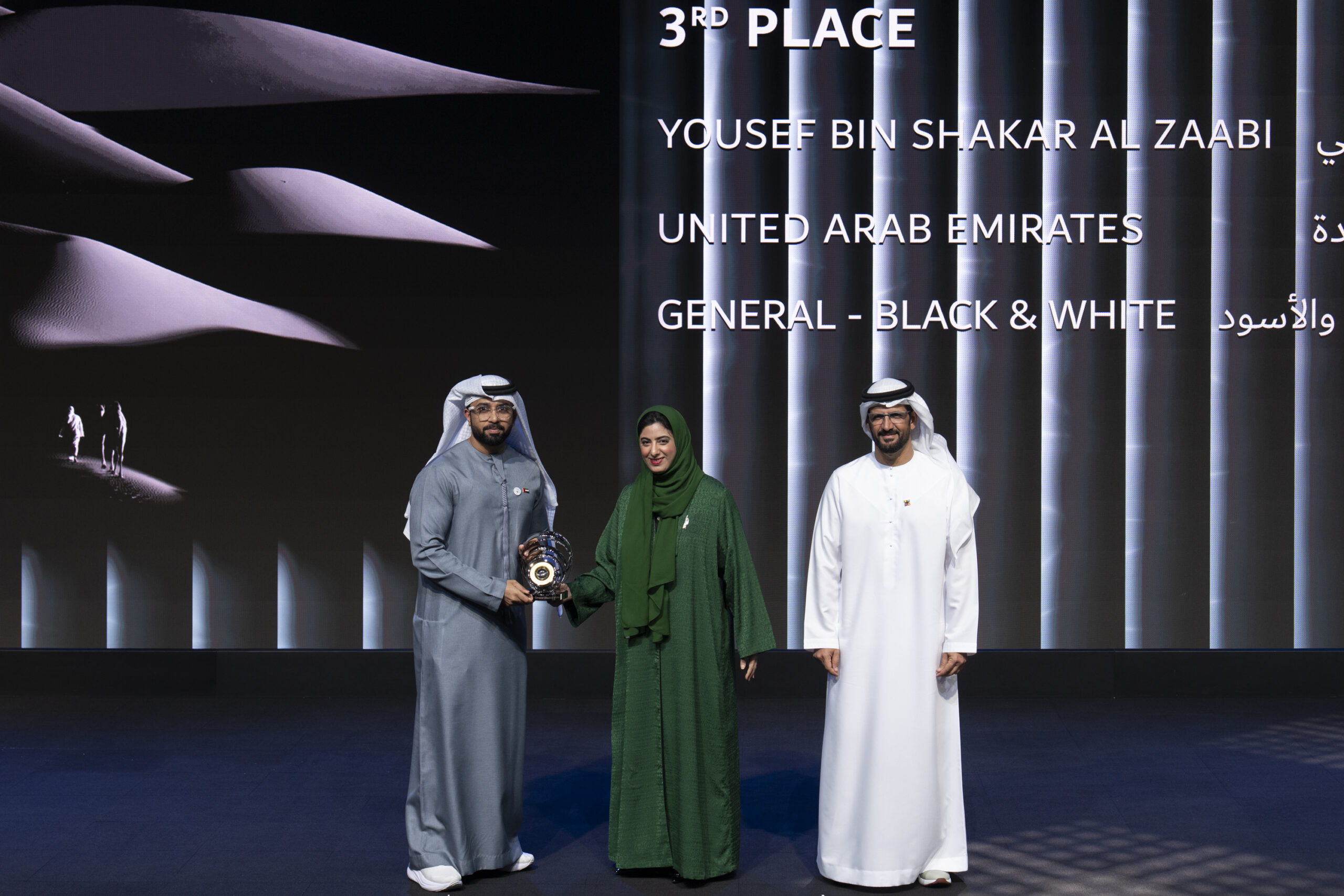
UAE’s own Yousef Bin Shakar Al Zaabi also was honoured with a third place in the General Black and White category. This was his second time winning the award – with the previous one in a different category.

India Also Made The Cut

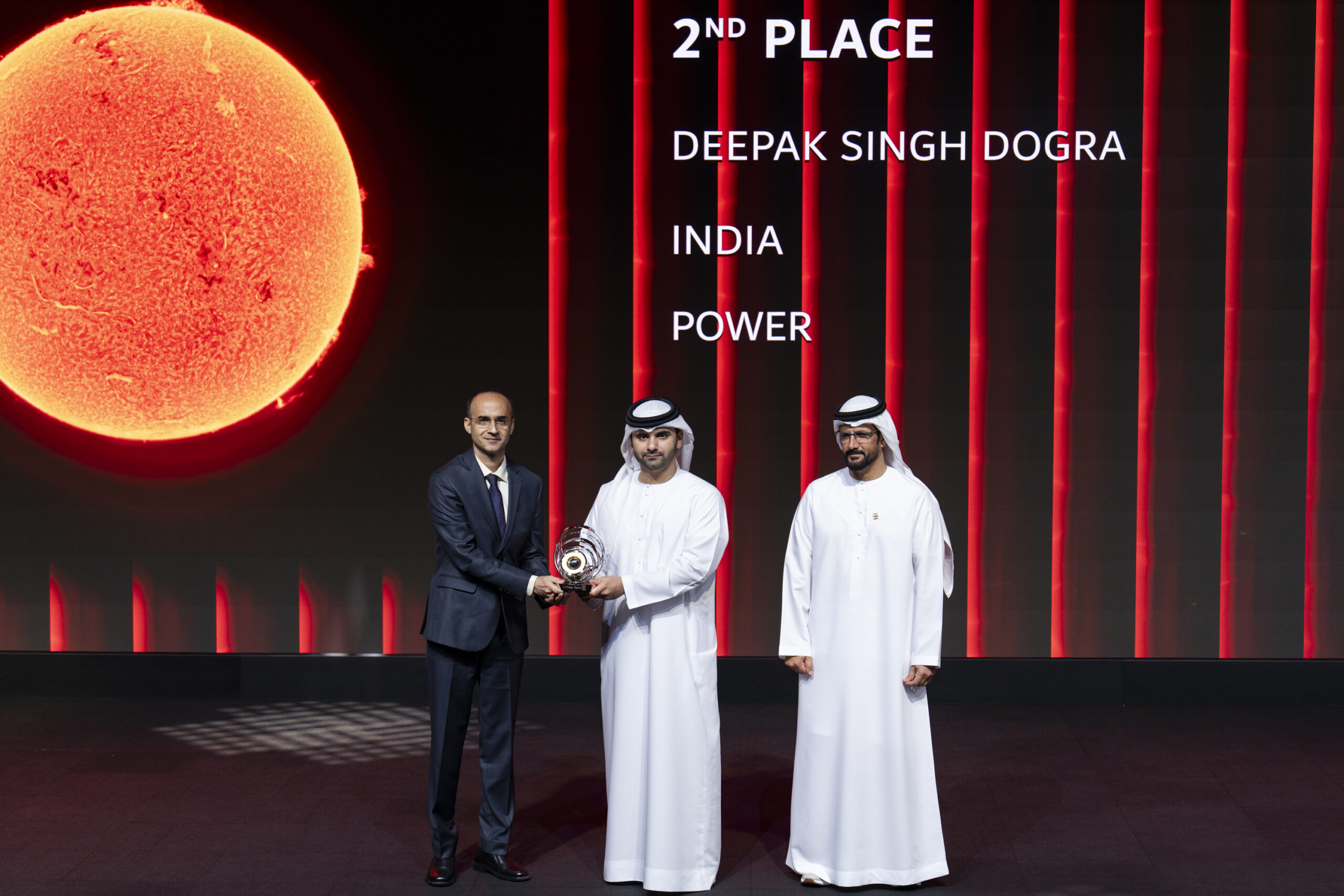
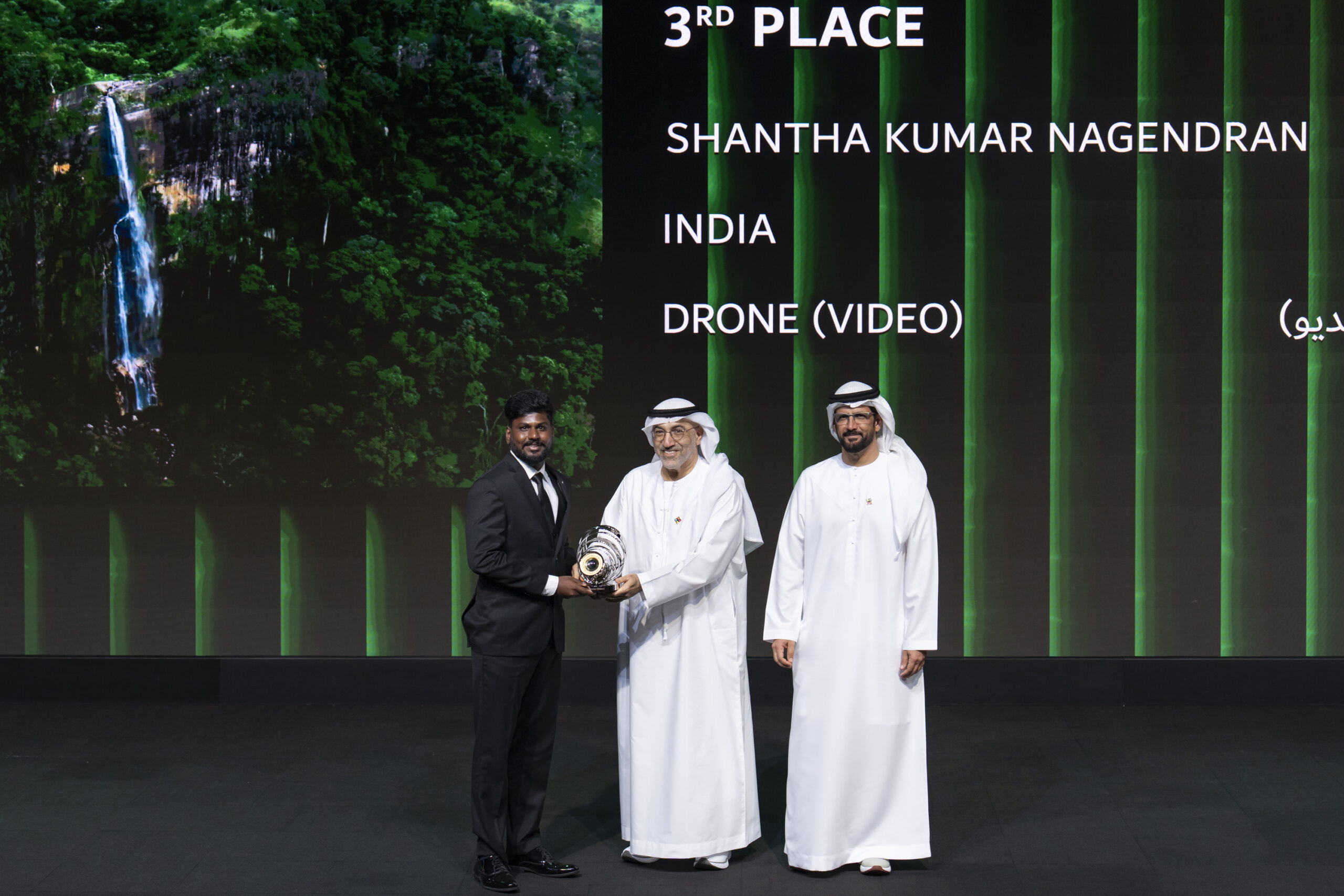
Indian photographers featured among the shortlist and prize-winners this year. In the main “Power” category, Deepak Singh Dogra and in the Drone (Video) category, Shantha Kumar Nagendran placed third. 

It wasn’t a surprise that there were many Indian participants across categories highlighting that, contributors from the subcontinent remain a consistent presence in the competition’s shortlist and exhibitions said the officials.

But apart from the cultural initiative HIPA’s 14th edition reinforced Dubai’s strategy of hosting major cultural platforms to foster artistic exchange and international visibility. 

By hosting the ceremony at the Museum of the Future and linking awards to public programming such as the Dubai Photo Forum, HIPA extends the life of the competition beyond a single gala. Exhibitions, talks and workshops help translate prize winning images into ongoing conversations about climate, conflict, conservation and creativity. 

That civic choreography – public venue, high prize money, international jury and media attention – is great optics and cultural diplomacy play that raises Dubai’s profile as an arts hub while giving photographers access to new audiences.