Last year, we got the X200 for review, and it impressed us with its performance for a non Pro phone. But this year we’ve received an upgrade – the X300 Pro – and we’ve been playing around with it for a few weeks. Priced at ₹1,09,00, in this review we will see how this phone performs in our camera tests.
Look, Body and Feel
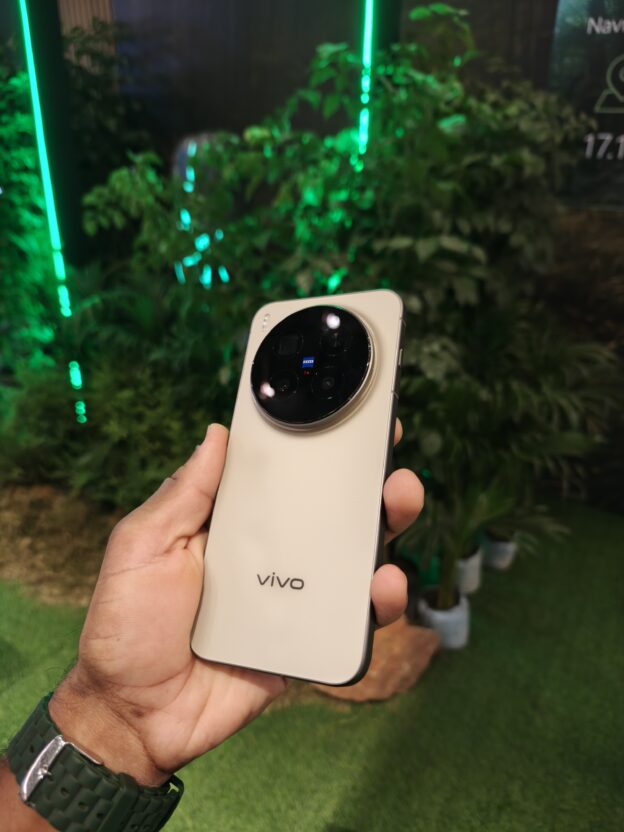
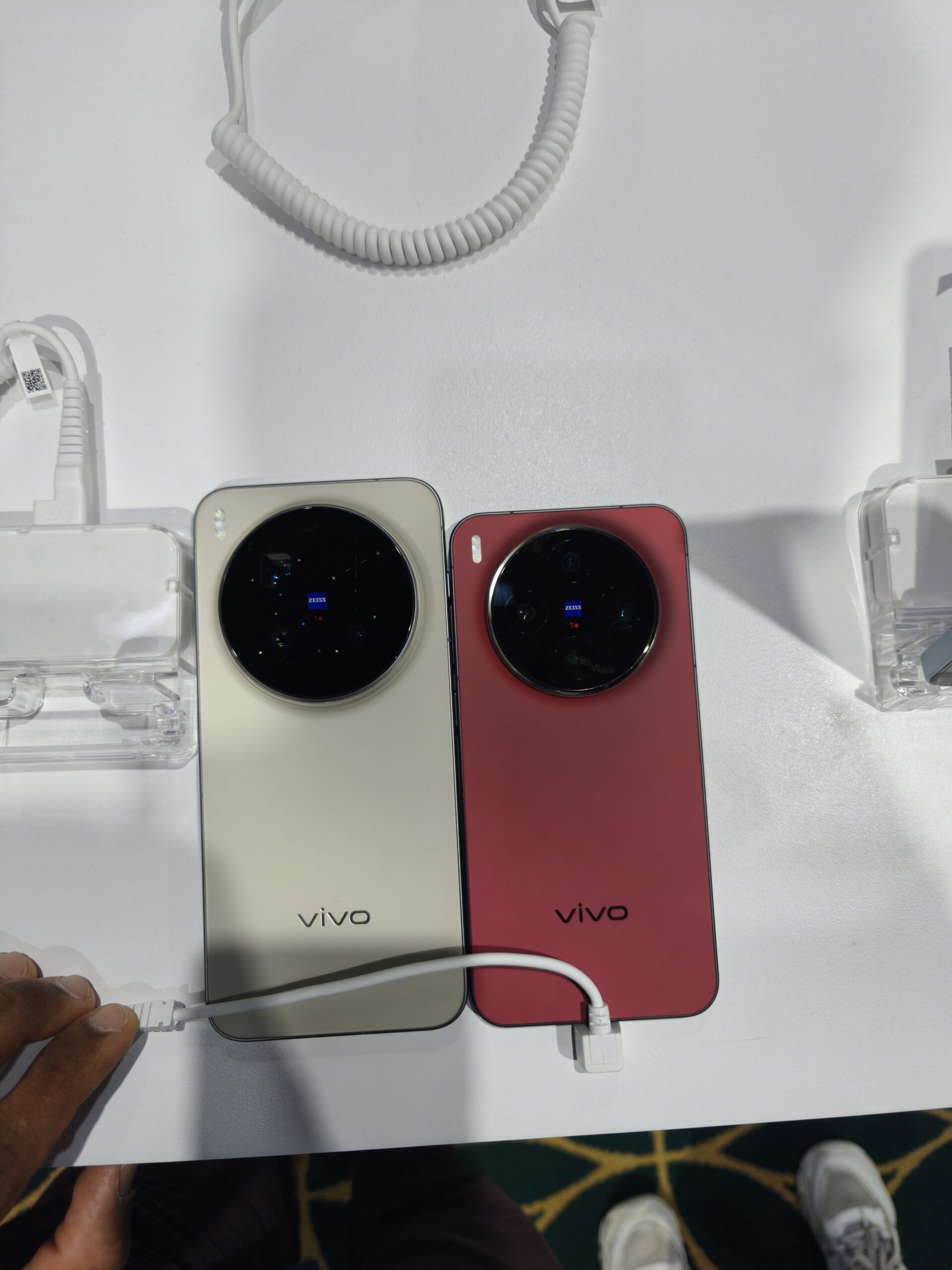
The design language hasn’t changed much as compared to last year’s model, and it feels similar to an iPhone and you could easily mistake it for the 16 Pro Max. It feels great in the hand, but the camera bump at the back has become bigger and while this gives you a natural finger resting place, it might not be for everyone, especially with bigger hands.
Camera Bump
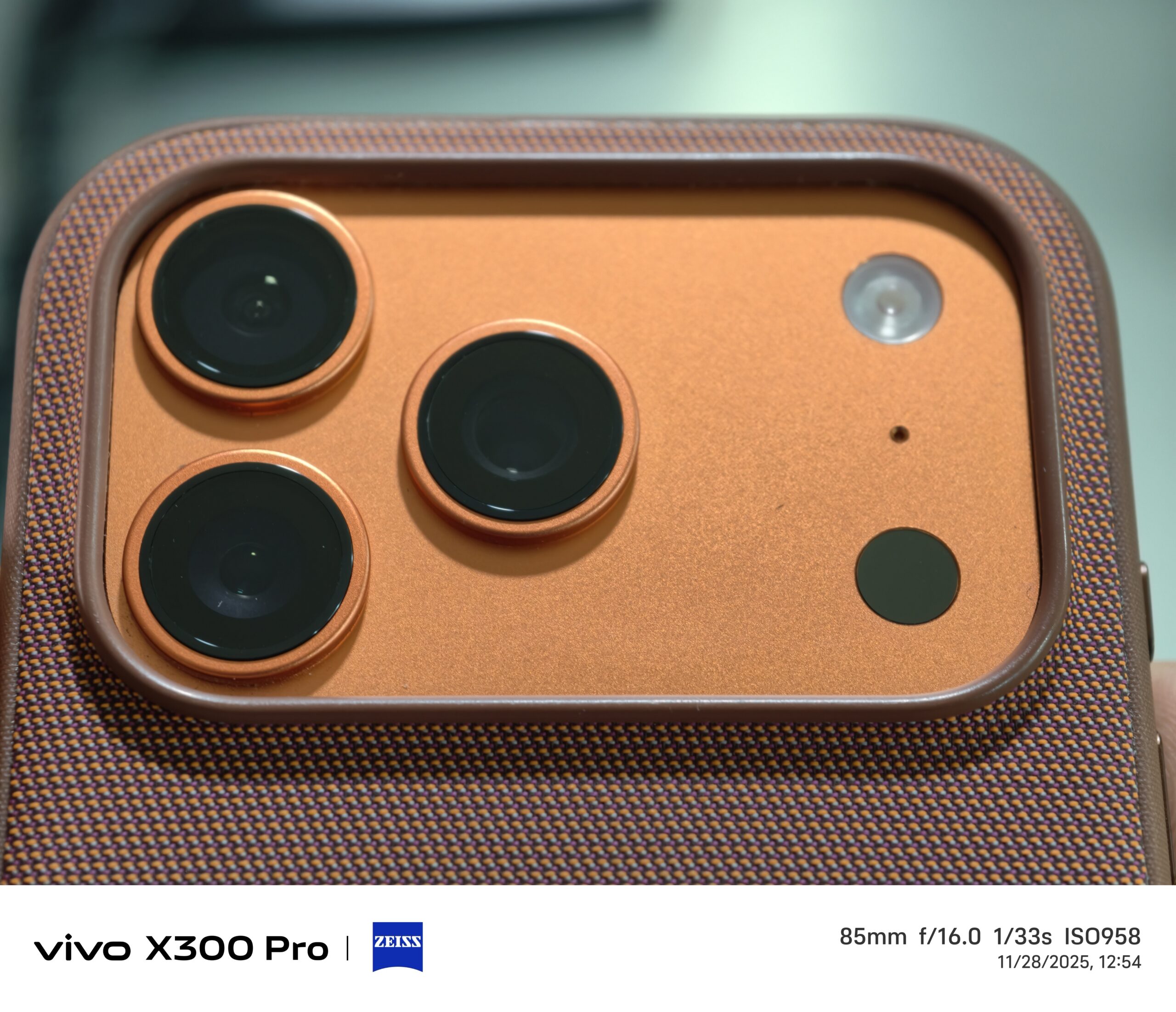
The camera module at the back is familiar and has become noticeably bigger. The collaboration with ZEISS is evident with their logo and the T* symbol. There’s one tiny change wherein the flash has moved to the other side of the device.
Camera Specs:
The vivo X300 Pro comes with performance filled to the brim as expected of an android flagship. It features a triple camera setup which includes:
- 50MP Main camera
- 50MP Wide camera
- New custom 200MP telephoto sensor by Samsung, Mediatek and vivo (14.3MP output with 50 and 200MP options available)
- 50MP Front camera
- 50MP hi-res photo option available on all sensors
- OIS available on Main and Telephoto cameras, rated to CIPA 5.5 standards
The X300 Pro is powered by Mediatek Dimensity 9500 processor and V3+ & VS1 imaging chips. Video-wise, it can shoot at up to 8K at 30fps and 4K at up to 120fps, with LOG—which is only available in 4K.
Daylight Main
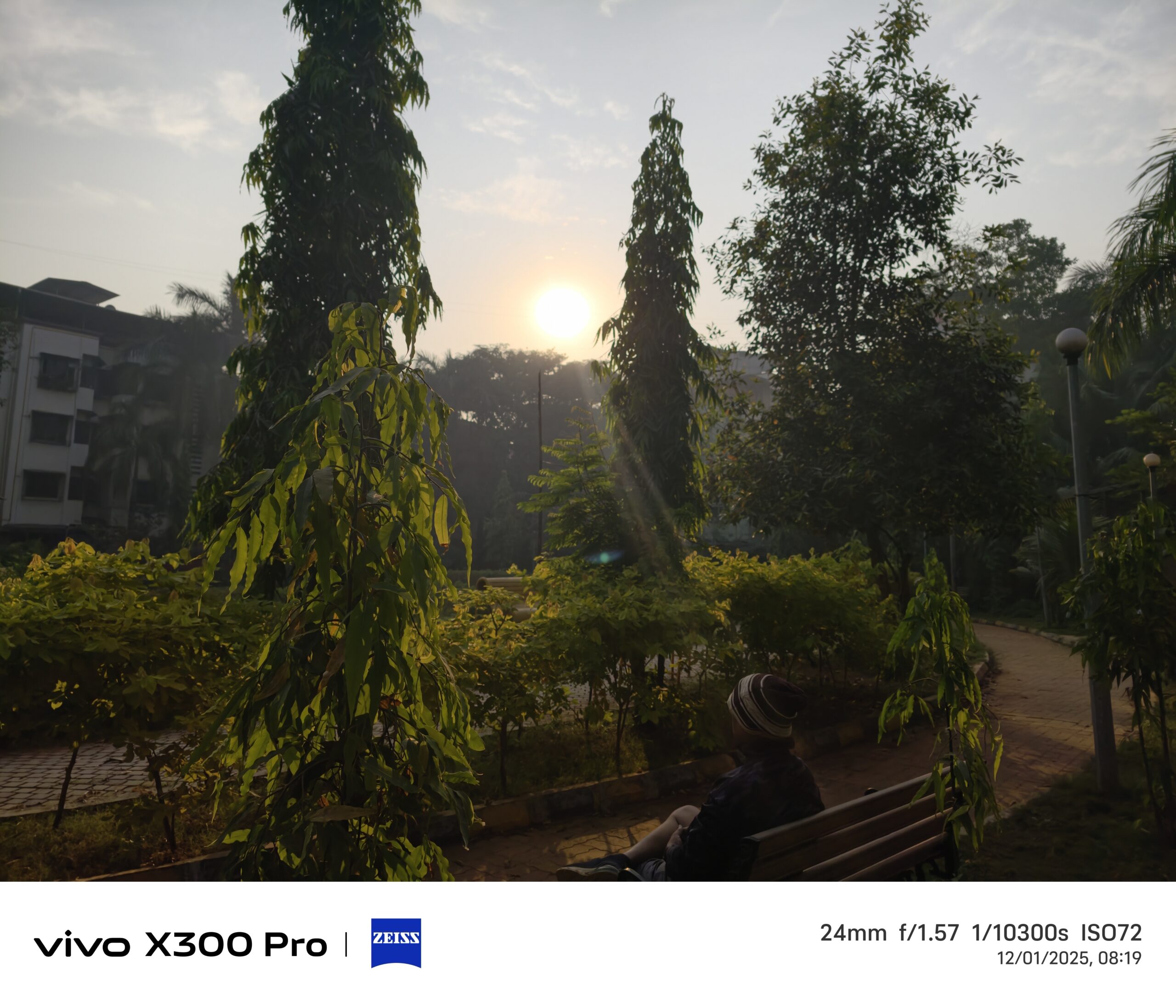
The main camera features a new 50MP Sony LYT-828 sensor that gives the output at 14.3MP which allows you to shoot 1x (24mm), 1.5x (35mm) and 2x (48mm). The images are vibrant, saturated and detailed. In some cases they are more natural while in the others they do tend to over pop slightly. The shadows and highlights performance is good overall.
The pics are also sharp and detailed—although there is a hint of processing when a human subject is in the frame. One thing to note is that the processing takes a second especially in the hires mode. Quick tip, you can change the display to focal length (24, 35mm, etc) or multiples (1x, 2x, etc) inside the menu.
Daylight Wide
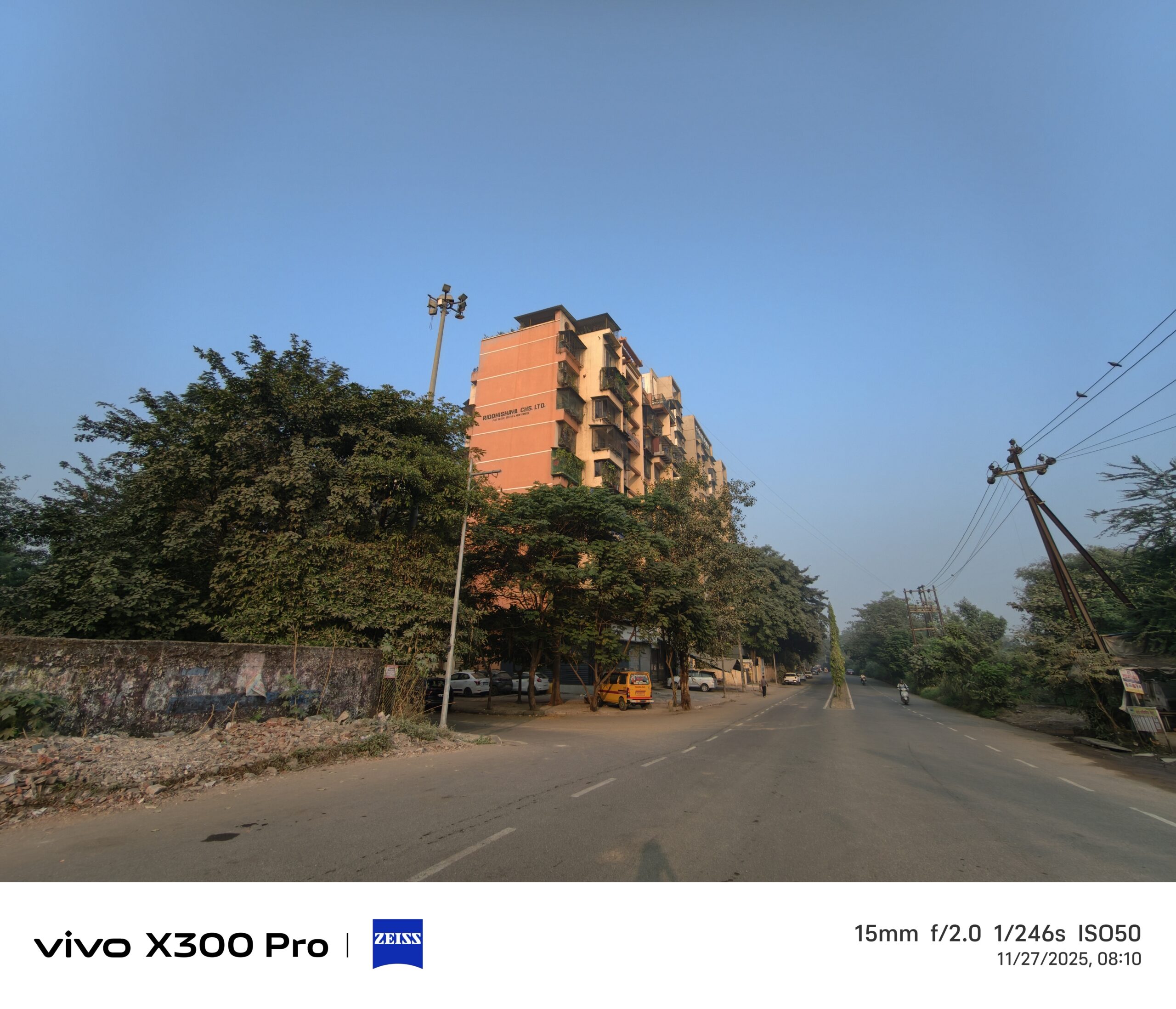
The wide camera remains unchanged from last year, featuring the 50MP Samsung JN1 sensor which gives you an output of 14.3 MP and a hires mode with 50MP output option.
The images shown from the wide lens seem more natural looking than the main camera. They represent the actual scenes and the pics aren’t very poppy or oversaturated. The details and sharpness is decent and since these are more natural looking images, the shadows and highlights performance is slightly under. There is visible distortion as well in the images— although something that is expected from phone cameras.
Daylight Telephoto
The phone features a brand new “High Sensing Sensor HPB” telephoto sensor, which is a collaboration between Vivo, Mediatek and Samsung. By default the output is again 14.3MP and it can still shoot images at 50 MP and 200 MP. And unlike previous models, the hi-res setting can be accessed from the main menu itself without needing to scroll to the additional menu on the right.
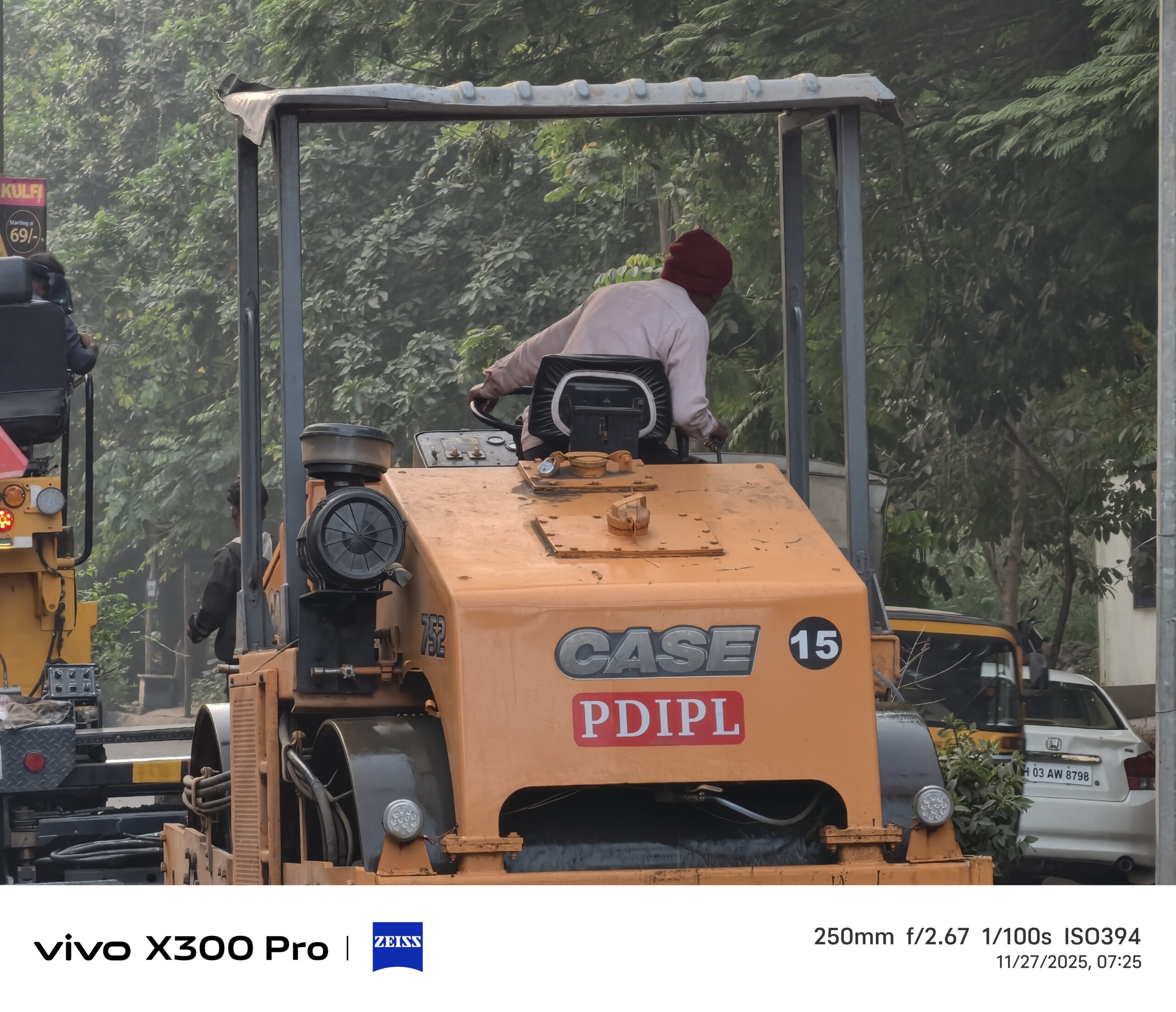
This camera gives you an optical zoom of 3.5x and can go up to 200x digital zoom and this is easily the best lens in the camera set up. The pics are sharp, detailed, crisp even at higher zoom ranges. Yes, there is visible processing at higher zoom range, but the images up to 10x are easily usable. Beyond that you can see some visible noise, but if you are shooting texts, then even at higher zooms the images are good.
And like most phones you can see colour shifting as you move up on the zoom range. The images up to 10x show proper colour reproduction and the shifting starts as you move up on the zoom range from there. We would’ve loved to shoot with the extender as it adds another 2.5x optical zooming capability and based on the examples we’re seeing online, it might be a worthwhile investment for serious hobbyists or enthusiasts.
Lowlight
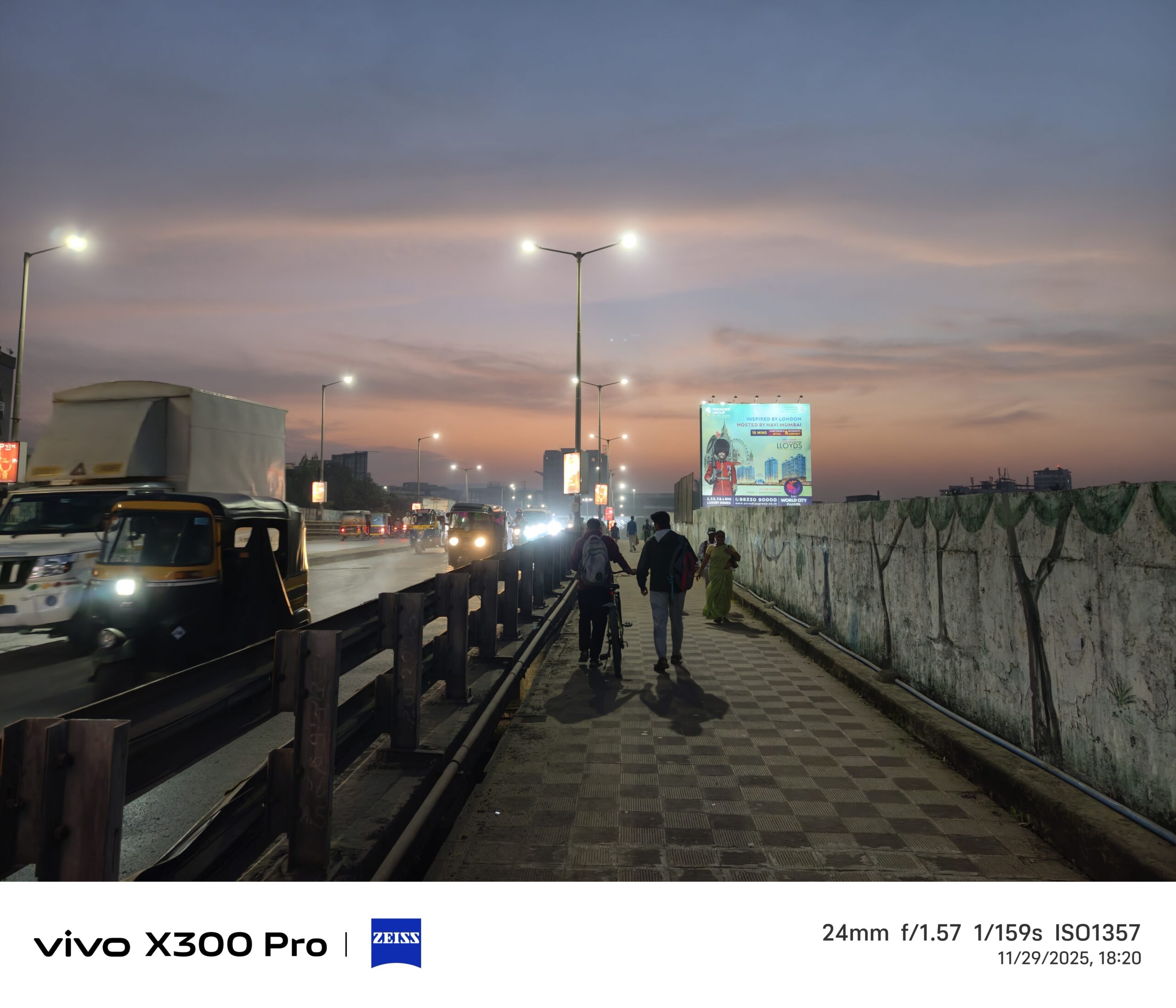
In lowlight the images are surprisingly good.
From the main camera the images are sharp, vibrant and well saturated. The colour reproduction is also on point—in fact since there is aggressive processing, the images look really sharp and detailed and to the naked eye these look really good. Yes, in some cases they aren’t the actual scene, but they surely make the images look pleasing. I liked the even tonality also of the colours in the images.
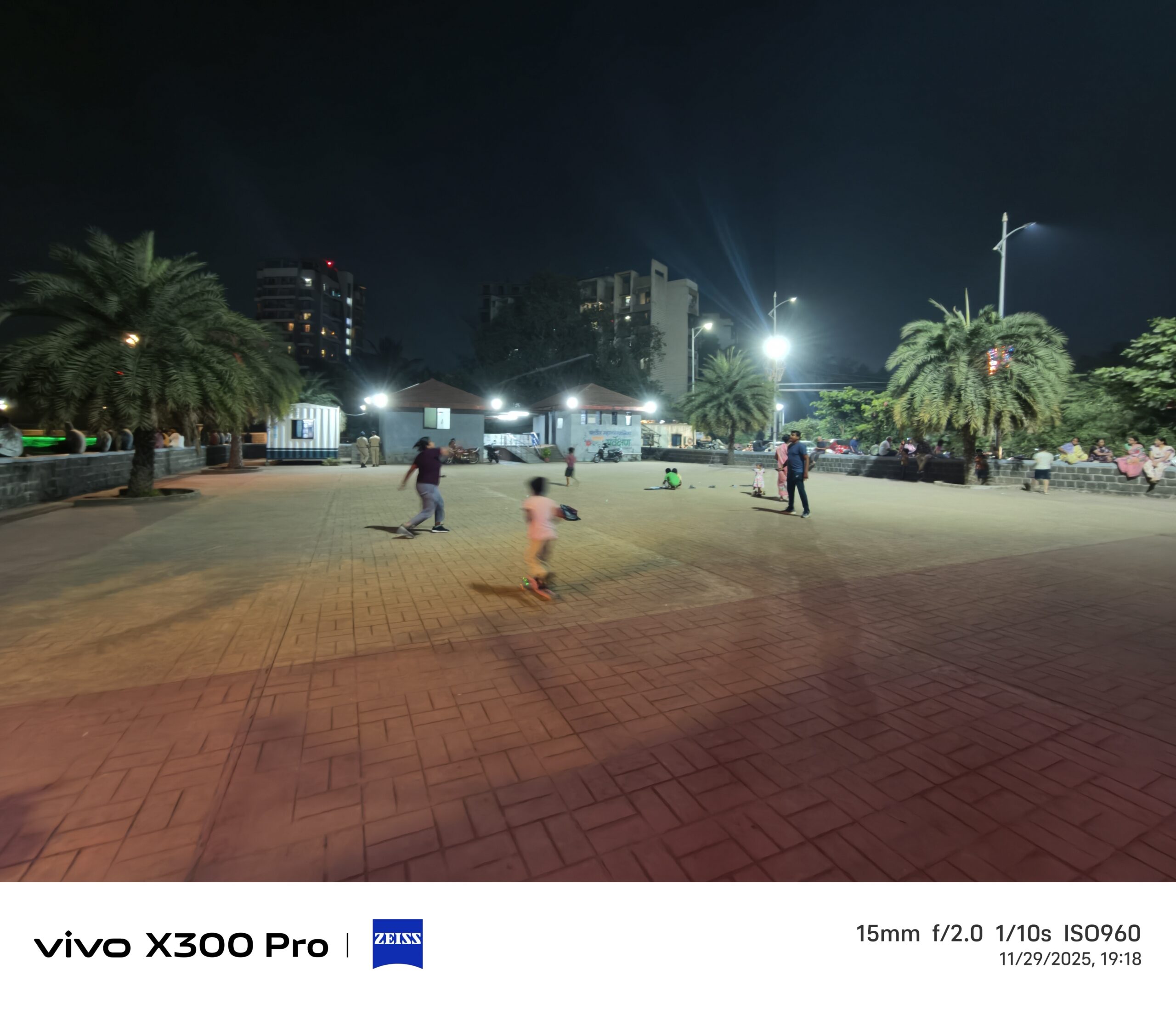
In wide lens, similar to the daylight—the images are more natural and they display less processing as compared to the main camera. But there is visible flaring and ghosting and the sharpness is decent.
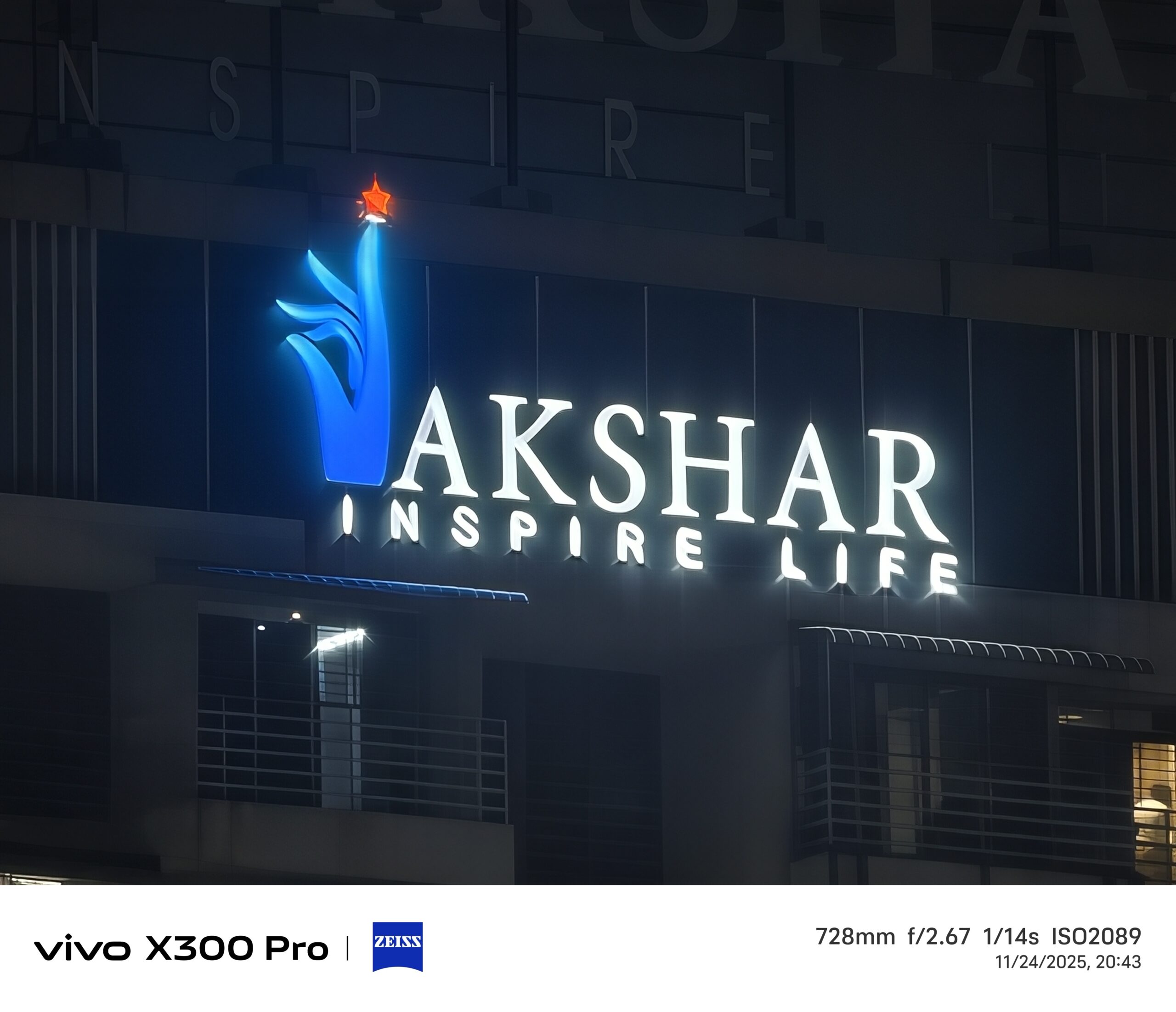
In telephoto the images do display heavy processing (there is an option inside to turn this down to normal or completely off), but they do appear sharp and detailed up to 10x. The performance behind 10x is decent and there is colour shifting visible like the daylight performance. In some cases though when it doesn’t focus then you can see the output without processing as well. The flaring and ghosting performance is better in this lens and overall the images do appear vibrant, poppy and over saturated in some cases.
Portraits
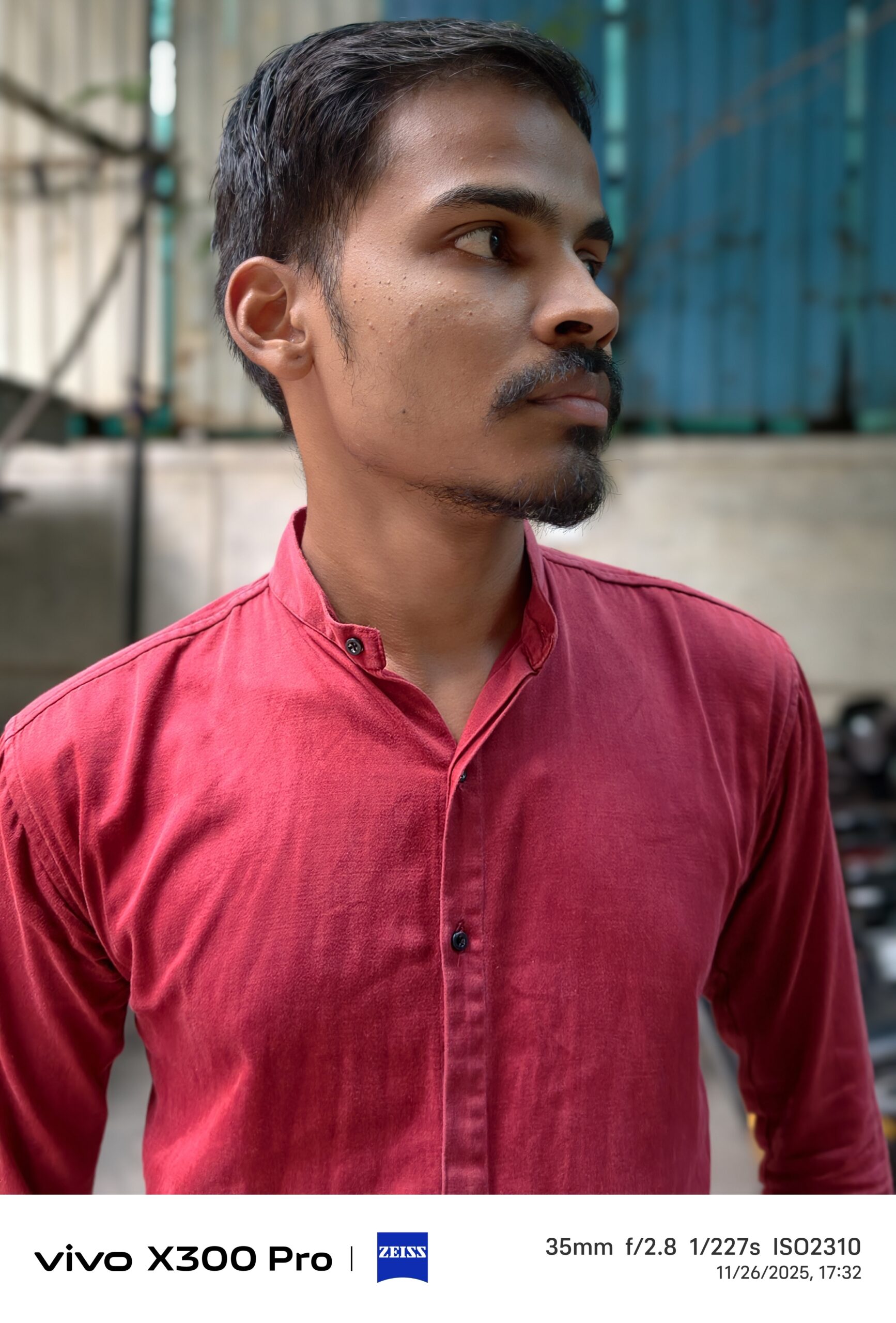
portait without flash 
portrait with flash
In terms of portraits, it gives you five options to shoot portraits. And the images are pretty decent. They display good colour range and sharpness, although there is visible skin smoothening in them. The edge detection is good and the bokeh performance is also great—the ZEISS signature. But in some cases we found the images to give a slightly soft look. In daylight the images are very sharp and detailed and there isn’t much to complain about.
One interesting thing about this flash is that it uses different distances while shooting in different lenses. For a telephoto it will throw further away while in the main it is closer. From the image stand point it lights up the pics better with fill light—but in terms of the output we think it could be better.
Macro
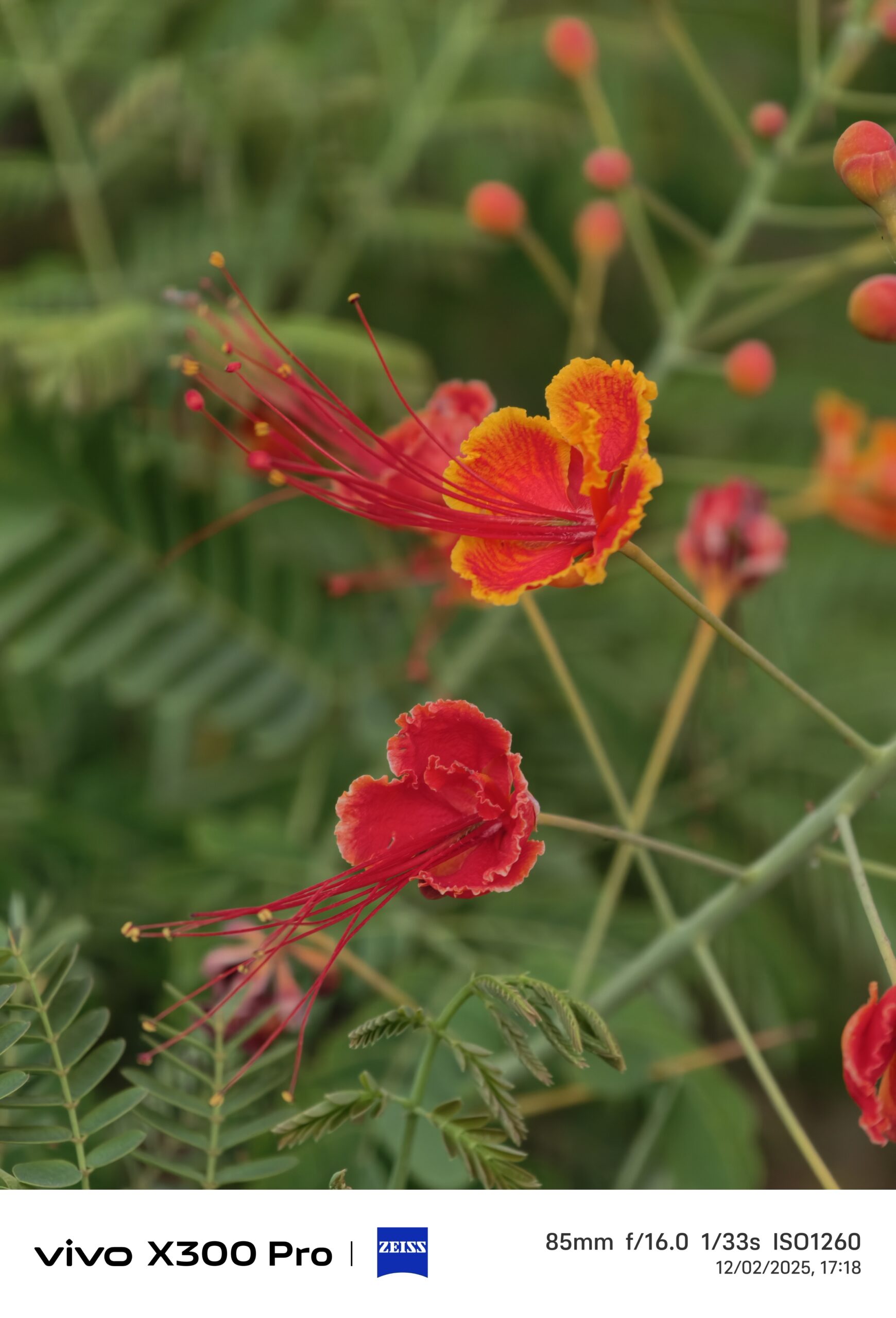
There is a super macro mode with reports suggesting the minimal focusing distance as 14 cm. The images from it are decent and can be used in most cases. But there is visible colour shifting in the image while shooting on wide/main and telephoto.
Front
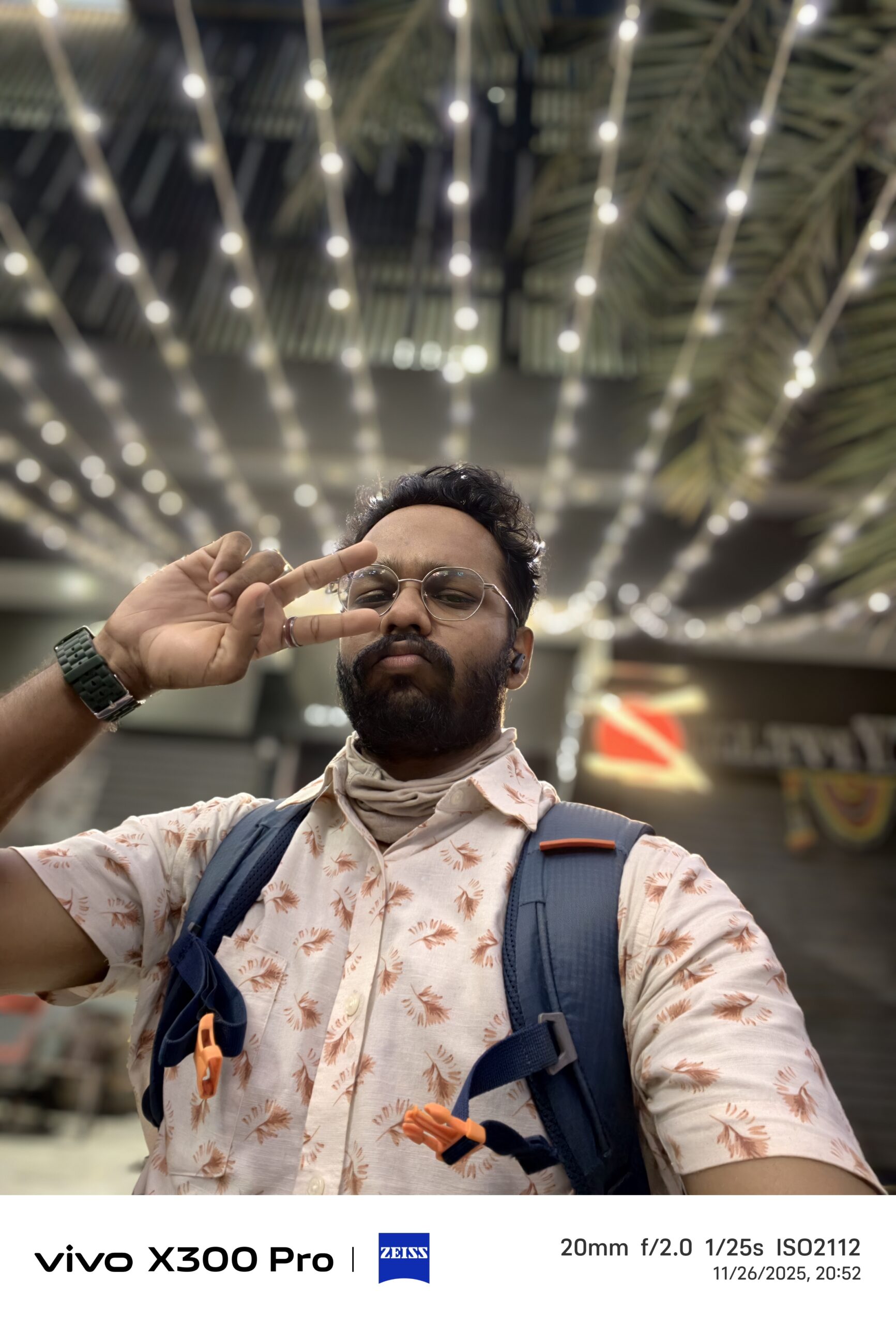
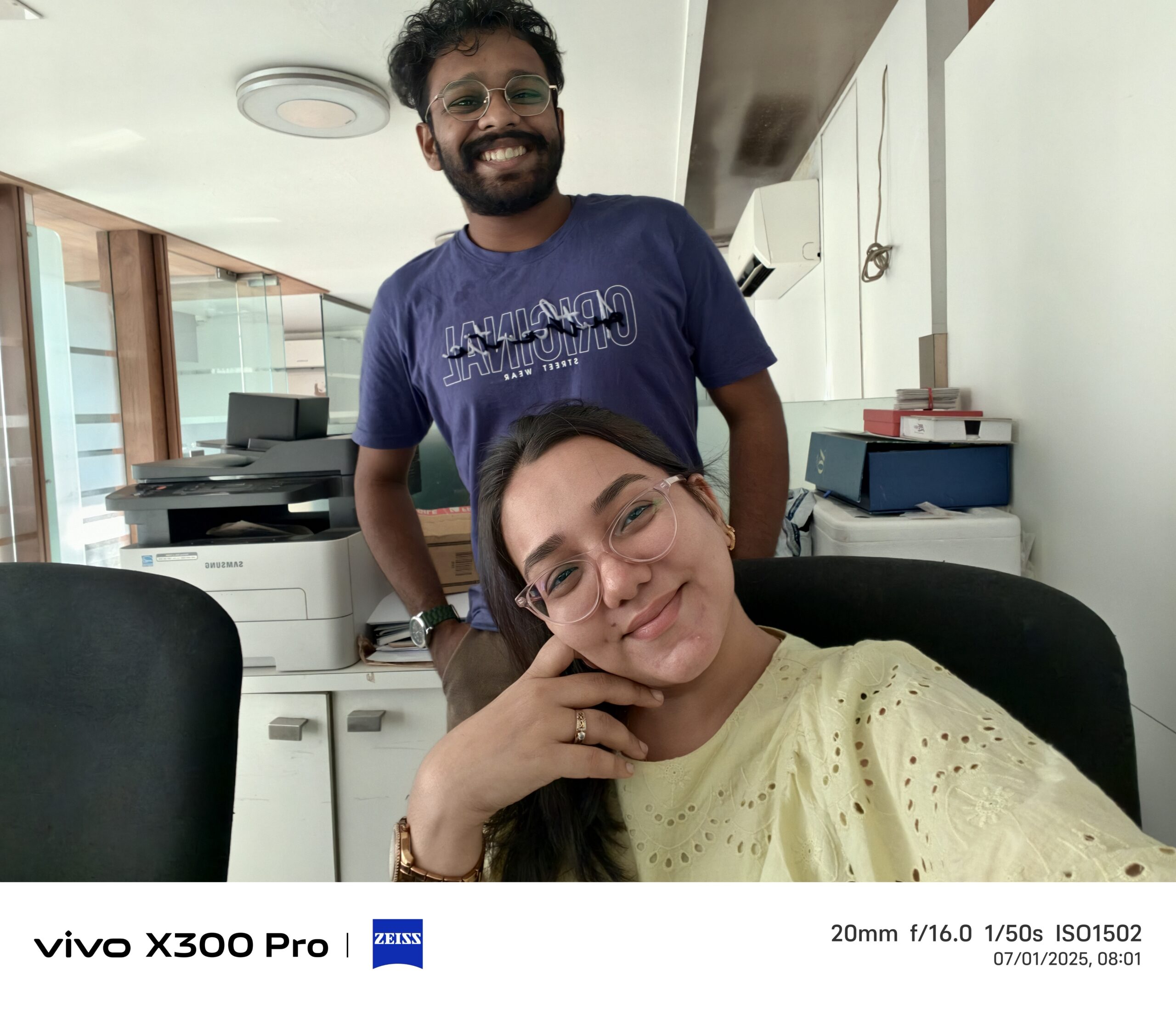
The front camera has been bumped up to a 50 MP camera as compared to the 32 MP from last year. This is now a 50 MP Samsung JN1 sensor—same as the rear wide camera. The image output is at 14.2MP and you can shoot at 0.8x, 1x and 2x.
Interestingly, the X300 Pro gives you an option to take selfies at 50 MP like the rear camera, which is a feature unseen in other phones. And the images from the phone are good. They are sharp and detailed, natural and pleasing to the eye. The bokeh performance is good—even in low light and the edge detection in portraits is also decent and the skin tonality and reproduction is also good. The phone does do slight skin smoothening even in the natural mode.
Front Video
The front camera can shoot videos at 4K at up to 60fps. The image quality from this is decent and natural, not straying away too much from the reality, which being a little bit vibrant and poppy. The portrait video feature adds to this by separating the subject from the background with good bokeh performance and edge detection as well.
Video
The vivo X300 Pro is capable of shooting at 8K at 30 fps, and also 4K at up to 120 fps. It also features LOG shooting with live video preview – which means you can preview the video normally, but the video recorded will be in the Log format—essentially giving you greater dynamic range while editing and to do your own colour grading. One thing to note is that Log video shooting isn’t available in 8K, which we don’t think is going to be a dealbreaker considering the number of people actually shooting in 8K are going to be very less.
Qualitywise, the videos are natural, vibrant, and very stable. There’s OIS in two out of three cameras, and more than that, when going from one focal length to another, there’s only a small shift in colours and tonality. However, going from 1x to 2x looks like a slight drop in image quality because the 2x lens is digital, at least in the preview and 2x to 3.5x feels like a huge jump up in image quality because we’re moving towards the excellent telephoto camera.
More than that, when you tap on the lenses, the shift isn’t immediate, the zoom eases in and out, making the overall feeling way smoother.
Image is well exposed with plenty of dynamic range for everyday videos, and if you need any more DR, then the Log feature gives you that option. Another feature to note is that there are “personalised styles” now available in the camera, like colour presets or shooting modes, but switching to them will restrict your shooting to 1080p at 30fps, which is not good if someone wants to explore these options.
Pro level options – the Vivo X300 Pro doesn’t only let you shoot different frame rates, resolutions and video formats (H.264 and H.265), but also allows you to change bitrates between Normal and High—which is essential if you want to retain image quality and sacrifice storage space or vice versa.
The autofocus is very similar to a mirrorless camera wherein it automatically now detects and tracks subjects, shifting focus from one subject to another effortlessly.
Things We Like
Display – The Vivo X300 Pro features a 6.7 inch 120Hz LTPO AMOLED display tuned to ZEISS master standard with 2000 nits of HBM brightness and 4500 nits of local peak brightness—plenty enough to shoot in broad daylight and supports HDR content viewing. You can also shoot HDR videos and photos with the phone—most of the photos we showed are shot in HDR by-default.
Battery and charging – this phone comes with a massive 6510 mAh battery, which was a trend we predicted back when we reviewed the OnePlus Nord 5. This is backed by the capability to charge at 90W wired and 40W wireless. In our testing, the phone could last over a day and a half in balanced mode, giving plenty of time for even power users to power through an entire day.
UI – The Vivo X300 Pro comes with the brand new Origin OS 6 preinstalled, the experience inside the operating system and the camera app is smooth. The app opens swiftly and without any hitches, the top-down menu feels refined and the OS gives you plenty of options to customise to your liking.
Things We Didn’t Like
Heating – After an extended shoot session, especially 4k videos, the screen was noticeably warm to the touch. Inside the camera menu there’s an option to extend the shooting duration, which is a nice touch, but during the day there’s a very real chance of overheating.
Conclusion
How do we find the cameras of Vivo X300 Pro? Well in one word they are GOOD. They shoot sharp and detailed images and the telephoto is surely impressive. Yes, few things can be better – like the aggressive processing, the colour shifting, but aspects like the good video performance, battery life and new UI – combined makes this a decent phone to buy.
The cameras surely do get a thumbs up from us and make it a worthwhile contender to be crowned as the best android flagship camera.