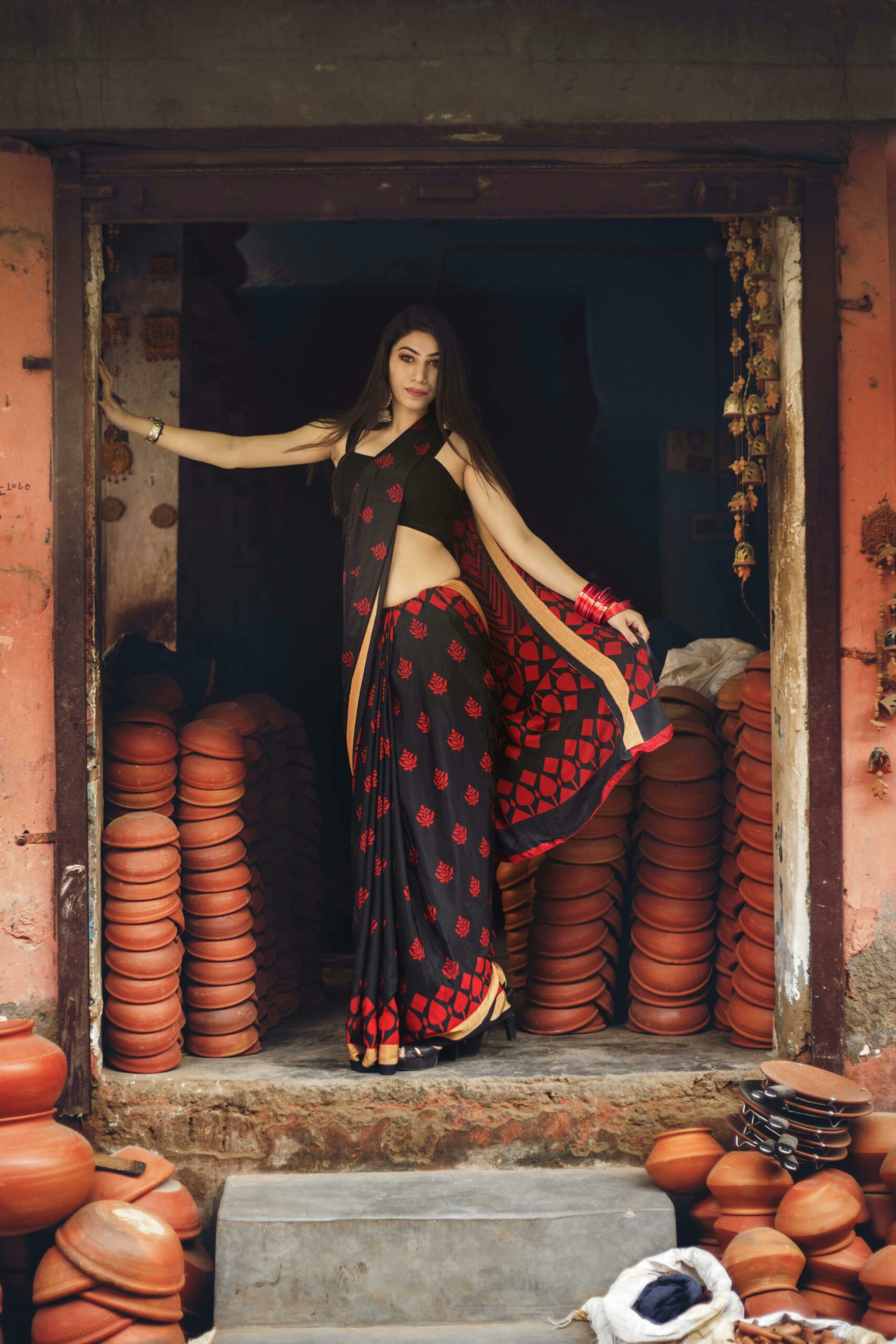
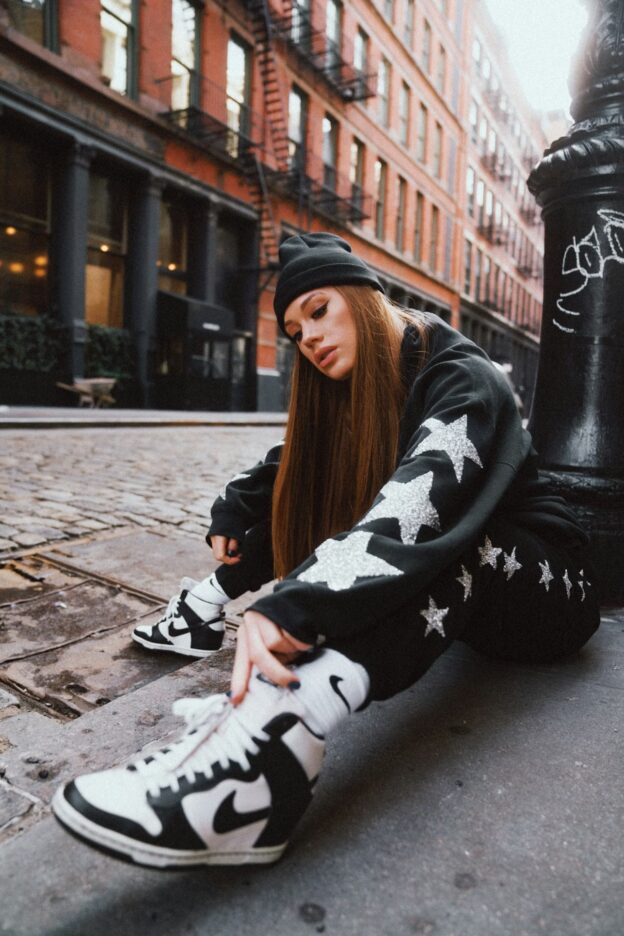
Street couture photography has taken over fashion culture in a way few trends have before. It blends high fashion with real world grit, turning sidewalks into runways and everyday people into style subjects. This shift did not happen overnight. It grew from a mix of social media influence, shifting brand priorities, and a global appetite for authenticity. What used to be a niche style is now a major force shaping how fashion is captured, consumed, and imagined.
Where It All Began
Traditional fashion photography once lived almost entirely inside studios or tightly controlled outdoor sets. Everything was directed. Lighting, poses, and styling followed a clear plan. Early street style photographers began to introduce a new kind of spontaneity. They focused on what people were actually wearing at fashion weeks or in creative neighborhoods. Their images felt unscripted, fast, and honest.
As social platforms grew, these images spread across the world in minutes. Audiences loved the raw energy and immediacy. They felt more connected to the people in the photos than to distant supermodels in curated campaigns. Brands noticed. What began as documentation of personal style became a visual language that designers and marketers wanted to tap into.
What Makes Street Couture Different
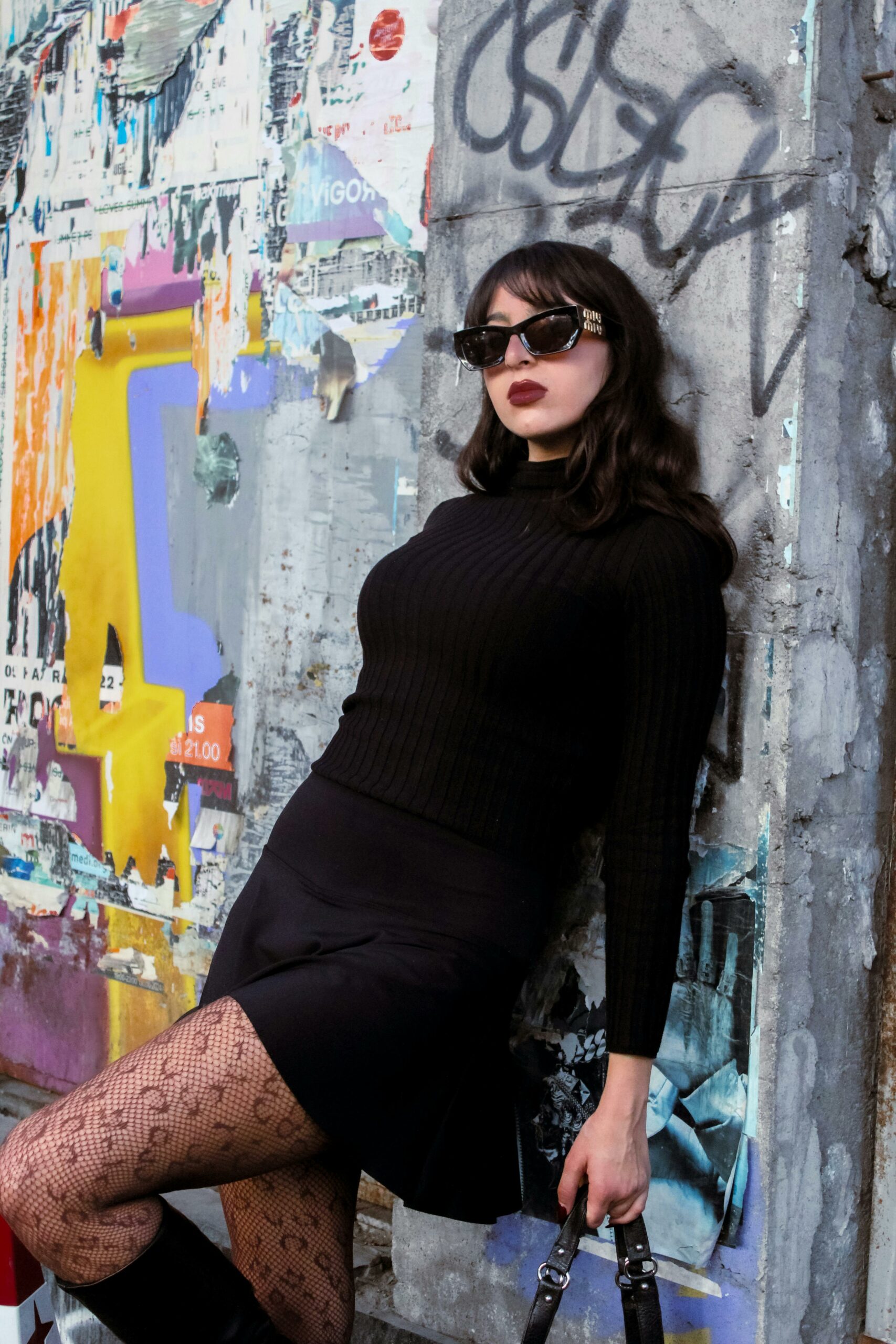
Street couture photography is not the same as simple street style. It pairs the freedom of real environments with the sophistication of high fashion. Think luxurious fabrics against worn brick, couture silhouettes moving through subway stations, or bold accessories contrasted with crowded city streets. It is the meeting point of polish and imperfection.
Several elements define the style. First, the environment becomes a character. Weathered textures, city noise, and unusual angles create tension and personality. Second, the models feel more human. Their expressions are often relaxed or mid movement. There is charm in the unpredictability. Third, the clothes are styled for impact but worn in ways that feel lived in. This blend makes the images resonate with audiences who crave fashion that feels both aspirational and reachable.
Why Audiences Connect With It
People respond to street couture photography because it feels alive. There is momentum in the frame. It captures the sense that fashion is part of everyday life, not something reserved for catwalks or glossy magazines.
This style also reflects cultural diversity. Photographers are not restricted to conventional beauty standards or typical fashion settings. They can cast unique talents, work in unconventional locations, and create stories that reflect their own communities. The result is imagery that feels inclusive.
Another factor is transparency. Audiences know the photos were not created in a bubble. They can see the world around the model. It signals honesty at a time when consumers are increasingly skeptical of overproduced campaigns.
The Role of Social Media
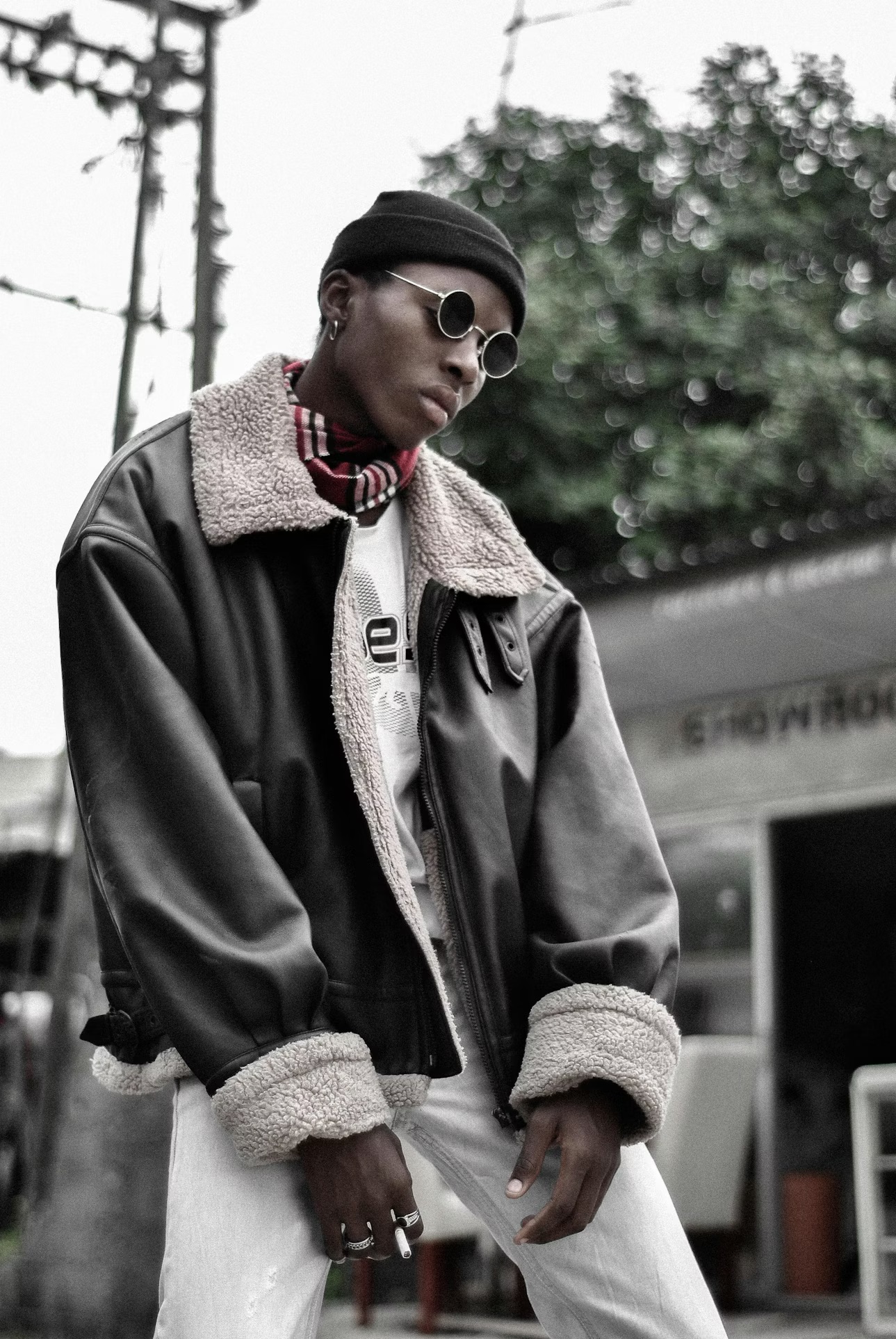
Street couture photography thrives on platforms like Instagram, TikTok, and Pinterest. These spaces reward content that feels candid and visually striking. A single image with strong composition and personality can spread quickly.
Short form video has added even more momentum. Behind the scenes clips, styling breakdowns, and location scouting videos build connection between photographers and viewers. They invite people into the process. This sense of shared experience fuels loyalty and engagement.
Social media also allows photographers to develop their own brands. They can show consistent aesthetics, attract new clients, and collaborate with stylists, models, and designers who share their vision. The ecosystem encourages experimentation. A fresh idea can go from concept to global visibility in a day.
How Brands Are Using the Style
Major fashion houses, streetwear labels, and emerging designers have embraced street couture photography. It aligns with a consumer base that values authenticity, individuality, and culture. Instead of staging elaborate studio sets, brands now commission photographers to shoot in markets, parks, rooftops, and residential streets.
Campaigns built around this approach suggest confidence and edge. They also highlight how clothes move in the real world. This is useful for brands aiming to connect with younger shoppers who care about practicality and personality.
Smaller labels gain even more from this style. It allows them to compete visually with bigger players without the cost of traditional production. A strong concept, a compelling model, and a vivid location can achieve a high impact look on a modest budget.
The Skills Behind the Lens
Street couture photography may look spontaneous, but it requires precision. Photographers must adapt to shifting light, unpredictable movement, and crowded environments. They often need quick reflexes and a strong sense of timing.
Composition plays a major role. Since backgrounds are uncontrolled, the photographer must frame the shot in ways that highlight the clothing while using the urban setting as texture instead of distraction. This balance is key.
Communication also matters. Models need direction that keeps them natural while maintaining the energy of the scene. Small changes in posture or movement can transform the shot.
Finally, editing ties everything together. The post processing approach tends to be bold yet grounded. Colours may be rich, shadows deep, and textures sharp. The goal is to amplify the contrast between luxury and street grit without losing authenticity.
Challenges in the Genre
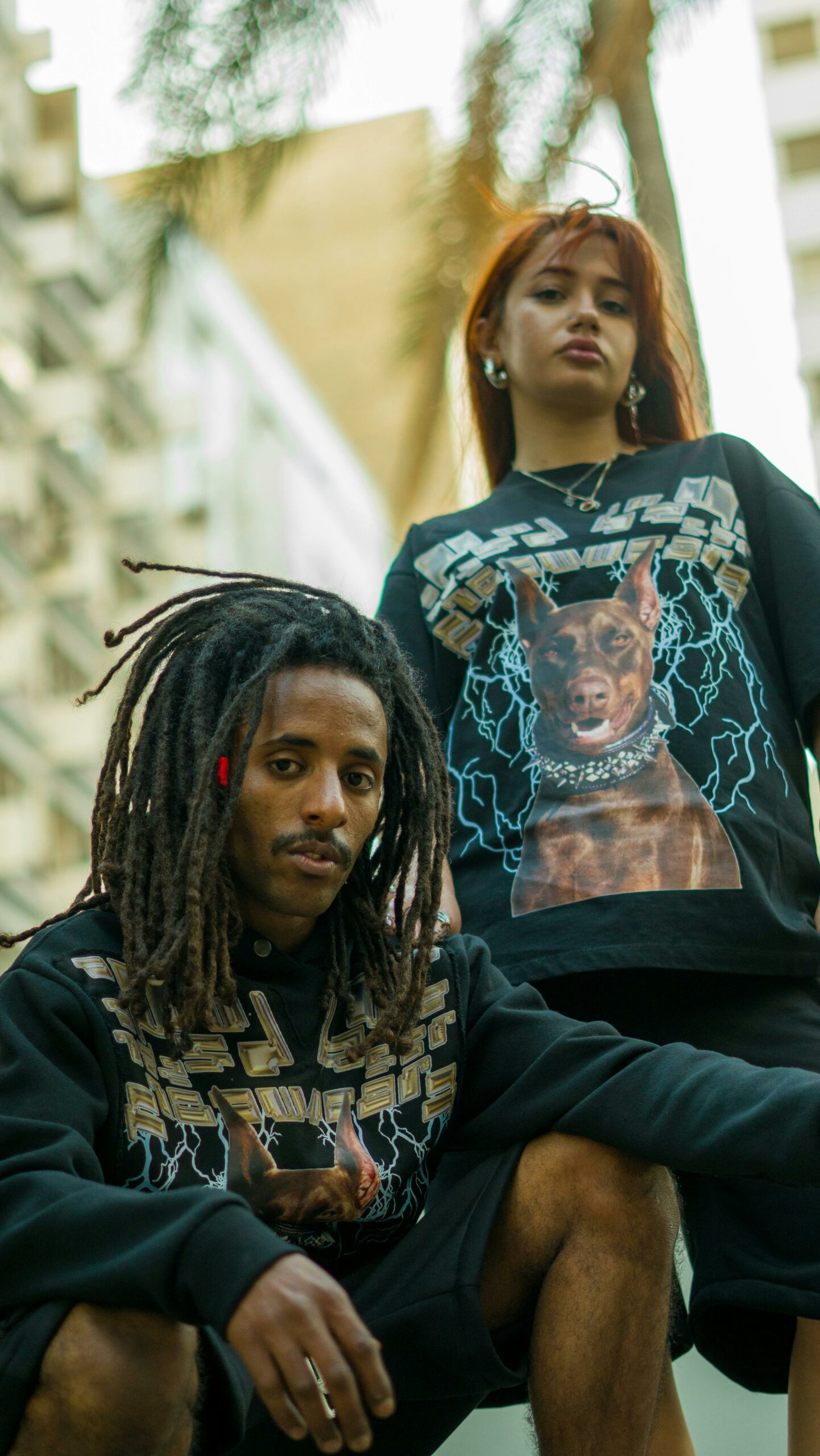
Street couture photography brings unique challenges. Busy locations can lead to interruptions. Lighting can shift quickly. Noise, weather, and crowds require patience and agility. Some cities have strict rules about shooting in public spaces. Permits may be required.
Models also need to feel comfortable working in public. Not everyone enjoys posing with strangers watching. Photographers must create a sense of ease, even in chaotic surroundings.
Despite these challenges, many photographers find the process rewarding. It offers creative freedom and the thrill of capturing something unplanned yet perfect.
Cultural Influence and Future Trends
Street couture photography has played a major role in redefining what fashion imagery can be. It helped blur the line between high fashion and everyday style. It encouraged designers to draw inspiration from youth culture, music scenes, and local communities. It also pushed photographers to think beyond traditional beauty.
The future of this style is likely to lean even more into hybrid formats. Expect more motion content, more experimental lighting techniques, and more collaborations with musicians, dancers, and performance artists. As cities evolve, new environments will emerge as backdrops. Abandoned industrial sites, modern transit hubs, and community spaces may become key stages for visual storytelling.
Technology will shape the next phase as well. Compact cameras, powerful mobile devices, and AI assisted workflows will give photographers more tools to create fast and refine efficiently. Yet the core appeal of the genre will remain the same. People love images that feel honest, confident, and deeply connected to real life.
Ready to Meet the Street?
The rise of street couture photography reflects a cultural shift toward authenticity, individuality, and movement. It captures fashion in its most relatable form. It respects the chaos of everyday environments and uses that energy to elevate style. For photographers, it opens creative pathways. For brands, it offers a modern way to reach audiences. For viewers, it delivers images that feel alive.
Street couture photography is not just a trend. It is a new chapter in fashion imagery, shaped by real streets, real stories, and a global community eager for creativity that feels close to home.