Tag Archives: creative direction

How Cinematic Lighting is Transforming Fashion Shoots

Fashion imagery has always evolved alongside technology and cultural taste. In recent years, one shift has changed the visual language of the industry more than almost anything else. Cinematic lighting has moved from film sets into fashion studios, giving photographers new ways to build mood, shape stories, and create emotional impact. What was once a niche technique used by a handful of experimental artists is now a defining part of modern fashion work. The change is not just aesthetic. It reflects a broader shift in how brands want to communicate and how audiences consume images.

Why Cinematic Lighting Matters
Cinematic lighting is grounded in principles used for decades in film. It guides the viewer’s eye, controls tension, and expresses subtext. In fashion photography, it does something similar. It adds atmosphere and depth. It creates a sense of narrative. It turns a simple pose into a moment that feels part of a larger world.

Traditional fashion lighting often aimed for clarity and polish. Everything was evenly lit. Shadows were controlled. The goal was precision. Cinematic lighting takes a different approach. It uses darkness, contrast, and directional light to add emotion. Instead of showing the clothes in a strict technical way, it shows them in a setting that feels alive. This shift appeals to audiences who want images that stir something, not just document a garment.

The Influence of Film Culture

Film and fashion have always shared ideas, but the connection is stronger today. Streaming platforms have changed viewing habits. People spend more time immersed in visually rich series and films. They get used to dramatic lighting, slow building mood, and expressive shadows. When they see fashion images that echo this style, the work feels familiar and modern.

Brands are aware of this. They want campaigns that feel like stills from a movie. They want a cinematic identity that sets them apart. This is especially true for luxury houses. Cinematic lighting suggests craft and depth. It signals that the brand cares about storytelling, not just promotion.

Key Techniques Behind the Look

Cinematic lighting can take many forms, but a few techniques appear again and again in fashion shoots.
Low key lighting. This style uses strong shadows and limited light to create mystery and intimacy. It adds drama without feeling forced. The viewer pays closer attention because the frame invites curiosity.

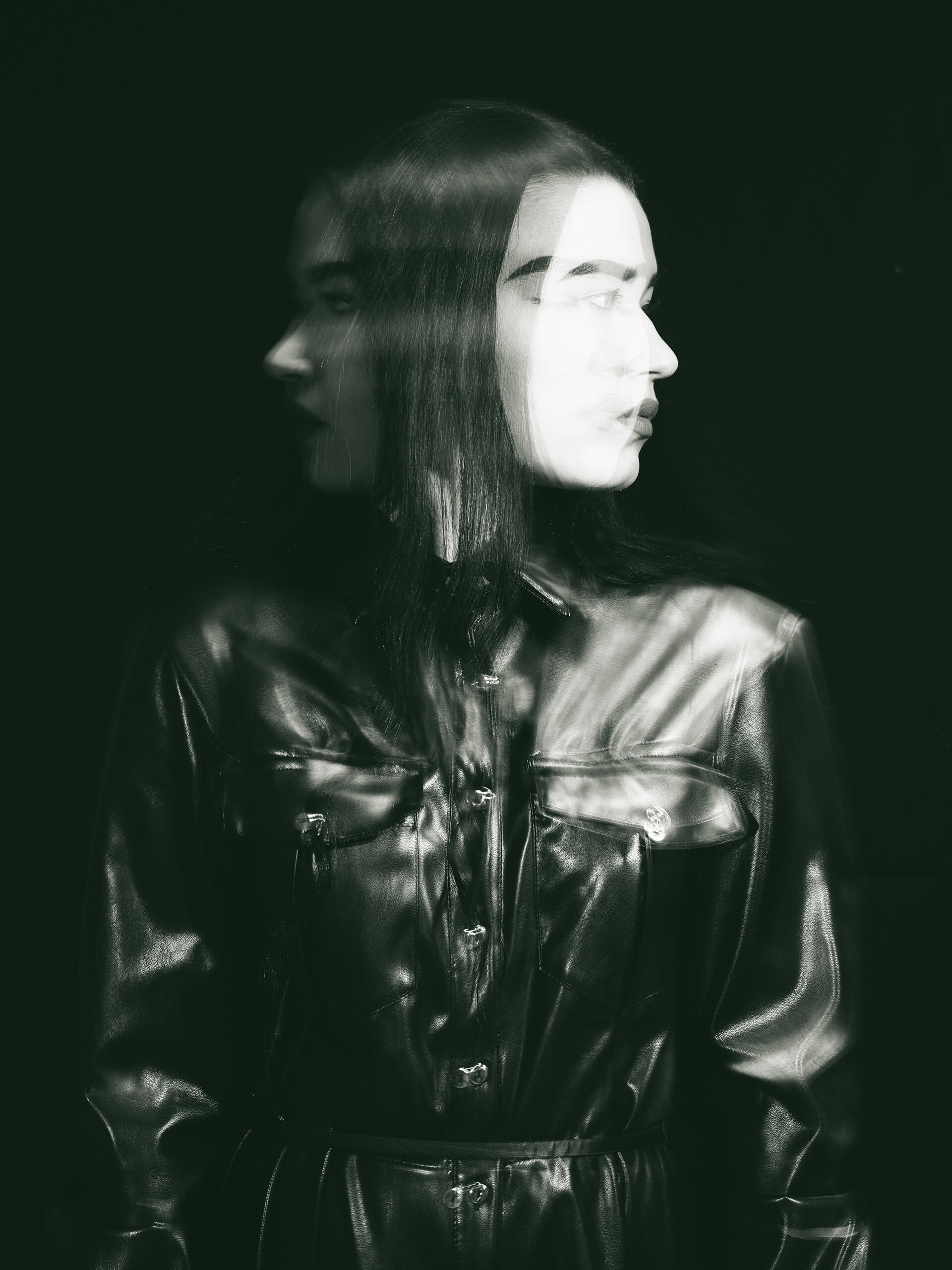
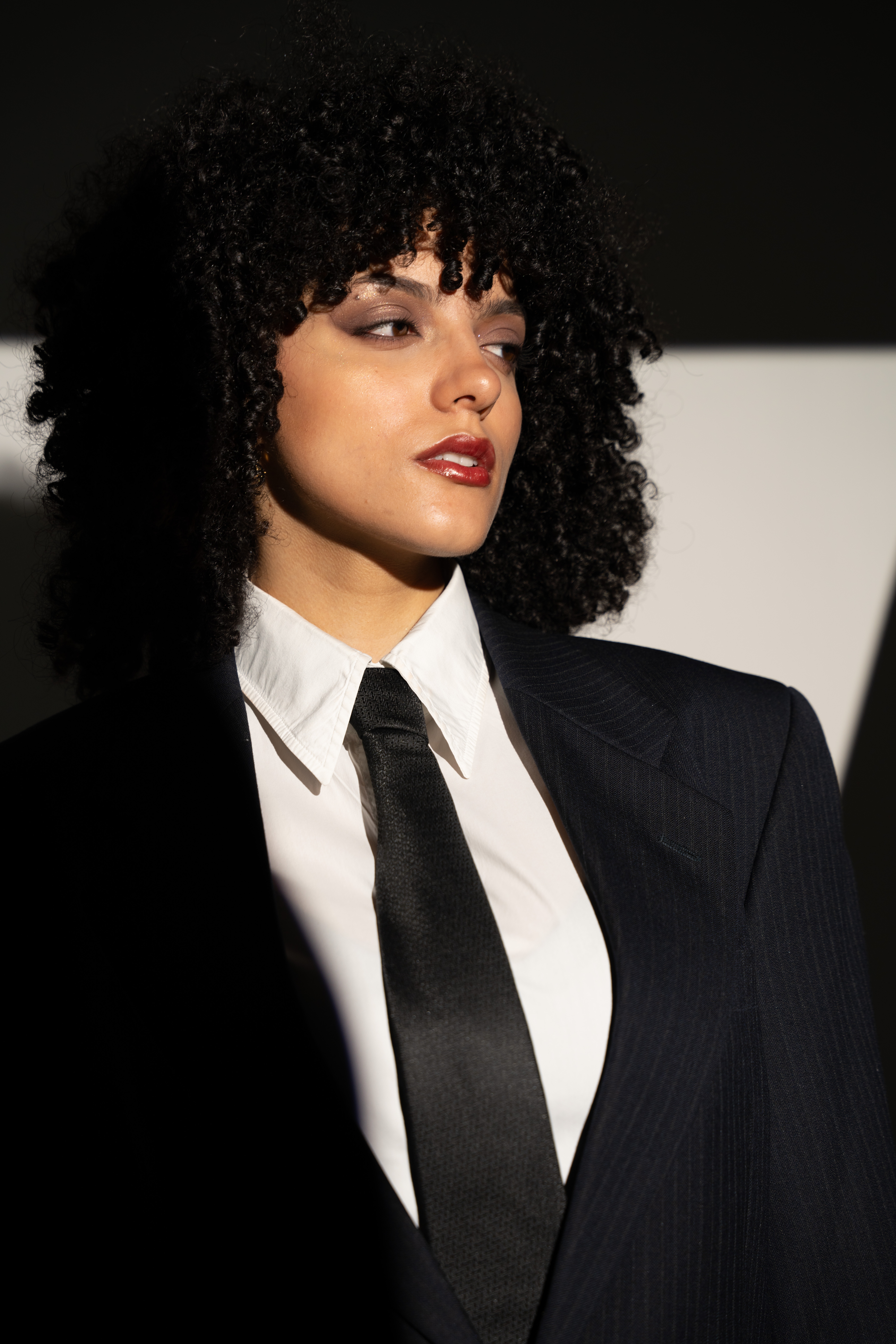
Hard directional light: Sharp angles create bold shapes on the model and clothing. This technique can add an edgy or futuristic tone. It also emphasises texture, which helps when shooting pieces like leather, sequins, or structured tailoring.

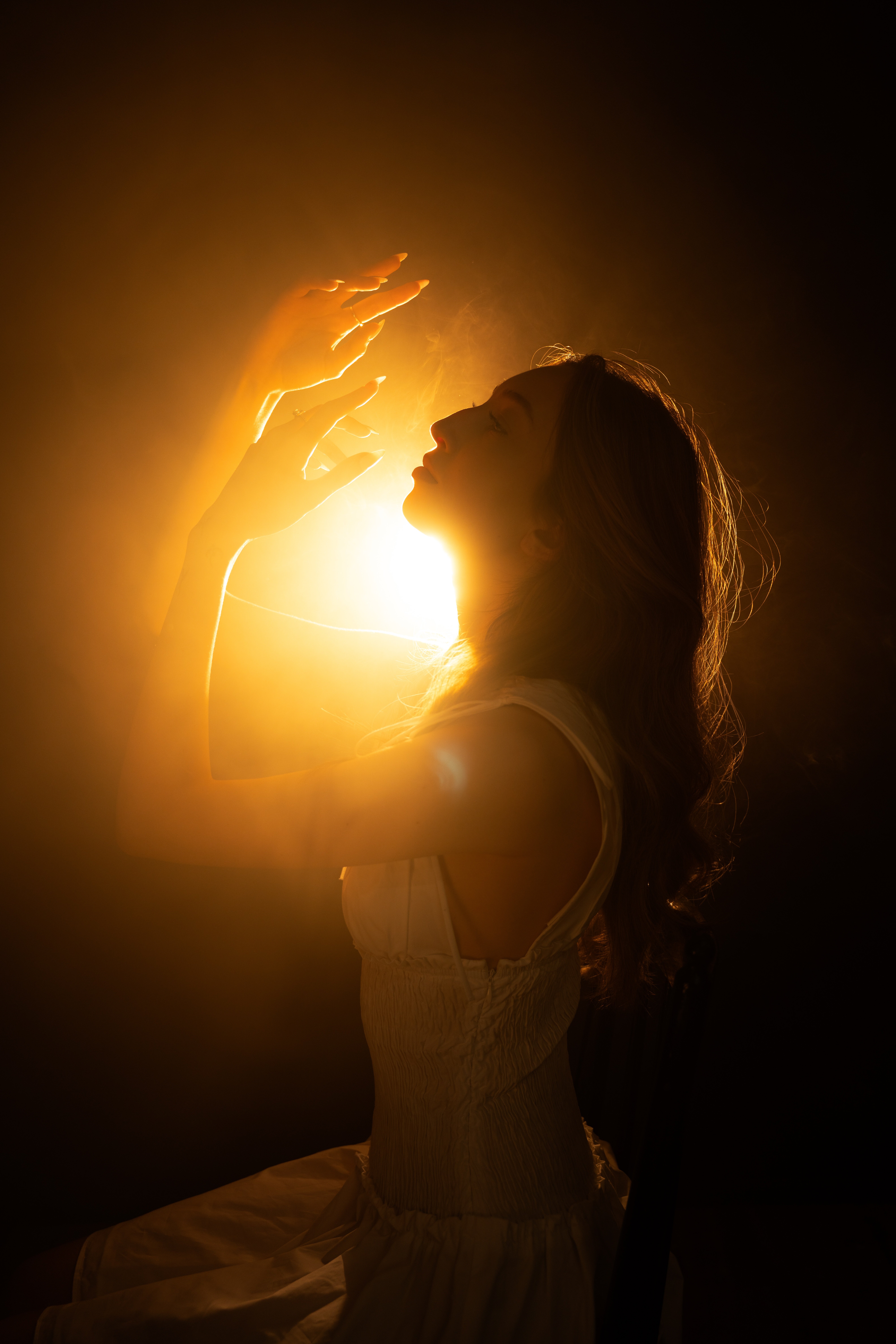
Backlighting: When the light comes from behind the subject, it creates a glow or halo effect. This adds separation from the background and gives the frame a sense of depth. Backlight can make fabrics look luminous and fluid.

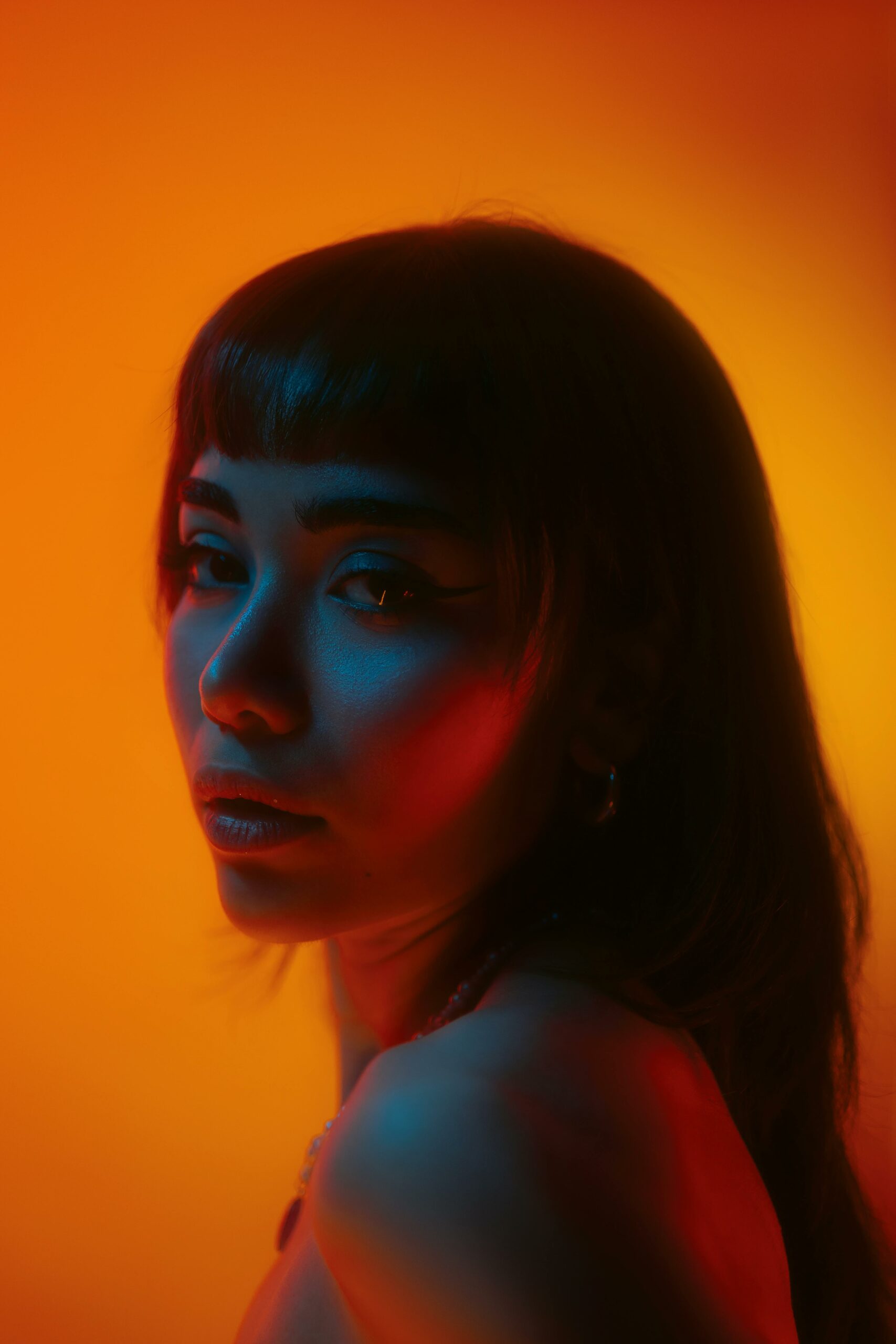
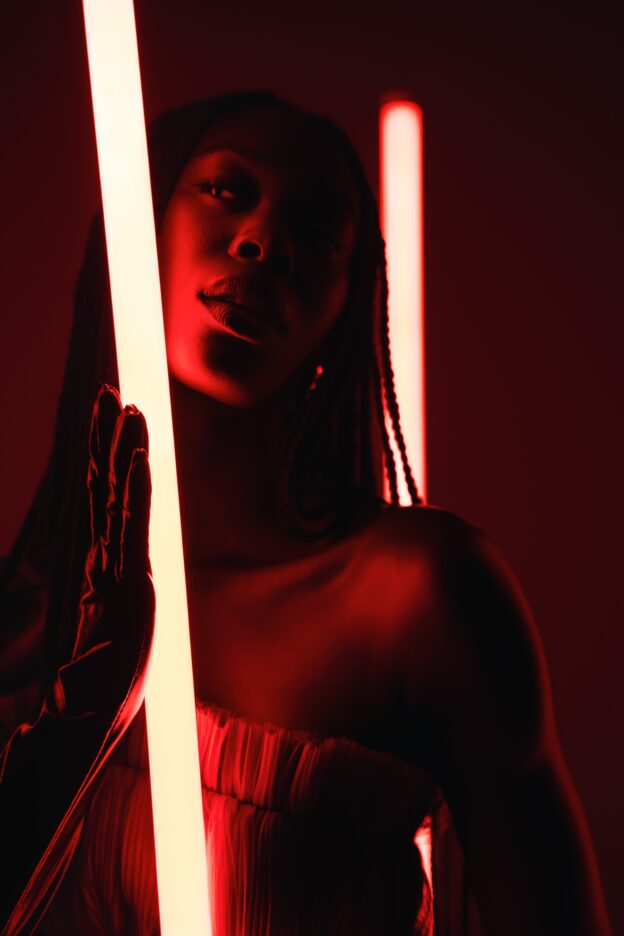
Coloured gels: Warm or cool tones change the emotional temperature of a shot. Deep red suggests intensity. Blue feels calm or surreal. Amber adds nostalgia. Colour is a storytelling tool that turns a simple scene into a mood piece.

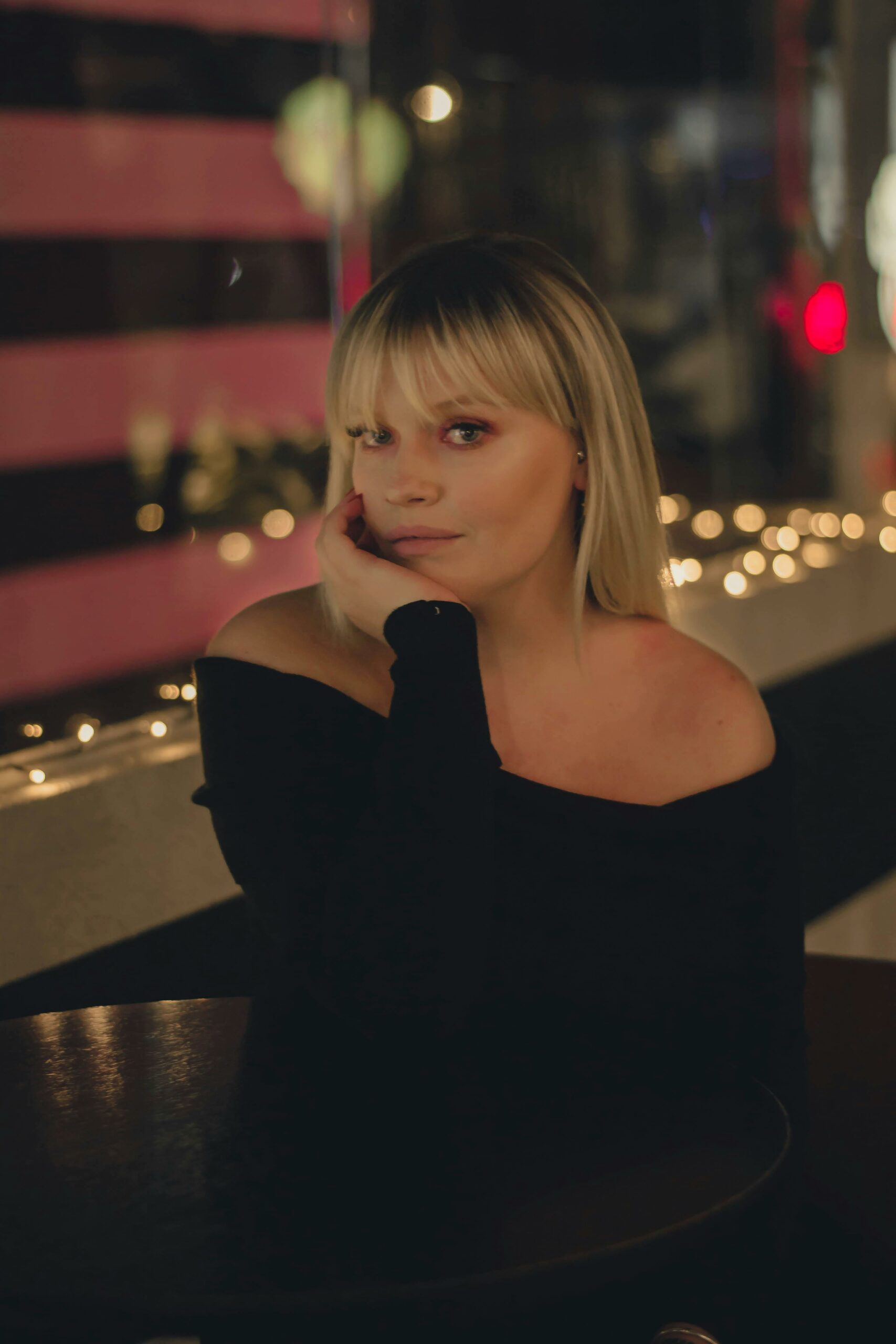
Practical lights: These are light sources that appear inside the frame. Neon signs, desk lamps, fluorescent tubes, city lights. Practical lights make the scene feel grounded in a real environment. They also give the photographer a natural reason to shape the shadows in interesting ways.

How Cinematic Lighting helps Tell Stories

Fashion has moved closer to narrative driven imagery. Brands want campaigns that feel like chapters of a larger tale. Cinematic lighting supports this movement by giving photographers the ability to build emotion before the viewer even studies the clothes.

A soft beam of morning light suggests hope or calm. A sharp spotlight creates intensity or performance. A dim environment with glowing highlights feels secretive or romantic. These cues guide the audience’s reading of the image.

This storytelling approach benefits fashion brands in two ways. First, it helps the images stand out in crowded digital spaces. Second, it strengthens the brand’s identity. If every campaign shares a consistent cinematic mood, it becomes part of the brand’s visual DNA.

The Role of Technology
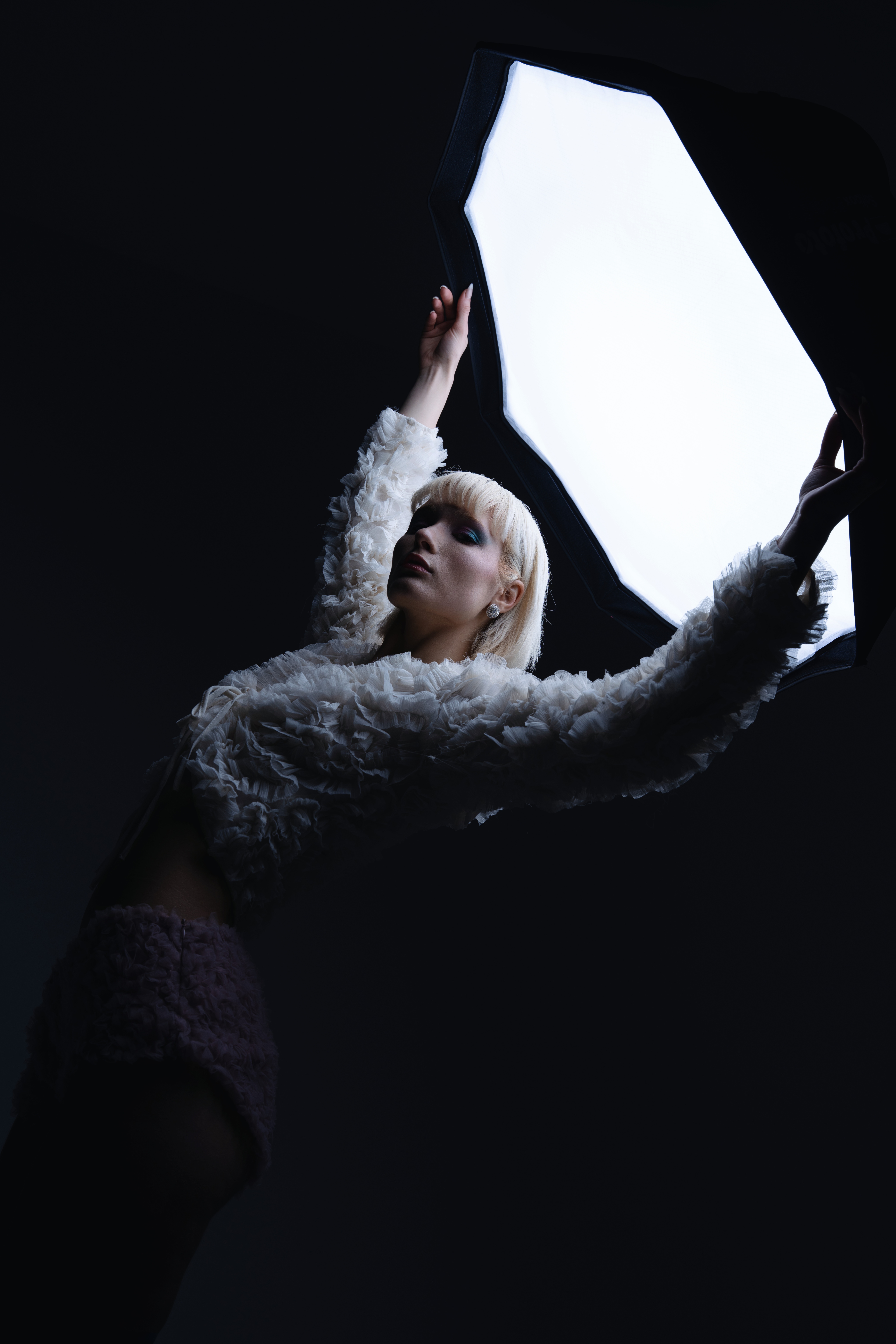
New tools are making cinematic lighting easier to control. LED panels have replaced older, hotter, bulkier lights. They allow quick colour changes and precise dimming. They can mimic sunlight, candlelight, or even reflections from screens. This flexibility saves time on set and opens possibilities that were once limited to film crews with large budgets.

Continuous lighting is also reshaping how photographers work. It allows them to see the final mood as they shoot, similar to how cinematographers operate. This real time feedback encourages experimentation. Instead of waiting to review flash exposures, photographers can adjust instantly.

Modern cameras support this evolution as well. Better dynamic range makes it possible to retain detail in deep shadows and bright highlights. Photographers can push contrast without losing quality. This encourages bolder lighting choices.

Collaboration with Film Professionals

As cinematic styles grow in popularity, fashion teams often bring in talent from the film world. Gaffers, cinematographers, and lighting technicians collaborate with photographers to create complex setups that feel sculpted rather than staged.

This cross discipline approach expands what is possible. Film lighting experts understand how to use practical lights, reflectors, and modifiers to create subtle transitions between bright and dark areas. They know how to mimic natural sunlight in a studio or build a night scene at noon. The collaboration raises the quality of the final images and strengthens the storytelling.

The Challenges of the Style
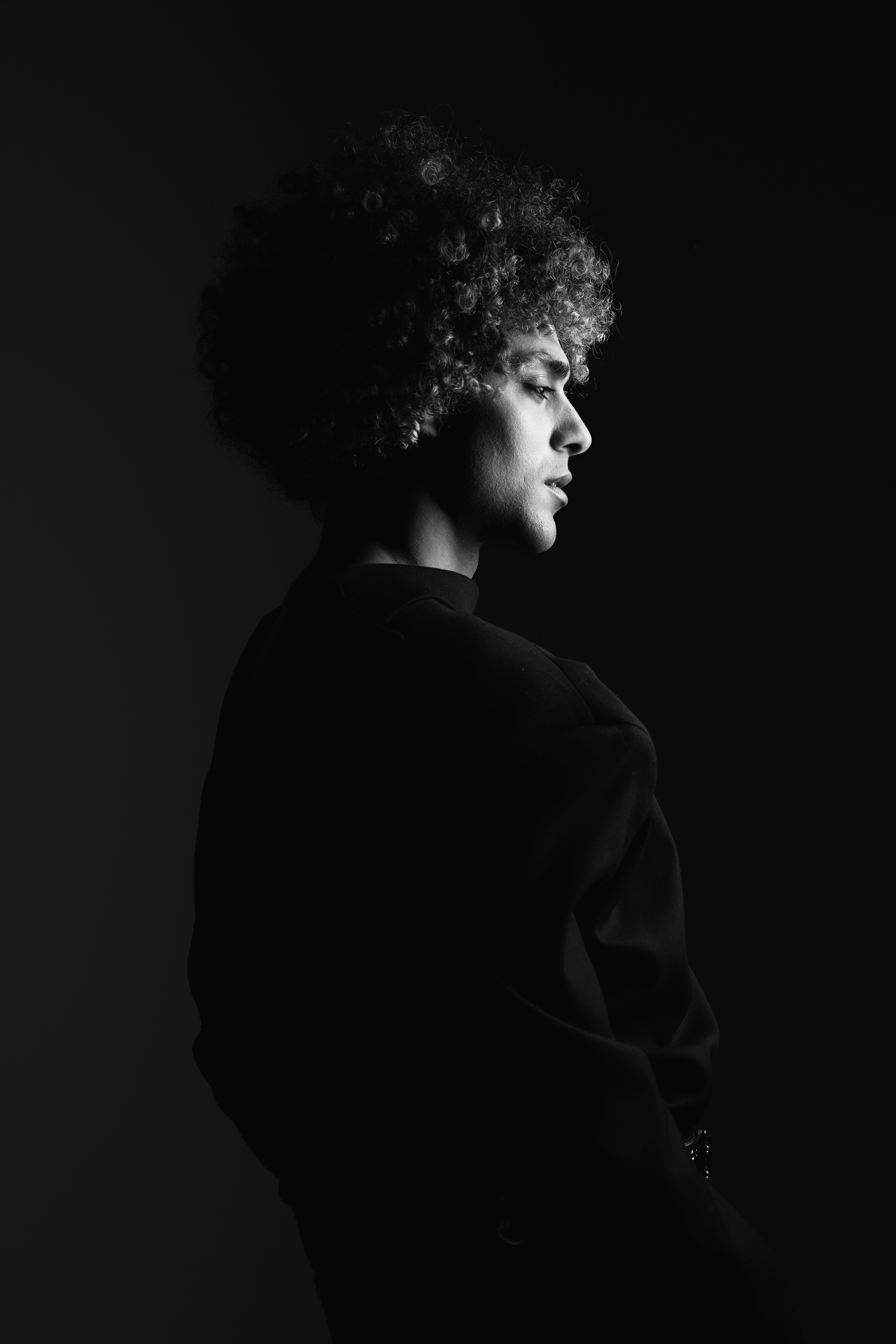
Cinematic lighting is powerful but demanding. It requires careful planning, patience, and a willingness to embrace unpredictability. Shadows can hide details that clients expect to see. Strong contrast can complicate retouching. Bright coloured gels may distort the true colour of the garments. Photographers must balance mood with clarity.

There is also the risk of overuse. Cinematic lighting can lose its impact if every frame relies on the same tricks. The best photographers use it strategically. They consider the clothing, the location, the model, and the message. They choose lighting that elevates the concept rather than overpowering it.

Why This Shift Is Here to Stay

Cinematic lighting speaks to a cultural shift toward emotional storytelling. People want images that feel like they belong in a narrative, not just in an advertisement. They want mood, intention, and atmosphere.

Fashion brands want to connect in more meaningful ways. Cinematic lighting gives them a visual language that feels sophisticated and modern. It works across stills and video, which is essential for campaigns that span multiple platforms.

As technology continues to expand, the tools will only get better. More control, more nuance, more creative freedom. The combination of artistic ambition and technical possibility ensures that cinematic lighting will remain a major force in fashion shoots for years to come.

Lights, Camera And…

Cinematic lighting has transformed fashion photography by bringing depth, emotion, and narrative power to the frame. It shifts the focus from simple product display to immersive visual storytelling. It blends the artistry of film with the creativity of fashion. Photographers gain a richer toolkit. Brands gain a stronger voice. Audiences gain images that feel memorable.

This evolution shows that fashion imagery is no longer just about showing clothes. It is about building worlds and letting viewers step inside them.
How Gen Z Is Redefining Fashion Photography Trends

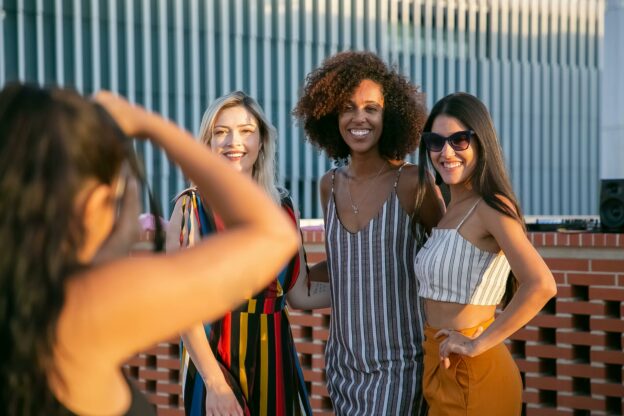
Gen Z grew up in a digital world that moves fast, speaks visually, and rewards individuality. Their influence on fashion photography is not subtle. It is reshaping how images are made, how stories are told, and how brands communicate. What once followed rigid rules now feels fluid, candid, and personality driven. The shift is cultural as much as aesthetic. Gen Z wants honesty, creativity, and connection, and their expectations have pushed fashion photographers to rethink the craft from the ground up.

A Break from Gloss and Perfection

For decades, fashion photography leaned toward polished surfaces. Retouching was heavy. The lighting was flawless. Models looked almost otherworldly. Gen Z does not respond to that ideal. They grew up seeing unfiltered posts, real faces, and chaotic timelines. For them, perfection is not the goal. Relatability is.

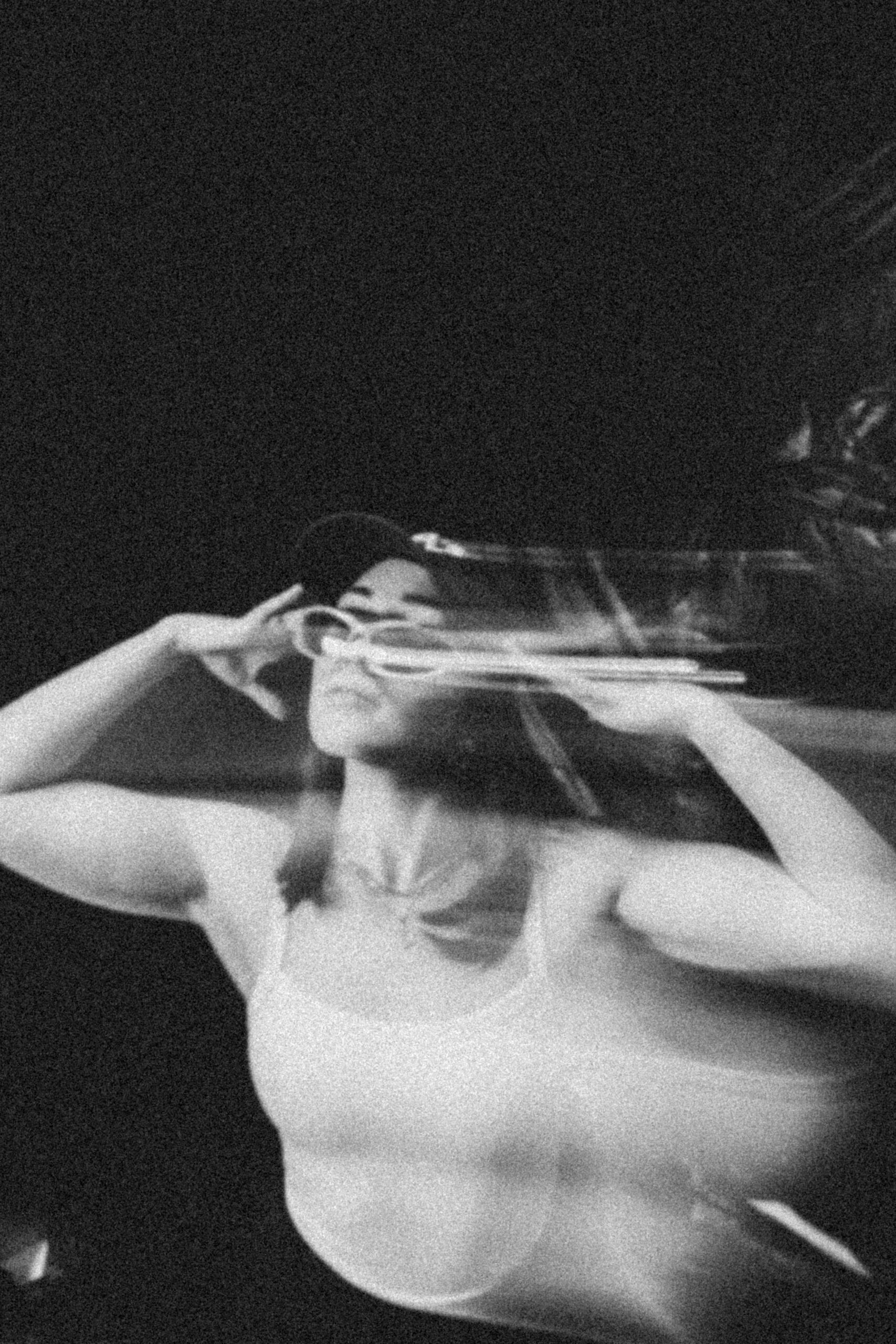
This preference has changed the industry. Many brands now commission campaigns that feel raw and loose. Photographers shoot with natural light, minimal retouching, and an emphasis on character rather than flawlessness. Grain, blur, and texture are no longer mistakes. They are intentional ways to signal authenticity.

Gen Z wants images that feel lived in. The result is a more grounded visual language where the viewer feels close to the moment rather than outside of it.

The Rise of Personal Aesthetic

Older generations often followed trend cycles set by runways and magazines. Gen Z follows personal taste instead. They curate identities from thrift stores, subcultures, nostalgia, and online communities. This mix of influences shapes how they approach photography.

Gen Z photographers are not afraid to blend styles. They might combine Y2K colour palettes with 70s film aesthetics and 90s rave visuals. They borrow freely and confidently. The outcome is an eclectic approach where individuality matters more than tradition.

Because of this, the fashion world now embraces a wider range of creative voices. New photographers no longer feel pressured to mimic established professionals. They can build entire careers on distinct aesthetics that reflect their personality. Brands see value in that uniqueness and increasingly hire photographers who bring a strong signature look rather than a conventional one.

Digital First Storytelling

Gen Z consumes most of their fashion content on phones. This changes everything. Vertical formats, looping videos, quick cuts, and interactive elements push photographers to think about how their images will be experienced rather than just how they look.

Fashion photography is no longer only about the final still. It is about the surrounding ecosystem. Behind the scenes clips, short interviews, studio process videos, and dynamic transitions all contribute to the storytelling. Gen Z wants to feel like they are part of the creative process. They look for transparency and personality behind the shots.

Because of this, photographers now plan shoots with multiple formats in mind. A strong campaign includes stills, motion, and social specific content. The set becomes a playground where spontaneous moments can be just as valuable as planned shots.

Low Budget Creativity Takes Center Stage

Gen Z is resourceful. Many started photographing with phones or inexpensive cameras. They learned to work with limited tools and solve problems creatively. That mindset continues even as they enter the professional world.

This has created a shift toward low budget ingenuity. Photographers use found objects for props, thrifted outfits for styling, and natural locations instead of high cost studio builds. They rely on creativity to elevate simple setups. This approach resonates with audiences who see beauty in innovation rather than luxury.

Brands have taken note. Many campaigns now lean into a DIY feel because it aligns with Gen Z values. The work feels accessible, clever, and real. The emphasis is on the idea rather than the budget.

Diversity as a Standard, Not a Statement

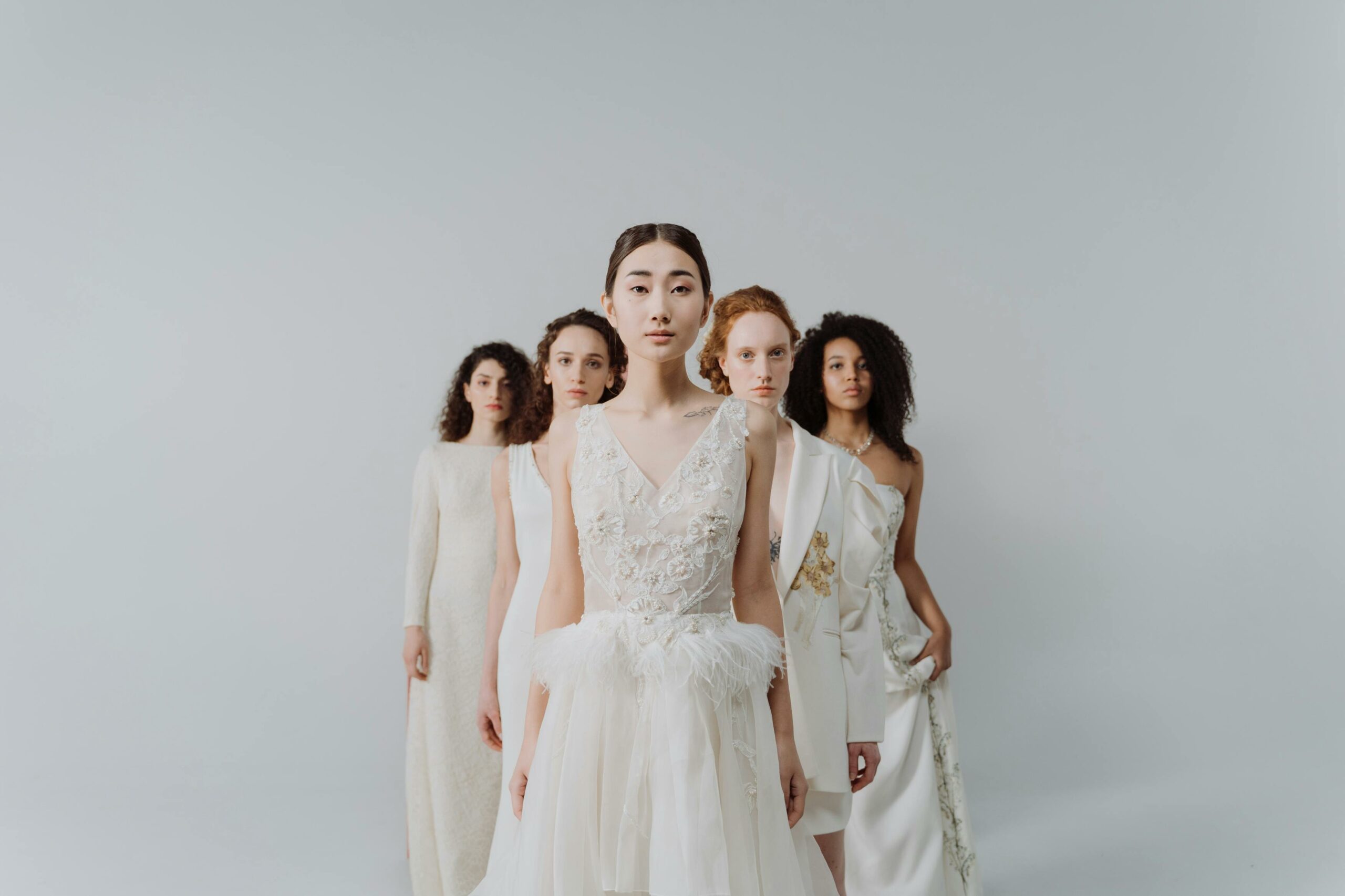
One of the most meaningful changes Gen Z brings to fashion photography is a commitment to representation. Diversity is not a trend for them. It is a baseline expectation. They want to see people of all skin tones, genders, body types, and identities featured with respect and visibility.

This shift affects casting, styling, lighting, and narrative choices. Photographers are pushed to understand how to work with different skin tones, how to make space for varied expressions of identity, and how to avoid tokenism. Gen Z calls out inauthentic representation quickly, so brands must practice true inclusion rather than surface level gestures.

The result is a broader, richer visual world. Fashion photography now reflects a wider spectrum of humanity, which makes the work feel more honest and modern.

Nostalgia Meets Modern Technology

Gen Z has a deep love for the past. Film cameras, point and shoot devices, vintage lenses, and early digital cameras all hold appeal. They enjoy the imperfections that come with these tools and the emotional texture that digital precision sometimes lacks.

At the same time, Gen Z is highly adept with technology. They edit on phones, use mobile apps for colour grading, and experiment with digital overlays. They mix analogue and digital techniques without hesitation.

This hybrid approach creates images that feel timeless yet modern. A single photo might have film grain, soft focus, and a colour palette inspired by early 2000s pop culture while still being shot on a mirrorless camera and graded with advanced software. This blend defines much of Gen Z visual culture.

Breaking Traditional Rules

Gen Z does not follow the classic rulebook of photography. They shoot in harsh sunlight. They tilt the camera at odd angles. They crop aggressively. They embrace lens flare, motion blur, and mixing colour temperatures. Old rules like “never shoot against the light” hold no weight.

This rebellion creates a sense of freedom. The focus shifts from technical perfection to emotional resonance. What matters is whether the image feels interesting or alive. The rule breaking mindset invites experimentation, and that energy now shapes mainstream fashion photography.

The Social Influence Loop

Gen Z not only consumes images, but also creates them constantly. They document daily life, share outfits, film short clips, and experiment with edits. This constant production loop means they have a strong visual instinct even without formal training.

The line between influencer content and professional fashion photography is thinner than ever. Brands sometimes hire creators whose personal style carries more cultural weight than a large agency. Photographers must adapt to this new landscape where creators, stylists, models, and audiences all shape trends together.

Gen Z expects collaboration. They value shared creative ownership. This collective spirit influences how shoots are planned and executed.

Sustainability and Ethical Awareness

Gen Z cares about environmental and ethical issues. This influences everything from styling choices to production approaches. Photographers are encouraged to use sustainable materials, support ethical brands, and avoid wasteful sets.

The visuals themselves often echo this mindset. Natural settings, reusable props, and simple styling choices show respect for the environment. The emphasis is on conscious creativity rather than excess.

Bottom Line: The Generational Shift

Gen Z is redefining fashion photography by valuing authenticity, individuality, diversity, and creativity over polish and tradition. They merge past and present. They embrace digital and analogue. They bring strong ethics, fast paced storytelling, and a willingness to break rules. The result is a vibrant, experimental, and human centered approach to fashion imagery.

This shift is not temporary. It reflects a larger cultural move toward openness and self expression. As Gen Z continues to enter the industry in greater numbers, their vision will shape fashion photography for years to come. The future looks bold, honest, and wonderfully unpredictable.