Tag Archives: Creative Photography

The Rise of Street Couture Photography

Street couture photography has taken over fashion culture in a way few trends have before. It blends high fashion with real world grit, turning sidewalks into runways and everyday people into style subjects. This shift did not happen overnight. It grew from a mix of social media influence, shifting brand priorities, and a global appetite for authenticity. What used to be a niche style is now a major force shaping how fashion is captured, consumed, and imagined.

Where It All Began
Traditional fashion photography once lived almost entirely inside studios or tightly controlled outdoor sets. Everything was directed. Lighting, poses, and styling followed a clear plan. Early street style photographers began to introduce a new kind of spontaneity. They focused on what people were actually wearing at fashion weeks or in creative neighborhoods. Their images felt unscripted, fast, and honest.

As social platforms grew, these images spread across the world in minutes. Audiences loved the raw energy and immediacy. They felt more connected to the people in the photos than to distant supermodels in curated campaigns. Brands noticed. What began as documentation of personal style became a visual language that designers and marketers wanted to tap into.

What Makes Street Couture Different

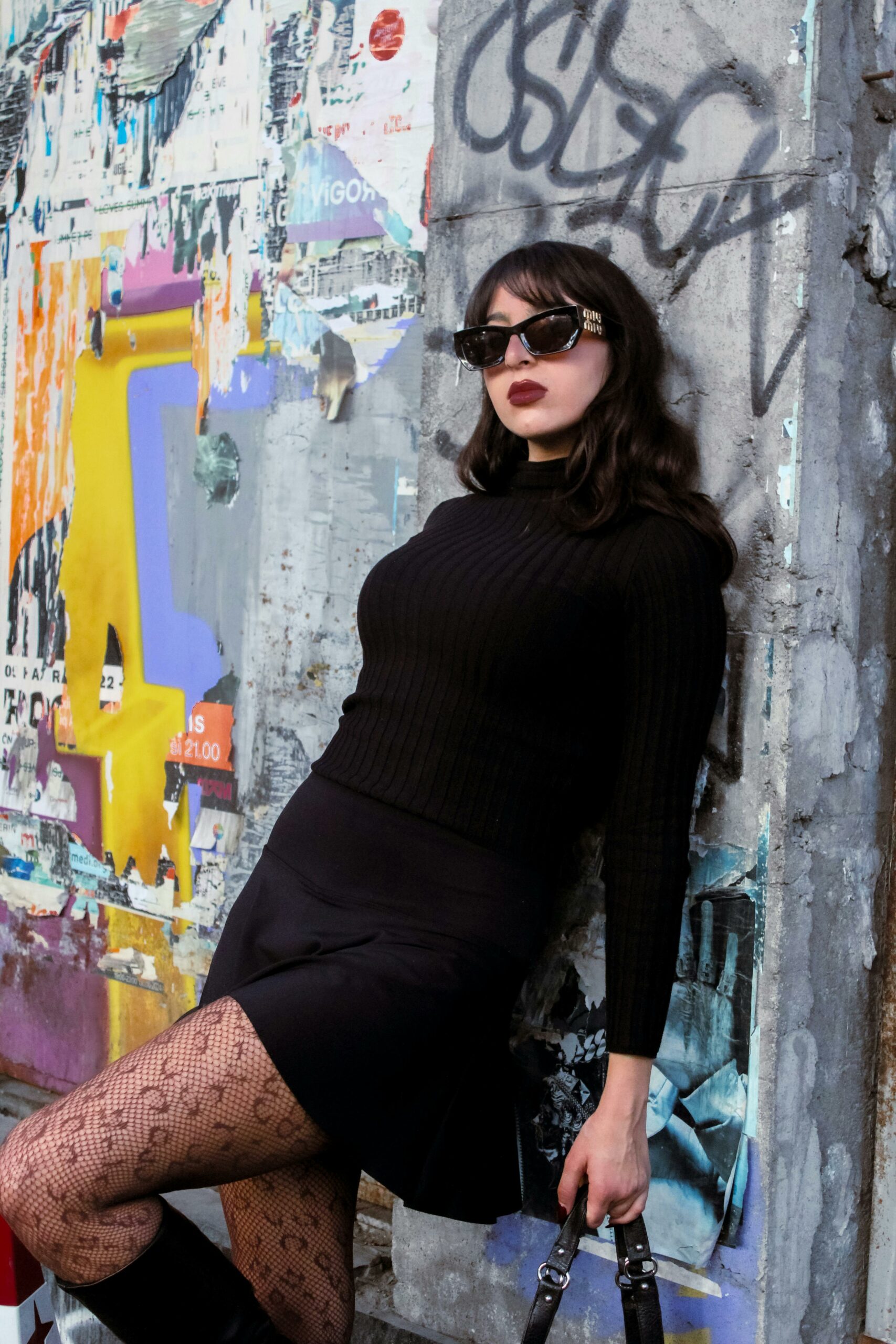
Street couture photography is not the same as simple street style. It pairs the freedom of real environments with the sophistication of high fashion. Think luxurious fabrics against worn brick, couture silhouettes moving through subway stations, or bold accessories contrasted with crowded city streets. It is the meeting point of polish and imperfection.

Several elements define the style. First, the environment becomes a character. Weathered textures, city noise, and unusual angles create tension and personality. Second, the models feel more human. Their expressions are often relaxed or mid movement. There is charm in the unpredictability. Third, the clothes are styled for impact but worn in ways that feel lived in. This blend makes the images resonate with audiences who crave fashion that feels both aspirational and reachable.

Why Audiences Connect With It

People respond to street couture photography because it feels alive. There is momentum in the frame. It captures the sense that fashion is part of everyday life, not something reserved for catwalks or glossy magazines.

This style also reflects cultural diversity. Photographers are not restricted to conventional beauty standards or typical fashion settings. They can cast unique talents, work in unconventional locations, and create stories that reflect their own communities. The result is imagery that feels inclusive.

Another factor is transparency. Audiences know the photos were not created in a bubble. They can see the world around the model. It signals honesty at a time when consumers are increasingly skeptical of overproduced campaigns.

The Role of Social Media
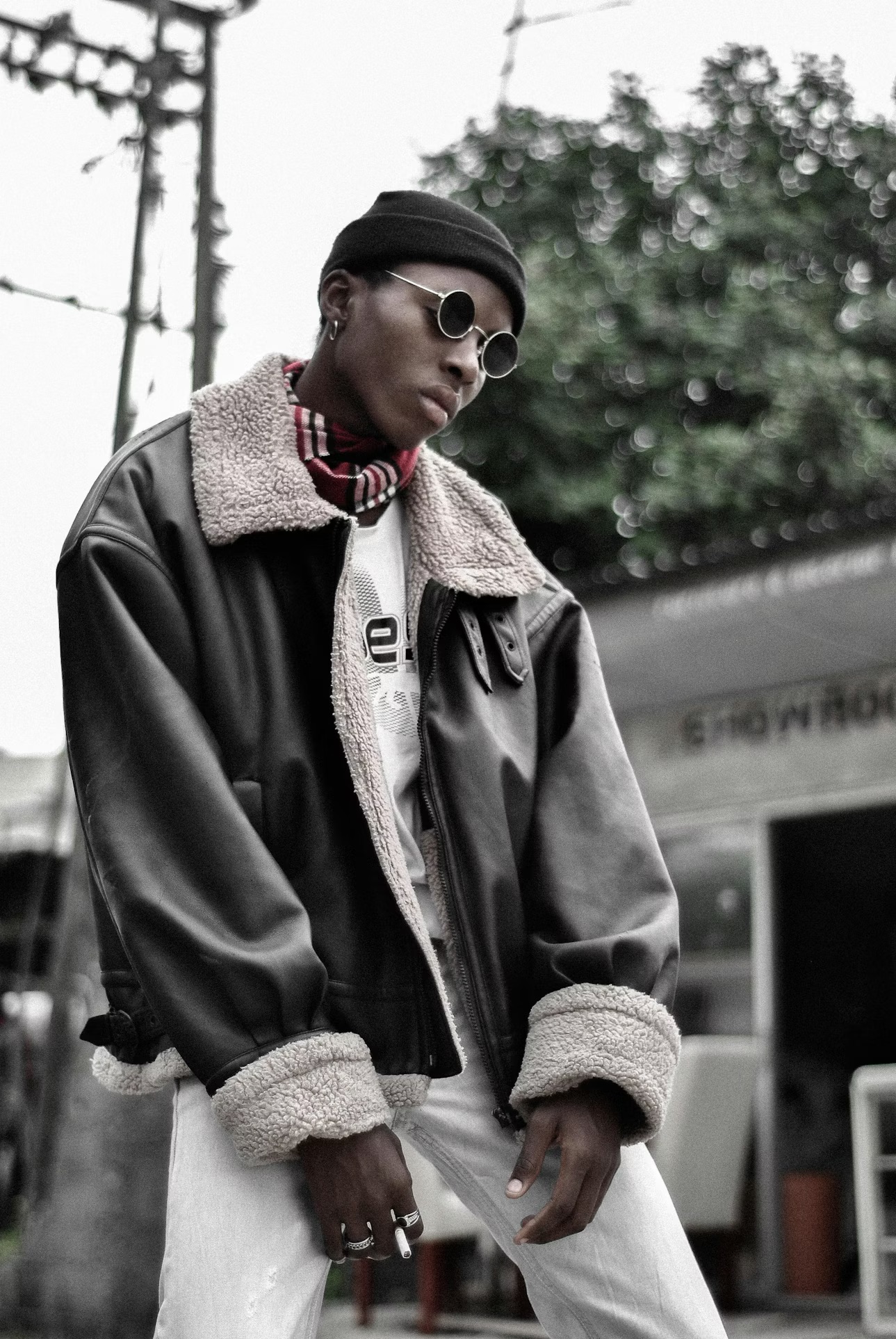
Street couture photography thrives on platforms like Instagram, TikTok, and Pinterest. These spaces reward content that feels candid and visually striking. A single image with strong composition and personality can spread quickly.

Short form video has added even more momentum. Behind the scenes clips, styling breakdowns, and location scouting videos build connection between photographers and viewers. They invite people into the process. This sense of shared experience fuels loyalty and engagement.

Social media also allows photographers to develop their own brands. They can show consistent aesthetics, attract new clients, and collaborate with stylists, models, and designers who share their vision. The ecosystem encourages experimentation. A fresh idea can go from concept to global visibility in a day.

How Brands Are Using the Style

Major fashion houses, streetwear labels, and emerging designers have embraced street couture photography. It aligns with a consumer base that values authenticity, individuality, and culture. Instead of staging elaborate studio sets, brands now commission photographers to shoot in markets, parks, rooftops, and residential streets.

Campaigns built around this approach suggest confidence and edge. They also highlight how clothes move in the real world. This is useful for brands aiming to connect with younger shoppers who care about practicality and personality.

Smaller labels gain even more from this style. It allows them to compete visually with bigger players without the cost of traditional production. A strong concept, a compelling model, and a vivid location can achieve a high impact look on a modest budget.

The Skills Behind the Lens

Street couture photography may look spontaneous, but it requires precision. Photographers must adapt to shifting light, unpredictable movement, and crowded environments. They often need quick reflexes and a strong sense of timing.

Composition plays a major role. Since backgrounds are uncontrolled, the photographer must frame the shot in ways that highlight the clothing while using the urban setting as texture instead of distraction. This balance is key.

Communication also matters. Models need direction that keeps them natural while maintaining the energy of the scene. Small changes in posture or movement can transform the shot.

Finally, editing ties everything together. The post processing approach tends to be bold yet grounded. Colours may be rich, shadows deep, and textures sharp. The goal is to amplify the contrast between luxury and street grit without losing authenticity.

Challenges in the Genre
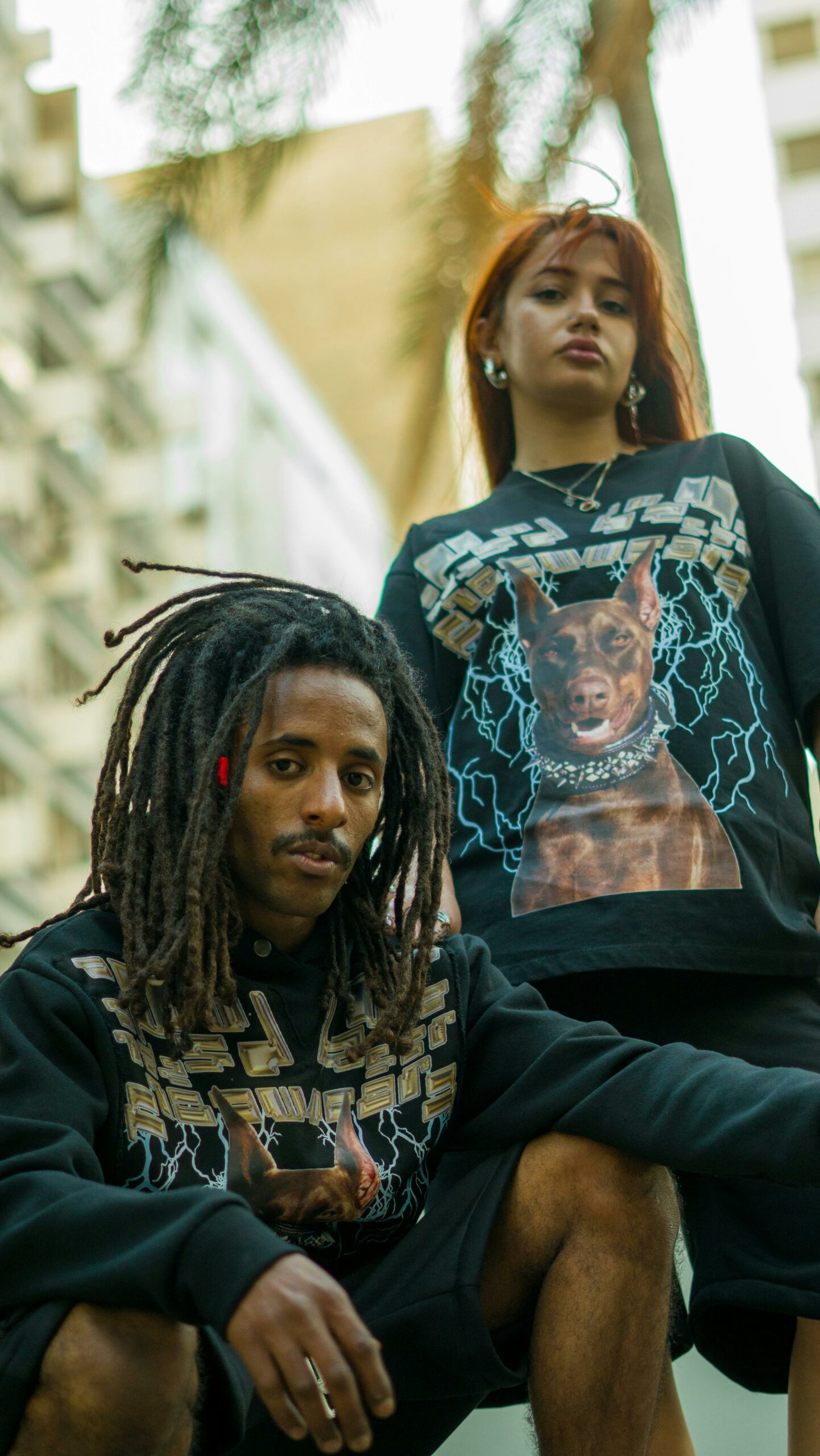
Street couture photography brings unique challenges. Busy locations can lead to interruptions. Lighting can shift quickly. Noise, weather, and crowds require patience and agility. Some cities have strict rules about shooting in public spaces. Permits may be required.

Models also need to feel comfortable working in public. Not everyone enjoys posing with strangers watching. Photographers must create a sense of ease, even in chaotic surroundings.

Despite these challenges, many photographers find the process rewarding. It offers creative freedom and the thrill of capturing something unplanned yet perfect.

Cultural Influence and Future Trends

Street couture photography has played a major role in redefining what fashion imagery can be. It helped blur the line between high fashion and everyday style. It encouraged designers to draw inspiration from youth culture, music scenes, and local communities. It also pushed photographers to think beyond traditional beauty.

The future of this style is likely to lean even more into hybrid formats. Expect more motion content, more experimental lighting techniques, and more collaborations with musicians, dancers, and performance artists. As cities evolve, new environments will emerge as backdrops. Abandoned industrial sites, modern transit hubs, and community spaces may become key stages for visual storytelling.

Technology will shape the next phase as well. Compact cameras, powerful mobile devices, and AI assisted workflows will give photographers more tools to create fast and refine efficiently. Yet the core appeal of the genre will remain the same. People love images that feel honest, confident, and deeply connected to real life.

Ready to Meet the Street?

The rise of street couture photography reflects a cultural shift toward authenticity, individuality, and movement. It captures fashion in its most relatable form. It respects the chaos of everyday environments and uses that energy to elevate style. For photographers, it opens creative pathways. For brands, it offers a modern way to reach audiences. For viewers, it delivers images that feel alive.

Street couture photography is not just a trend. It is a new chapter in fashion imagery, shaped by real streets, real stories, and a global community eager for creativity that feels close to home.
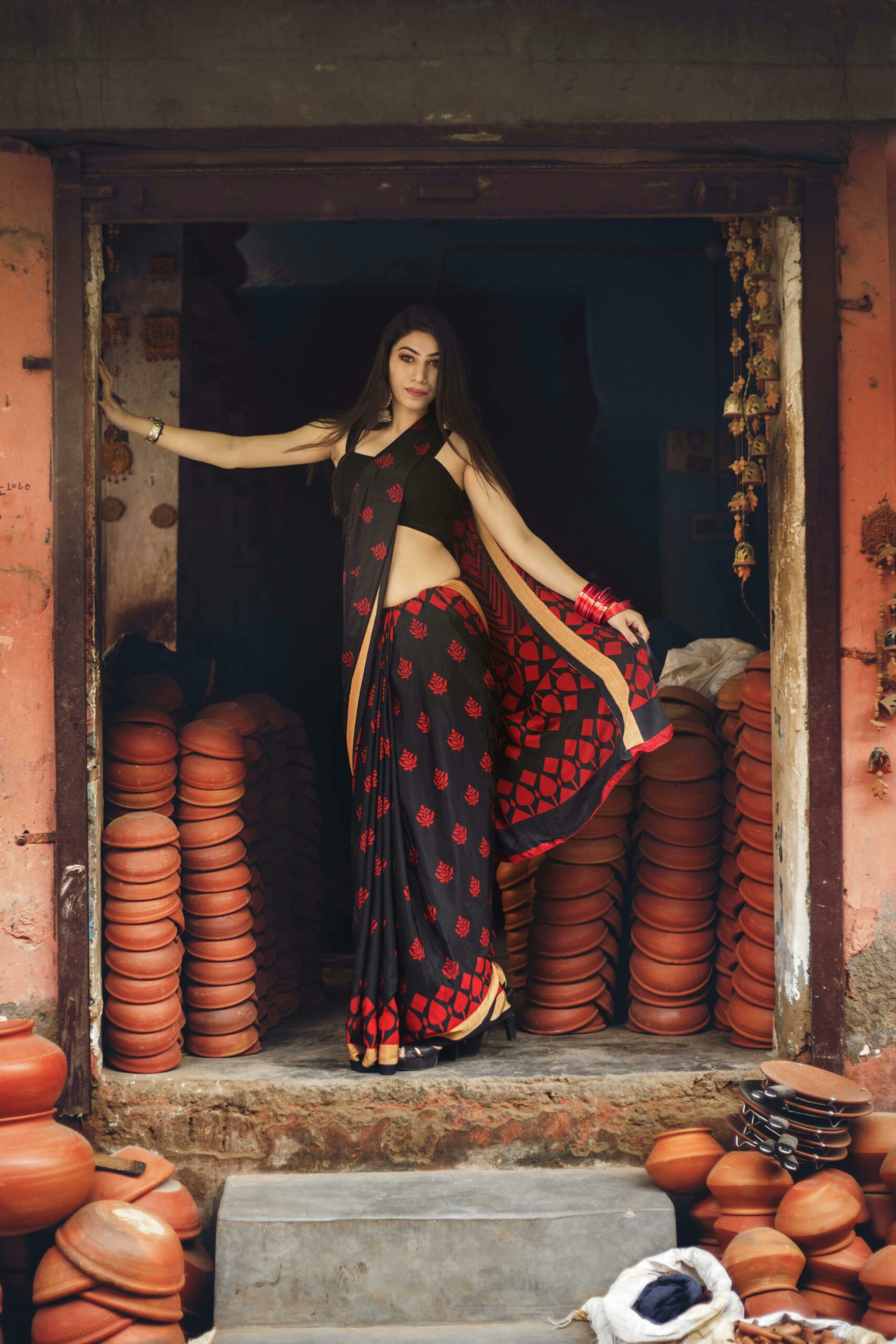
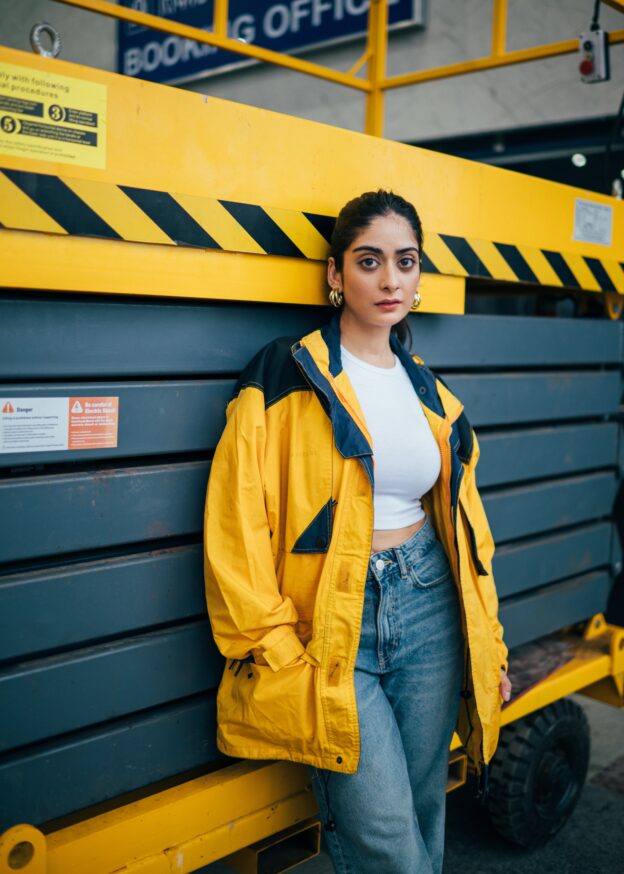
Framing Timeless Elegance – Bharat Rawail

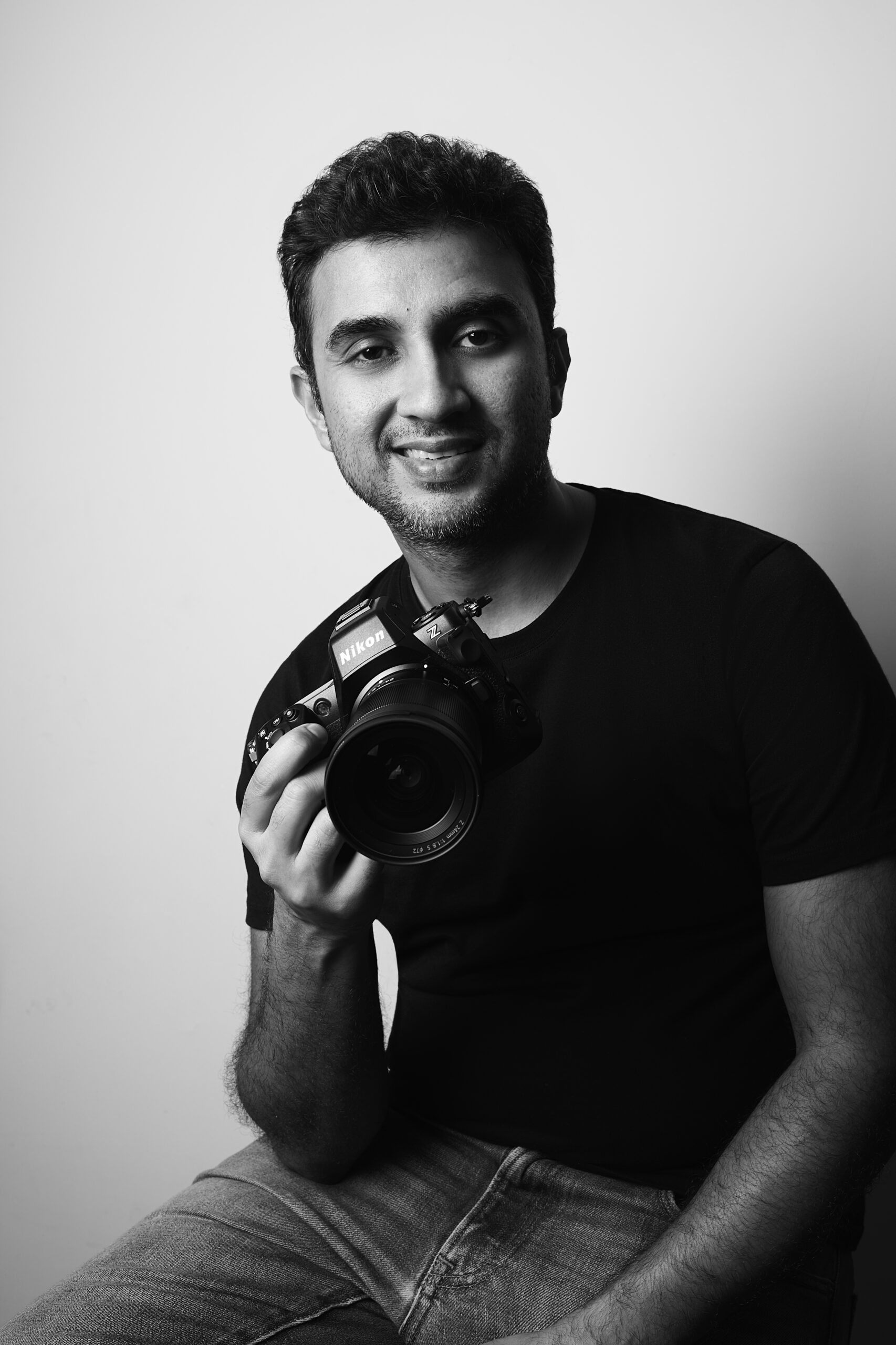
Bharat Rawail is a prolific fashion and commercial photographer, capturing images with an element of simplicity with elegance. He has worked with brands, modelling agencies and celebrities in his career of over 15 years, aiming to create stunning photos with immaculate detail. He is renowned for his style, and he is a brand ambassador for Nikon and Nanlite.

Asian Photography spoke to him about storytelling, vision, trends, creative blocks and more. Excerpts:

How do you approach storytelling through your images in commercial projects?

In all my projects, commercial or not, I focus on making the subject the heart of the narrative. In still images, for a viewer to connect with the photos, I believe you need to connect with what the person and their expressions are trying to communicate to you at that moment.

My approach is simple: ensuring that the subject feels seen and represented in the best possible way. In all my photos, the eyes are always the centre of attention, followed by the expression and posing. I prefer to keep the face well-lit and make sure the subject feels seen at the moment. 

How do you ensure the brand’s narrative aligns with your artistic vision during a shoot?

© Bharat Rawail

When working with brands, my goal is to adapt to their narrative, ensuring that their product and story remain the focus. When a brand reaches out to me for a campaign, they are already positive about leveraging my style for their project. Every photo I take must not only reflect the brand’s identity, but also resonate with their target audience.

I ensure the brand’s narrative aligns with my vision to create a balance between creativity and purpose. I approach each campaign by bringing my style and creative sensibilities to merge with the brand’s story and objectives. The aim when platforming a brand in my work as a photographer is to elevate their messaging through my lens while staying true to their essence.

To achieve this, I use various lighting techniques, compositions, and more to highlight the product and support the narrative. I also constantly view the project through the shoes of a customer at various steps in the process, to make sure the photos effectively communicate the right messaging to me.

What do you do when clients push for ideas or concepts you disagree with creatively?

Creative disagreements are inevitable, I think it’s idealistic to expect otherwise. I believe that’s what leads to fresh and innovative outcomes. When clients push for ideas or concepts that differ from my approach, I am a firm believer in teamwork to achieve the end result. Pre-production is where I resolve such differences – it’s where brainstorming, ideation, and mutual decision-making happen. I love to invest time in the prep phase, welcoming ideas and discussing them thoroughly to ensure alignment before we step onto the set. A strong pre-production process should lead to mutual creative decisions; if it doesn’t, the pre-production isn’t complete.

During the shoot, I like to strictly focus on execution while staying open to all possibilities. I make it a point to capture everything: shots from the mood board, shots inspired by the client’s ideas, my own creative interpretations, and lastly, experimental shots.

I also take the time to explain my reasoning behind certain approaches, helping clients understand my process. Often, the vision becomes clearer when the client has a visual reference to see how my approach aligns with their goals. All creative processes have to be collaborative, the intention of finding mutual ground bridges the gap between creative fulfilment and client objectives.

How are fashion trends in different regions influencing your work? 

Fashion trends from different regions influence my work by shaping how I adapt wardrobe choices to highlight the subject’s personality. For me, clothes complement the person and express the personality of the subject I’m capturing.

I feel fortunate to collaborate with some of the best stylists in India, whose experience ensures that wardrobes are fresh, on-trend, and authentic to the subject. During pre-production, we work together to strike a balance between trends, the concept, and the subject’s individuality. 

Staying updated on trends is invaluable, and collaborating with creative minds keeps me informed about what’s in style. My approach bridges these trends with my own sensibilities to create a look that merges the outfits with the personality.

© Bharat Rawail

How do you keep your work fresh and avoid becoming repetitive?

To keep my work fresh and avoid repetition, I make it a priority to find inspiration daily. I spend 15–20 minutes each day exploring platforms like YouTube, Pinterest, Instagram, and Behance, as well as studying the work of DOPs, photographers, and other creatives. 

This practice keeps me consistent and creatively stimulated, ensuring my perspective evolves with time. Regular introspection is another key part of my process. I often review my work from the past month or two to track growth, and consider how I could shoot my older work differently today. This helps me refine my style – it helps me recognise elements that resonate deeply with me and areas where I can push boundaries to keep experimenting.

How do you handle creative blocks or periods where you feel uninspired?

© Bharat Rawail

When faced with creative blocks, I like to take a mindful approach to ensure I can deliver my best work. When possible, I give myself a break to recharge and return with renewed energy and focus.

Pre-production often helps me reignite my creativity. Collaborating with my team to brainstorm ideas and refine concepts can kickstart a creative flow, turning a challenge into an opportunity for fresh perspectives. If the block persists, I turn to my hobbies – I indulge in my favourite meals or take short holidays to refresh my mind.

However, I know that breaks aren’t always feasible. On such days, I focus on the outcome and commit to working through the challenge. By focussing on the details of a single idea and meticulously planning its execution, I have found I feel better equipped to handle the block and deliver work that stays true to my standards. This balance of self-care, collaboration, and discipline ensures I stay creatively resilient.

What’s the most valuable lesson you’ve learned from a failed project or a project whose result didn’t meet expectations?

I was recently collaborating with a renowned stylist. While the team was talented, the final result felt disconnected and didn’t align with my usual standards.

In hindsight, I realised that my eagerness to impress had caused me to sideline my creative instincts and decision-making process. Overwhelmed by the opinions of the stylist, talent, and team, I failed to protect the creative space needed to execute my vision. The result was a confused outcome that lacked the authenticity and quality I strive for.

Since then, I’ve learned the importance of holding my ground during a project, no matter how many opinions come my way. While I welcome creative inputs as valuable feedback, I’ve stopped aiming to please everyone. If someone chooses to work with me, it’s because they trust my style and vision. Confidence in my own expertise and experience is crucial to delivering work that meets my standards and stays true to my creative identity.

How important do you think social media is for a photographer’s career today, and how do you leverage it?

© Bharat Rawail

Social media has been a game-changer for all creatives. What started as a platform for sharing personal lives has evolved into an irreplaceable tool for showcasing work and building professional credibility. I view my Instagram account as my portfolio – it’s a space to highlight my work and establish legitimacy. Today, your Instagram profile undeniably determines how people perceive your professionalism and reliability.

As we move into an increasingly digital era, social media has become indispensable. Platforms like Instagram not only allow photographers to build their portfolios, but also enable them to grow as freelancers and business owners. It’s a great way to connect with other creatives, find inspiration, and engage with potential clients.

In fact, much of my early business came through Instagram, helping me build a foundation before my work gained recognition outside the platform. Leveraging social media strategically allows me to expand my network, showcase my work, and stay relevant in a competitive industry.

How do you keep learning and growing as a photographer? Do you attend workshops, follow online courses, or have any mentors?

As a self-taught photographer, my learning, and growth have always been rooted in curiosity and experimentation. My journey into photography began spontaneously during a vacation, and since then, I’ve embraced a hands-on, trial-and-error approach to mastering the craft. I firmly believe that exploring on your own often leads to the most exciting discoveries.

I make it a point to experiment during every shoot, constantly pushing the boundaries of my style and comfort zone. Collaborating with a diverse range of creatives also plays a significant role in helping me refine my perspective and explore new ideas. I frequently study the work of international photographers, paying close attention to their lighting techniques and creative processes.

By immersing myself in global influences, I like to ensure that my work remains relevant and timeless.

What advice would you give to aspiring fashion photographers who are just starting out in the industry?

© Bharat Rawail

My advice to aspiring fashion photographers is simple: just start. Pick up your camera and commit to taking pictures that you like. The key is to learn and create consistently. Initially, don’t confine yourself to a specific style – explore and experiment. Shoot everything that interests you, from landscapes and food to portraits and fashion. Finding your unique style takes time, often years, so be patient.

Don’t be discouraged if your early work doesn’t match the quality of your inspirations. It takes practice and persistence to close that gap. Focus on staying consistent and disciplined; these qualities are typically underrated in creative fields, but are essential for long-term growth.

Dedication to your craft and your creative development will accelerate your progress. Every shoot, every experiment, and every challenge contributes to shaping your perspective as a photographer. Stay curious, stay open, and keep pushing forward – your journey is what will set you apart in any industry.

Vivo India Launches Second Edition of Vivo Imagine Smartphone Photography Awards

Vivo India has recently announced the second edition of the vivo Imagine Smartphone Photography Awards in celebration of World Photography Day. This initiative is aimed at encouraging photographers to explore their creativity and showcase their unique perspectives using smartphone cameras. Esteemed filmmaker Zoya Akhtar will lead the jury, which also includes renowned photographers Vineet Vohra, Rakesh Pulapa, and Aamir Wani.

The awards feature six distinct categories: Nature & Wildlife, Architecture, Portraits, Night & Light, Motion, and Street Photography. Photographers can submit their entries on the official website from August 19 to September 8. Out of all submissions, 30 finalists will be selected by the jury. These finalists will then participate in a final challenge, with their submissions further evaluated.

Winners will be celebrated at a grand finale event in Mumbai. The grand prize includes a cash reward of INR 5 lakhs, while the winners of each category will receive a vivo X100 Pro smartphone. Finalists will also have the opportunity to attend exclusive photography masterclasses led by the jury members to refine their skills.

Geetaj Channana, Head of Corporate Strategy at vivo India, highlighted the theme “Joy of Imagination,” emphasizing the brand’s commitment to merging technology with artistic expression. Zoya Akhtar expressed her excitement about discovering new talent through this initiative, which celebrates the power of visual storytelling.

April 2024


Cover by Sean Dalton 📷

In this issue read:

~ Voyage From Vision to Discovery – Sean Dalton

~ From Local Trails to Golabl Tales – Ganesh Bagal

~ From Drawing Boards to Composing Frames – Hegde Arun

~ A Comprehensive Guide for Indian Photographers Embarking on International Sojourns

~ A Photographer’s Guide to Cost-Effective Travel in India

~ How to be a Travel Photographer in Your Own City

~ Fujifilm Instax PAL Review