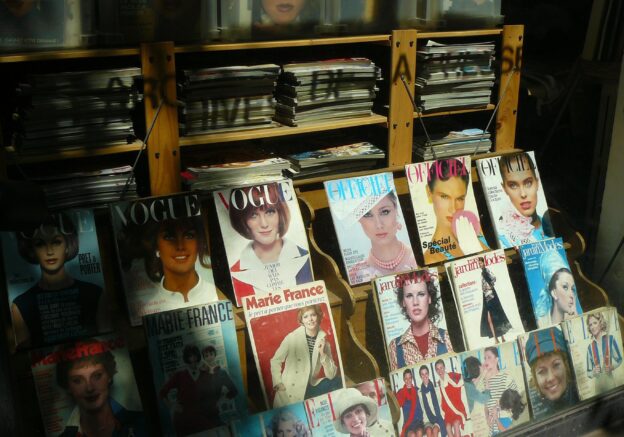
For most of the twentieth century, high fashion depended on print magazines to define taste, launch trends, and build cultural authority. Titles like Vogue, Harper’s Bazaar, W, and Elle shaped the industry’s direction. They controlled the conversation and set the pace. Today the landscape is very different. Digital platforms dominate the flow of information. Social media determines relevance faster than any editorial meeting can. Influencers, creators, and independent photographers distribute ideas at a scale magazines once commanded on their own.
This shift raises an important question. Does high fashion still need print magazines, or have they become relics of a slower, older system? The answer is complicated. While print no longer holds the exclusive power it once had, it still offers unique value that the digital world cannot replace. The real story sits in how these magazines adapt, not whether they disappear.
The Decline of Print’s Dominance
Print magazines lost their monopoly on fashion communication when the internet democratised access to style imagery. Platforms like Instagram and TikTok created instant consumption cycles. Trends now rise and fall within weeks. Audiences expect speed, constant updates, and direct interaction with creators. Print cannot match that pace. A magazine spread planned six months in advance feels distant when viewers scroll through hundreds of fresh looks per day.
Advertising budgets shifted as well. Brands realised they could target audiences more precisely through digital placements and influencer partnerships. A single viral post can outperform a multi page print ad in reach and engagement. As brands moved their money, magazines lost revenue. The once thick issues filled with glossy campaigns became thinner.
Despite these challenges, print refuses to vanish. It simply occupies a different role than before.
Print as a Symbol of Prestige
In the fashion world, physical objects still carry meaning. A magazine is not only content. It is an artifact. It has weight, texture, and permanence. When a model or photographer lands a print cover, it still feels like a milestone. Digital features bring exposure, but print carries cultural status.
High fashion brands recognise this. They often save their most elaborate or artistic campaigns for print because the format invites slower, more attentive viewing. A printed page allows creative work to breathe. It is not interrupted by notifications or sandwiched between unrelated content. This environment elevates both the brand and the artist.
Even younger audiences appreciate this sense of craft. While Gen Z consumes most fashion digitally, many still collect print magazines or subscribe to independent zines. They see print as something special rather than routine.
The Value of Curation
The internet offers infinite choice, but it often lacks structure. Trends collide without context. Good work can drown in the noise. Print magazines solve that problem by offering thoughtful curation. Editors select what matters. They build narratives across pages. They shape a point of view.
This editorial perspective is one of print’s greatest strengths. It turns fashion storytelling into something cohesive. Readers trust the vision behind the selection, not just the images. Digital platforms can offer curation too, but the goals differ. Algorithms prioritise engagement, not artistic coherence. Print prioritises meaning.
Magazines that lean into this strength remain relevant. They become cultural filters rather than trend chasers.

The Evolution of Editorial Photography
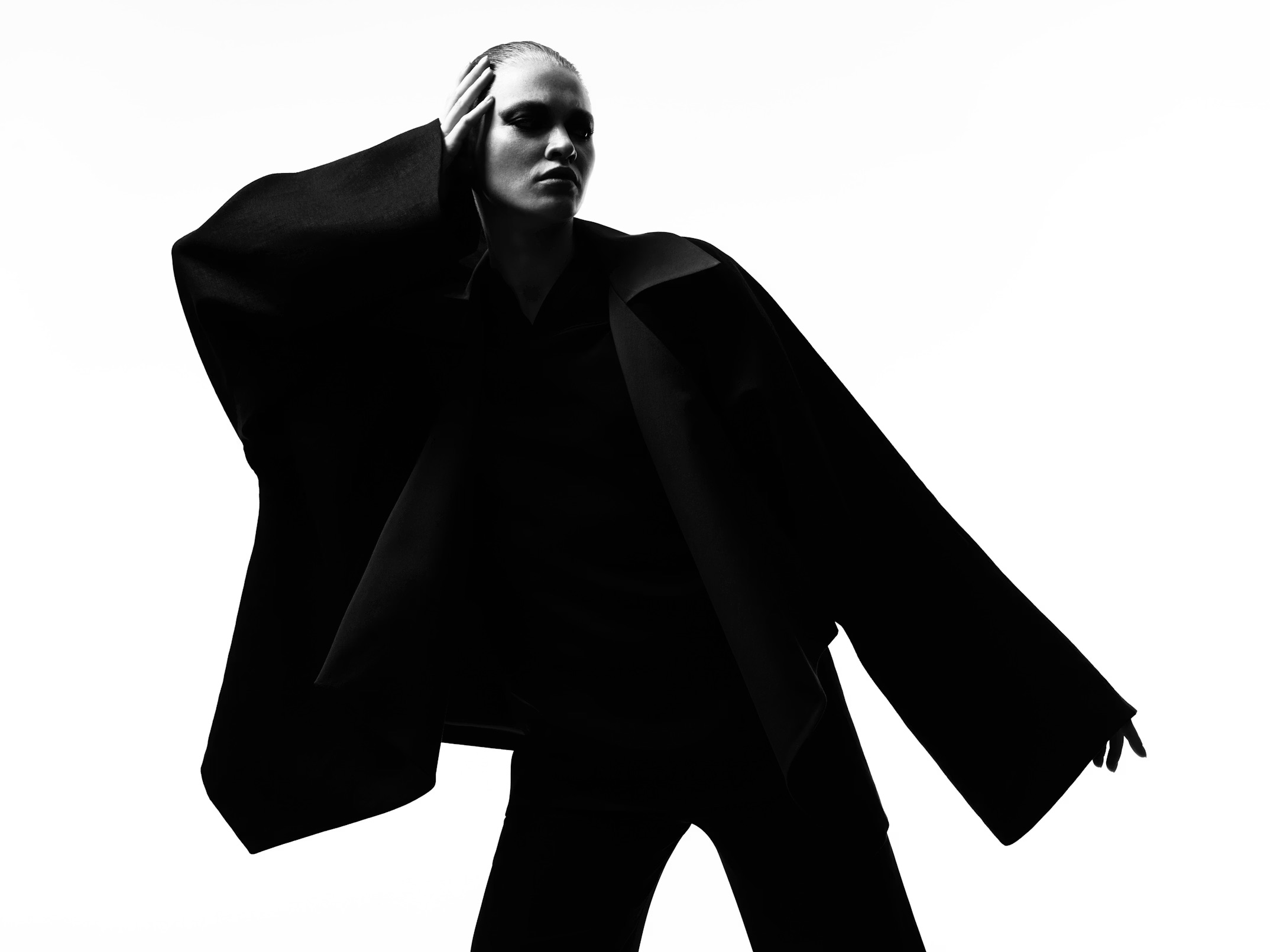
High fashion magazines used to be the main stage for ambitious editorial photography. Today, photographers also share their work directly on social platforms. Many build careers without ever shooting for a magazine.
Still, print offers something digital cannot fully replicate. Scale. A double page spread shows detail that a phone screen cannot. Colour accuracy is better. The lighting nuance is clearer. Photographers often say their work feels more complete in print. It lands with greater impact.
This is why many fashion image makers continue to pursue print commissions. They see the format as a place to experiment, push boundaries, and create work that will outlast the fast scroll of digital life.
The Role of Print in Brand Identity
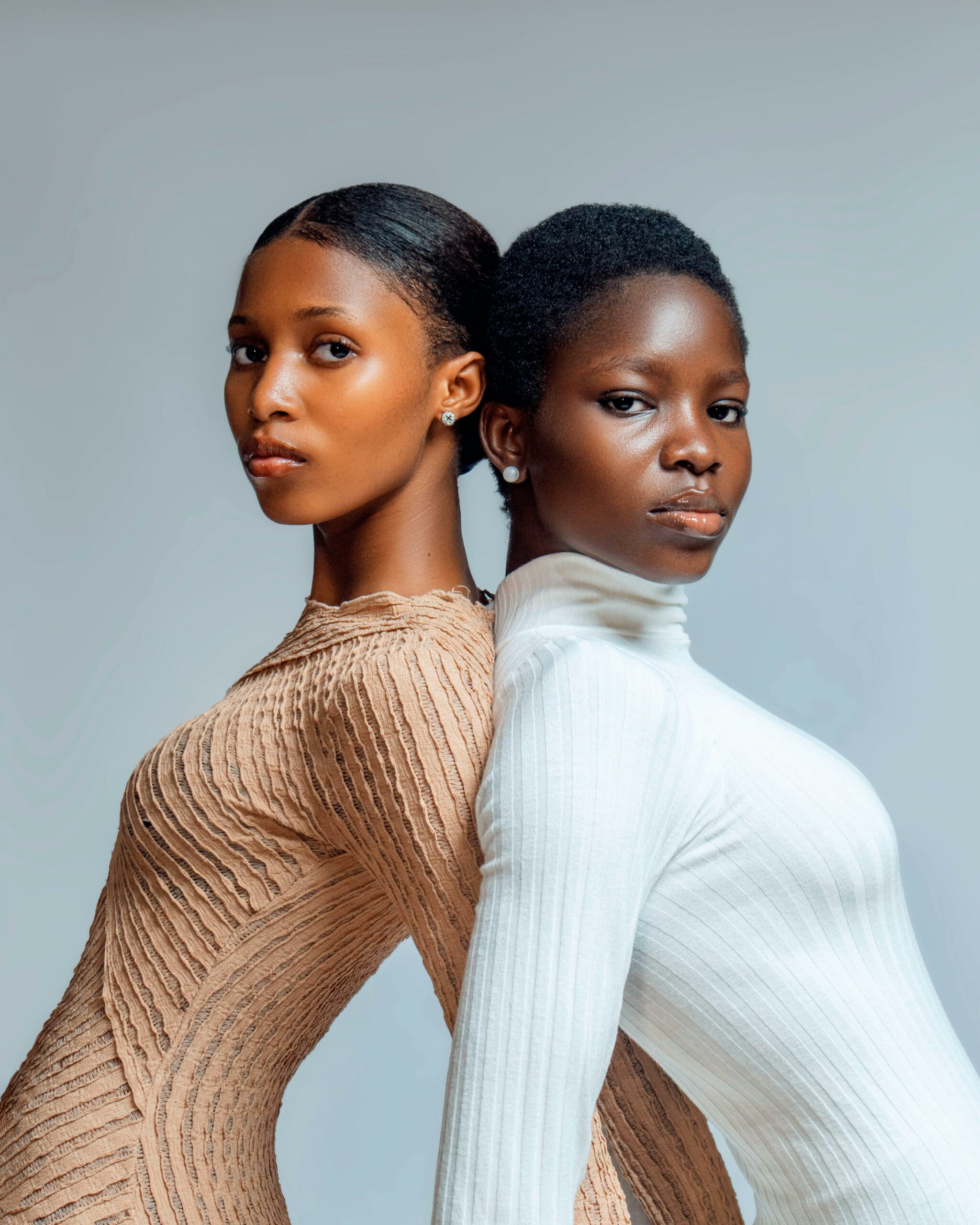
Luxury brands rely on storytelling. They need to feel worldly and thoughtful. Print magazines help them create that atmosphere. A campaign placed in a respected publication carries an air of seriousness. It shows the brand values culture, not just clicks.
Some labels even produce their own print magazines. Acne Studios, Chanel, and Louis Vuitton have all created editorial publications that mix fashion with art and writing. These projects build depth and strengthen brand communities. They also allow designers to control their own narratives rather than rely on external press.
In this sense, print is not a leftover from the past. It is a strategic tool for brand building.
Where Print Falls Short
Print cannot compete with digital when it comes to speed, reach, or interactivity. Fashion conversations now unfold in real time. Memes, commentary, and trend cycles move too fast for monthly issues.
Print also struggles with global accessibility. Shipping costs, limited distribution, and regional pricing make it difficult for international readers to buy magazines regularly. Digital media crosses borders instantly.
Finally, many younger consumers prioritise sustainability. Large scale print production raises concerns about paper use and waste. Some magazines have reduced issue frequency or switched to smaller print runs to address this, but the environmental question remains part of the conversation.
Hybrid Publishing: The Best of Both Worlds
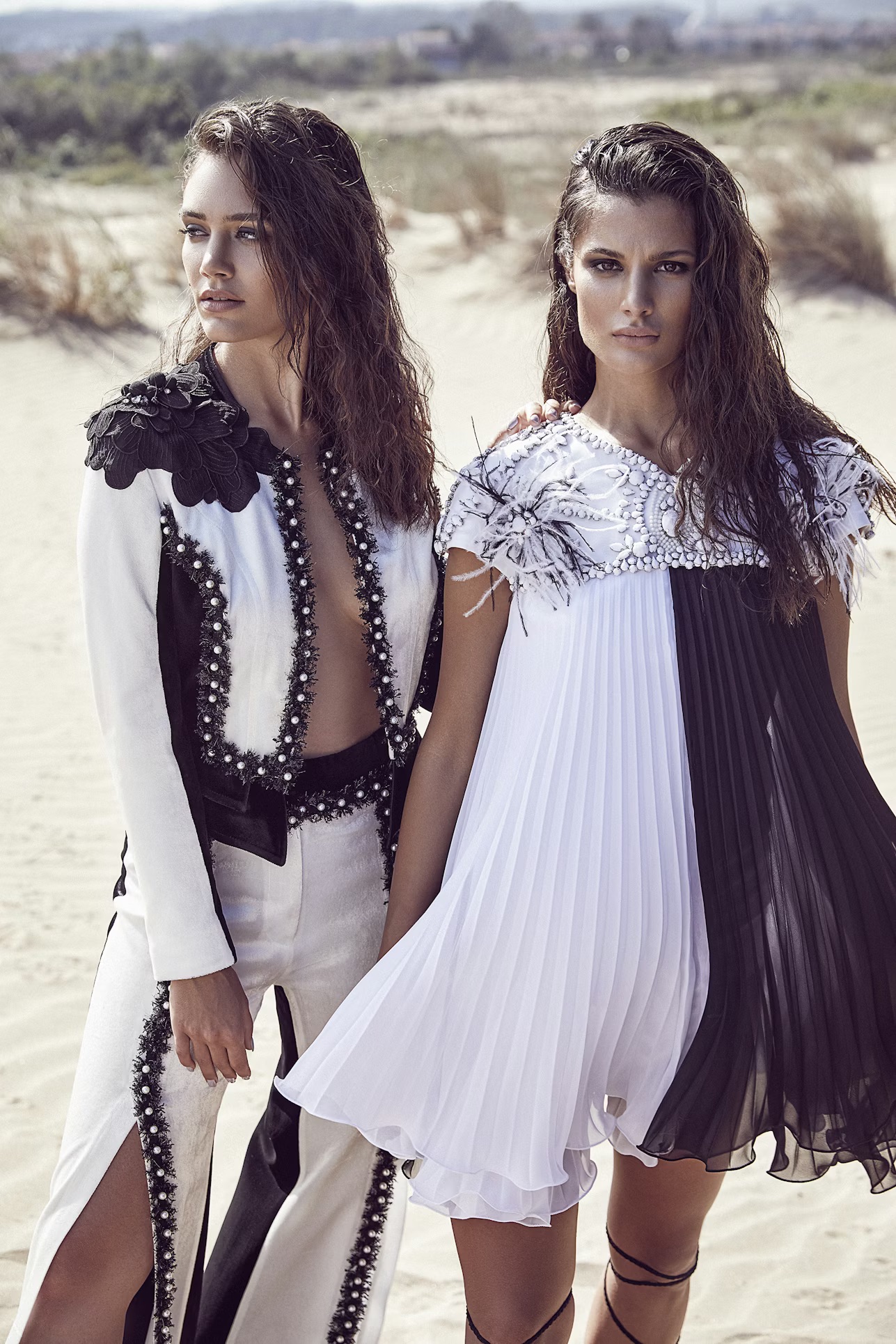
The most successful fashion magazines today understand that the future lies in hybrid publishing. They use digital platforms for speed and conversation. They use print for depth and expression.
Digital content feeds the daily rhythm. It drives engagement, breaks news, and highlights quick reaction work. Print issues act as statements. They anchor the magazine’s identity by offering long form storytelling, big visual ideas, and editorial experimentation.
This balance allows magazines to stay relevant while protecting the qualities that make them unique.
Independent and Niche Magazines
Another important trend is the rise of independent fashion magazines. These smaller publications often focus on specific communities, aesthetics, or philosophies. They thrive because they offer distinct viewpoints. Readers seek them out for their artistic risk taking and cultural insight.
Indie magazines prove that print still holds power when it delivers something rare. They may not reach mainstream audiences, but they influence creative circles and often serve as launching pads for new photographers, stylists, and writers.
So, Does High Fashion Still Need Print?

The industry no longer needs print magazines the way it once did. They are no longer the gatekeepers of style. They do not control influence or set every trend.
But high fashion still benefits from print. It gives weight to ideas, honours craftsmanship, and offers a slower form of consumption that digital cannot match. It supports artistic photography. It strengthens brand identity. It provides curation in a chaotic media landscape.
Print may not be essential for daily communication, but it remains essential for cultural depth. High fashion thrives on meaning, atmosphere, and storytelling. Print supports those values better than any digital format.
The Last, Fine Print
Print magazines are no longer the industry’s dominant force, but they are far from obsolete. Their role has changed. They now complement the speed of digital culture by offering permanence, artistry, and perspective. High fashion still needs that balance.
In a world that moves faster every year, print reminds the industry to slow down, look closely, and appreciate the craft behind the image. That alone makes it worth keeping.