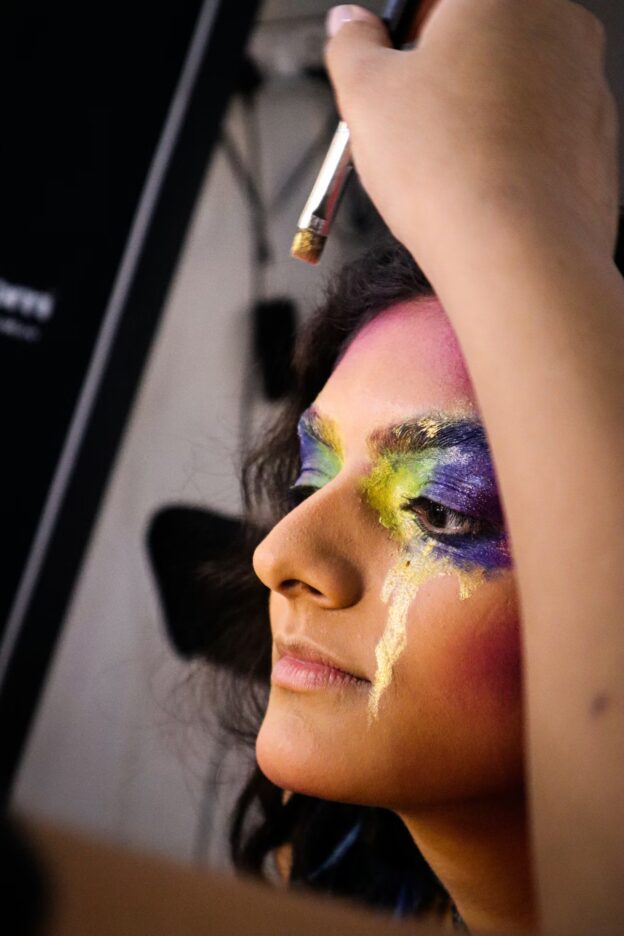
Fashion photography looks glamorous from the outside. It is filled with bold visuals, stylish teams, and fast moving creative energy. Behind the scenes, though, it runs on a complex set of costs, negotiations, and legal structures that shape what photographers can charge, how images can be used, and how careers survive in a competitive market. Anyone working in this industry, whether photographer or client, needs a clear view of the economic engine that keeps it all moving.
The Market Behind the Aesthetics
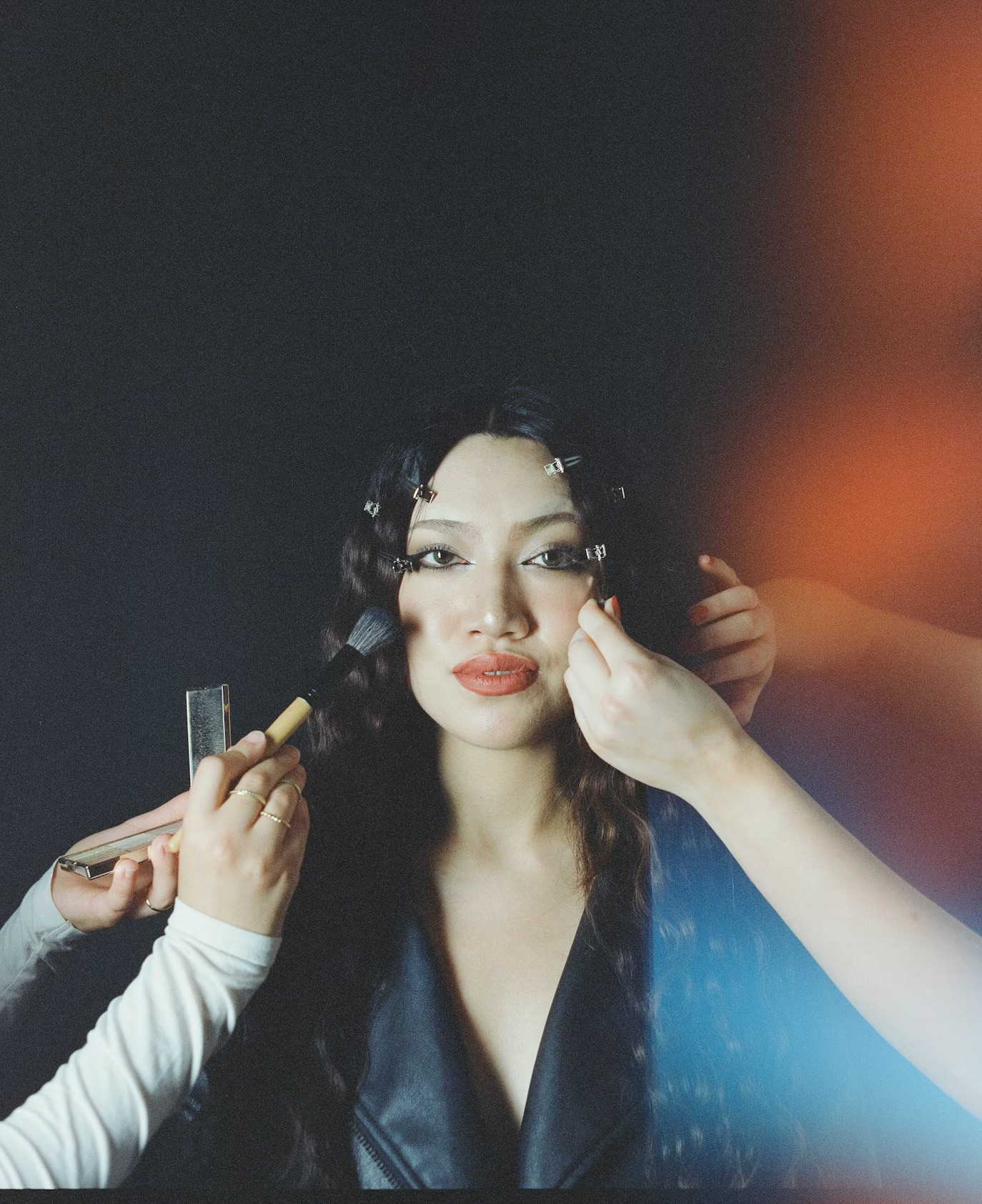
Fashion photography sits at the intersection of art and commerce. Photographers must deliver images that feel fresh and emotionally charged, but they also have to operate as business owners. Studio rentals, assistants, retouchers, equipment, insurance, and post production all add up. A photographer’s rate is not just a fee for clicking a shutter. It is a fee for managing a small production.
There are several tiers of work. Editorial shoots for magazines pay very little, but offer prestige and creative freedom. Commercial shoots for brands pay the real bills. Campaigns, e-commerce, lookbooks, and social content all fall into this category. The economics shift with each tier. The more a client stands to earn from the images, the more a photographer can and should charge.
Understanding Rates
Rates vary widely because the market has many segments. A new photographer shooting for small boutiques may earn a few hundred dollars per day. A mid level photographer hired by a regional brand might charge between 1,500 and 5,000 per day. A top tier photographer shooting a global campaign can command five or six figures. The variation reflects skill, demand, the size of the client, and the scope of usage.
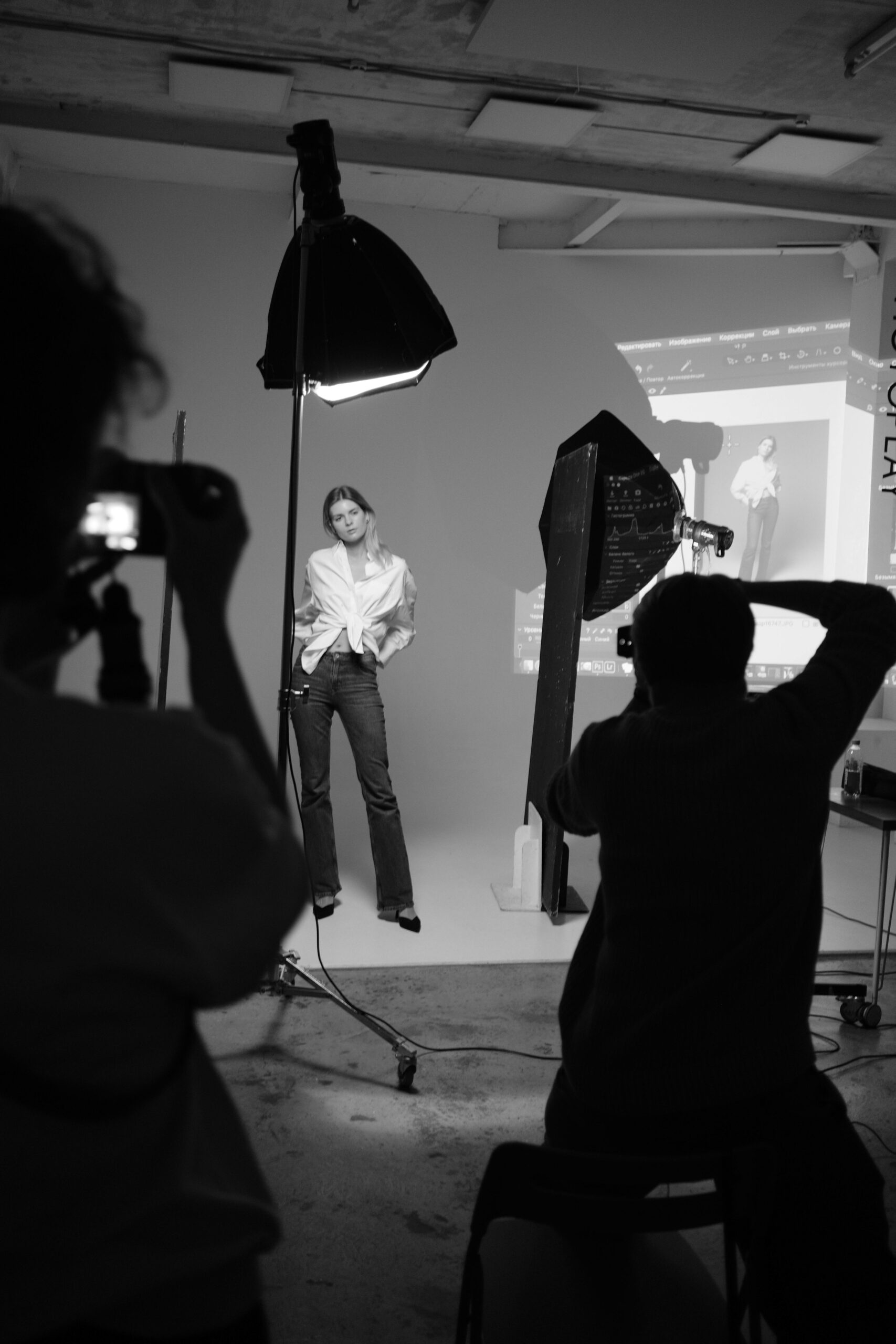
Clients often misunderstand what a rate covers. A day rate usually only covers the photographer’s time and expertise. Production fees, equipment rentals, lighting techs, digital techs, retouchers, and location costs sit on top of that number. If a client expects the photographer to manage these elements, they should expect a larger budget. Fashion shoots are collaborative events. A lower budget limits the ability to bring in seasoned crew, and the results usually reflect that.
Another factor is experience. A photographer charging a higher rate has often spent years investing in their craft. The price represents not just skill but consistency, problem solving, and the ability to deliver under pressure. Clients pay for confidence that the job will be done right.
Usage Rights and Licensing
If rates decide how much the photographer earns, usage rights decide how much value the client receives. Licensing is the core of the business. When a client pays a photographer, they are buying permission to use the images in specific ways. This can include geography, duration, and type of media.
A small boutique might license images for one year of social media and website use. A global fashion house might license images for worldwide print, digital, and outdoor advertising. These two sets of rights carry very different values.
Photographers must protect their rights because images can live for years beyond the original shoot. A client may want to use the photos in a new region or for a new campaign. If the licensing terms were clear, the client must pay to extend the usage. This is not greed. It is the foundation of intellectual property law. Creative work has value, and usage fees recognise that value.
Buyouts and Why They Cost More
Some clients request a buyout. This gives them broad and often unlimited use of the images. Buyouts simplify things for clients but shift all long term value to them, so they come with a higher price. A photographer who gives up future licensing income needs to be compensated up front.
For inexperienced clients, the cost of a buyout can feel confusing. The simplest way to think about it is this. A buyout lets the client use the images across every platform, for as long as they want, without ever paying again. This is a significant advantage. The fee reflects that level of ownership.
The Reality of Competition
Fashion photography is crowded. New photographers enter the market every year with fresh styles and lower costs. This puts pressure on established professionals who carry higher overhead and deeper responsibilities. Social media also blurs the lines. Clients sometimes choose influencers with cameras or hobbyists who shoot for exposure. The problem is simple. Low prices rarely cover real production needs, and the final quality often suffers.
That said, competition is not entirely negative. It pushes photographers to refine their voices, sharpen their business skills, and maintain strong relationships with clients and crews. The market rewards clarity, professionalism, and consistency.
The Importance of Transparent Communication
Almost every financial conflict in fashion photography comes from unclear communication. Photographers must learn to send detailed estimates that outline day rates, production costs, licensing terms, overtime policies, retouching fees, and delivery timelines. Clients must read these documents carefully and ask questions whenever something feels unclear.
Clear communication has another benefit. It builds trust. When both sides understand the budget and the boundaries, the shoot runs smoother. Misunderstandings lead to disputes, late payments, and strained relationships. Transparency protects everyone.
Hidden Costs Clients Often Overlook
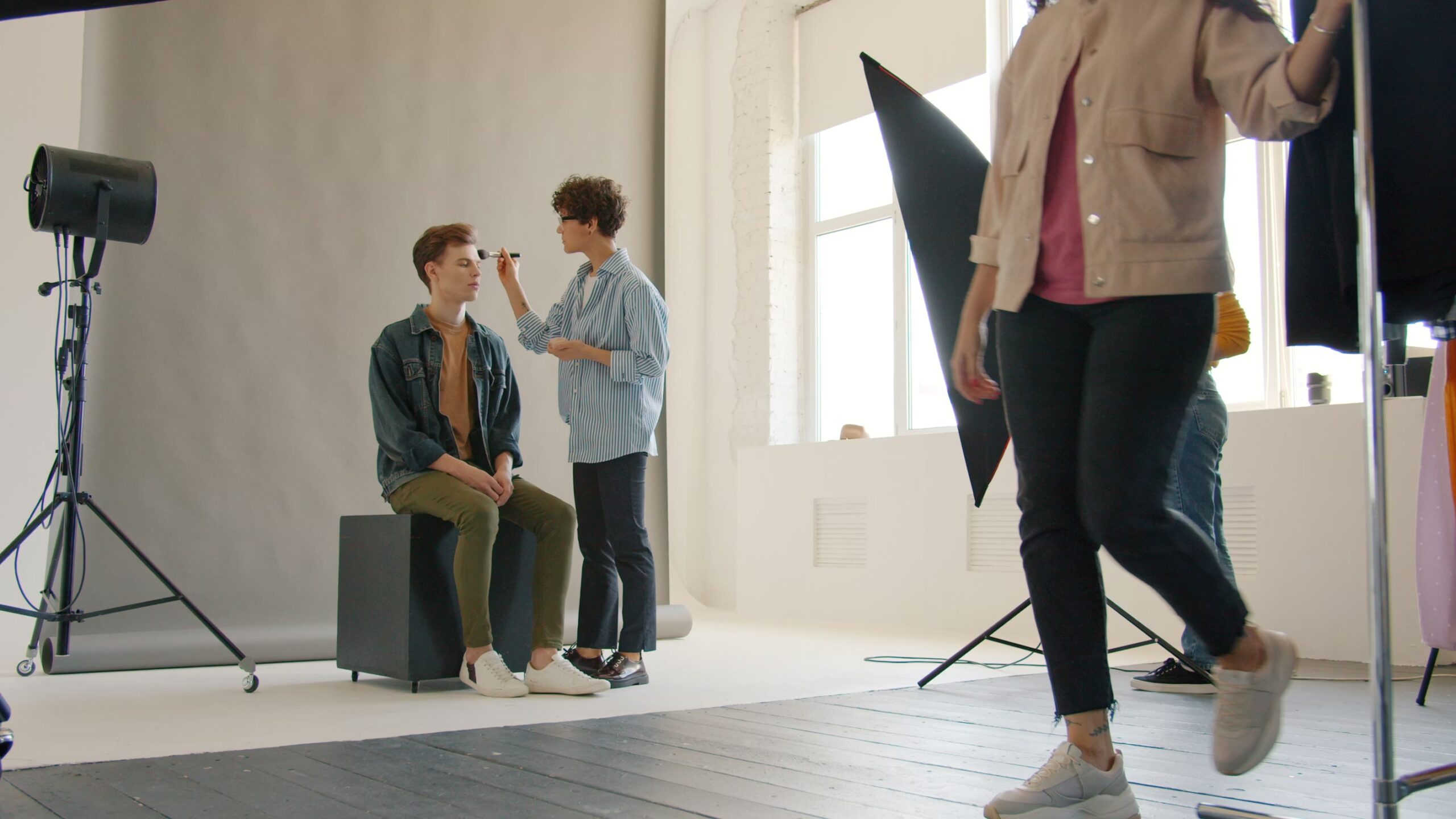
Clients unfamiliar with the process are often surprised by the number of additional line items in a photography estimate. Here are the common ones:
- Retouching: Good retouching takes skill and time. High quality fashion work cannot skip this step.
- Digital technicians: They manage files on set, ensure accurate colour, and protect against data loss.
- Equipment: Professional cameras and lights cost more than most clients expect.
- Location fees: Even simple studio rentals or location permits can cost thousands per day.
- Talent: Models, stylists, makeup artists, and hair stylists elevate the shoot. Their rates vary based on experience.
Once clients understand these layers, the overall cost makes more sense. They see that the photographer is not pocketing the entire budget. The money supports a team that works together to produce images that match a brand’s goals.
Where the Industry Is Headed
The future of fashion photography is shaped by digital content needs, short attention spans, and a growing demand for authenticity. Brands want more assets created in less time. They want behind the scenes clips, short videos, and vertical formats. Photographers are adapting by expanding their skill sets, hiring hybrid crews, and investing in motion capable equipment.
Artificial intelligence is another factor. Some brands experiment with AI generated models or backgrounds. This does not remove the need for photographers, but it shifts expectations. Photographers must stay flexible and offer creative approaches that technology alone cannot replicate.
At the same time, the value of strong visual storytelling remains steady. Fashion still relies on images that feel alive. That part of the business does not change.
The Bottom Line
The economics of fashion photography are shaped by three forces—the cost of production, the value of usage rights, and the competitive landscape. Photographers who understand these forces can set fair rates, protect their intellectual property, and build profitable careers. Clients who understand them can budget accurately and form long term partnerships with creatives who elevate their brands.
The glamour of fashion may get people through the door, but the real work happens in the negotiations, the planning, and the clear communication that makes a shoot successful. When everyone understands the economics, the creative process flows with far less friction and far more impact.