Tag Archives: Women in Photography

Lux Aeterna Vitae – Pamela Hanson

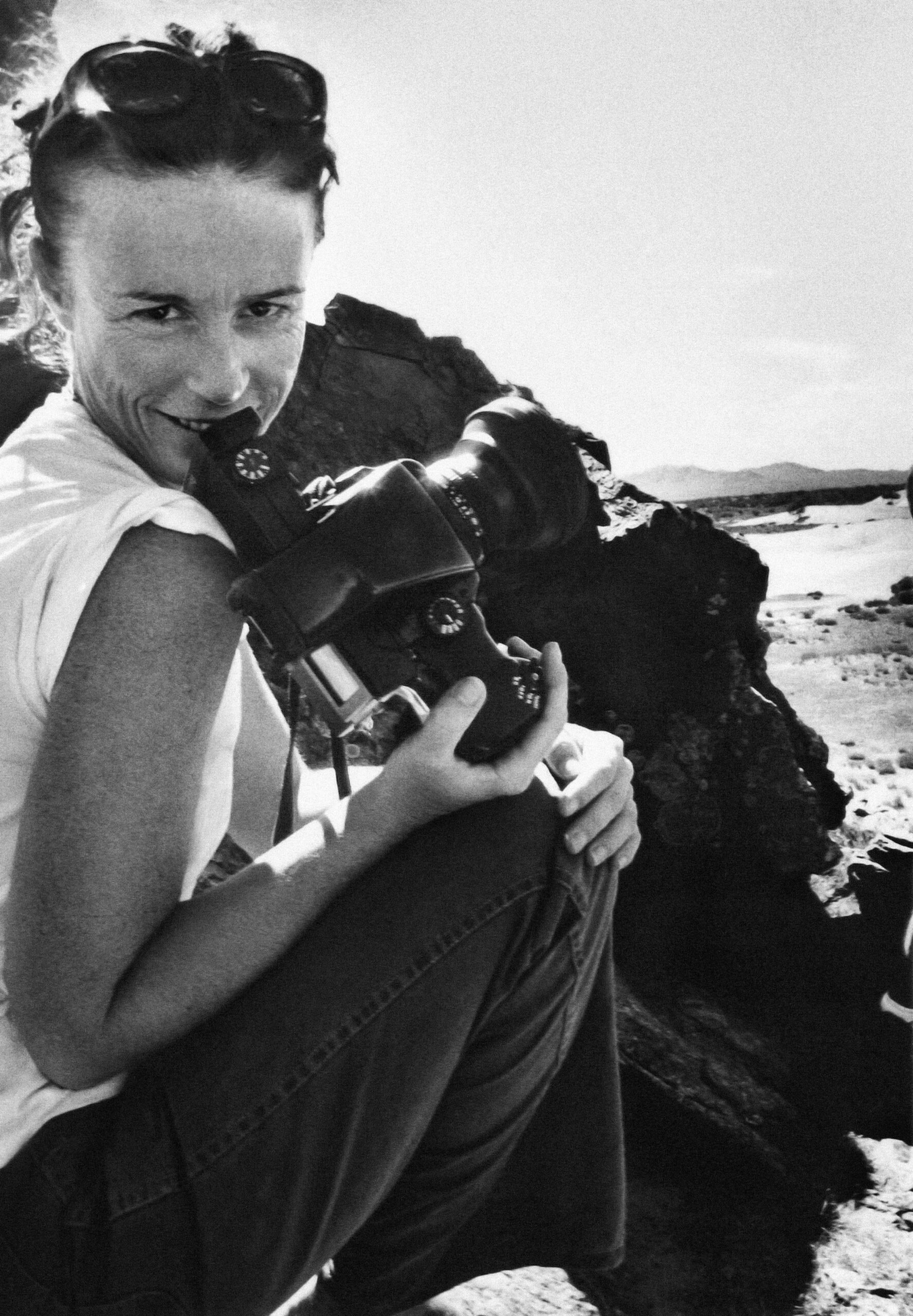
What began as a childhood spent adapting to new cultures transformed into a riveting, memorable career in the world of fashion. Pamela Hanson’s pictures effortlessly speak authentically, trust and openness. Shaped by the film-era discipline, her work has travelled around the world, featured on various covers and is also a permanent part of the Smithsonian.

Asian Photography spoke to her about film-era sensibilities, environments shaping creative vision, the importance of mentorship and more. Excerpts:

How did growing up in multiple places and moving around shape your creative vision?


I’m not entirely sure how to pinpoint it, but I know that my time in Paris had a profound influence on me— everything there feels different. I was captivated by the light, the people, the overall style, and the sheer beauty of the city. It left an imprint on how I see the world and how I approach my work. Growing up as an American in Europe, I often felt like a perpetual outsider. 
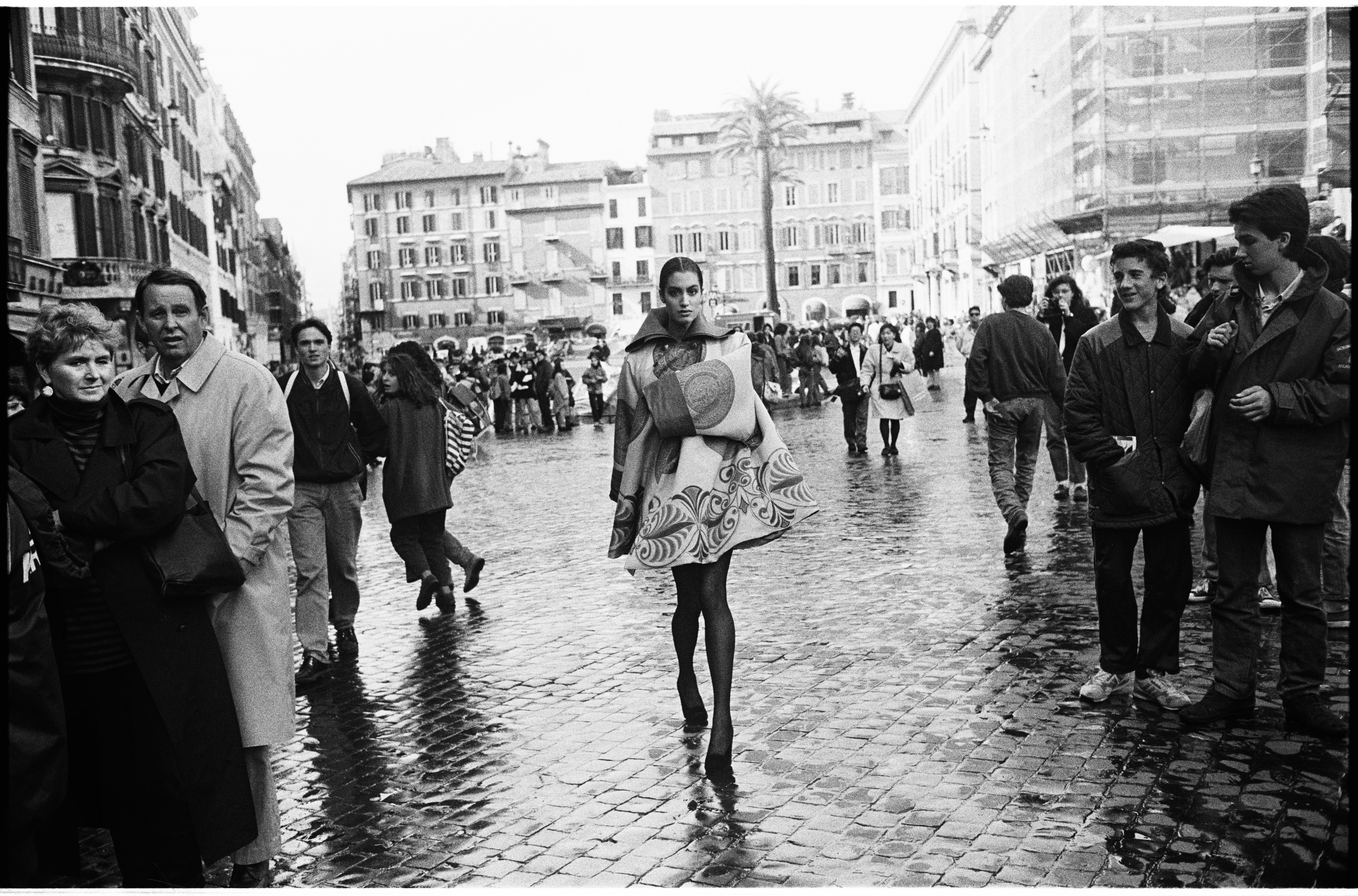
But that sense of being a foreigner turned out to be a gift—it gave me a sense of independence and freedom, allowing me to move through life unbound by a single cultural identity. I’ve always been fascinated by different cultures and people, and I’ve always loved to travel. The constant movement, the exposure to new places, and the experience of adapting to different environments have been deeply inspiring in themselves. 

Living in Colorado was another important chapter. It gave me the space and quiet to truly learn the craft of printing and processing in a low-pressure environment. I also had the privilege of living with someone who encouraged me and helped me gain the confidence to pursue photography as a career. I have a particular love for shooting on location, outside of a studio, because every city and country carries its own unique personality. I’ve found that I can get comfortable almost anywhere and even thrive in unfamiliar situations, which has shaped the way I approach photography and life.

How important is mentorship in photography, especially fashion? Could you give us an instance of a mentor opening your eyes to something, like a new perspective? 


Mentorship has been incredibly important to me. When I first started shooting in Colorado, I experimented with all kinds of styles and felt like I needed to work strictly within the fashion industry. What I realised, though, is that what I truly love is capturing the human experience—documenting people in life.

After graduating, I started looking at fashion magazines and found myself most drawn to Arthur Elgort’s images. All my favourite photos—the ones I felt were truest to me—were intimate images of my friends and their lives, and that seemed to resonate in his work as well. I tracked him down and met him in New York while figuring out my next steps. He suggested I move to Paris, where I already had friends and spoke the language, and he hired me as a third assistant—mostly as a driver and gofer when he came for shoots. I assisted him around four times on major Vogue shoots, which helped me understand how the industry really worked. This experience was an incredible gift, and I am deeply grateful to him for these opportunities.

How did you build your approach to a photography shoot? 
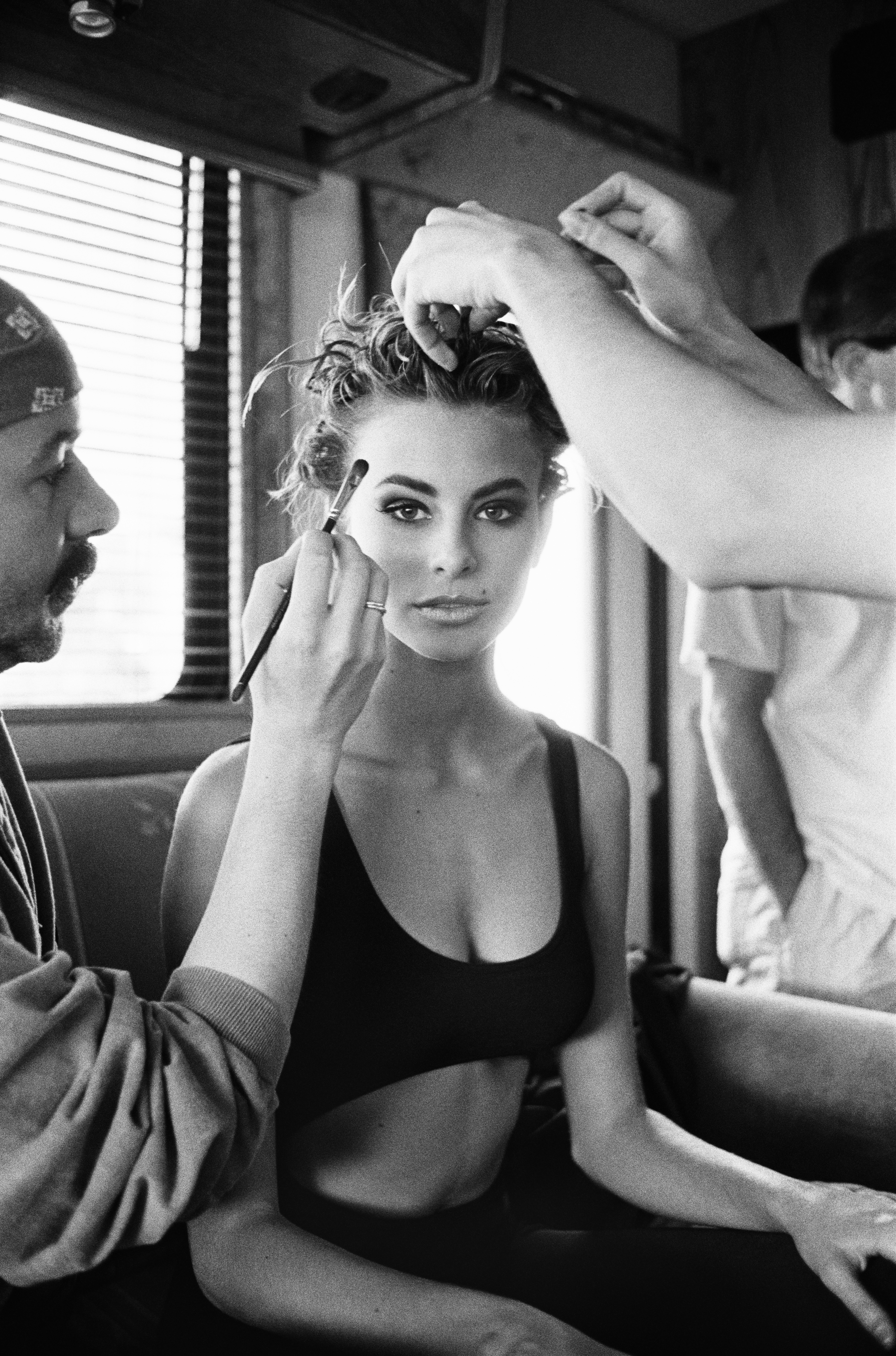
I always spend a significant amount of time talking with the editors or art directors I’m collaborating with, or anyone involved in shaping the story ideas. These conversations are essential because they help me understand the vision, the tone, and the direction everyone wants to take. After that, I try to dig deeper into the specifics—discussing what the fashion theme might be, who the celebrity or subject is, and what projects they are currently working on or promoting. This helps me tailor the concept so it feels authentic and engaging.

Once I have a clear understanding of the project, I dive into research. I look at stories in cinema, photography books, and other visual references that can help me create a mood for the shoot. This not only informs the aesthetic, but also gives the subject inspiration and context for their role in the story. Whenever possible, I like to meet or speak with the subject beforehand—it’s incredibly valuable for building rapport and understanding how to bring out the best in them during the shoot. I also believe it’s crucial to continually expose yourself to a wide range of creative influences. Looking at books, movies, art, and exhibitions keeps me inspired, helps me refine my voice, and ensures my work stays fresh. Inspiration can come from anywhere, and staying curious allows me to approach each project with new perspectives and ideas.

Building on the approach, how do you balance the creative needs and capturing organic moments?

I try to stay open to what might happen in the moment on set, embracing organic developments that aren’t forced, and resisting the urge to be too rigid or overly controlled. I spend a lot of time thinking, planning, and preparing beforehand, considering all the technical and creative aspects, but once I’m on set, I leave myself room to respond to whatever naturally arises. Sometimes this can be as simple as noticing how the light falls and figuring out how to make the weather work in my favour, or sensing someone’s mood and adjusting accordingly.
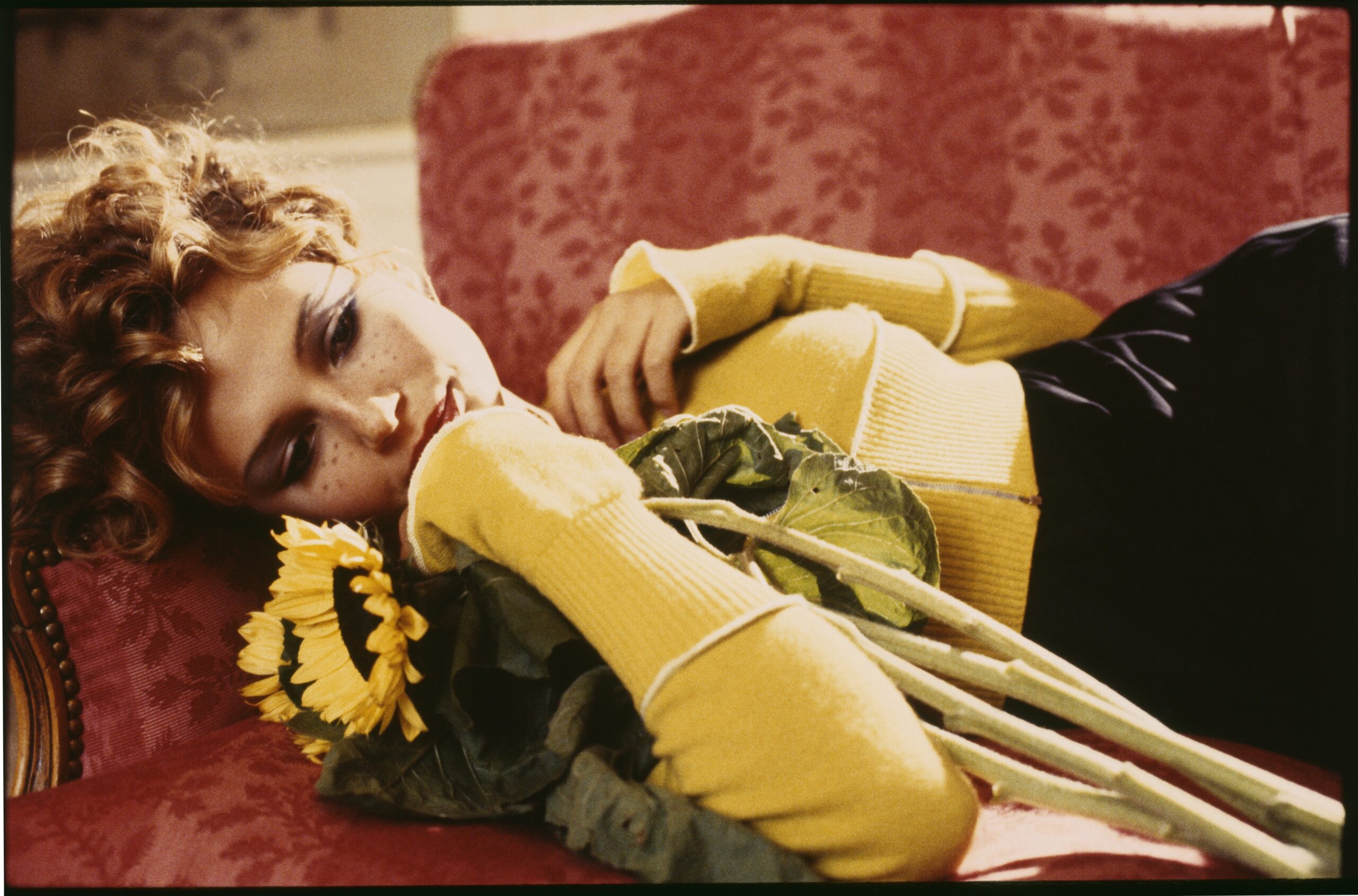
Anything can happen when a group of people comes together, and the beauty of the process is in staying flexible and attentive. I try to remain open to all possibilities and to use whatever is available to craft the best images I can in that moment. It’s about responding to circumstances rather than imposing too rigid a structure, about being present and mindful of what is in front of you, and finding inspiration in unexpected moments.

At the heart of it, I believe it’s essential to stay open, keep learning, and remain true to what you see and love, trusting your own instincts above all else. It’s far too easy to get lost in what you think you “should” be doing, in the expectations of others, or in imagined judgments. These external pressures can cloud the creative process. By staying true to yourself and trusting your own vision, you allow authenticity and originality to guide your work. That trust—both in yourself and in the process—is what allows for moments of real magic to unfold.

What are your earliest learnings about sensibility from the film-era that still stay relevant today?

My earliest learnings about sensibility came from shooting film, and they still anchor my work today. I still shoot film stock and print those images in my studio. When you learn on film, you learn to slow down and pay attention—to light, weather, gestures, to emotion, to quiet transitions that happen in front of the lens. When every frame costs something, you learn to wait for the moment rather than shoot our way toward it. That cultivated a kind of intentionality that digital technology hasn’t replaced.
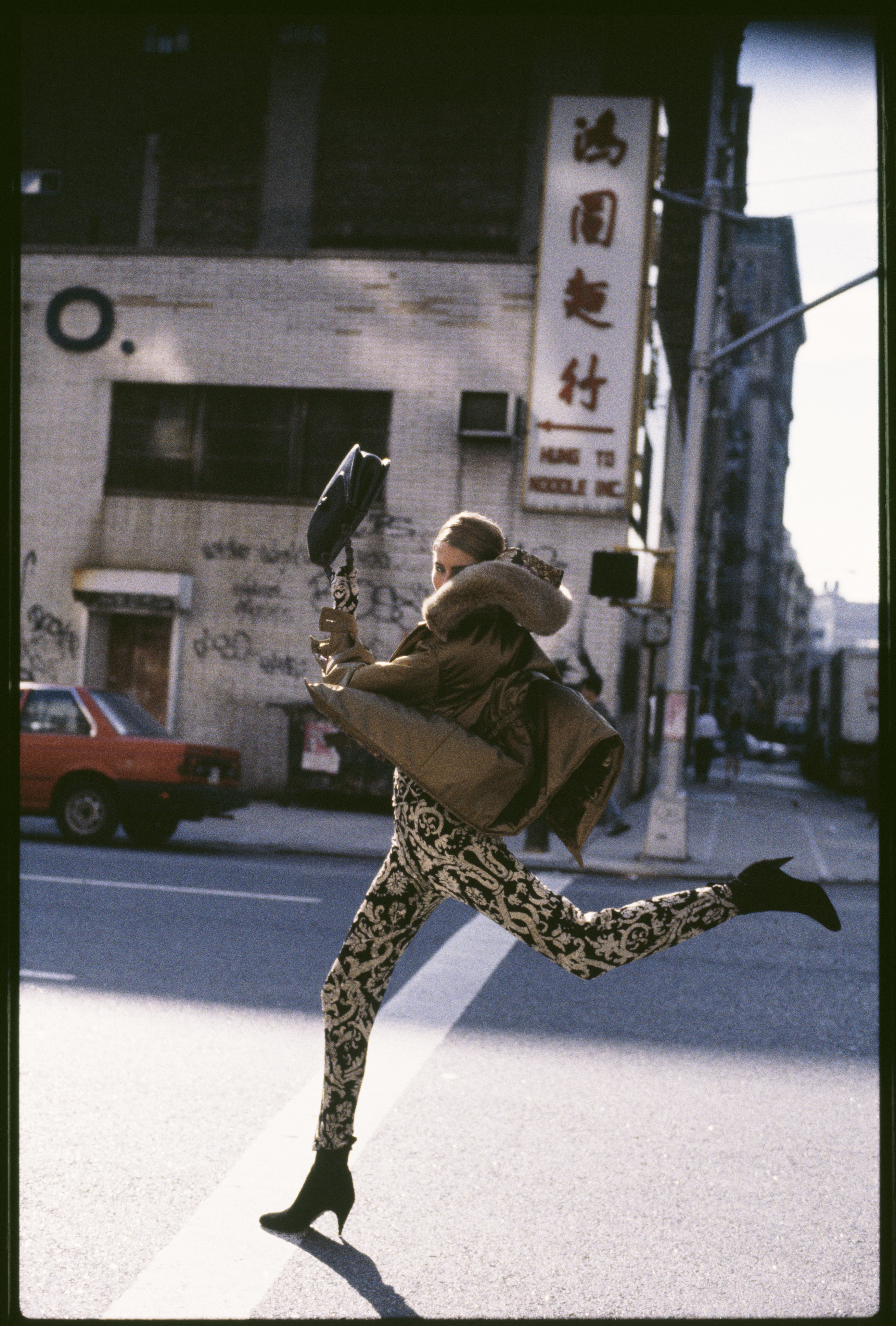
Film also taught me to trust my instincts. Without the ability to check the back of a camera, you develop an internal meter—not just for exposure and technical understandings, but for feeling. You learn to sense when the picture is there, even before you take it. That sensibility becomes a way of seeing that never leaves you.

And maybe most importantly, the film era taught me to embrace imperfection. Grain, softness, the way light behaved on different stocks—these weren’t flaws; they were part of the photograph’s soul. Even now, with all the precision digital offers, I still look for that humanity and texture in every image. Retouching and photo manipulation were virtually nonexistent in the way we know them today, so the honesty of the image mattered—you had to get the moment, the expression, the energy, and the crops in camera. 

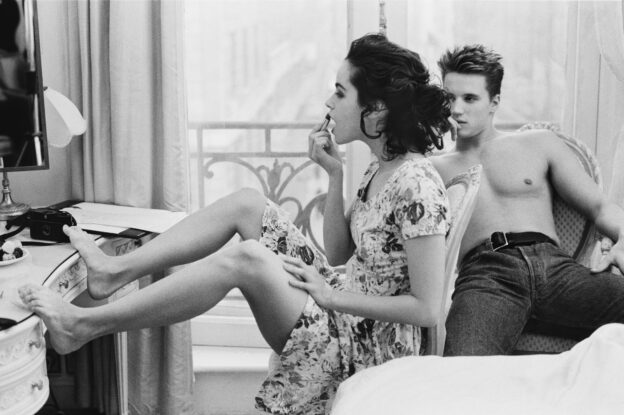
My new book, Pamela Hanson: The 90s, released by Rizzoli this year, is a reminder of how deeply that sensibility shaped me. The photographs—all shot on film in the late 80s and 90s—have a kind of authenticity and immediacy that can only come from that era’s process. Revisiting those negatives reaffirmed what film taught me from the beginning: that sensitivity to atmosphere, connection, and timing is timeless.

As someone who’s built deep, trusting relationships with your subjects, how do you see the “female gaze” evolving in fashion photography? 

I’m not particularly fond of that expression because it can feel limiting, as if all women see or create in the same way. I think it’s less about a “female gaze” and more about a personal gaze. Everyone brings their own perspective, experiences, and instincts to their work, so subjects naturally respond differently to each photographer. In reality, every photographer—regardless of gender—brings a unique blend of personality, intuition, lived experience, and emotional sensitivity to their work. Because of that, subjects respond differently to each of us. The dynamic between photographer and subject is incredibly nuanced, shaped by trust, energy, curiosity, and the very particular way one person sees another.

What is exciting to me about evolutions in fashion photography is seeing how many incredible female photographers are out there today, creating powerful, innovative images and reshaping the landscape of visual storytelling. It’s inspiring to witness such a wide range of voices contributing to the medium as well as in film.

Any tips for upcoming photographers to find their voice in the crowd today?
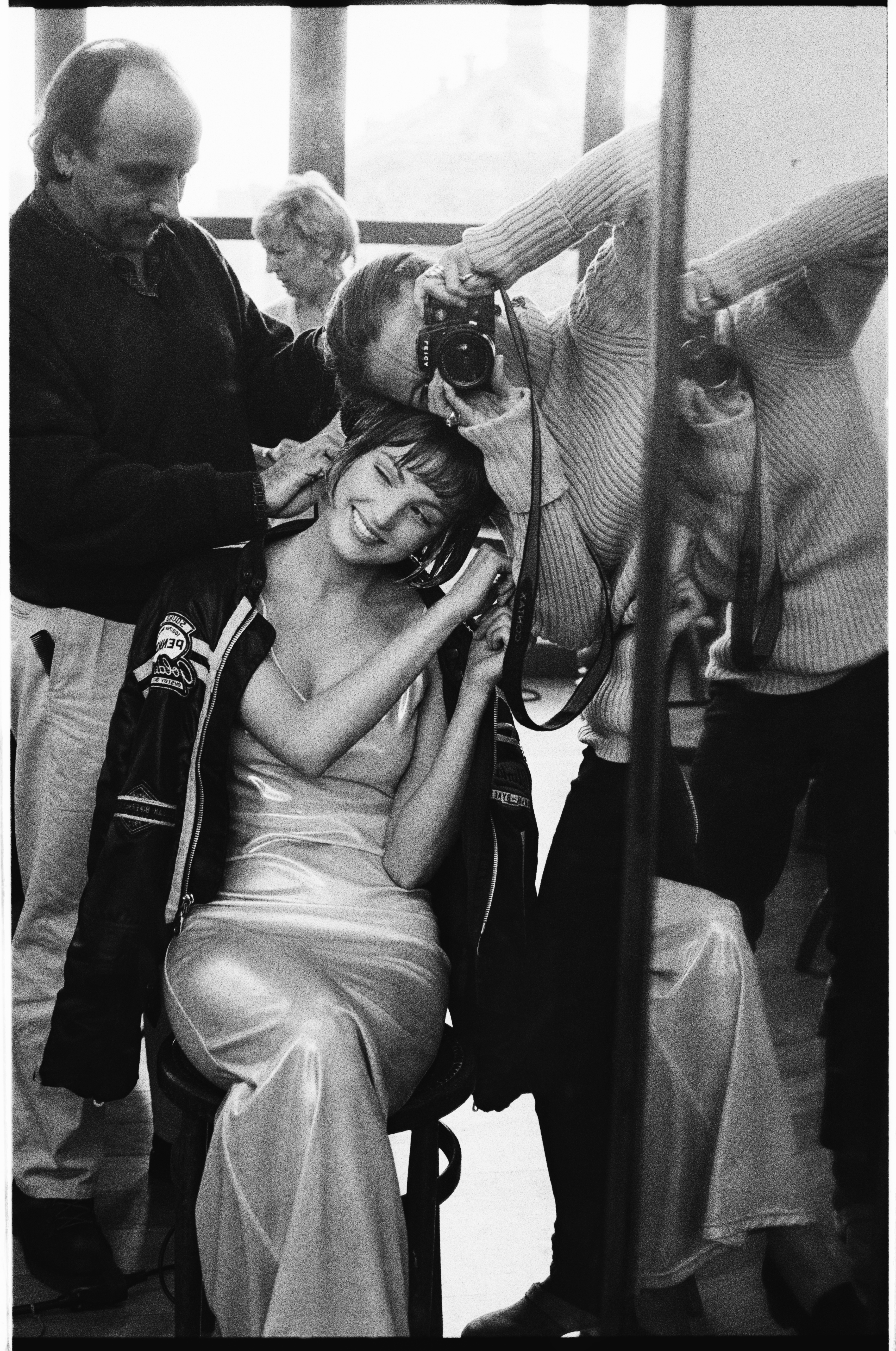
I imagine it must be incredibly challenging, especially now when there are so few magazines and so many photographers all competing for attention. The landscape is crowded, and it can be easy to feel unsure of your own direction. But I would say the most important thing is to trust your Eye and trust your instincts. Try not to spend too much time on social media as it’s so easy to get swept up in what everyone else is doing, and before you know it, you’re being influenced in ways you don’t even realise.

At the same time, keep yourself educated and stay curious. Never stop learning or looking for new sources of inspiration, whether that’s through books, exhibitions, conversations, travel, or simply observing the world around you. The more you feed your mind and broaden your perspective, the stronger and more personal your work becomes. Balancing constant growth with a commitment to your own vision is what ultimately shapes your voice as a photographer.
No Subject Too Small – Aparupa Dey

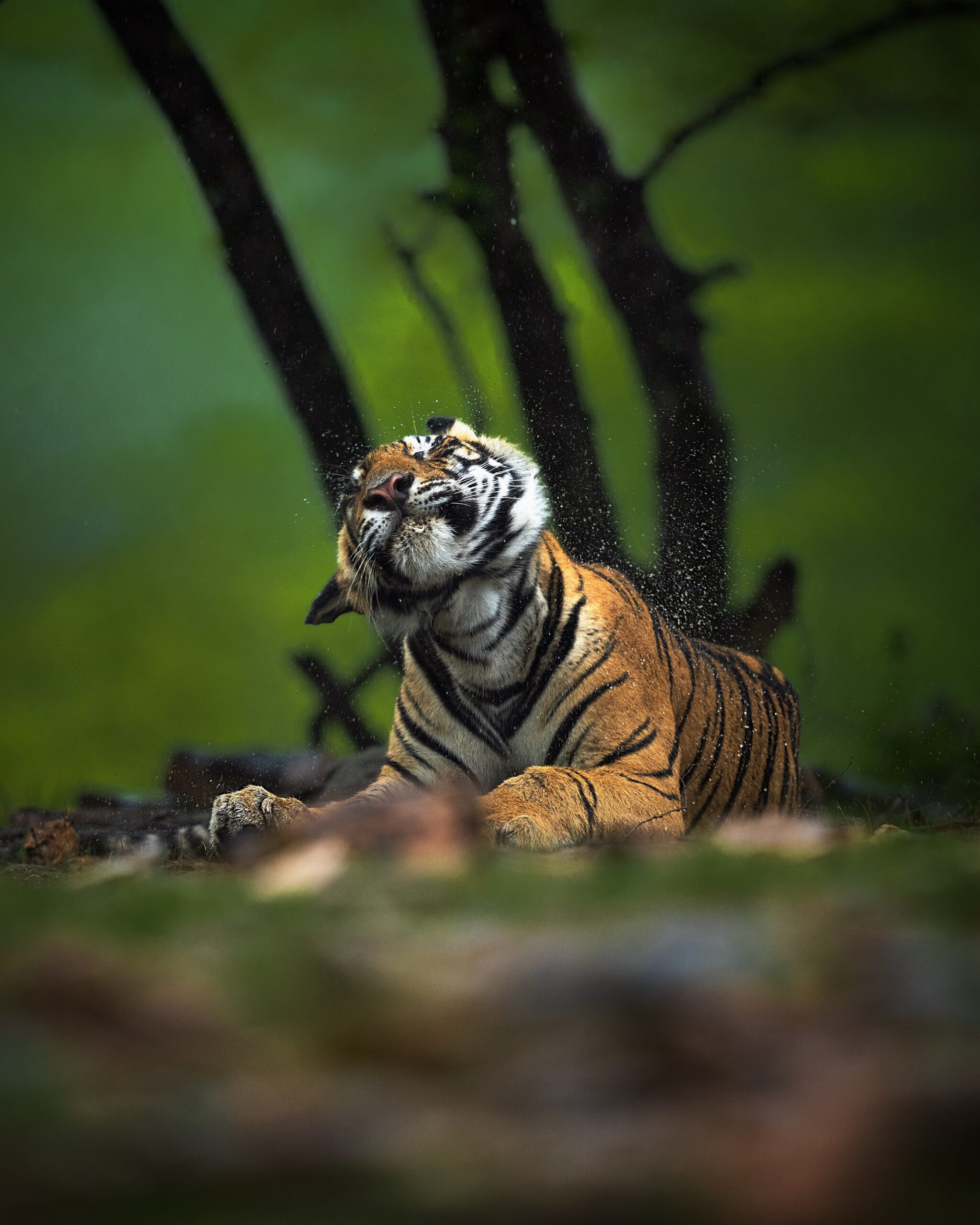
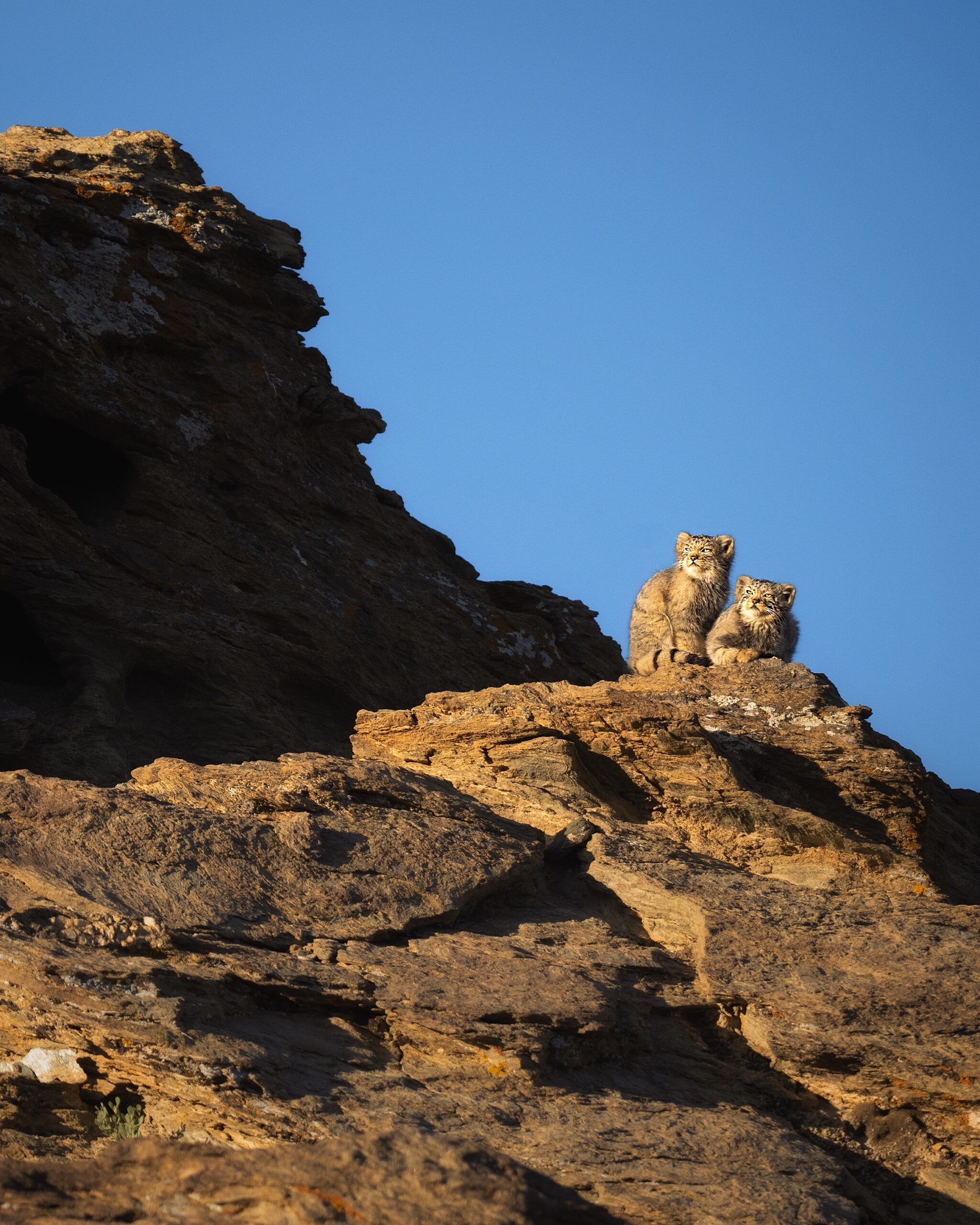
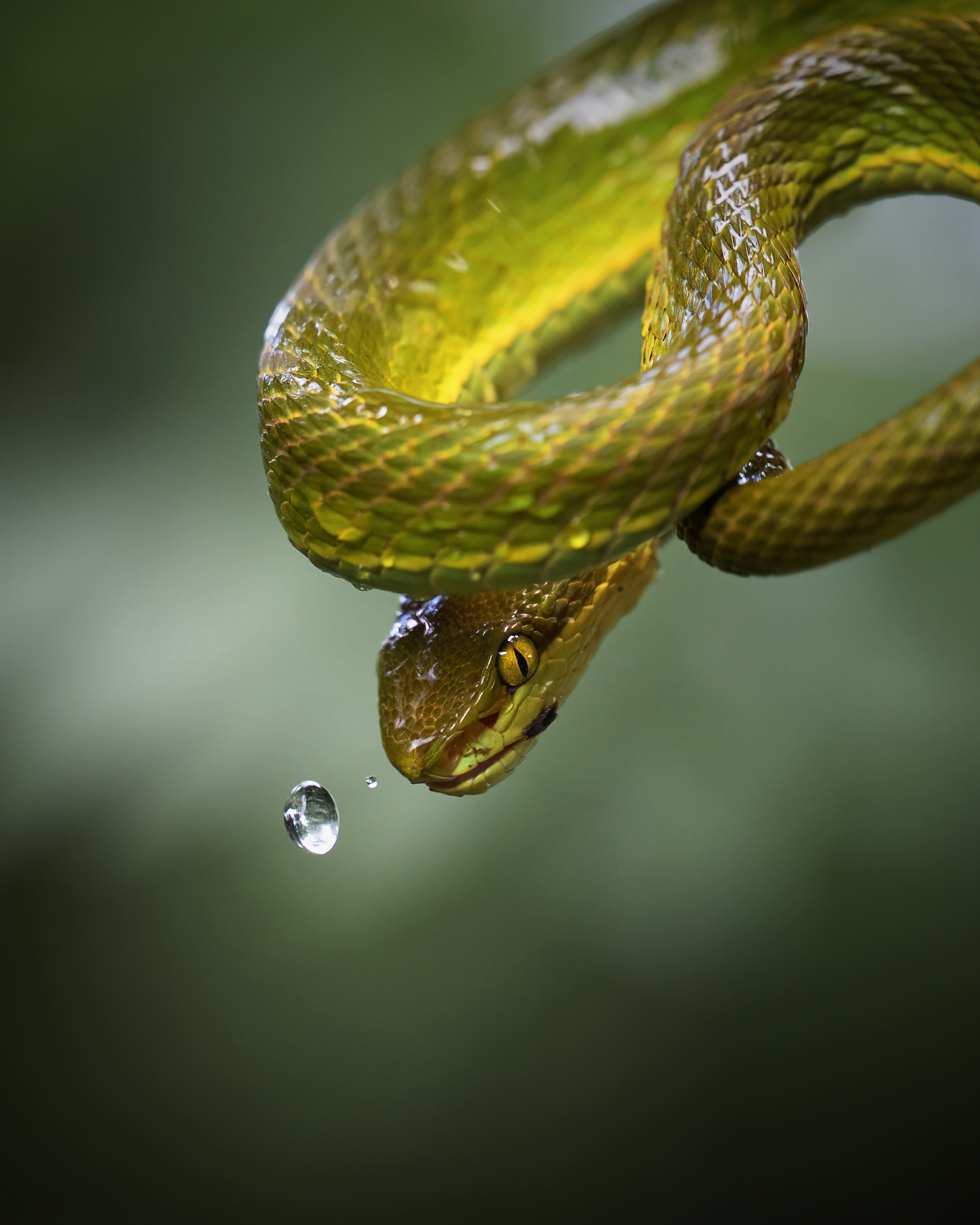
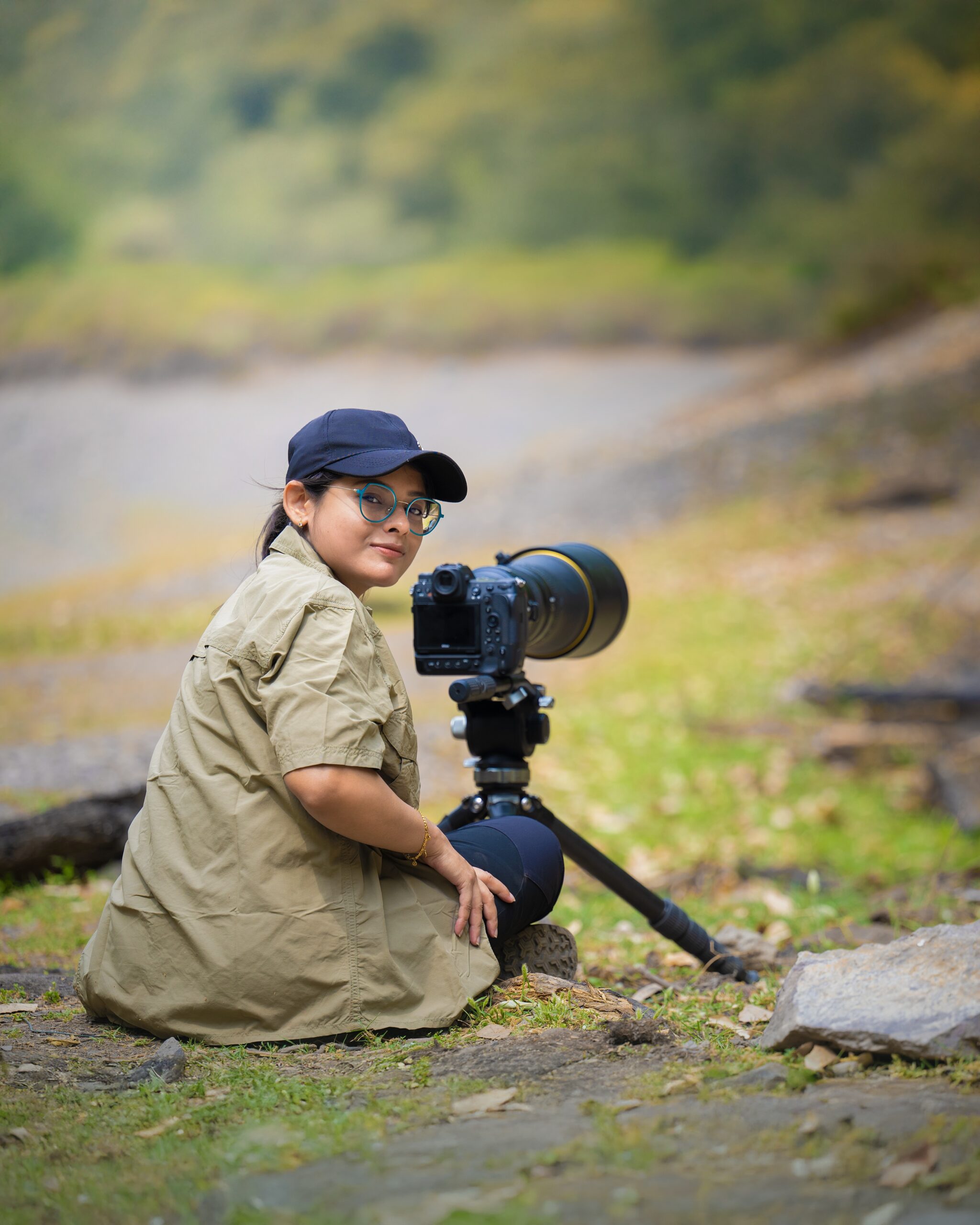
Aparupa Dey is a wildlife photographer dedicated to capturing the raw beauty of Indian wildlife. Her work spans across multiple habitats and species, highlighting the charms and challenges faced by her subjects. For her, no creature is too small, as is reflected by the respect and space she gives to them while wading through muddy plains and waist-deep waters pursuing the perfect shot. Asian Photography spoke to her about capturing a wide range of subjects, evolution of process, risks she took while making photographs and more. Excerpts:

How has your work and process evolved over the past years?

Over the years, my work and process have evolved significantly, shaped by both experience and deeper observation of wildlife. Initially, my focus was largely on capturing the obvious moments like clear sightings, striking compositions, and technically perfect shots. But with time, I’ve learned to slow down, anticipate the behaviour of the subjects.

Now, my process is much more research-driven and thoughtful. I spend considerable time studying species, their habitats, and behaviour patterns before even stepping into the field. The evolution of my work reflects a shift from purely technical execution to a more holistic approach blending preparation, patience, and creative vision to create images that resonate deeply with viewers.

What drew you to capturing smaller animals and birds rather than focusing on only big mammals?

I don’t judge animals based on size; I see them all simply as life. Growing up in a rural area abundant with wildlife, I began my journey as a hobbyist, often spending time by the riverside in my village, capturing little colourful birds, jackals, mongooses, and other creatures. Over time, I realised that these lives aren’t just existing, they each have a world of their own. If you take the time to observe closely, you’ll see how they interact, protect their nests, nurture their young, and display behaviours full of intention and complexity. It was this fascinating world and these behaviours that drew me to focus on them, even more than travelling to exotic locations. 

Could you describe your preparation before entering the field and how do you choose your subjects on the field?

If I know the place and what I am going to capture then most probably I know what to expect and where. But things change when I go to a new place. Usually, it begins with selecting the species I want to photograph. Then I study them, their habitat, the best time for sightings, and the prevailing weather conditions. I also gather details about their life cycle, such as mating seasons or the right time to spot cubs.

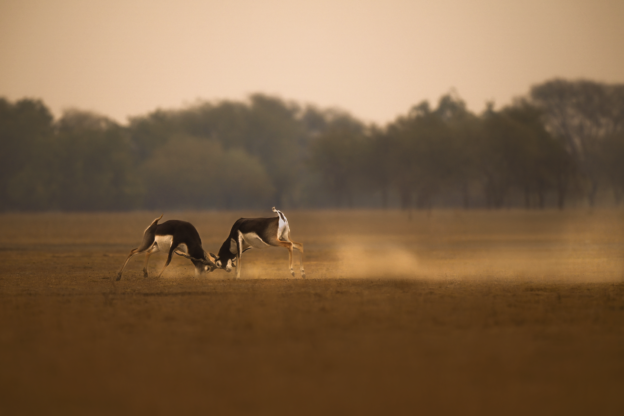
And they do exhibit different kinds of behaviour during different times. For instance, if you visit a blackbuck habitat during their mating season, you’ll often witness males locking horns in dramatic fights to display their strength and to defend their territory. If one can position themselves against the setting sun, then they can capture dramatic images of black bucks locking horns with dust arising into the golden light. That’s where my research pays off.

After that, I connect with local guides to get firsthand insights and cross-check my research. I make sure to prepare weather-appropriate clothing, protection for my camera gear, and do a basic financial analysis of travel and related stuff. I also watch videos on YouTube about the location to get a sense of the landscape and possibilities there. Once all this groundwork is done, I set out on the field.

What was your riskiest experience in the wild—in terms of light, weather, movement or safety?

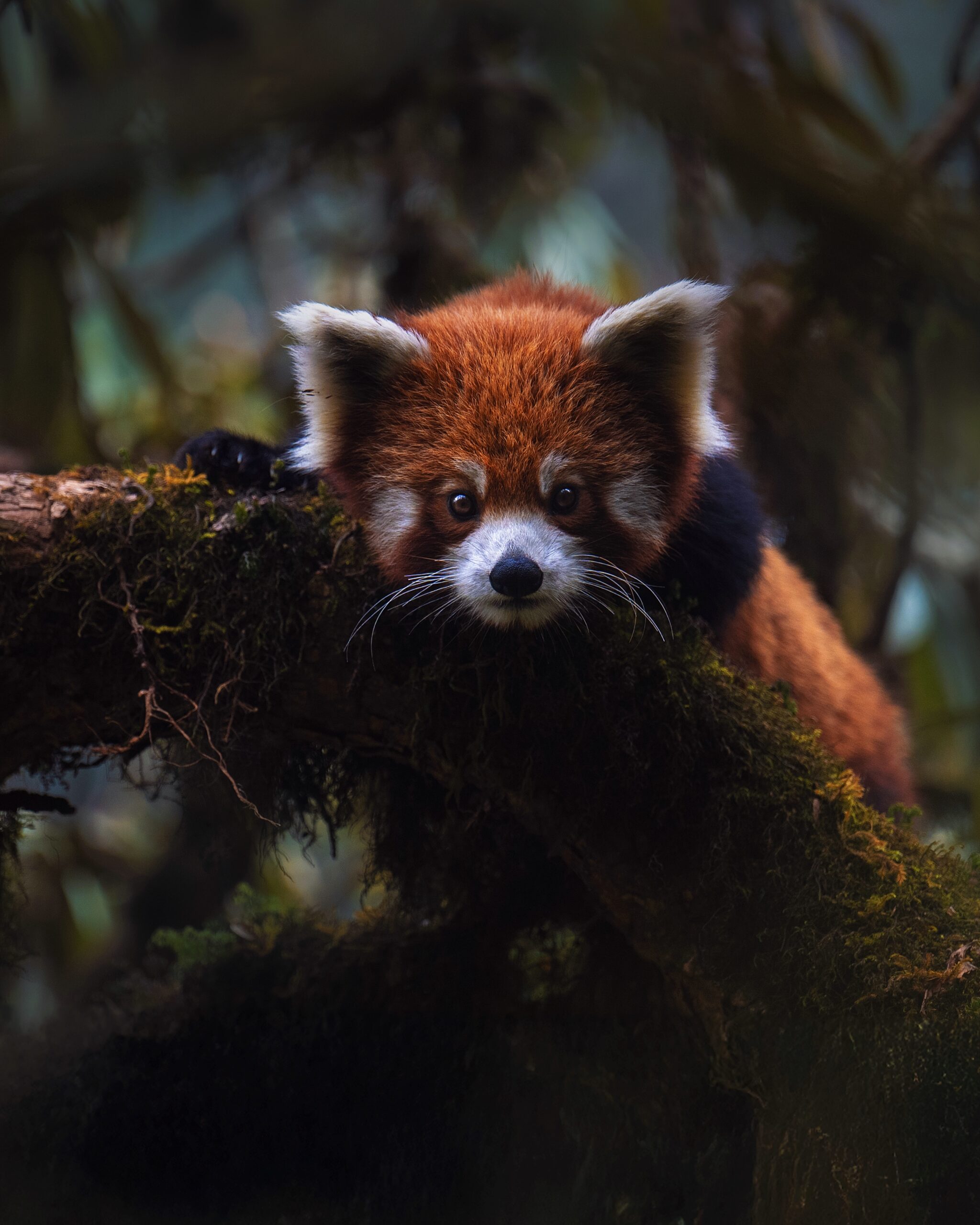
I think my recent Red Panda expedition in Nepal stands out the most. The terrain was extremely tough—we had to constantly ascend and descend sizeable mountains covered with thick bamboo, making movement nearly impossible. Carrying all our equipment through that was especially challenging. The slopes were steep, the ground damp, and being in a temperate forest meant the weather was unpredictable. Thick fog often reduced visibility to just half a meter, making every step an intense challenge.

How has guiding other photographers influenced your photography and vision?

Well, this is something which is a by-product of interacting with other people or fellow photographers. It forced me to observe more carefully, and explain the “why” behind every shot when asked, whether it’s about composition, behaviour or patience. It made me more conscious of my own approach, helping me refine my techniques. It’s also broadened my perspective, as seeing how others interpret the same scene often inspires me to experiment and look at wildlife in new ways.

How do you see fresh possibilities, perspectives and shots while shooting at the same place/spot?

The goal isn’t just to photograph a species, but to capture it in action and in dialogue with its environment. Even when the place and species are familiar, their behaviour and the natural conditions are constantly changing. By ‘natural condition’, I mean elements like light, shadows, clouds, rain, mist, temperature, and wind etc. all of which shift daily. These factors, combined with the species’ behaviour, open up countless possibilities for unique shots. And if you feel like your images are starting to repeat, simply switch to a different lens or focal length, and a whole new range of possibilities unfolds. And personally this concept has worked for me. 

I started photography in 2014 a little actively while I was a student. From 2014 to 2022, for eight long years I kept on returning to the same stretch of river which is approximately 2km away from my home with my mother to capture wildlife and each day I returned with tons of images and a heart full of happiness of capturing and observing something special. Therefore all I would say is keep returning to the same spot whenever you can. Even if some shots repeat, you never know what fresh combination of action and environment awaits you next time.

If you could capture one image that represents your philosophy as a photographer, what would it look like?

If I could capture one image that represents my philosophy as a photographer, it would be of a wild animal completely absorbed in its natural behaviour, framed in harmony with its surroundings. Not a staged moment or a dramatic chase, but a quiet, authentic interaction between the species and its environment, maybe a bird silhouetted against shifting light, or an elephant emerging through mist. For me, that balance between subject, action, and nature’s variables is what truly defines my vision: to tell stories that are honest, intimate, and deeply connected to the wild.

A New Dimension in Fashion – Anai Bharucha

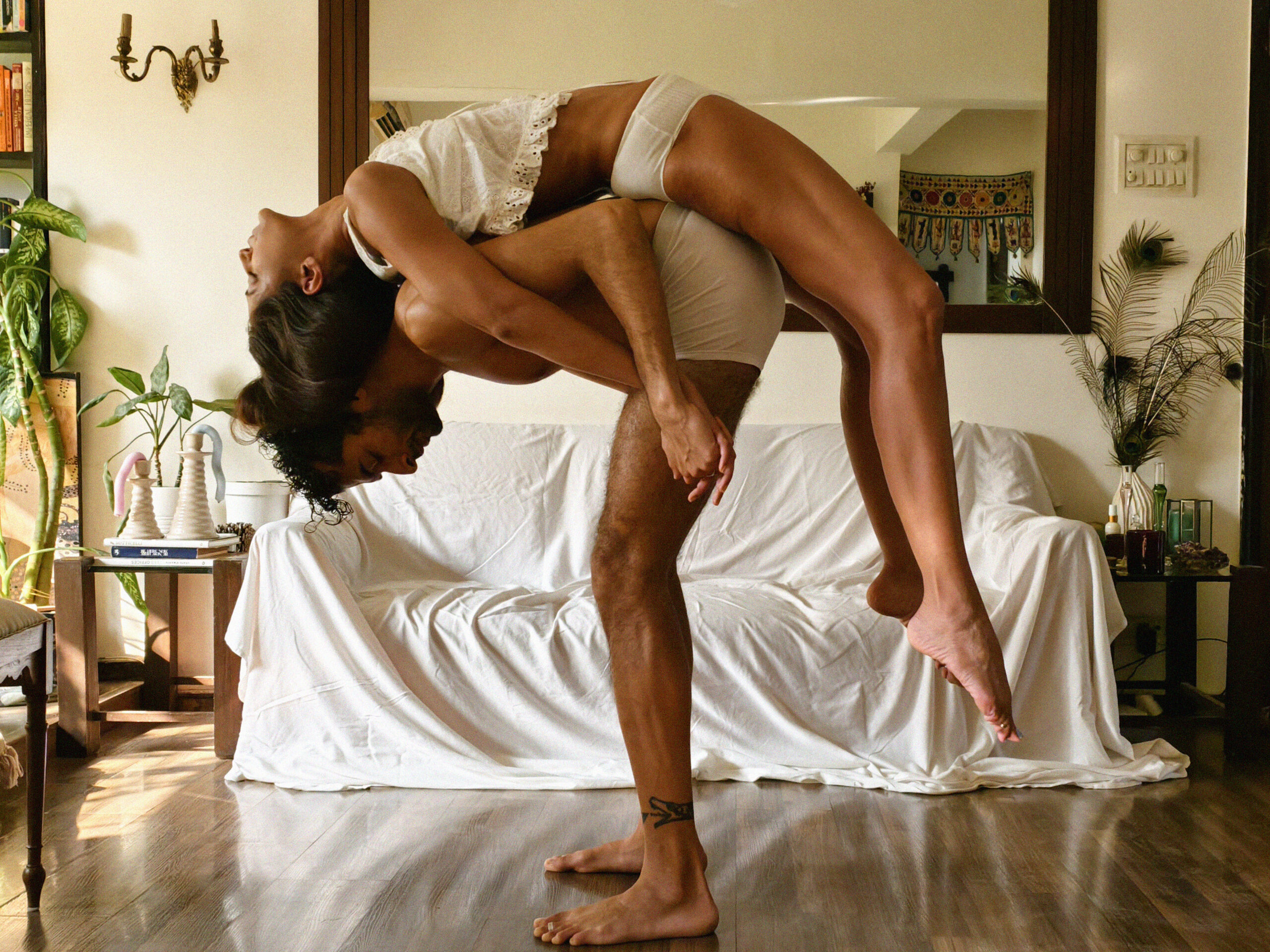
Anai Bharucha’s artistic vision stems from a variety of places. She has shot a variety of genres starting with fashion, but her personal work is far away from what she does commercially, dwelling on themes of body positivity, wellness, individuality, family and more. Her work has gained international recognition, as she’s worked with brands like Estée Lauder, Reebok, Bodice, Vogue India, Harpers Bazaar and more. Asian Photography caught up with her, talking about her inspirations, vision behind a picture or a picture series, and the ultimate advice that is required for this day and age. Excerpts:

How did you pick up the camera? What inspired you?

I originally picked up a Nikon F70 that my uncle gave me almost 15 years ago in Hong Kong. He used to be a professional sports photographer. I shot a cricket match at the Kowloon Cricket Club (KCC) just for fun, and I remember really enjoying the process of freezing a moment in time. 

My uncle praised my work with so much heart, even though it was probably just average! It gave me a sense of confidence, so I kept shooting. I came back to Bombay and started shooting my friends, and I found far more joy in shooting fashion and people. I started to apply for courses in the UK and New York, as there was nothing in India that was quite so specific in the field I wanted to explore at the time. Fast forwarding, I ended up spending three years in London at UAL. Looking back, I do not believe anyone needs to study photography (at a school), however I will always be grateful for the exposure and world I got to be part of during my time away from home. It gave me a personal sense of style and aesthetic and helped to really mould my work at a time when fashion in India meant celebrity on a white background flanked by wind machines cover shoots. 

 How do you see the role of women evolving in the field of photography?

This is constantly changing, and the percentage of women in the field has definitely increased in the last 10 years. However, I do feel there is still a long way to go within the advertisement or commercial photography world, especially in India.

What are some key elements that make a photograph stand out?

Every image is different and speaks to a viewer in different ways. Some of the things that might tend to catch my eye first are light, perspective, what an image is trying to say with regard to a story or narrative, and sometimes I simply get pulled into an image with leading lines.

What themes or subjects do you love capturing the most, and why?

I’m always inspired by people, the body, human behaviour, spaces, architecture and colours. I started off with fashion, but now see myself pulling further and further away from it when it comes to my personal work. Furthermore, I find myself more drawn to documentary style of work, which ultimately can integrate with fashion sometimes.

Can you describe a project or shoot that holds special significance for you?

I genuinely feel like I let every project consume me. From conceptualisation to the final edits. I sometimes obsess over the smallest details: the light, the mood, the emotion. Some projects stay with me longer than others after completion. But I can recollect a special one. A couple of years ago, I shot for a fashion brand called Reistor. The campaign was titled ‘Wear the Damn Shorts’. We shot a body positivity story with real women from all walks of life. I felt like I had the power to make everyone feel really good and confident about themselves (even if it was just for one day) and it ended up feeling like such a rewarding day.

What are some of the most rewarding moments you’ve experienced as a photographer?

Seeing my work in print, whether it’s on billboards or stores, in a magazine, or in a coffee table book still always makes me feel a deep sense of fulfilment. It’s a moment of validation for ourselves. I don’t know if digital will ever be able to replace this feeling. 

Have you ever felt the need to prove yourself more in this field? 

Yes. Being a woman in a male dominated industry, that feeling never quite leaves you completely. Sometimes it’s faint, just in the background. But on big advertisements sets or film sets with a hundred plus people on-site, it is much more prominent. But I do believe I am able to create some of my best work when it’s just me, my camera and my subject.

What has been the most challenging photoshoot you’ve done, and how did you handle it?

None of my shoots have been super tedious in that sense. I like to maintain a calm, easy environment on set. Sometimes the back and forth with agencies / the clients on post work has been quite challenging and draining. In general, I don’t think there’s any job I regret taking up. Everything is learning for me.

What advice would you give to young women aspiring to enter the photography industry? 

Shoot for yourselves first. Don’t look at what everyone else is doing. We are living in a time when we are overloaded with digital content and everything can start to look and feel the same. Look at photo books instead of social media for inspiration. Travel. And try to find your own style of work through something personal to you – your family, your childhood, the way you see the world around you right now, anything. 

What is one message you want to convey through your photography on Women’s Day?

Be yourself. Use less filters – on social media and in life.