
It’s time to dig out the Canon-Nikon rivalry from the DSLR era! Last year when we reviewed Nikon’s Z6 III, we concluded that it’s a solid buy with no real competition in the space. Well, that has certainly changed with the launch of the new Canon EOS R6 III.
Priced at ₹2.44L puts it above its entry-level sibling – the R8 and below the flagship R5, R3 & R1 bodies. It also squarely sits in the same price bracket as the Nikon Z6 III which is interesting for the competition!
Look, Body, Feel
The Canon EOS R6 Mark III has gained a little bit of weight, sitting at 699 grams, 29 more than Mark II, and feels solid in the hands. The construction is similar to the previous model and the button layout is also identical. The grip is deep and comfortable.
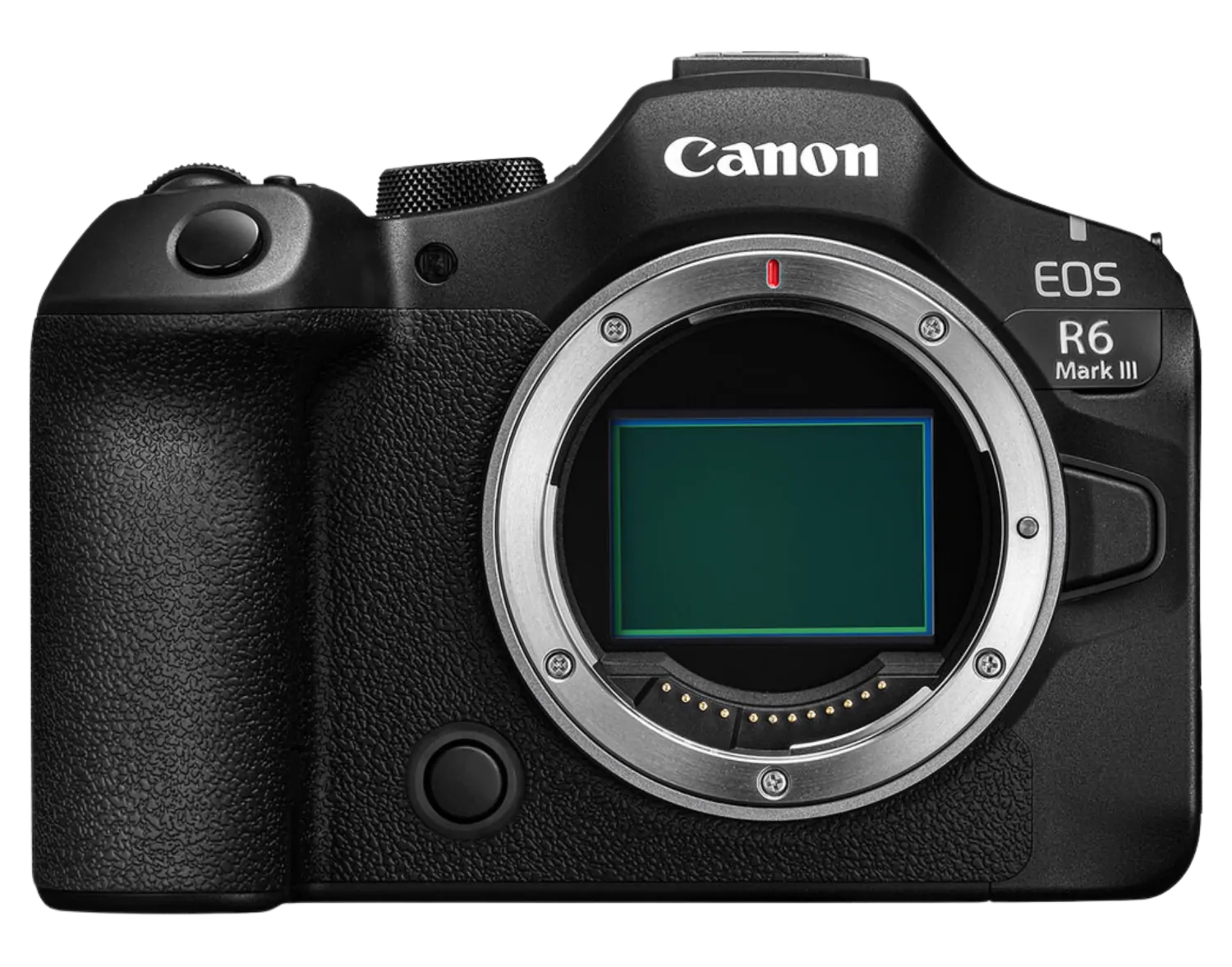
On top of the camera, on the left is the photo-video mode switch and on the right is an assortment of buttons including the record button, multifunction button (Mfn), on off button, the PASM dial and two control rings. In the PASM dial, you now have a dedicated Slow & Fast mode (written as S&F) — making slow motion & hyperlapse creation easy — a feature Sony cameras have had for a while.
But there are several quality-of-life upgrades that have come to this camera – for starters, you now have a CF Express card slot on the right alongside a UHS-II SD card slot. That’s required for the features this camera has, which we’ll discuss in just a moment. On the left, you have an assortment of I/O ports, but this now comes with a full size HDMI port instead of the micro HDMI like last year – a welcome improvement.
The 3.69M dots 120Hz EVF & 3-inch 1.62M-dot rear screen haven’t changed from the last time, but the Mark III comes with a tally light to indicate video shooting.
Sensor & Features
The sensor is where the Canon EOS R6 Mark III makes its most dramatic departure from its predecessor. Canon has moved away from the 24MP standard that defined the R6 series, opting instead for a brand-new 32.5MP CMOS sensor. This is the same sensor found in the EOS C50 cinema camera, bringing a blend of high resolution and speed that moves the R6 series closer to “flagship” territory by a small bit.
The Mark III does not feature a stacked sensor like the flagships or semi-stacked sensors, like in the Nikon Z6 III or the new Sony A7 V. But Canon has engineered this with their DIGIC X processor, significantly increasing readout speeds, which according to them is around 13.5ms – not bad at all for a sensor of this resolution!
The Canon EOS R6 Mark III comes with photo burst speeds of 12 frames per second mechanically, and 40 frames per second with electronic shutter, with up to 150 pictures in the buffer and 20 frames of pre capture. But the buffer shouldn’t be an issue if you use a CF Express card.
The Mark III is powered by the new LP-E6P battery that’s found in the R5II & C50, giving it an endurance of up to 620 shots – which is up from the up to 450 shots of Mark II. The Mark III also comes with a new digital hotshoe capable of supporting new wireless mics that don’t need cables & flashes.
Autofocus
The new sensor & Digic X processor make up for a pretty robust AF system, and if you’re familiar with previous Canon R bodies, you’ll feel right at home with the options. However, for newbies we’d recommend reading the manual or looking up a video explaining how it works.
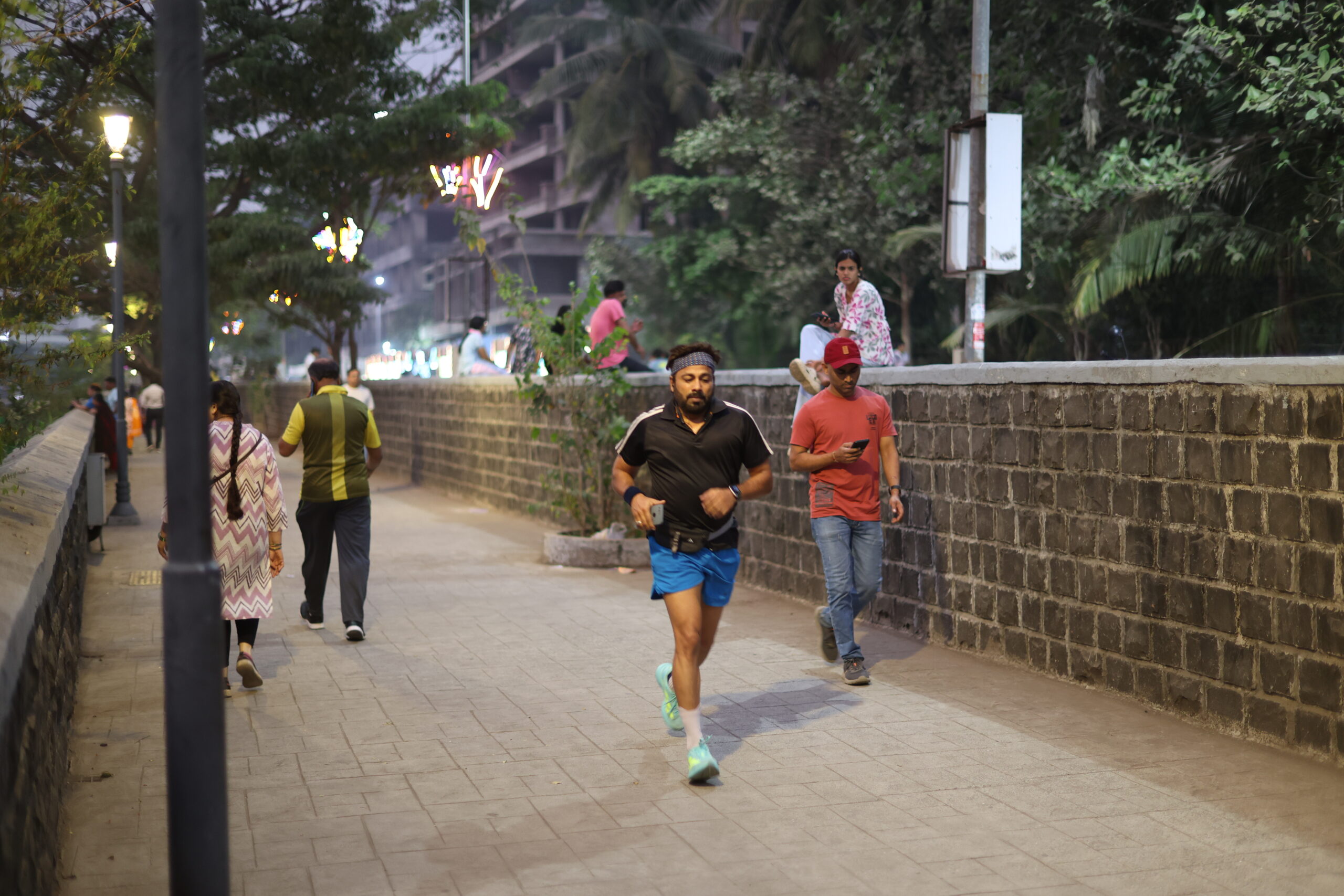
We shot all our test images with the new RF 45mm F/1.2 lens, and the subject detection worked remarkably well – but it took a little bit for the actual lens to catch up due to its limitations.

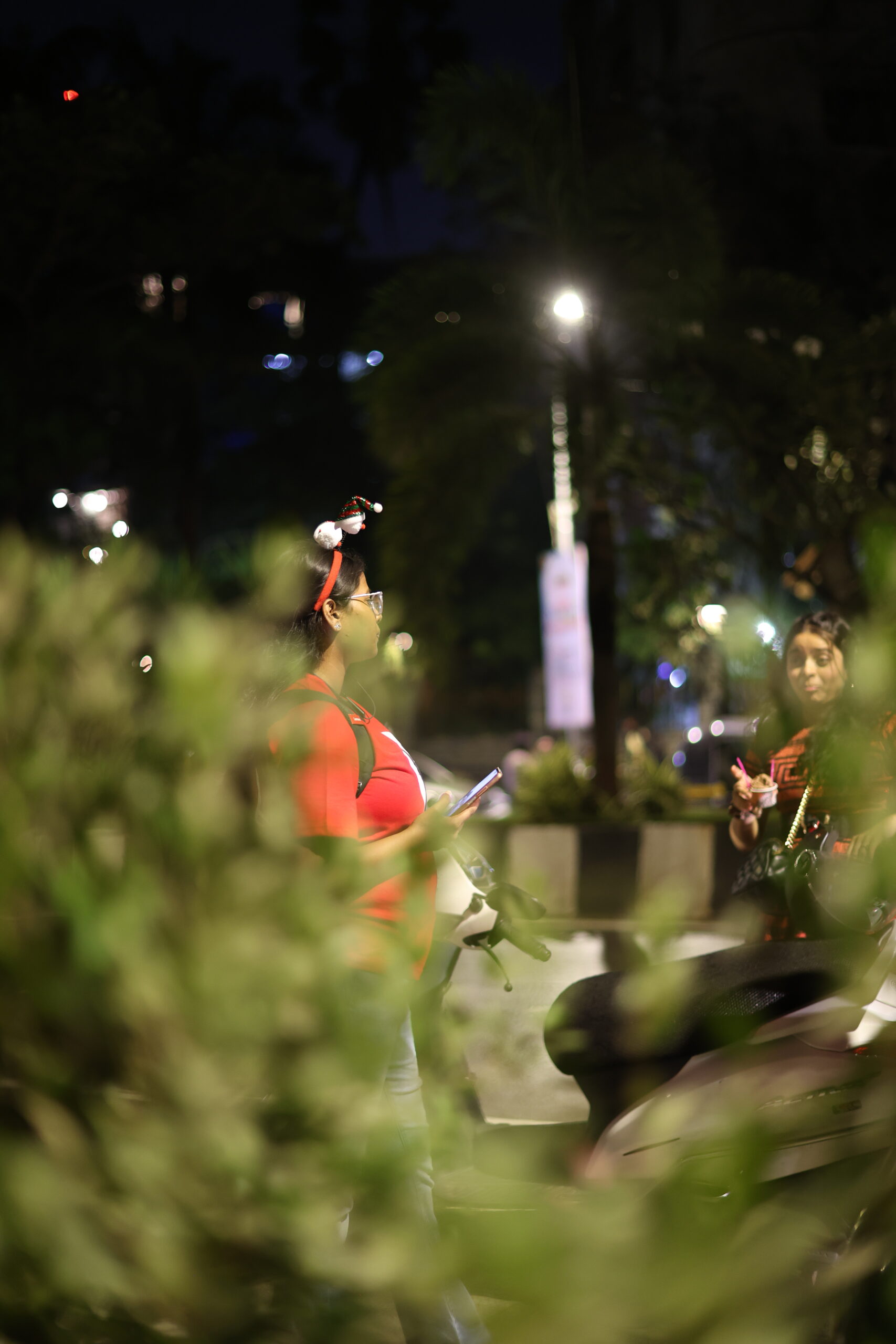

The camera identified faces and eyes really well even in dimly lit conditions and the AF worked well with animals as well. After detecting faces, you’ve an option to switch eyes using the joystick in the back when dealing with multiple subjects. But it’s not all good news as we had near-misses as well, and sometimes had to shoot multiple shots to get the shot.
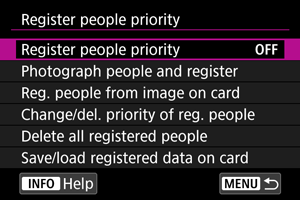
AF is consistent but very slightly lags behind the flagships – still a good performance. The people face register priority especially is a game-changer in this segment of cameras, as it allows you to prioritize whom to keep in focus when there are multiple people in the frame.
Image Quality & ISO Performance
As expected from a 32MP sensor, the images are well-detailed and the dynamic range is very good even for the JPEGs straight off the camera. In classic Canon fashion, colours are pleasing to the eye but don’t stray far from reality, and in lowlight there’s no weird colour shift, even in lowlight with less-than-ideal lighting conditions.

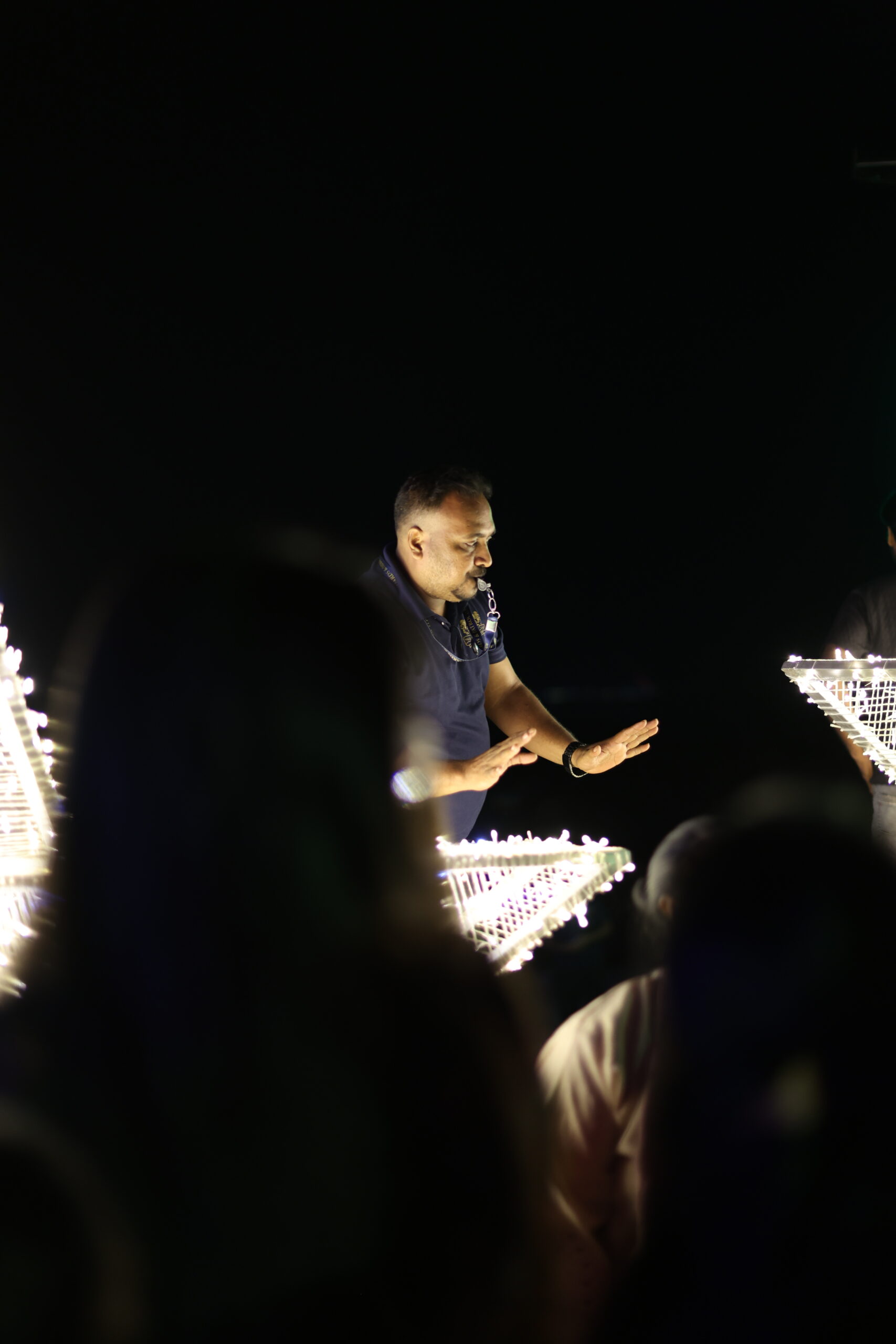

Up to ISO 3200, the camera delivers clean images with lots of detail. At ISO 6400 and beyond, you can see visible noise but the image is still sharp. Even at a high setting like ISO 12800, the noise pattern isn’t visible to the naked eye and you’ll need to zoom in to observe it, as it’s so minute, and it can be removed easily with software. So with this camera body, you can comfortably push limits by increasing shutter speed & not worry about noise anymore.
Video Quality
The Canon EOS R6 Mark III is no slouch when it comes to video, capable of shooting 4K up to 120fps full-width, i.e. without cropping into the image. One thing to note is this is not just regular UHD 4K (written as 4K-U), but also DCI 4K (written as 4K-D), which is a little bit wider. The 4K (up to 60fps) video is also oversampled from 7K, giving you more clarity & sharpness.

Interestingly, this option is also available in 1080p, allowing you to shoot at 2048×1080 pixels, but is labelled as 2K-D – which might be confusing, as we understand 2K to be 2560×1440 pixels. Dropping the resolution to “2K” or 1080p also gives you an option to shoot at 180 fps.
Videos carry the classic Canon colours but enough dynamic range for everyday use but Canon also allows you to shoot in C Log 2 and C Log 3 – depending on which workflow you prefer if you want more dynamic range and control over colour in post. The R6 III allows you to load custom LUTs as well, but doesn’t allow you to only shoot in Log while previewing them – the LUT is baked into the video.
The R6 Mark III’s flagship feature is the ability to shoot RAW video at 7K up to 30 fps and compressed RAW at 7K up to 60fps. Currently there’s no option to shoot at a lower resolution like 4K which might have been more helpful, as full-width 7K RAW shooting comes with a bitrate penalty, i.e. it’ll chew through your memory, and not to mention, battery. The biggest advantage this has however, is that it can shoot Open Gate, to give you video in 7K resolution in an aspect ratio of 3:2 up to 30 fps. Since this is shooting in 7K, you again have the bitrate and battery penalty.

It also has IBIS which has improved claims at up to 8.5 stops with a compatible lens, but the classic “Canon wobble” hasn’t completely disappeared. With the lens we used, we couldn’t observe much due to the focal length, but you may with wider lenses. Overall, an improvement from previous years.
As for rolling shutter, even with a big sensor, we don’t observe much of it due to its comparatively fast readout speed, but it’s more observable compared to cameras with semi-stacked sensors. Overall, images shot on electronic shutter & videos with motion involved are more than usable.
Is This For You? Conclusion
Like we specified in the intro, the Canon EOS R6 Mark III sits between its entry-level and flagship professional siblings. With that identity, it can be used by a wide variety of people, starting from amateurs looking for an upgrade to their first ever professional-level camera; or a professional photographer looking for an uncompromising backup camera. The pre-capture & high burst rate combined with a big buffer are especially game changers for people wanting to get into sports & wildlife photography without spending twice as much or more on a body capable of that.

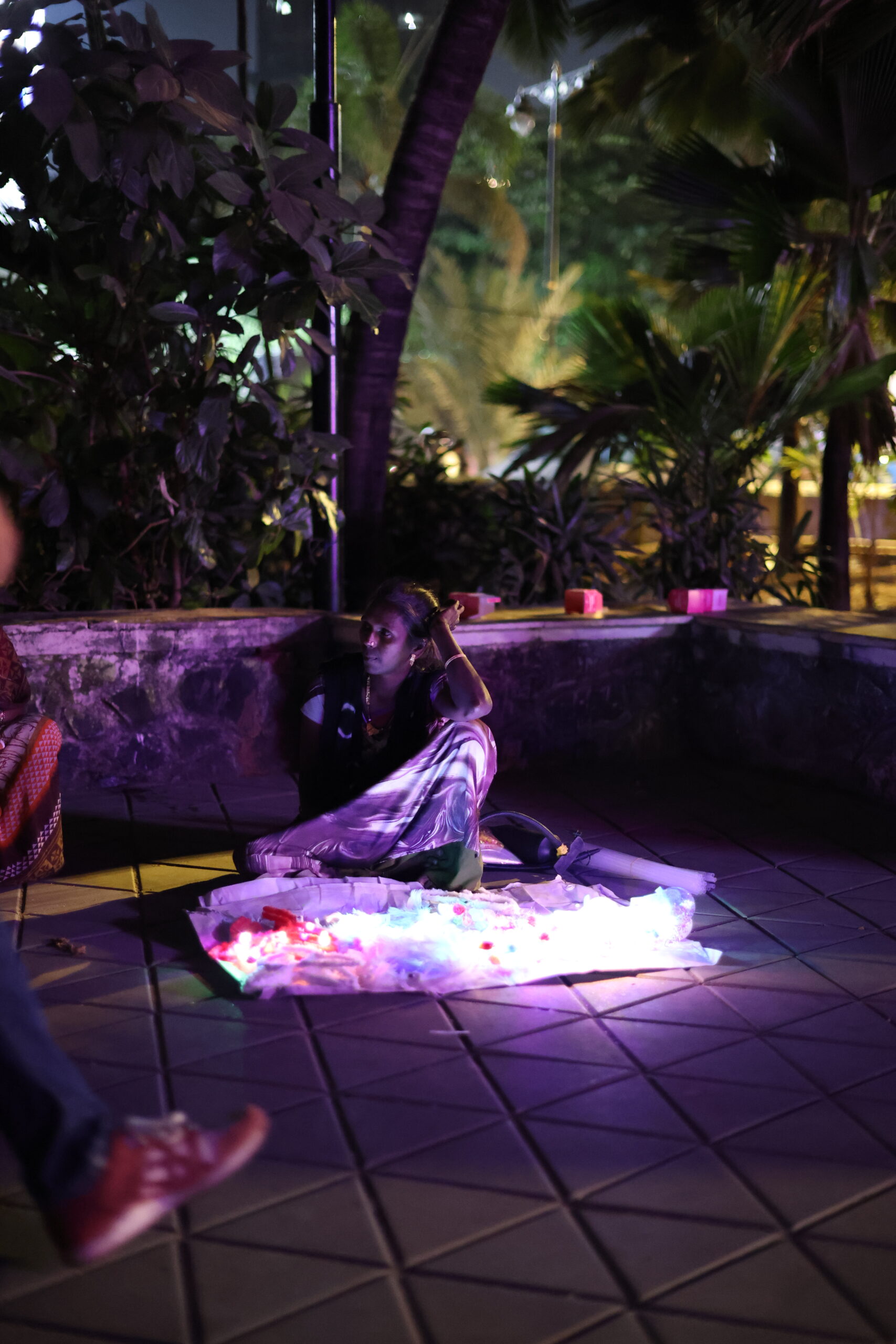

If you’re sporting a DSLR like the 5D Mark IV or an entry-level Canon R series camera from the yesteryears, this might be a plausible upgrade for you. But Canon does need to iron out a few kinks – especially in the video section, allowing LUT preview while the video is recorded in LOG. And please, add an option of shooting RAW at a lower resolution! An active cooling fan option for video wouldn’t be bad either.
At a price of ₹2.44L we believe this is fairly priced for its features & the value it provides surely sets it apart from the competition while establishing its position as an enthusiast-grade camera.
