
Competition doesn’t sleep, and 2025 was no exception for the quote. The imaging industry went through a makeover of sorts, as we saw a shift of priority from companies, which led to them making cameras which were more hybrid in nature. This year we saw the Nikon-RED merger further fruitioning into a compact, competitive cinema camera and Canon releasing one in a similar form factor but with different capabilities and priority. In this round up, we list the cameras that brought something new to the table. Just like last year, we aren’t including lenses, drones or action cameras or cinema cameras, even though they’ve got so much in common now with their mirrorless cousins.
Canon EOS R6 Mark III
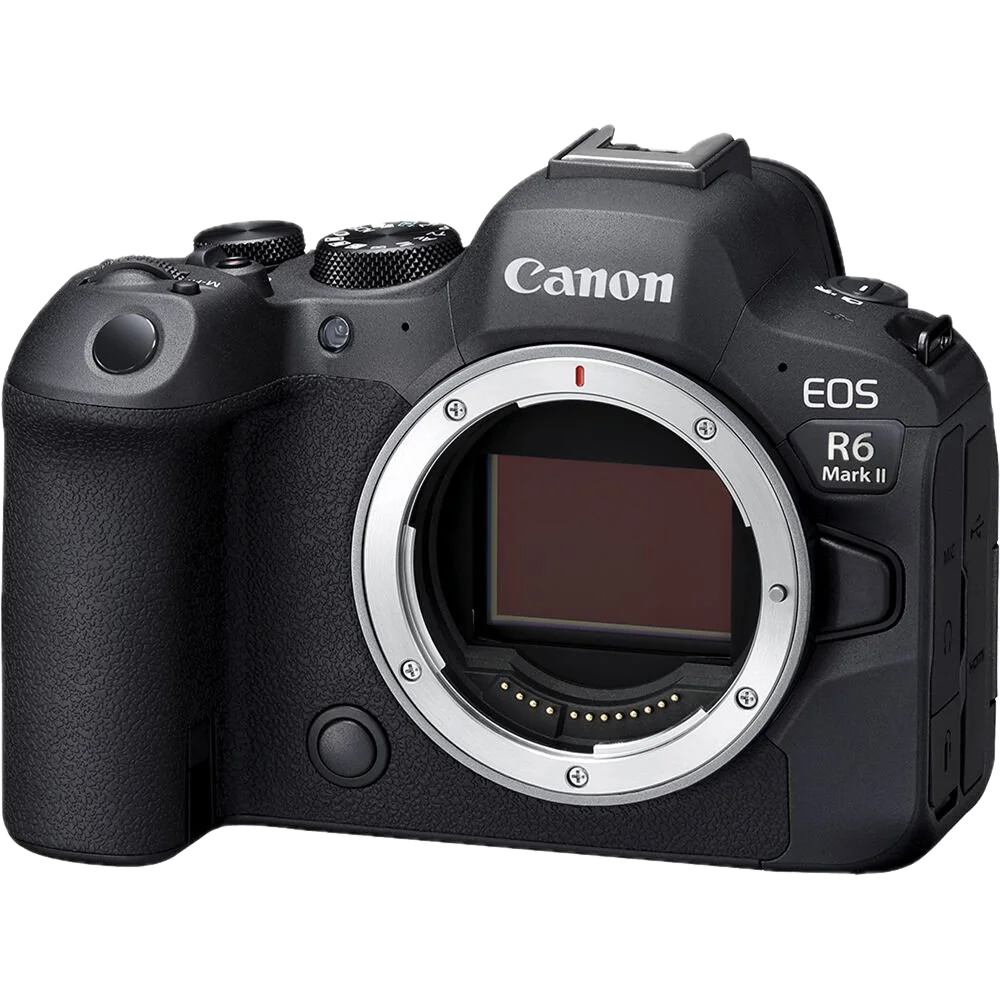
The definitive enthusiast hybrid, now featuring a 32.5MP sensor and the revolutionary “Face Registration” AF found in the flagship R1. It stands out by introducing an asymmetrical card setup (CFexpress Type B + SD), enabling professional burst speeds and 7K open gate and oversampled 4K video at an enthusiast price point.
Fujifilm GFX 100RF
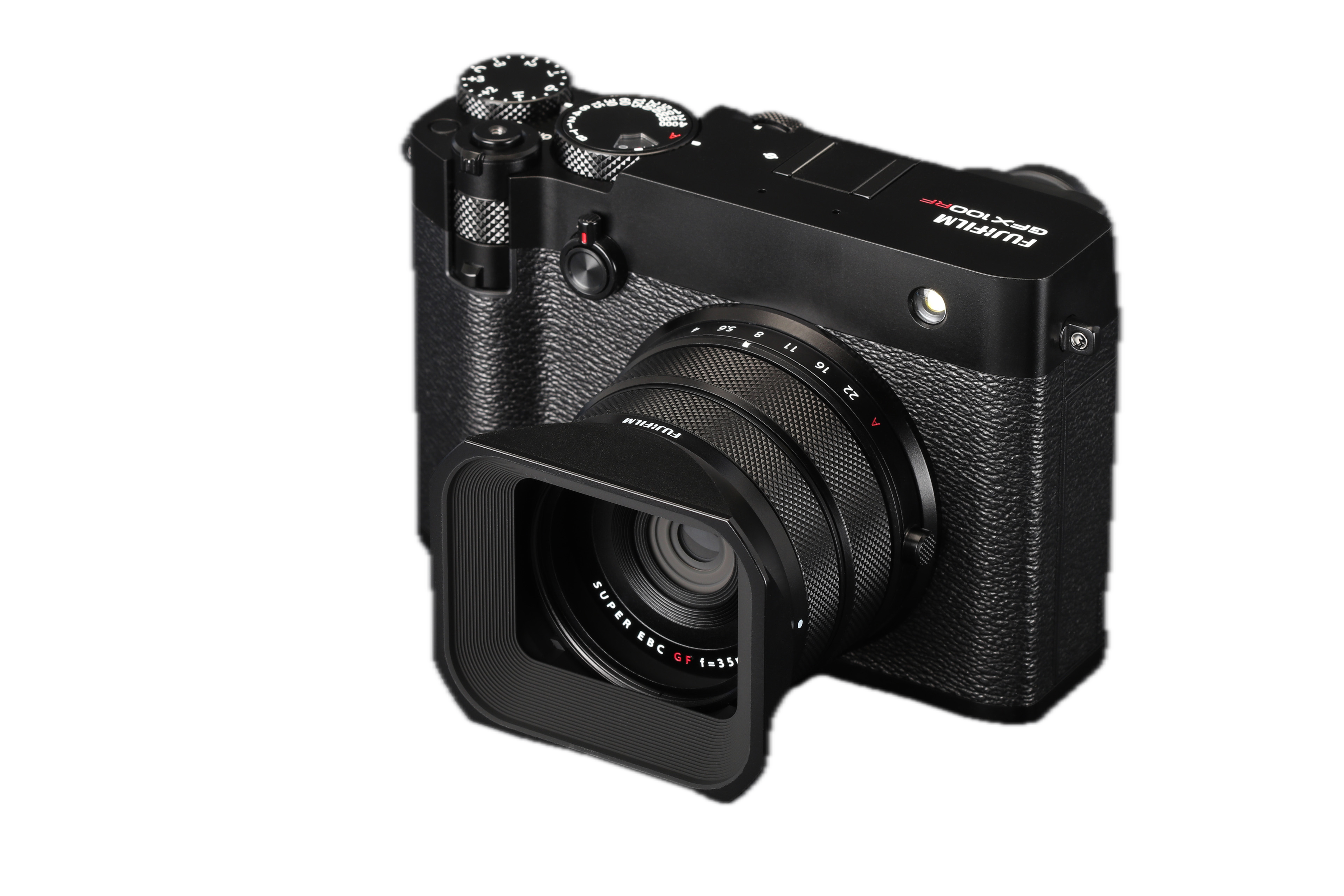
The world’s first 100MP fixed-lens medium format camera, designed with a sleek, rangefinder-style body. Its standout feature is the physical “Aspect Ratio Dial” on the top plate, allowing photographers to instantly switch between nine legendary film formats, including the iconic 65:24 panoramic mode.
Fujifilm X-E5
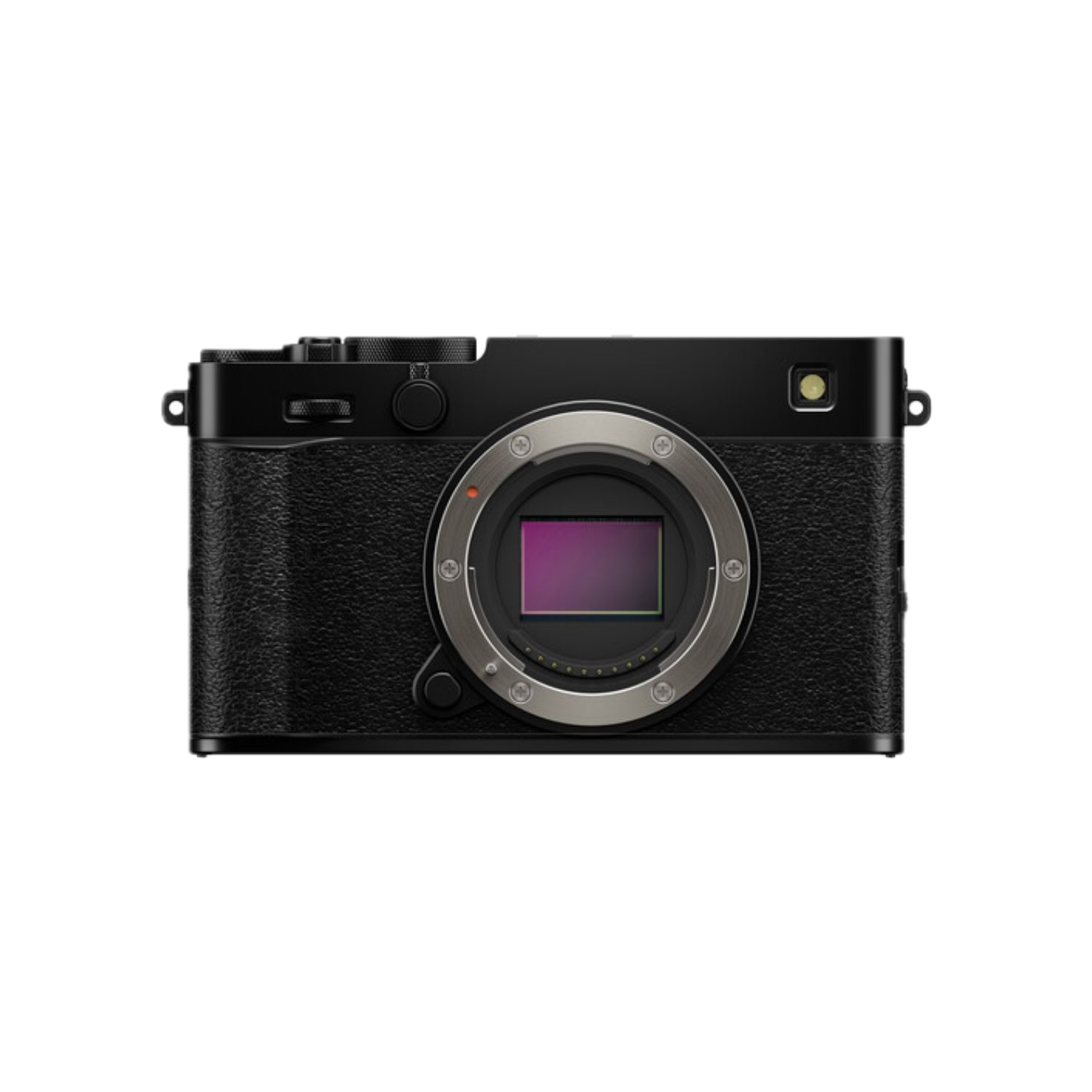
The long-awaited return of the minimalist rangefinder, finally updated with a 40MP sensor, capable of 6.2K video and 7 stops of In-Body Image Stabilization (IBIS). It is the only camera in its class to feature a dedicated “Film Simulation Dial”, giving users tactile, analogue-style control over Fujifilm’s colour science without digging into menus.
Hasselblad X2D II
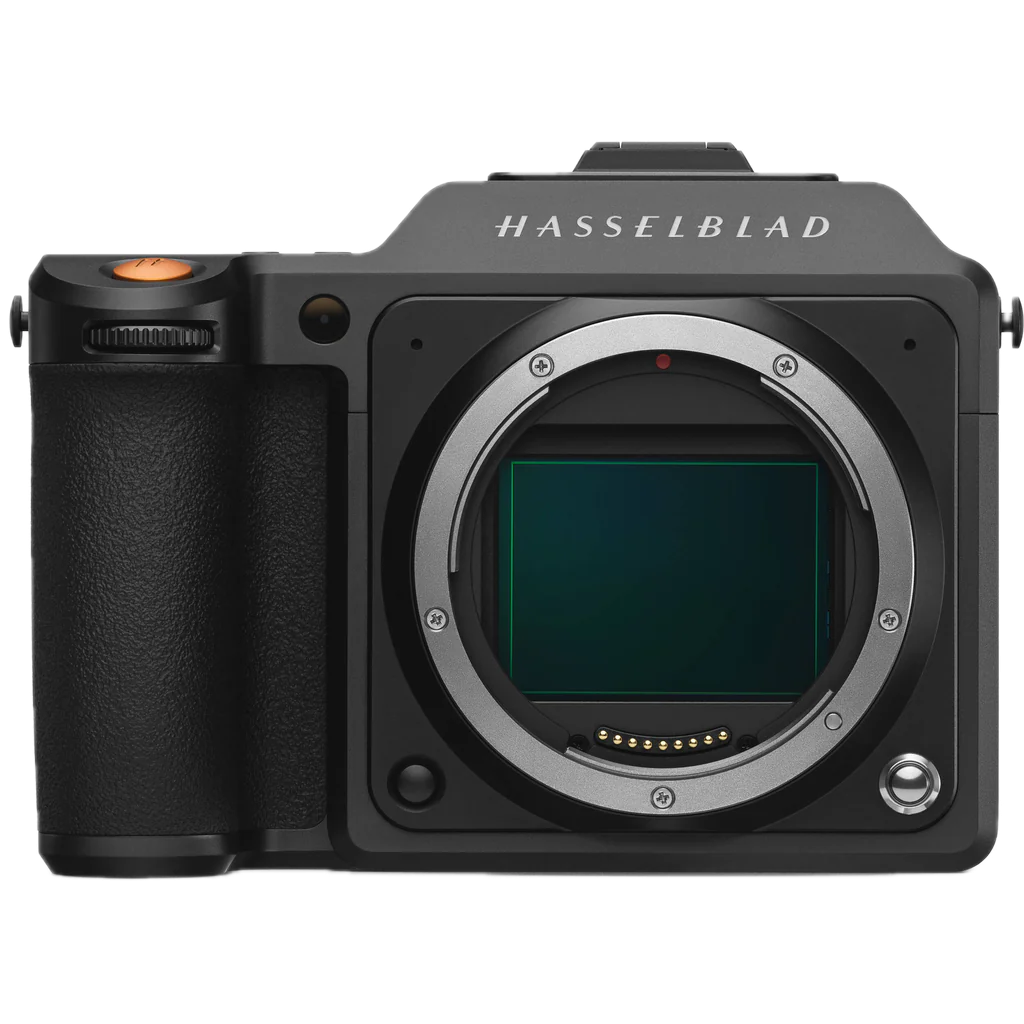
An evolution of the medium format flagship X2D featuring a 100MP sensor and a 1TB internal SSD, that adds “LiDAR-assisted” autofocus for nearly instantaneous locking in pitch-black conditions. It is the first Hasselblad to support a true end-to-end HDR workflow, capturing a massive 15.3 stops of dynamic range that maps directly to HDR displays.
Leica M EV1
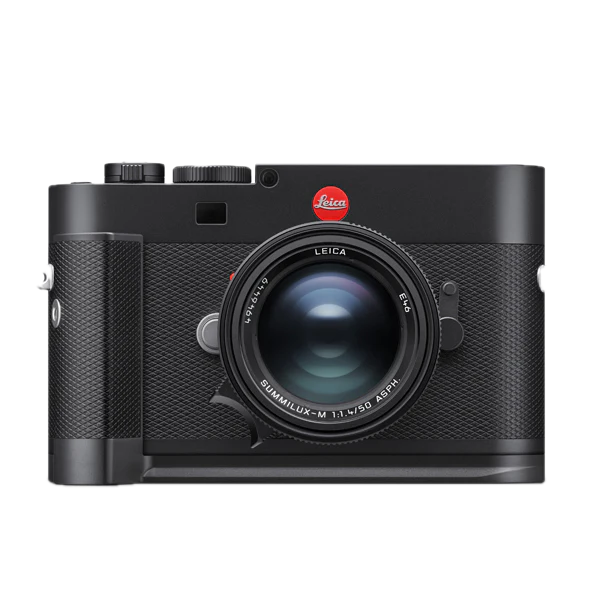
The first M-series camera in history to replace the traditional optical rangefinder with a built-in, high-resolution Electronic Viewfinder. This allows M-mount purists to use ultra-fast lenses or telephotos with the accuracy of focus peaking and real-time exposure preview for the first time.
Leica SL3S
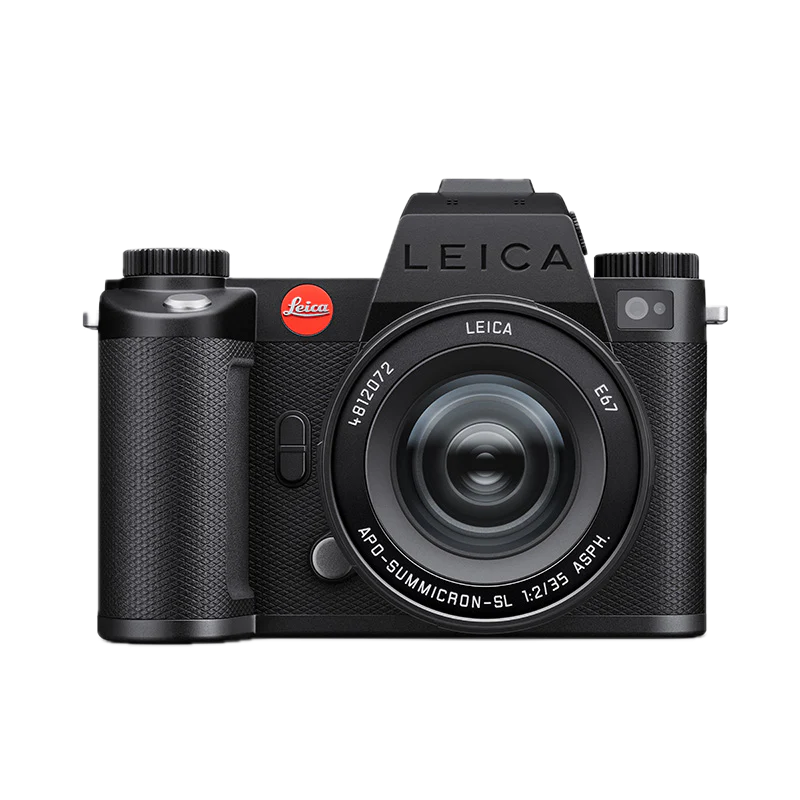
The video-focused, 24MP sibling of the SL3, optimised for high-speed readouts and superior low-light performance. It is unique for its direct-to-SSD recording via USB-C and native “Frame.io Camera to Cloud” integration, allowing editors to begin working on footage while the shooter is still on set.
Lumix S1 II/S1R II
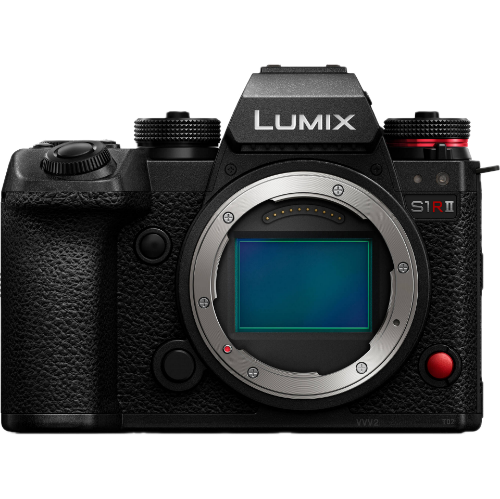
Panasonic’s flagship duo featuring the “Phase Hybrid AF” system and “DR Boost” technology for 15+ stops of dynamic range. The S1R II stands out as the first Lumix to record 8K video, while both models feature a “Real-Time LUT” button to bake professional colour grades directly into the footage.
Nikon Z5 II
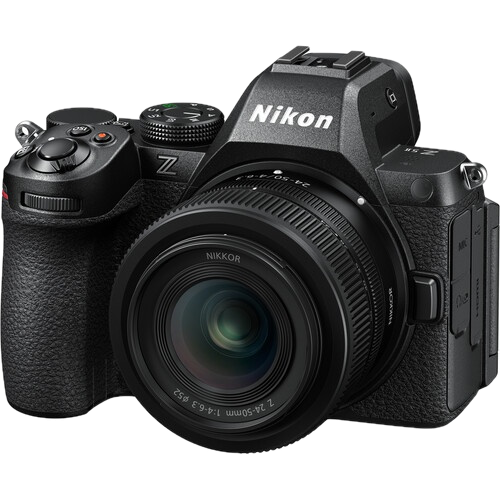
A massive “value” hit of 2025, this budget full-frame king that redefines entry-level by also incorporating the flagship EXPEED 7 processor and a class-leading 3,000-nit EVF. Its uniqueness lies in being the first—and till now, only—camera in its price bracket to support internal 12-bit N-RAW recording and AI-driven subject detection that can lock onto targets in near-total darkness.
OM SYSTEM OM-3
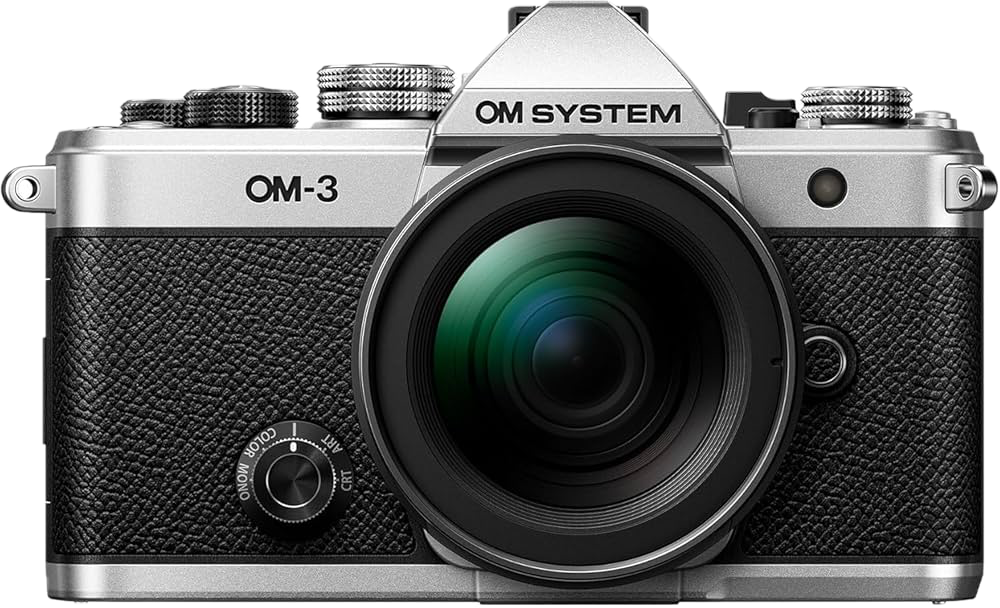
A “tough” Micro Four Thirds camera that packs a high-speed stacked sensor into a body smaller than the OM-1. It is unique for its dedicated “Computational Photography” dial, providing one-touch access to Live ND, Focus Stacking, and the new “Starry Sky AF” for astrophotographers.
OM SYSTEM OM-5 II
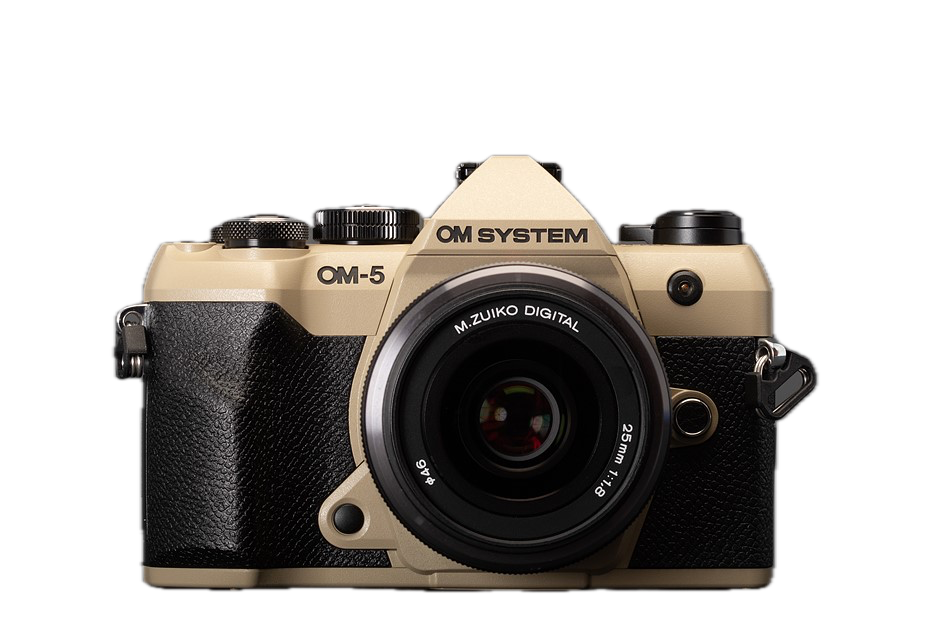
The ultimate ultra-light adventure camera, featuring IP53-certified weather sealing that allows it to operate in torrential rain. Its uniqueness is its extreme portability (only 418g) combined with “Sync IS” that provides up to 7.5 stops of stabilisation, allowing for handheld long exposures in the wilderness.
Sigma Bf
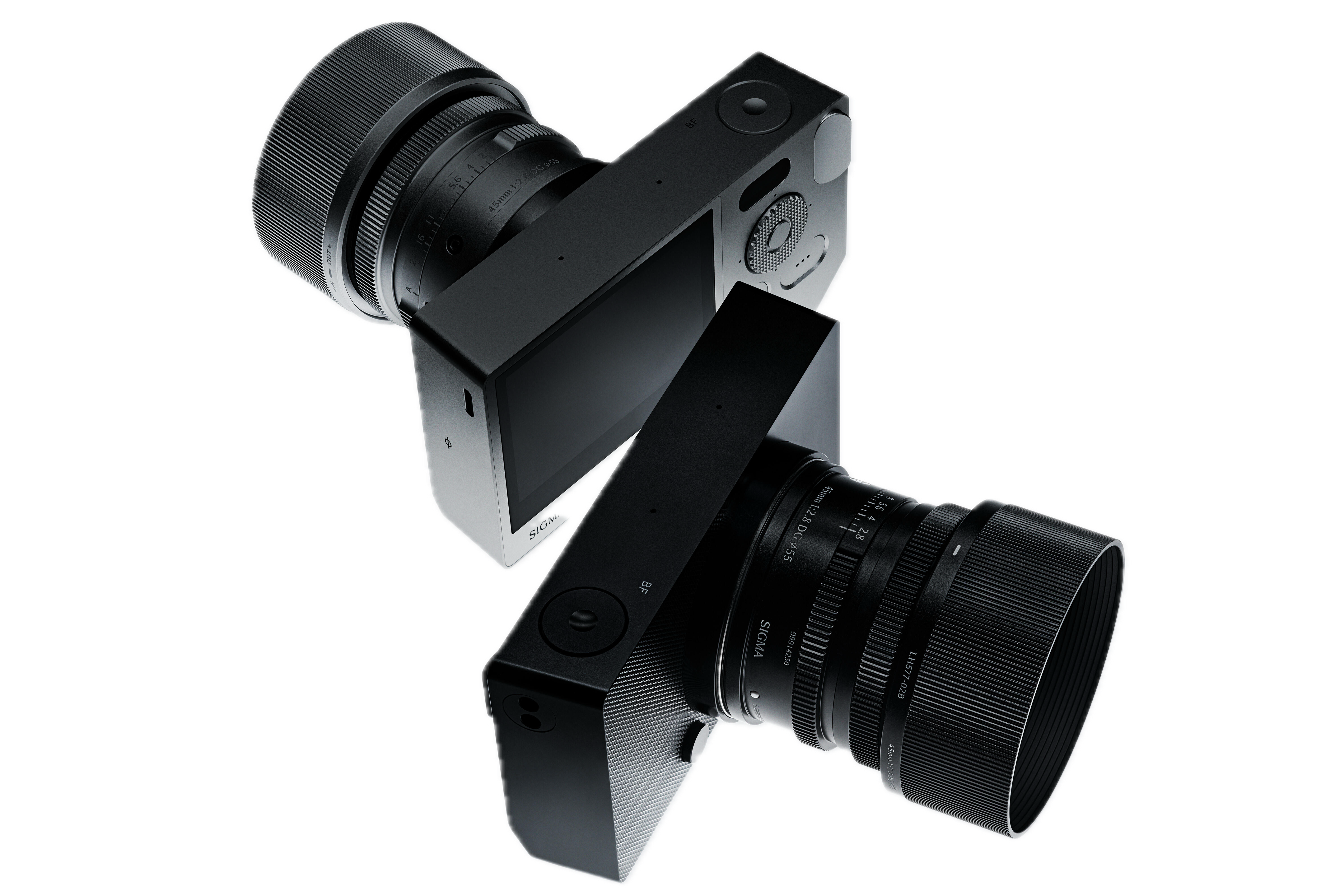
Famed as “the camera if Apple made it”, this L-mount camera features a minimalist, single-block aluminum chassis with only three buttons. It stands out for its gesture-based interface and “Beautifully Foolish” philosophy, focusing on the joy of photography over technical spec-chasing.
Sony A7 V
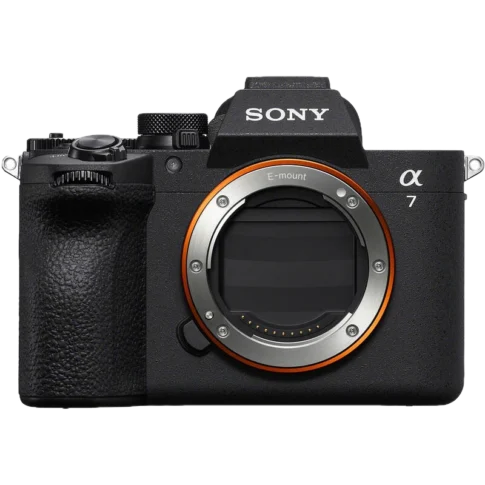
The fifth generation of the “industry standard” all-rounder, now featuring a dedicated AI processing chip for human pose estimation. Its uniqueness is the “4-Axis Multi-Angle” LCD screen that combines a tilt-screen and a flip-out screen, solving the long-standing debate between photographers and videographers. Combine that with the new semi-stacked 33MP sensor, this camera can shoot at higher burst rates and with faster readout speeds.
Sony RX1R III
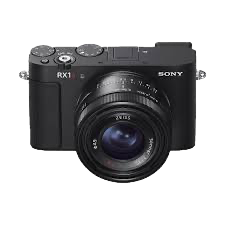
The long-awaited return of the full-frame compact rangefinder, now packing a 61MP sensor into a body that fits in a jacket pocket. It is the only camera of its size to feature a “Variable Optical Low-Pass Filter”, allowing users to choose between maximum sharpness or moiré control for every shot.