
Tag Archives: documentary photography

Trends in Photography 2026

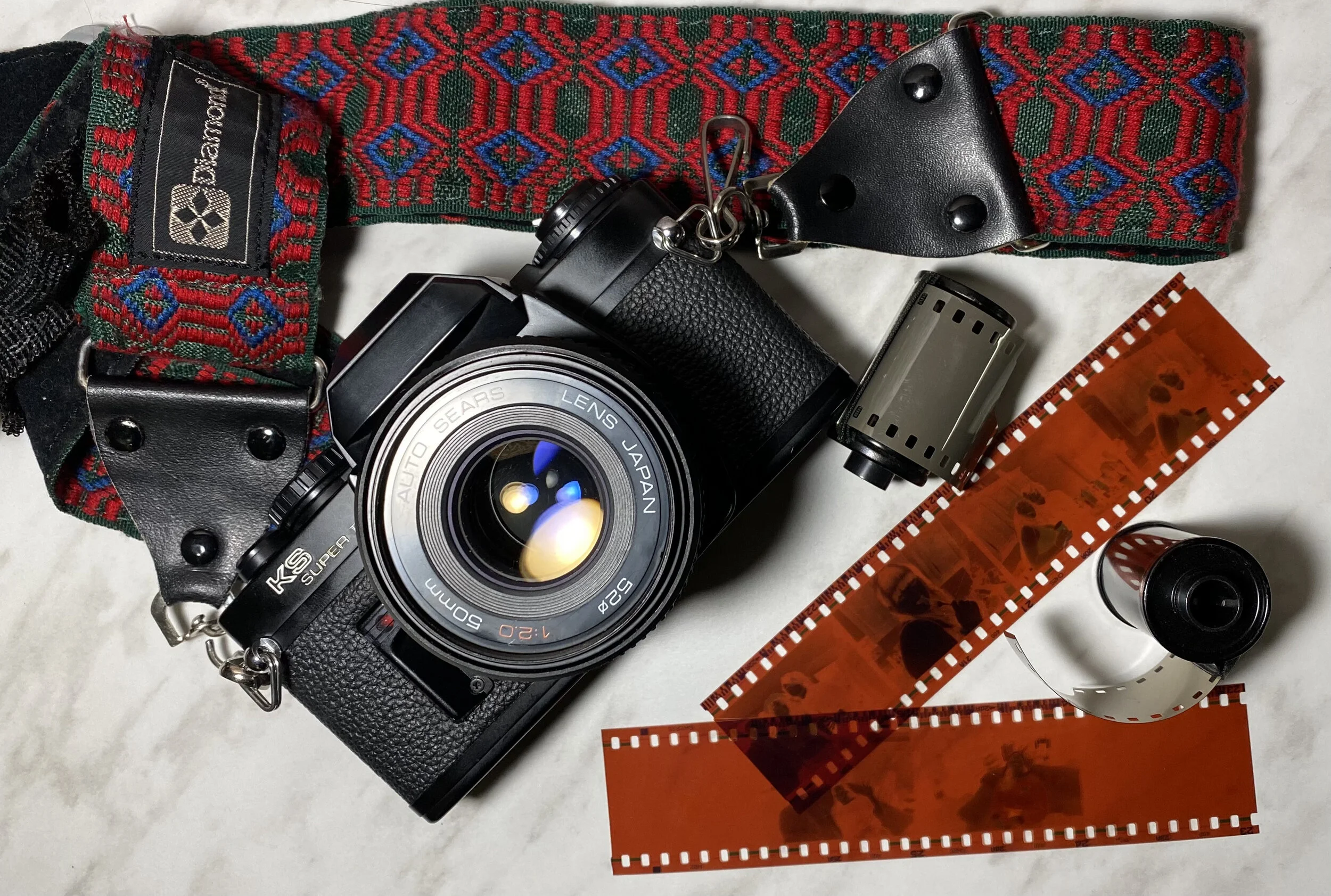
I’ve been writing the annual trends article for the magazine for well over a decade now, and I honestly can’t remember a time when my thoughts felt this unsettled. The last time I found myself in a similar predicament was at the turn of the millennium—around 2000—when analogue photography was clearly on its way out. Digital technology was knocking hard on the door, and no one quite knew what to expect from it, or whether it could truly replace what we had known for decades.

Interestingly, I find myself in a very similar place today while writing this article. I’m not always sure what’s real anymore, what’s manipulated, what’s AI-generated, or even where the line between the two truly lies. More importantly, I’m still unsure how much of this is a passing phase—and how much of it is here to stay. It’s been a while since photography has made even seasoned practitioners pause and recalibrate their thinking this way.

And yet, after careful consideration, observation, and a fair bit of internal debate, here is my list of Trends in Photography for 2026.

  • Bhavya Desai

The Dominance of AI in Image Creation & Editing

While AI may feel like a recent disruptor, it has been part of photography for much longer than we realise—earlier disguised as algorithms working quietly behind the scenes. That said, there’s no denying that AI’s dominance in image editing, subject removal, scene expansion and enhancement tools has now reached a tipping point.

AI has firmly embedded itself into the everyday workflow of photographers. Used judiciously, it can be an asset like no other—saving time, enabling creative experimentation and removing technical barriers. From removing unwanted elements to intelligently expanding frames, AI now plays a pivotal role in modern photography.

The sheer level of computing power we now carry in our pockets is staggering—and clearly here to stay. And this is coming from someone who firmly believes in keeping images as untouched as possible. Yet even I find myself regularly using remove tools on devices today. And this is only the beginning. From image generation to increasingly complex creative tasks, AI is rapidly moving towards doing almost everything—whether we’re fully comfortable with it yet or not.

On-Camera Generative AI and Assisted Shooting

Still in its early stages, on-camera generative assistance is another trend that will quietly but surely gain momentum. It’s only a matter of time before photographers—both professionals and casual users—start accepting a certain degree of AI ‘hand-holding’ at the point of capture itself.

This goes beyond simple automation and enters the realm of generative assistance—helping users achieve more with minimal effort. Features such as Google Pixel’s ability to add the photographer into a group photo, or cameras offering intelligent framing suggestions, style recommendations and profile selections, are early indicators of where things are headed. In 2026, expect cameras to become more collaborative tools rather than passive recording devices.

The Return to Authentic Photography

Every action has an equal and opposite reaction—and photography is no exception. As AI-generated and AI-assisted imagery becomes more widespread, the demand for authenticity will grow just as strongly.

In 2026, authentic photography will trend precisely because of AI’s rise. While photographers will continue to push boundaries using technology, there will also be an increasing need for images that feel real—unfiltered moments, honest expressions and unmanufactured realities. As humans, we are inherently wired to recognise and respond to authenticity.

A clear parallel can be drawn from recent years: aggressive skin-smoothing once dominated portrait photography, only to be replaced by far more subtle and natural rendering by 2025. In the same way, I expect 2026 to see a conscious move toward imagery that embraces imperfections and truth.
Climate, Weather & Environmental Photography

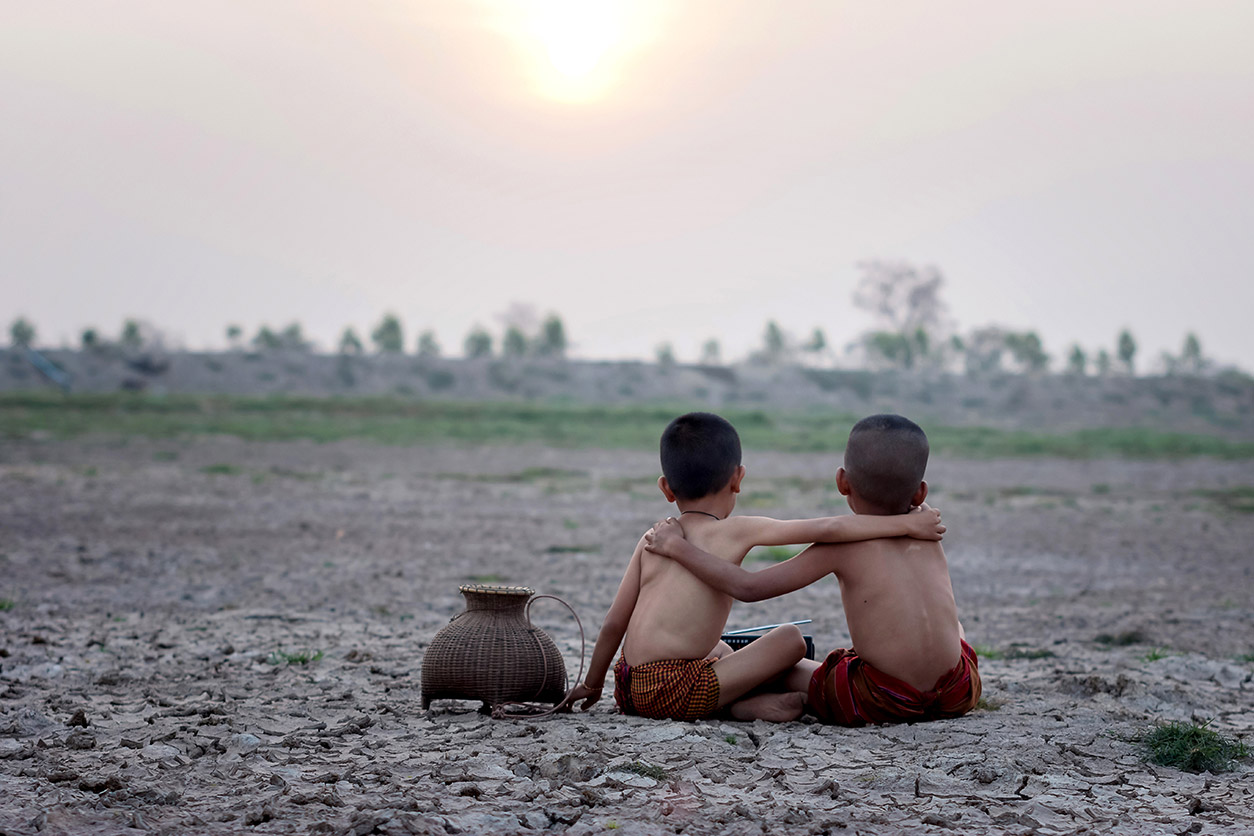
As humanity moves into a new technological reality, the planet itself seems to be undergoing dramatic shifts. Few things illustrate this more starkly than the changing climate around us. Winters are colder, summers are hotter, and extreme weather events are becoming increasingly frequent.

Whether termed climate change or global warming, the effects are undeniable. As these realities intensify, climate and environmental photography will play a far more critical role in 2026. From documenting protests and ecological damage to capturing natural disasters and disappearing landscapes, this genre will become both a visual record and a call to action.
Photojournalism in an Unstable World

While climate documentation will be vital, the broader global landscape remains deeply fractured. Conflicts, political unrest, and social disparities continue to rise across regions.

As a result, photojournalism—particularly editorial and conflict/war photography—will see renewed relevance in 2026. There will be an increasing need to document these realities, whether through professional photographers on the ground or user-generated content emerging from conflict zones. In an age of misinformation, visual evidence will continue to hold immense power and responsibility.

Rising Flash and Memory Costs

The technology industry now faces a fresh challenge. After navigating microprocessor shortages in recent years, attention has shifted to constraints within the flash memory sector.

While this may spell concern for consumers, the flash memory industry itself is witnessing an overdue resurgence. Supply pressures and increased demand are likely to push up prices for flash storage and RAM—components essential to nearly every modern device today, from cameras and smartphones to computers and printers. While quantities may vary, their importance does not.

Photography Beyond the Algorithm

A quieter but meaningful shift is underway. For years, photographers and platforms alike were obsessed with pleasing algorithmic gods. Today, there’s a subtle but growing return to focusing on the medium itself rather than chasing visibility alone.

Photography is increasingly being created for personal satisfaction, long-term relevance and deeper storytelling—not just for instant uploads and fleeting engagement. That said, vertical images are undeniably here to stay. Formats may evolve, but intent is clearly changing.
The Quiet Rise of Pocket Printers

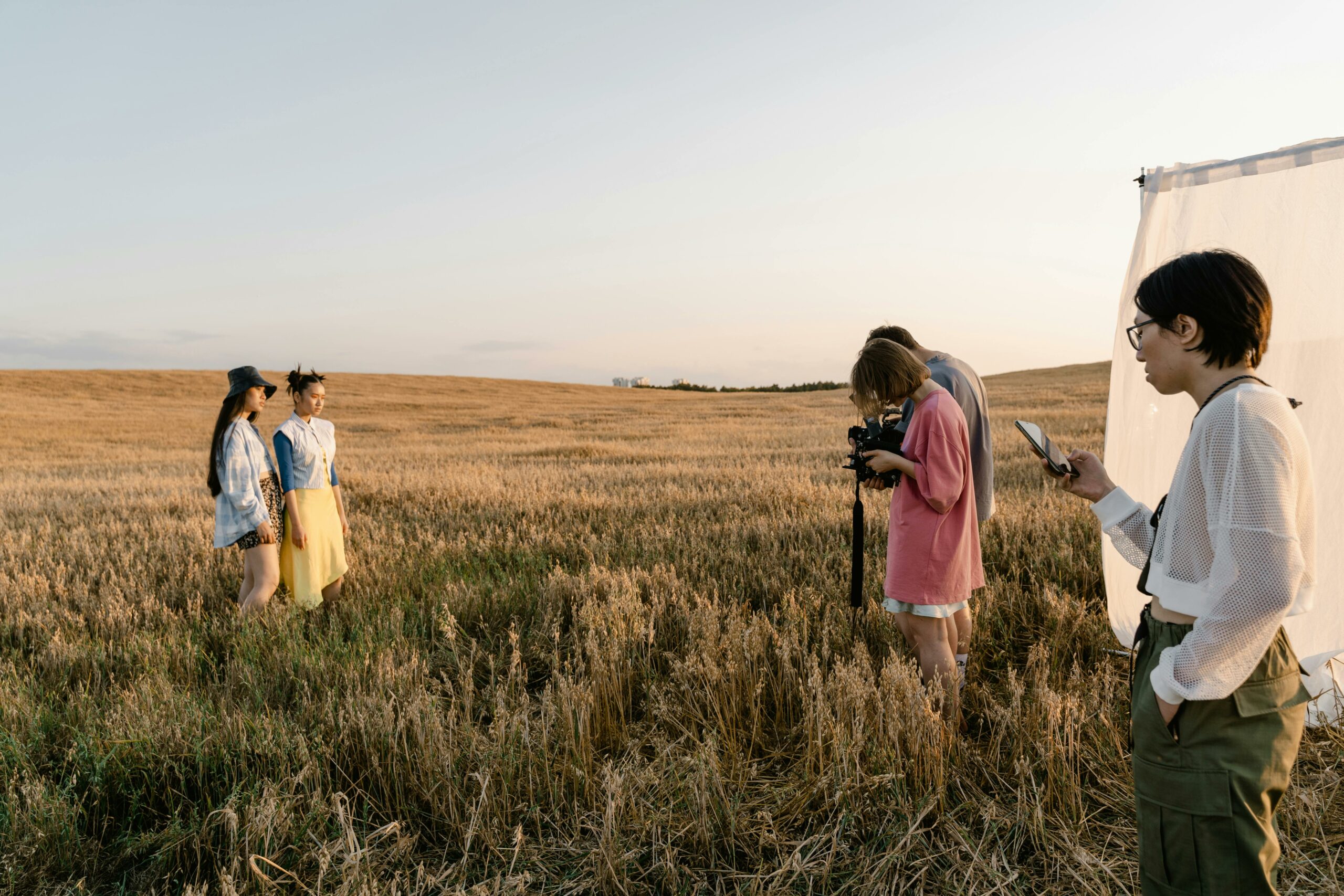
Including printers in annual trend lists is becoming harder each year—but pocket printers deserve attention. Once limited to instant-print ecosystems like Instax, compact printers have now become more versatile and accessible.

Users are rediscovering the joy of physical prints, using pocket printers to bring digital images into the real world. As technology improves and consumable costs decrease, this segment is poised for further growth—quietly reinforcing the timeless appeal of printed photographs.
Scams like WedMeGood and more

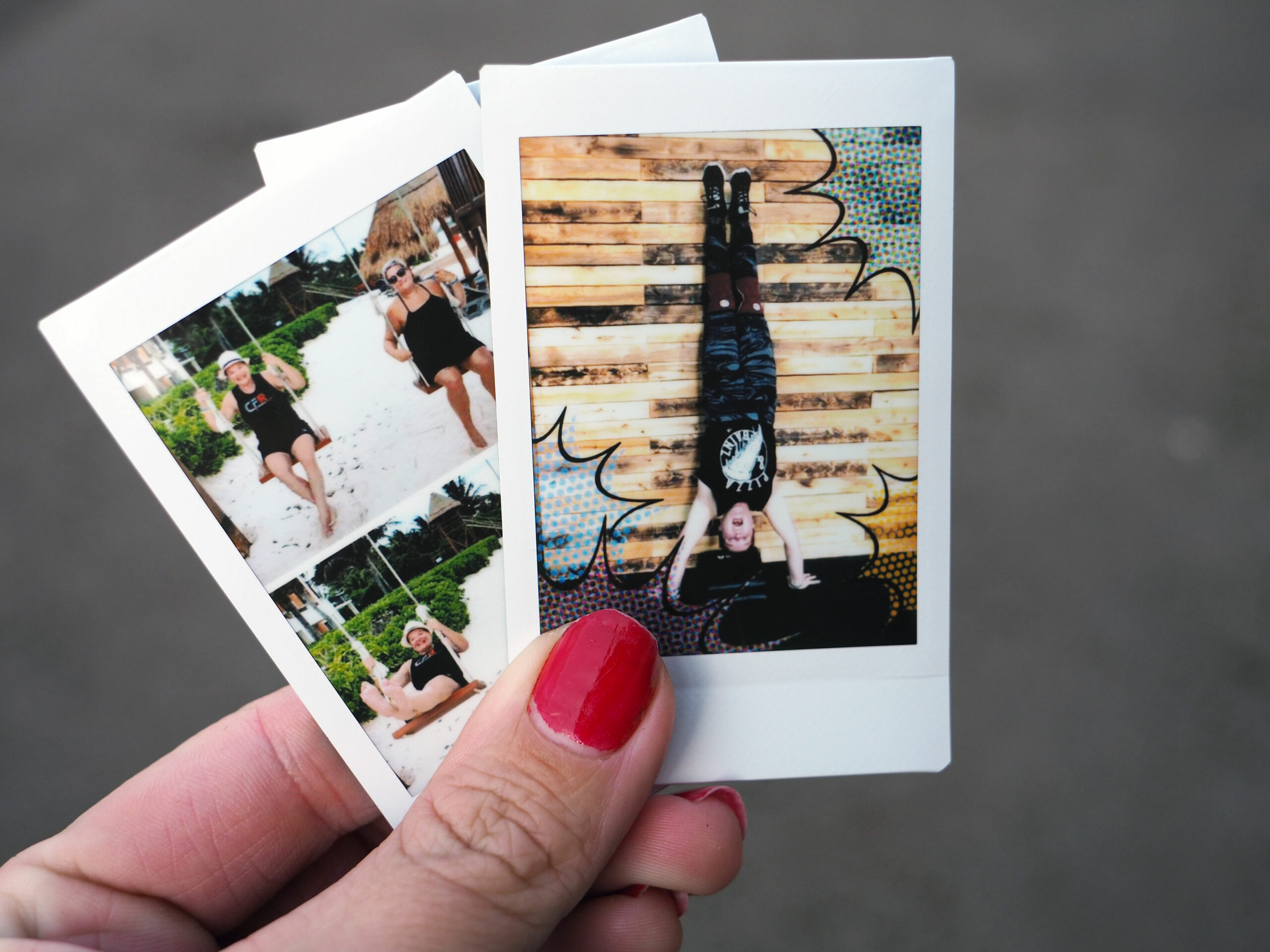
While technology has streamlined wedding photography discovery, it has also opened doors to exploitation. The rise of aggregator platforms has unfortunately led to an increase in challenges/scams—going alone by what we have seen in the industry in 2025—this year more such stories will be unearthed.

In 2026, awareness around these practices will grow, forcing both photographers and clients to become more vigilant. Transparency, direct engagement and trust will become key differentiators in the wedding photography ecosystem.

Photography in 2026 stands at a fascinating crossroads—caught between unprecedented technological power and an equally strong yearning for authenticity. AI will undoubtedly continue to reshape how images are created, edited and consumed. But at the same time, the value of truth, intention and human perspective has never been higher.

Perhaps the real trend for 2026 isn’t a tool, a format, or a platform—but a recalibration. A reminder that while technology may change the way we create images, the reason we create them remains timeless: to document, to communicate and to connect.

August 2025

Asian Photography Magazine August 2025 Issue is out!

📸 Cover by: Arko Datta

In this issue, explore:

~ Credibility is the Core Quality of Photojournalism – Arko Datta
~ Iconic Photojournalism Moments that Changed History
~ The Role of Drones & Remote Cameras in Modern Photojournalism
~ Freelance Photojournalists and the Gig Economy: The Price of Independence

The Ever Evolving Lens of Truth

There no doubt that the world today has reached a saturation point, from AI or image manipulation, or visuals that can be misleading. But one profession that still stands the virtue of time is Photojournalism. Even today it continues to stand tall – not just as a form of storytelling, but as a vehicle for truth, emotion and impact. And in this issue, we pay homage to that
artform. In our Pro Profile section, we pay homage to the craft of one of India’s finest and most iconic names in the field – Arko Datta in an exclusive interview. His lens has captured moments that words could never fully express – raw, haunting and real.

From the grainy black-and-white frames of war zones to the high-definition aerial views captured by drones, photojournalism has evolved dramatically. The tools have changed, but the mission remains the same – to witness and share. Today, drone technology offers a bird’s-eye view of conflict zones, climate disasters and protests, adding new layers of context and storytelling.

Social media has also changed the game, allowing photojournalists to instantly share their work, build audiences and push boundaries beyond traditional publications. Yet, amid this evolution, the heart of photojournalism remains unchanged – its ability to stop time, ignite dialogue and challenge the status quo.

Arko Datta shares not just his journey, but also reflections on what makes an image unforgettable – composition, timing and above all, empathy.

For aspiring freelance photojournalists, the landscape is both promising and challenging. It’s no
longer enough to just take a great photo – you need to understand platforms, pitch effectively,
and often, brand yourself. Diversifying income through stock photography, digital publications,
grants, exhibitions and even workshops can open sustainable paths.

In this issue, we explore not just the legacy, but also the future of photojournalism. Through the
eyes of legends and the tools of tomorrow, we celebrate a profession that continues to risk,
reveal and remind us of the power of a single frame.

So, Until Next Time…
Happy Reading!!

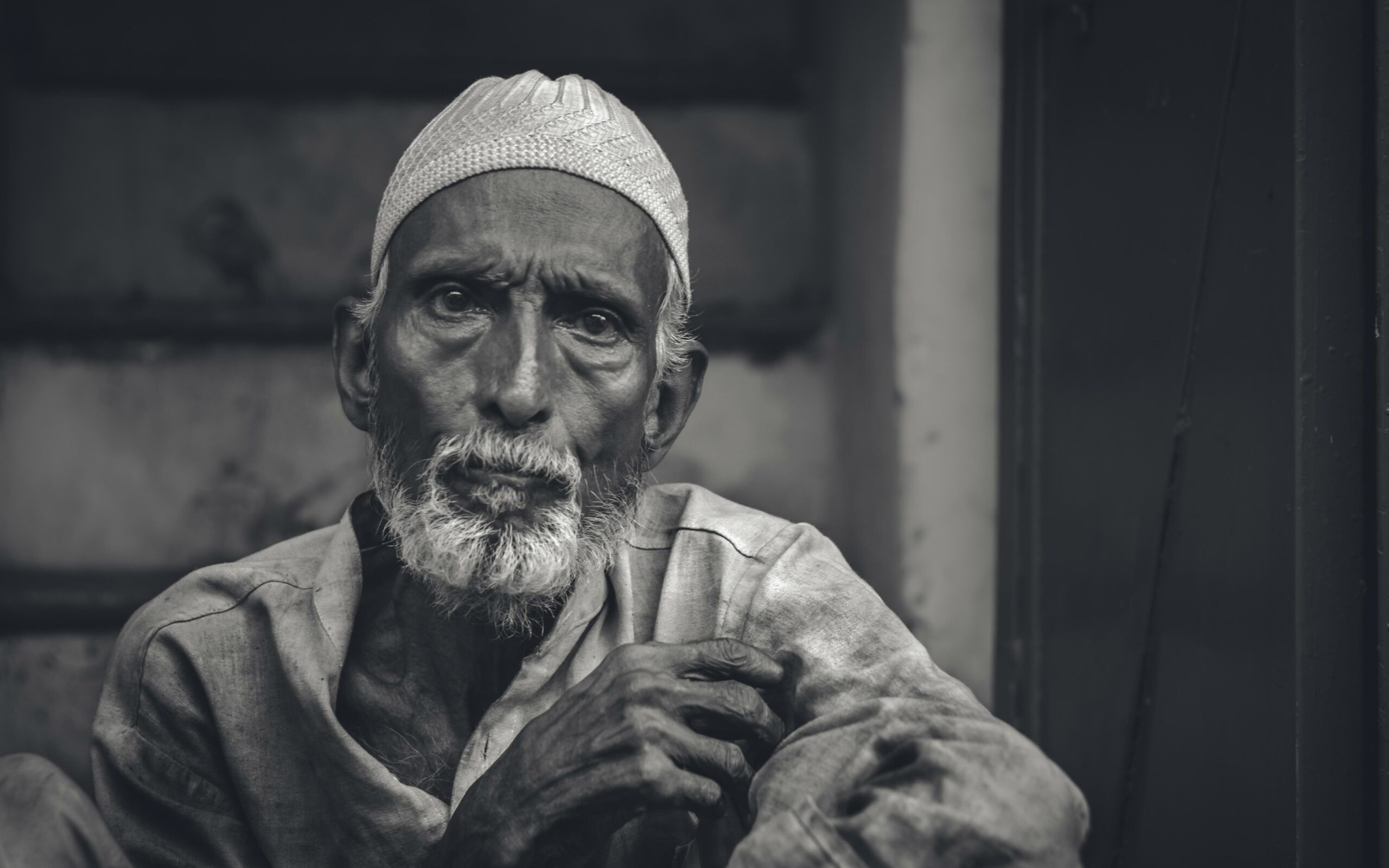
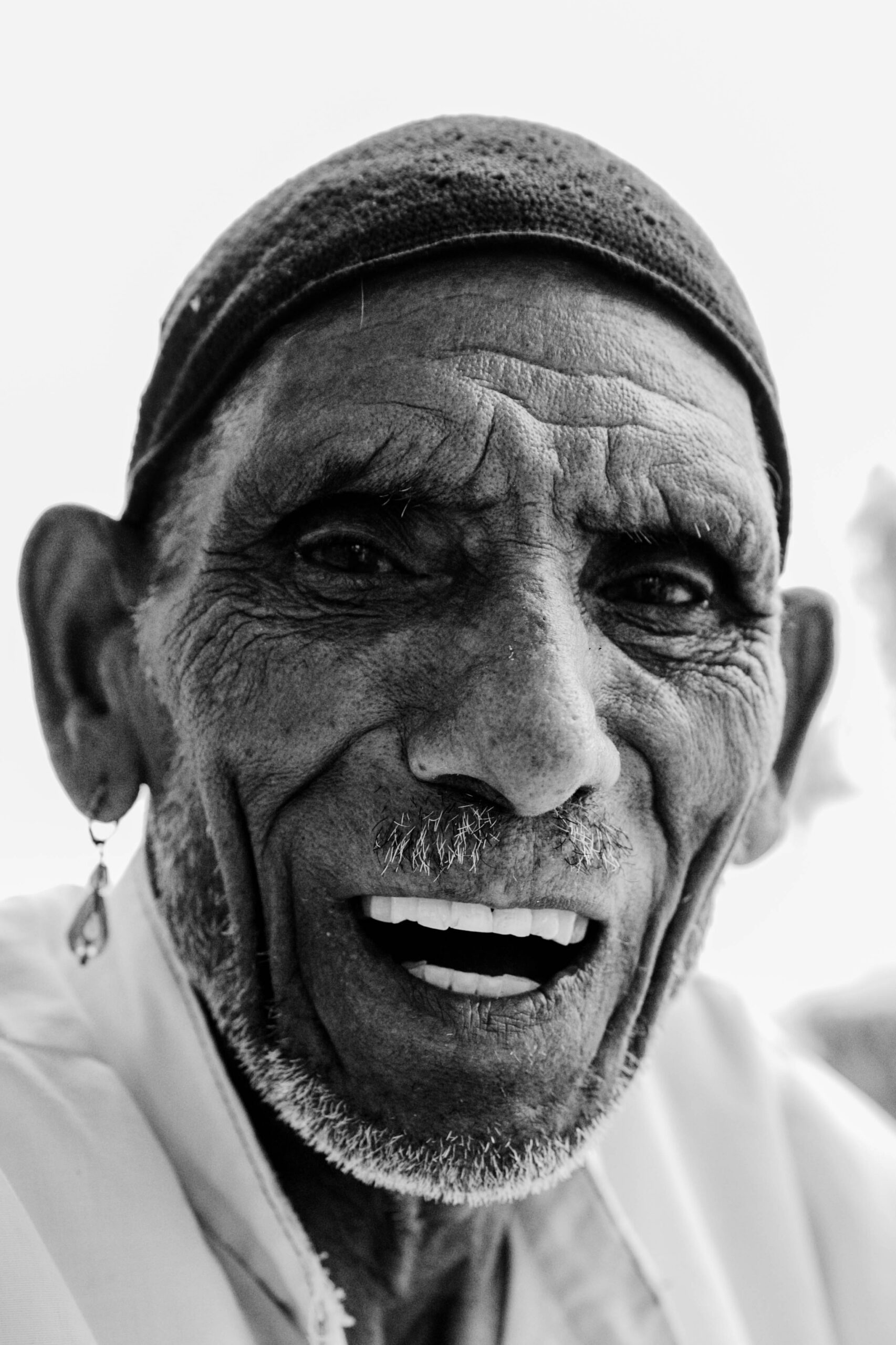
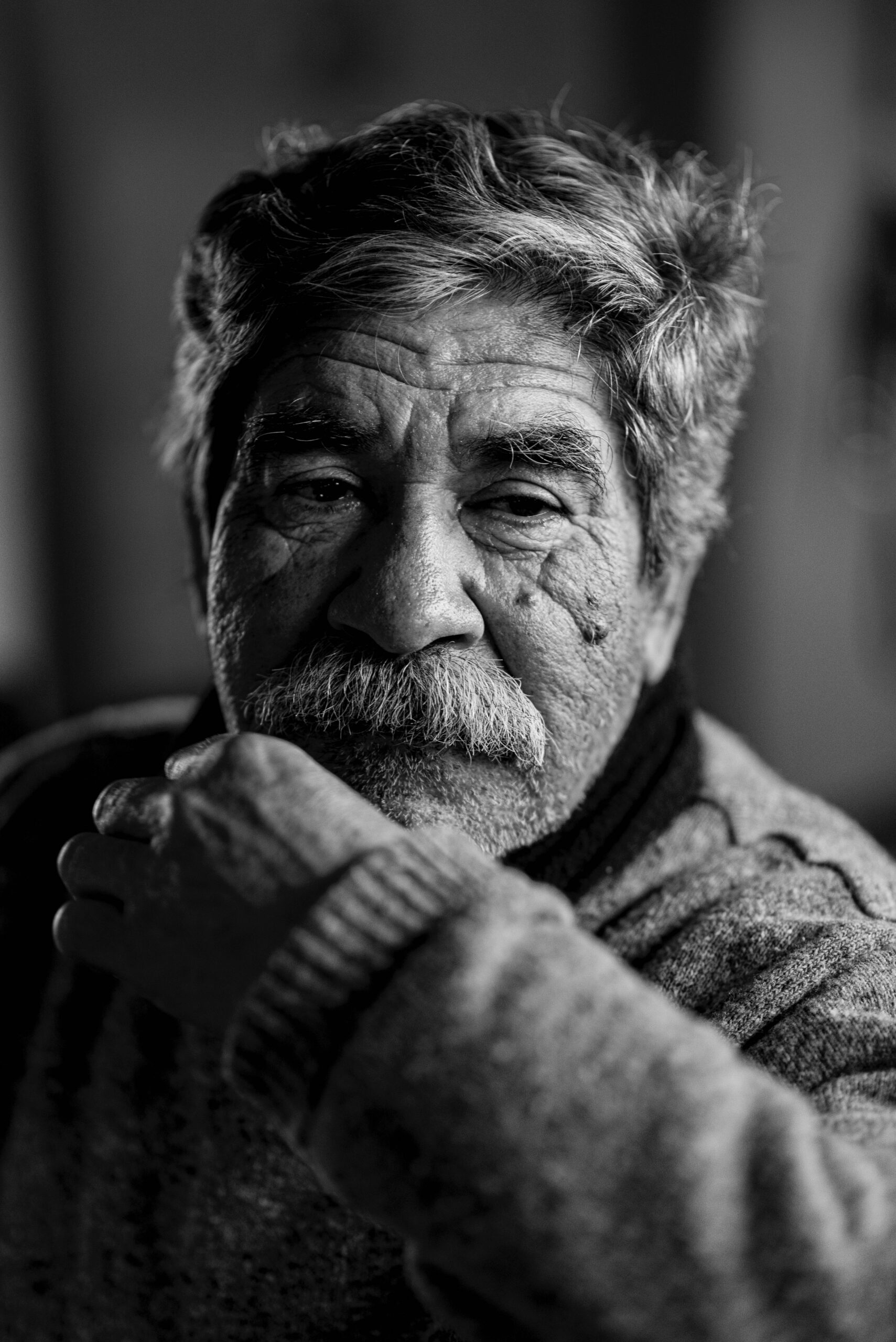
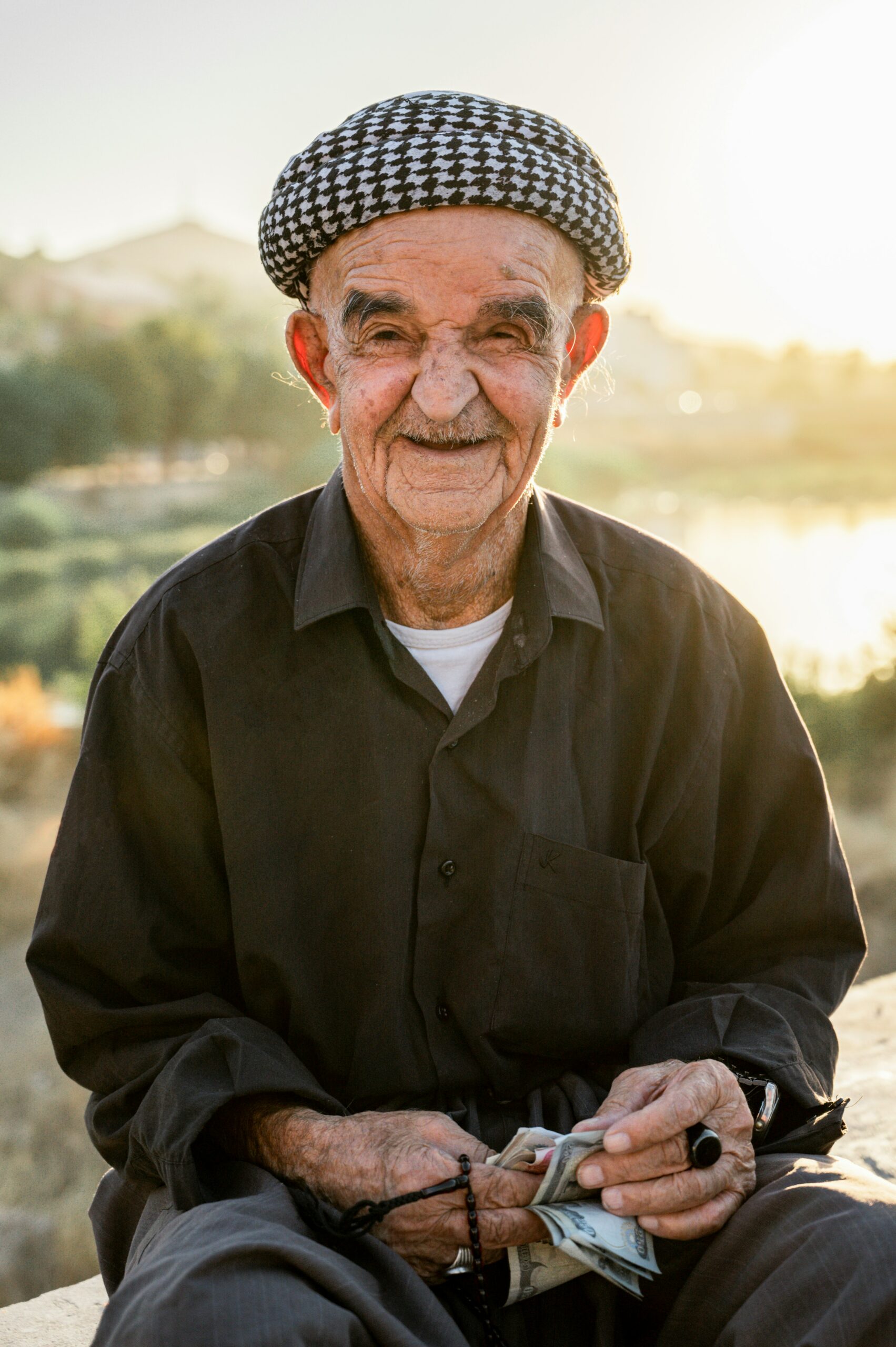
Capturing the Soul of the Streets: A Guide to Street Portrait Photography

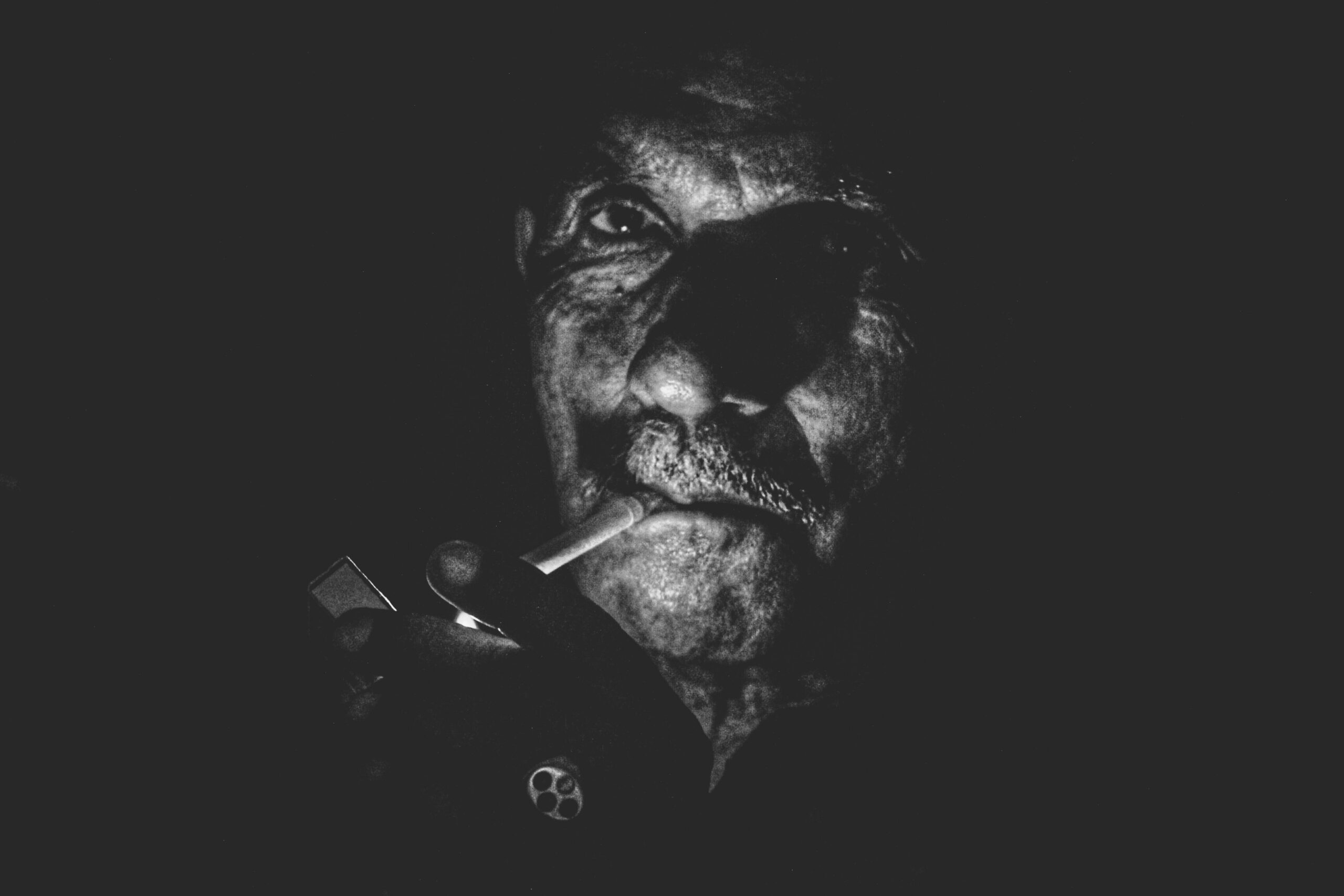
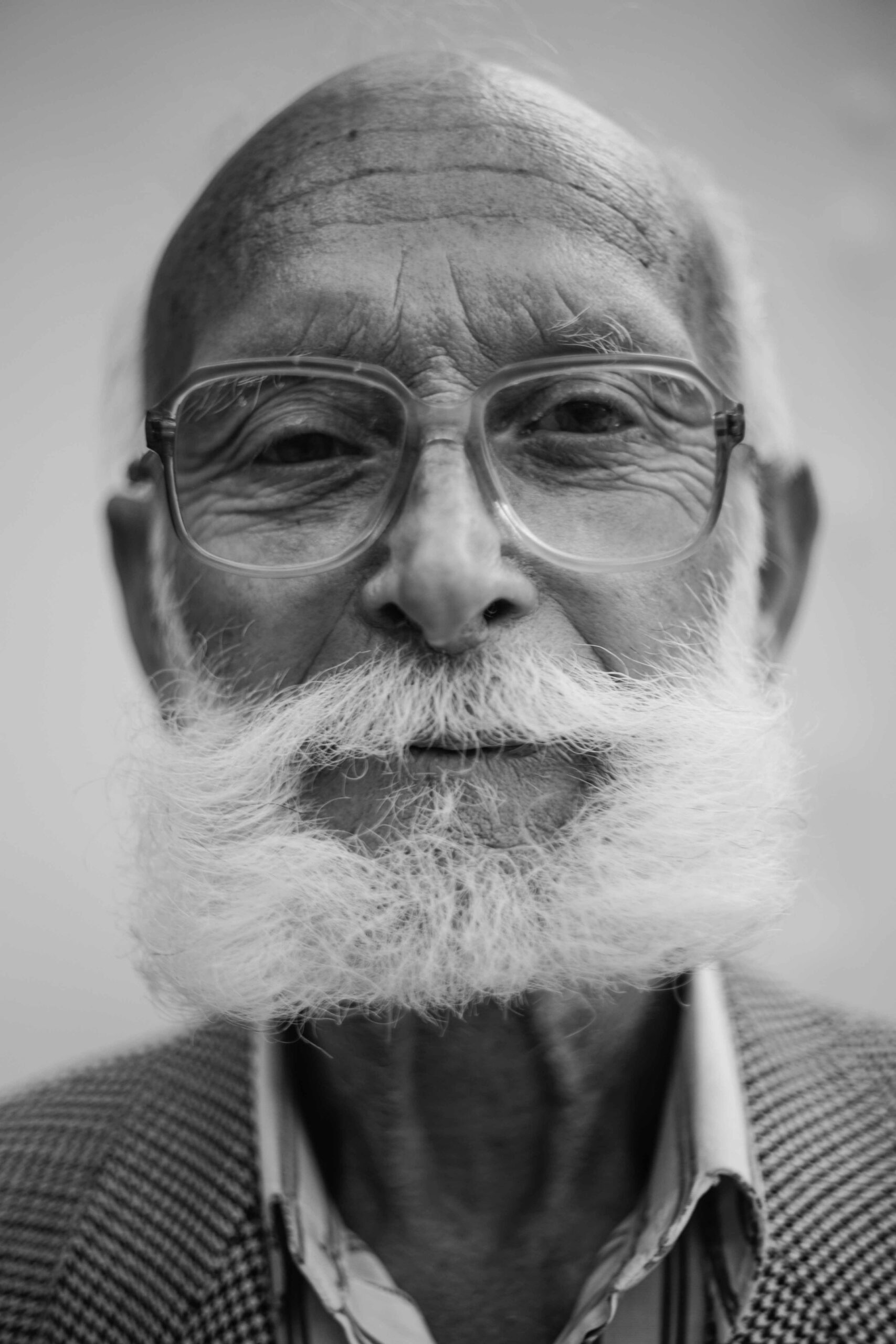
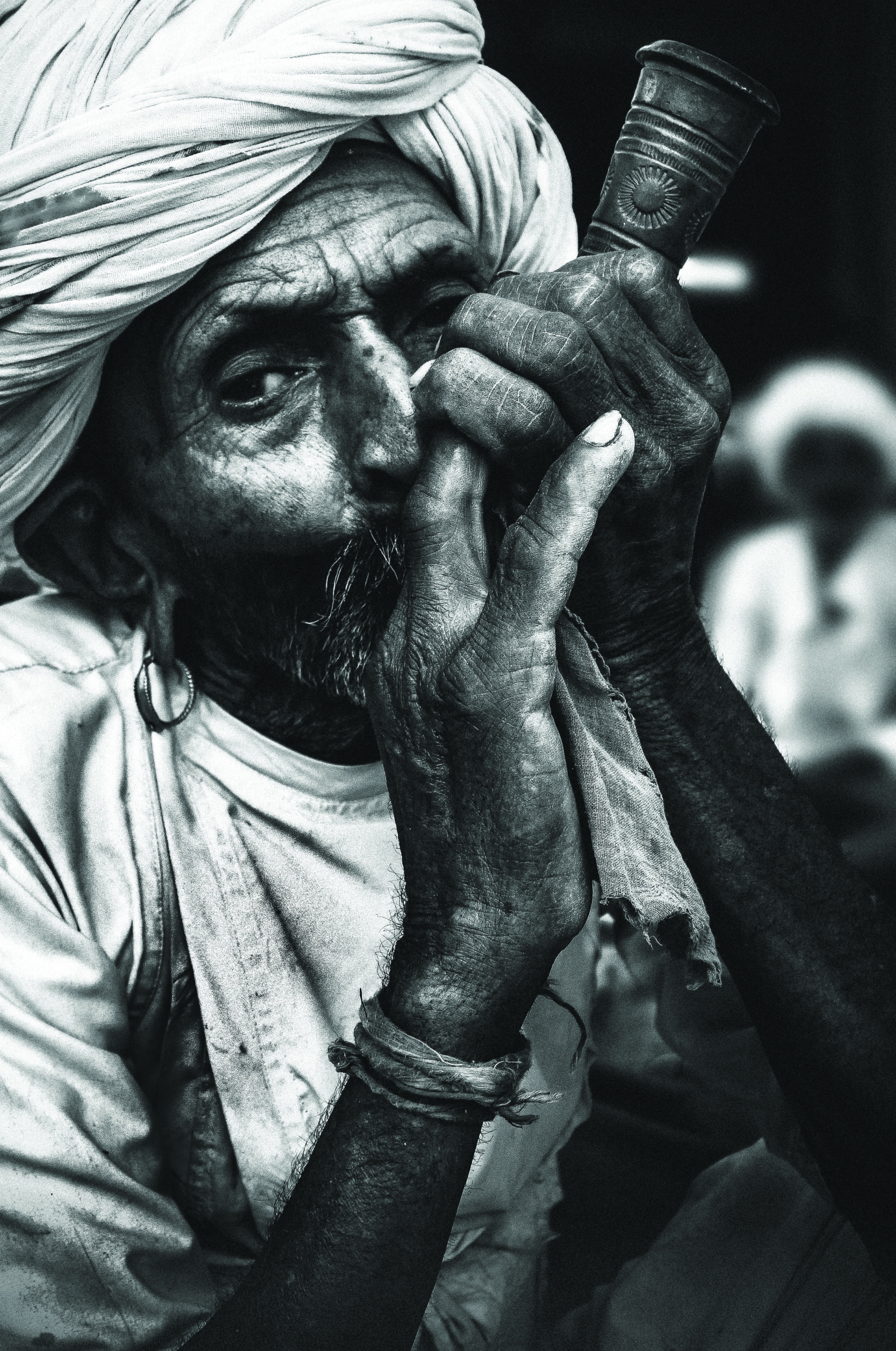
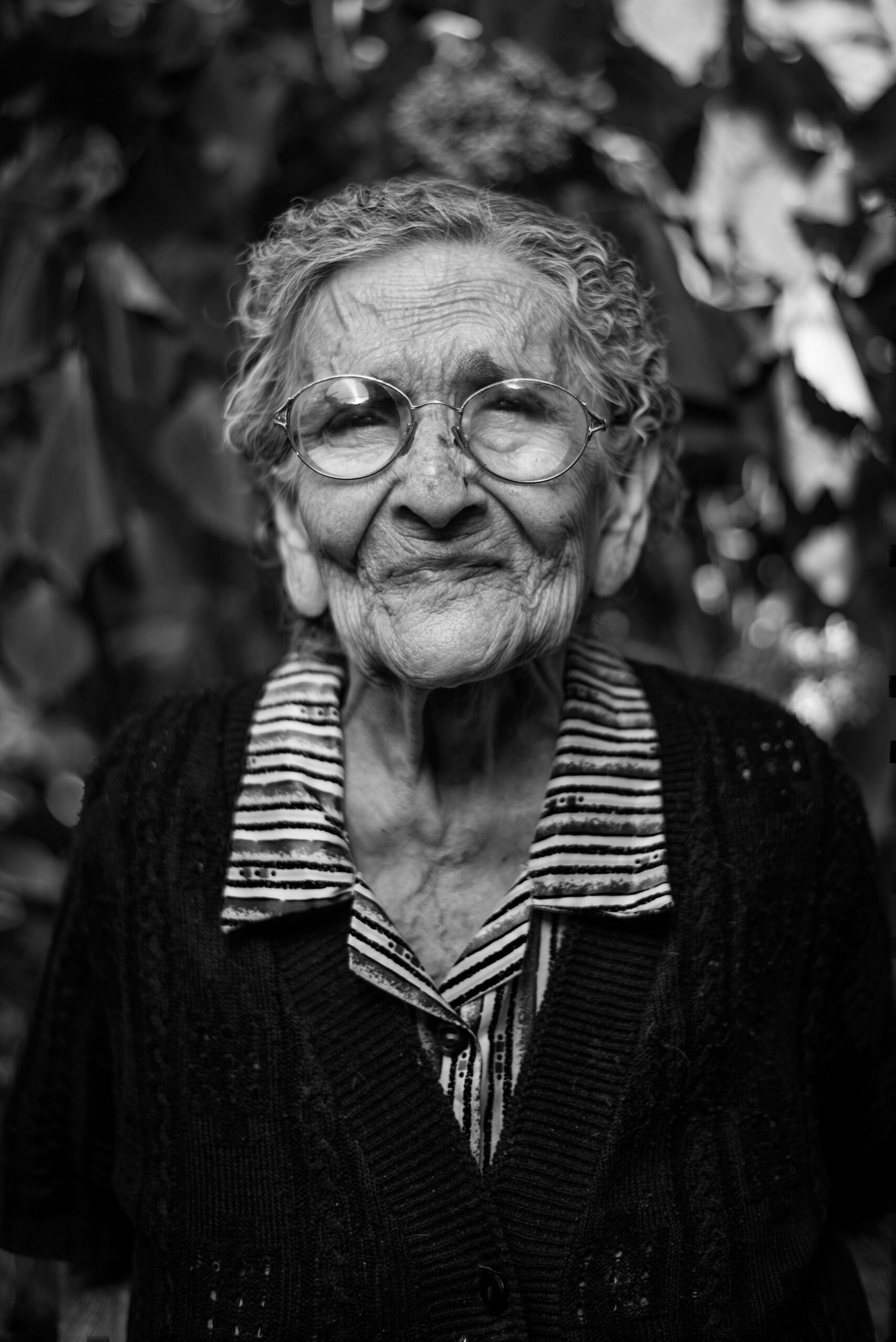
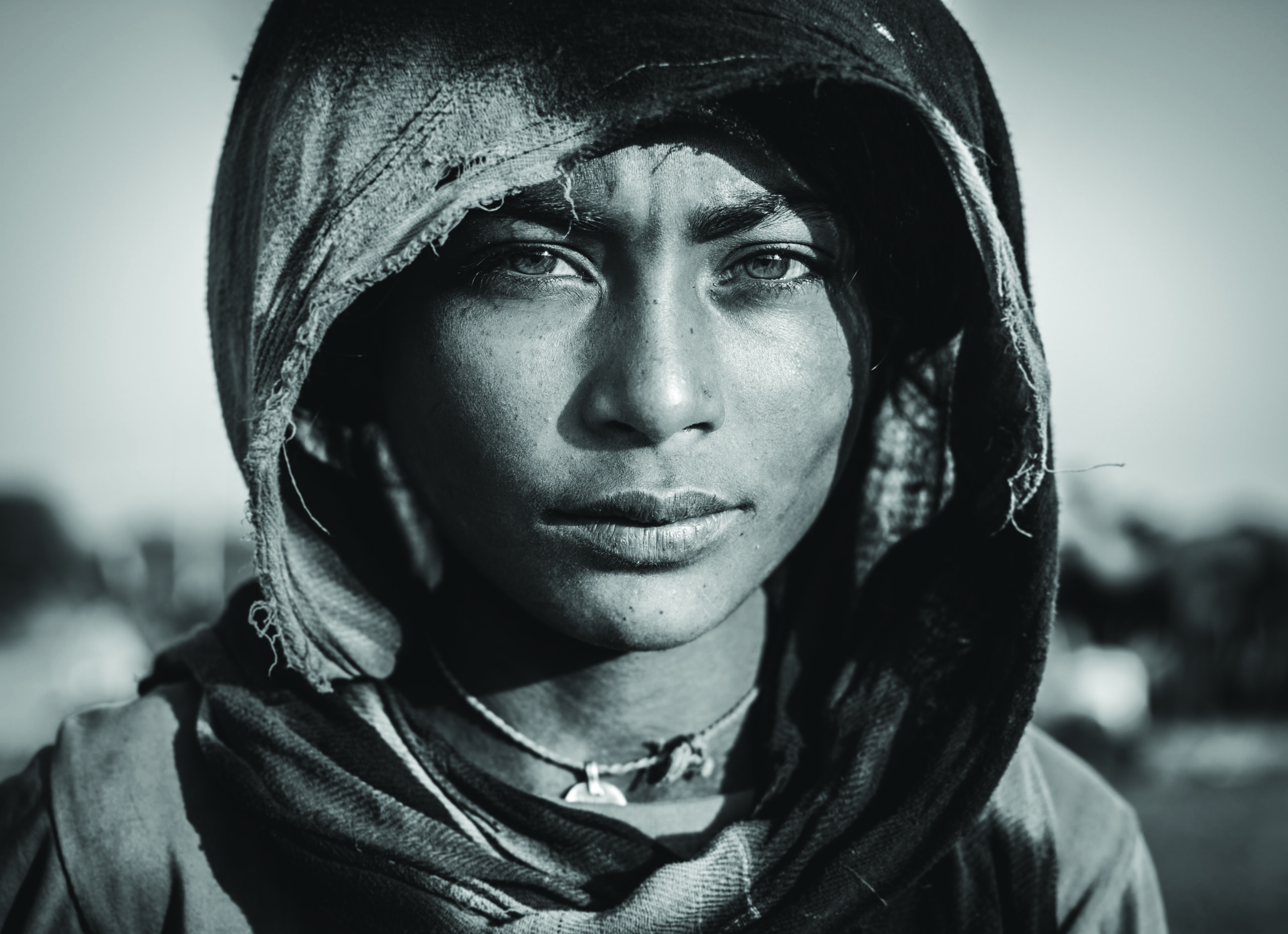
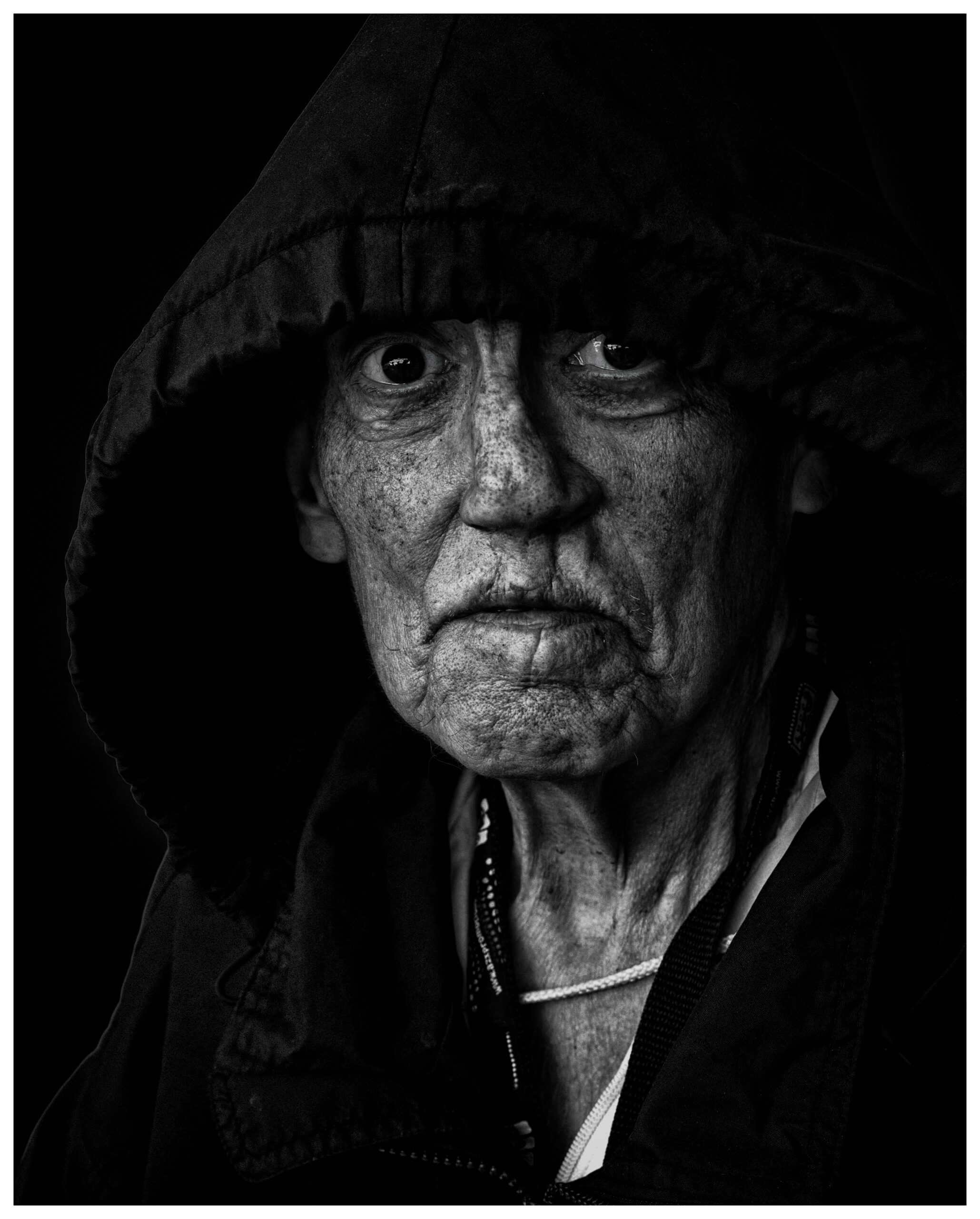
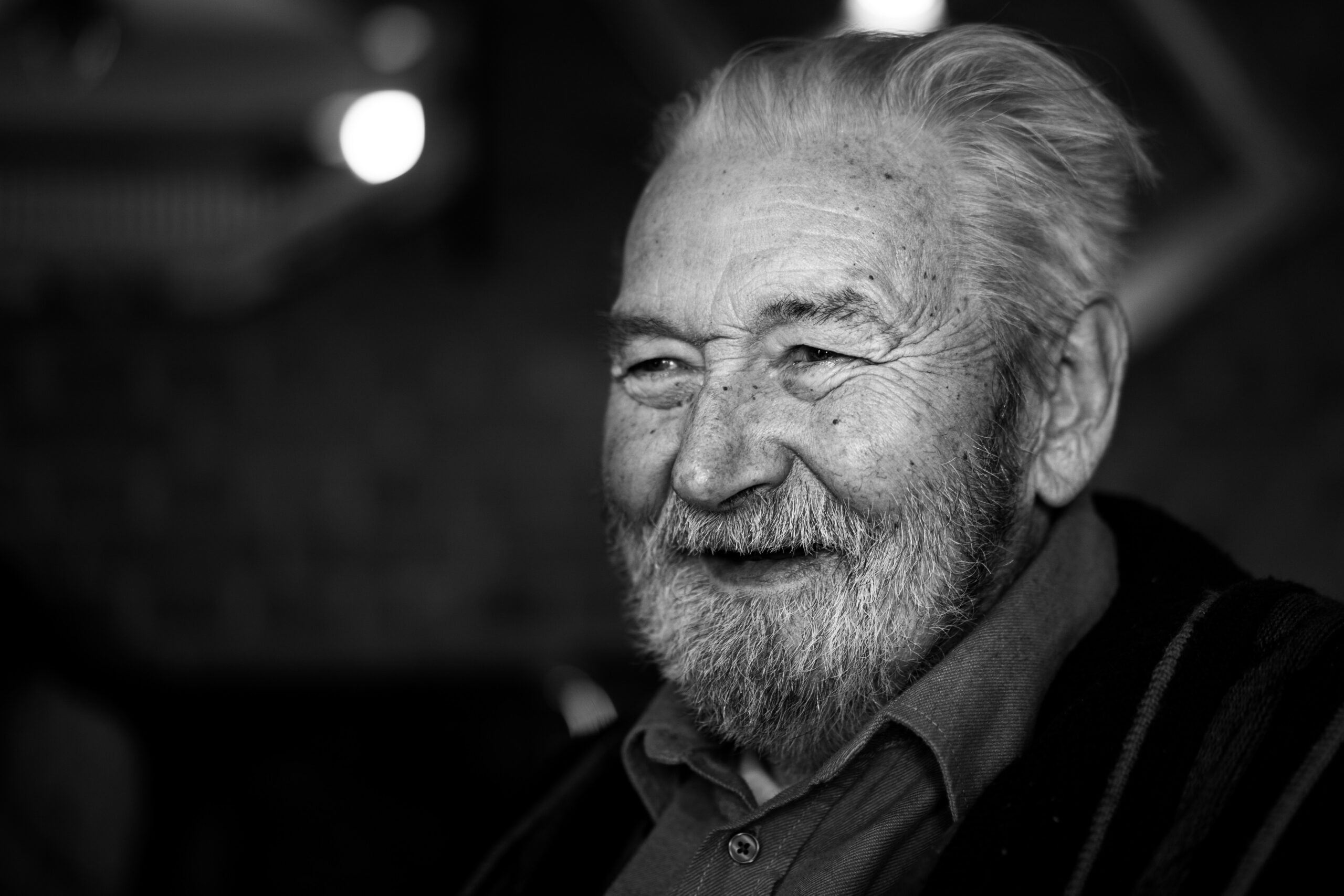
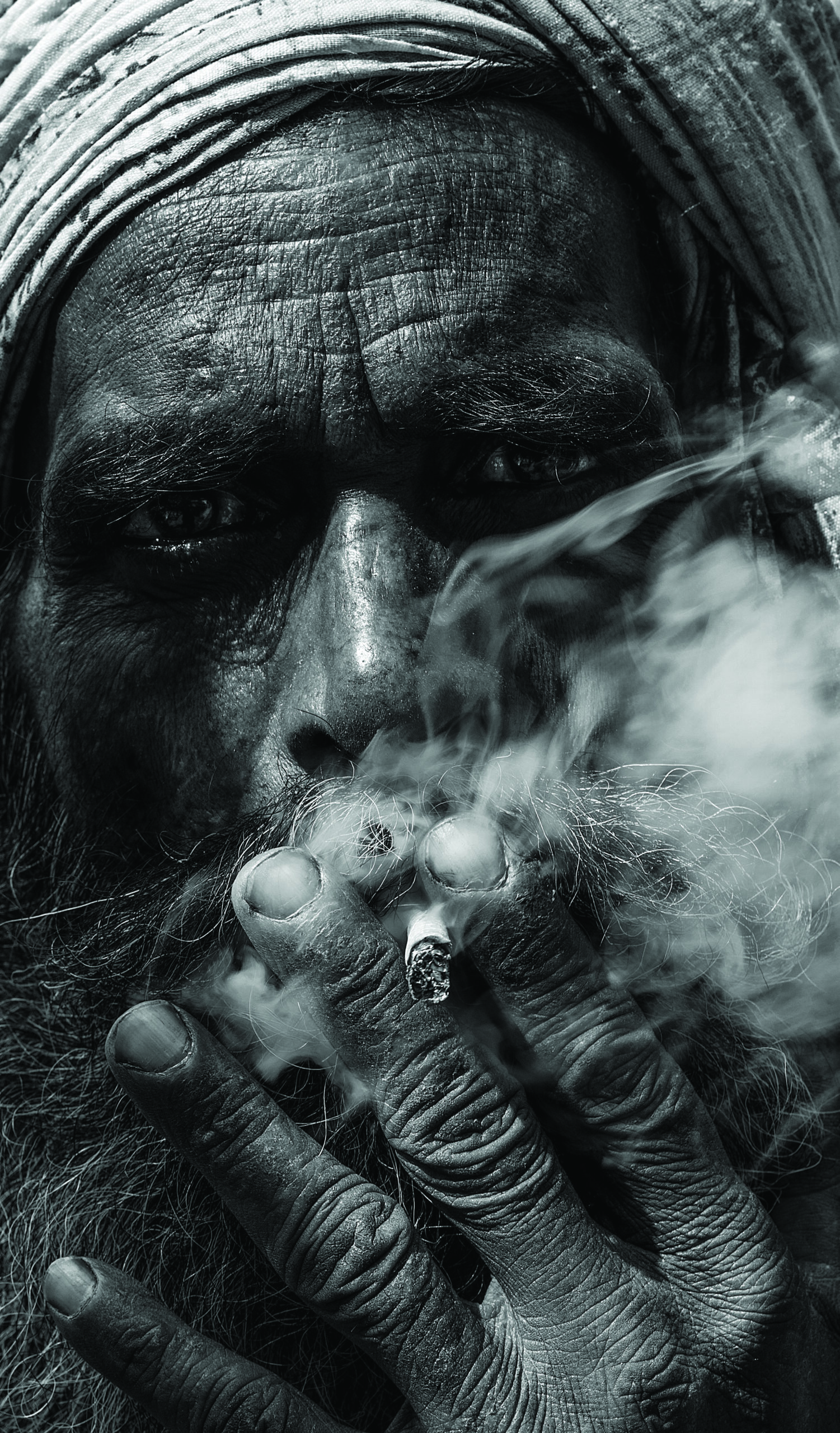
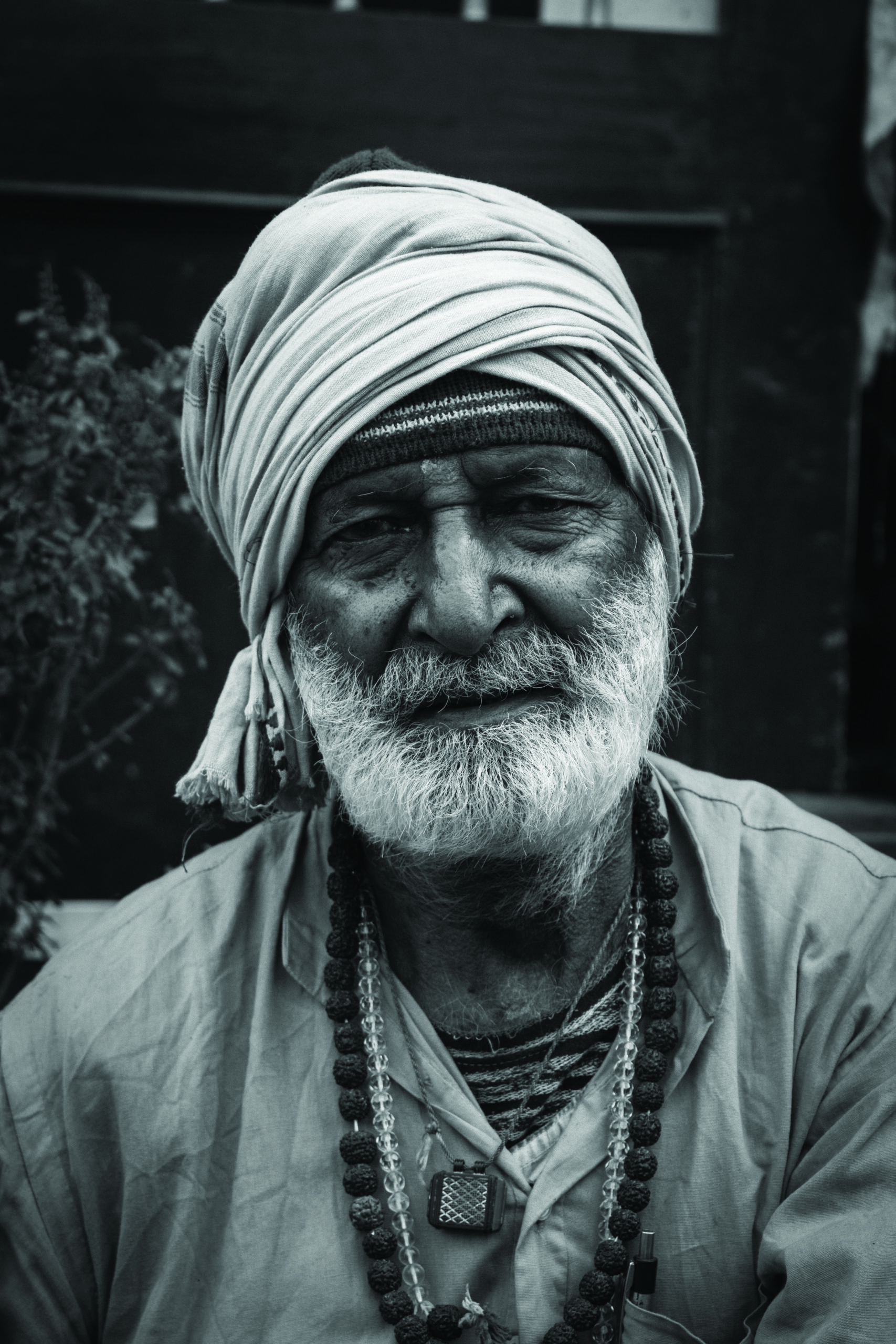
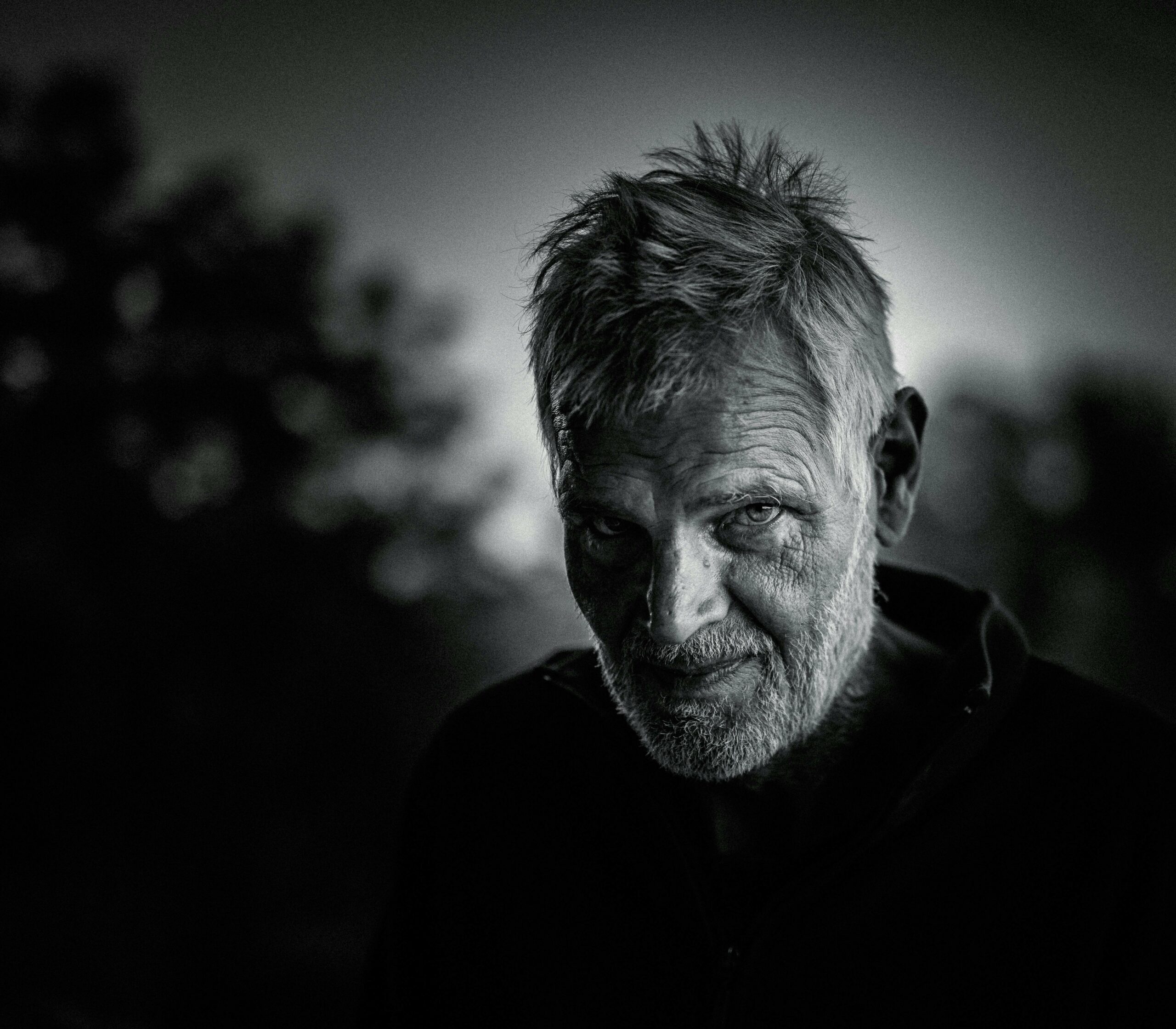
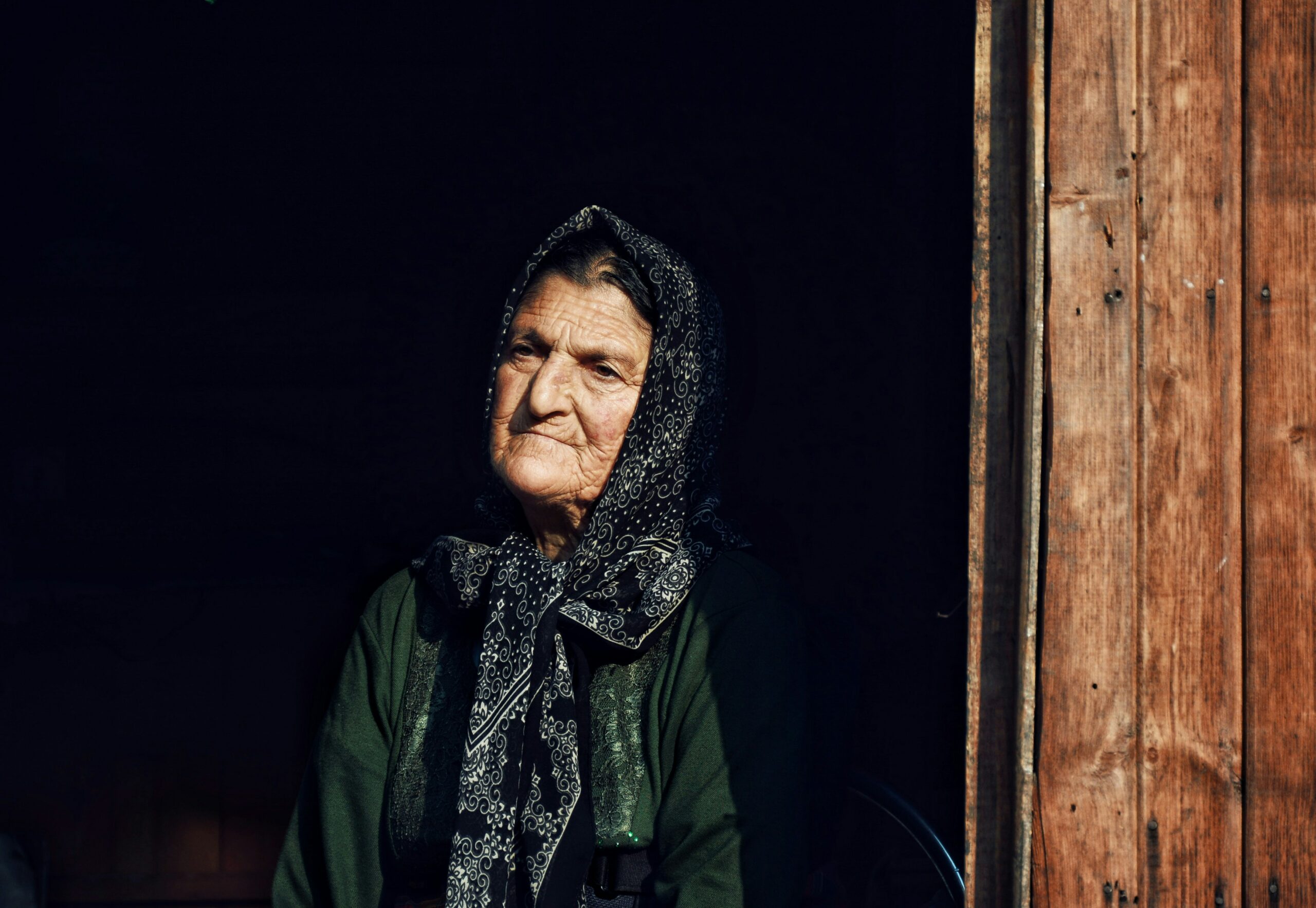
In the dynamic world of photography, street portrait photography stands out as a fascinating and immersive genre. It’s an art form that captures life in its most candid and raw form, portraying the essence of humanity against the backdrop of the bustling streets. This guide is meticulously crafted for both beginner and intermediate photographers who aspire to delve into the captivating world of street portrait photography. Here, we will explore a myriad of tips and tricks that will not only elevate your photography skills, but also enhance your understanding and appreciation of this profound art form.

Understanding Street Portrait Photography

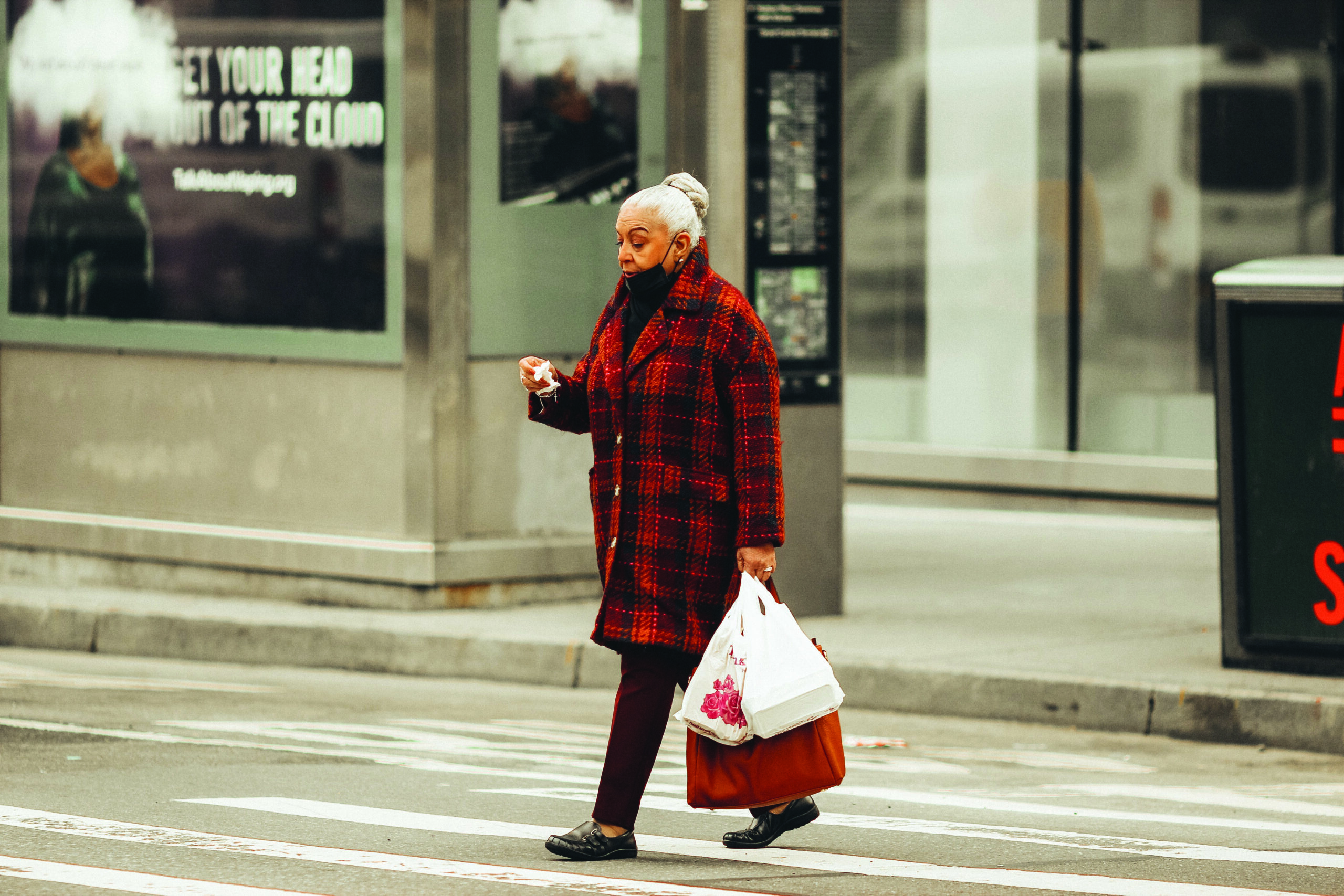
Street portrait photography is more than just taking pictures of people on the streets. It’s about storytelling, capturing emotions, and depicting the vibrant tapestry of urban life through the lens of your camera. Unlike staged portraits, street portraits are spontaneous and authentic, offering a glimpse into the soul of society.

1. Mastering the technical basics

Before diving into the streets, it’s crucial to have a firm grasp of your camera’s settings and the basics of photography. Understanding exposure, aperture, shutter speed, and ISO will allow you to adapt quickly to varying lighting conditions and capture sharp, well-exposed images. Practice shooting in manual mode to gain full control over your photographs.

2. The right gear for the job

While the best camera is the one you have with you, certain gear can make street portrait photography more effective. A versatile lens, such as a 50mm or 35mm prime lens, is ideal for capturing the essence of street life without being too intrusive. These lenses also offer excellent image quality and the ability to shoot in low light conditions. Additionally, a camera with a silent shutter mode can be invaluable for taking candid shots without drawing attention.

3. Building a connection

One of the most significant aspects of street portrait photography is the connection between the photographer and the subject. Whenever possible, engage with your subjects before taking their photograph. A simple smile, nod, or a few words can go a long way in making them feel comfortable and more open to being photographed. This connection often translates into more natural and expressive portraits.

4. The art of composition

Composition plays a pivotal role in the impact of a street portrait. Be mindful of the background and surroundings to avoid clutter that can detract from the subject. Utilise compositional techniques such as the rule of thirds, leading lines, and framing to create more engaging and balanced images. Always be on the lookout for interesting juxtapositions and contrasts that can add depth to your portraits.

5. Capturing emotions and stories

The heart of street portrait photography lies in its ability to convey emotions and stories. Strive to capture the expressions, gestures, and interactions that reveal your subject’s personality and mood. Be patient and observant, waiting for those fleeting moments that can transform a simple photo into a powerful narrative.

6. Lighting is key

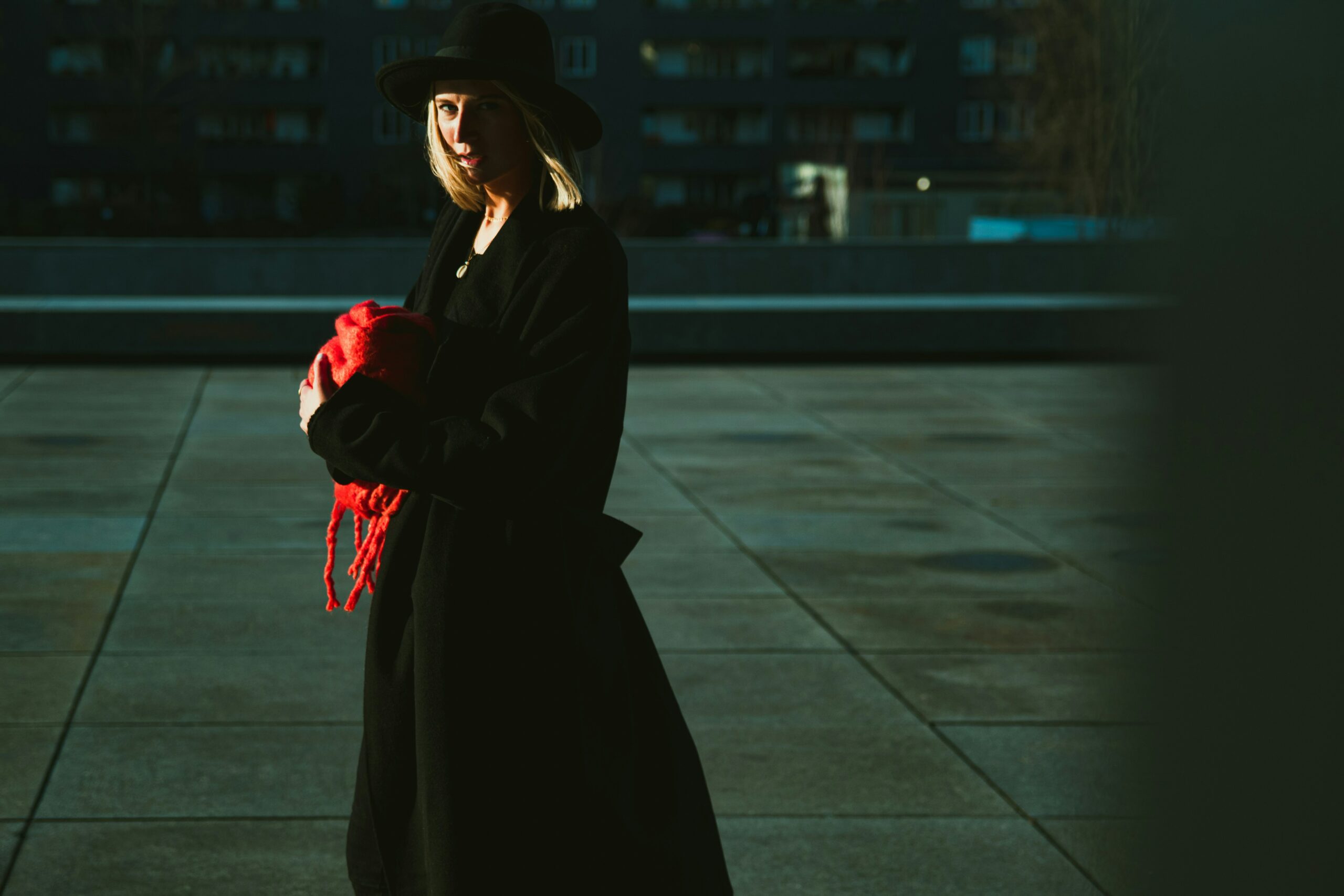
Natural light is a street photographer’s best friend. The golden hours, early in the morning and late in the afternoon, offer soft, flattering light that can enhance the mood of your portraits. However, don’t shy away from the challenges of harsh midday light or the dramatic shadows it can create. Experiment with different lighting conditions to discover unique perspectives and moods.

7. The importance of ethics and respect

Respect and ethics should be the foundation of your street photography practice. Always consider the dignity and privacy of the people you photograph. If someone indicates that they do not wish to be photographed, respect their wishes. Be aware of cultural sensitivities and legal restrictions, especially when travelling to new places.

8. Post-processing techniques

Post-processing is an essential step in realising your vision for a street portrait. Adjusting exposure, contrast, and colour can help to bring out the best in your images. However, strive to keep edits minimal to preserve the authenticity of the moment. Software like Adobe Lightroom and Photoshop offers powerful tools for refining your photos while maintaining their natural feel.

9. Continuously learning and evolving

Street portrait photography is a journey of continuous learning and growth. Seek inspiration from the work of renowned street photographers, participate in workshops, and immerse yourself in photography books and magazines. Most importantly, practice relentlessly. The more you shoot, the more your skills and unique style will develop.

10. Sharing your work

Sharing your photographs with the world is not only rewarding, but also an excellent way to receive feedback and gain exposure. Utilise social media platforms, photography forums, and exhibitions to showcase your work. Engaging with the photography community can provide valuable insights, inspire new ideas, and open doors to exciting opportunities.

11. Embrace spontaneity

Street photography thrives on spontaneity. While it’s good to have a plan or a concept in mind, be open to the unexpected. Sometimes, the most compelling images are born from unplanned moments. Let the rhythm of the streets guide you, and be ready to capture whatever comes your way.

12. Focus on the eyes

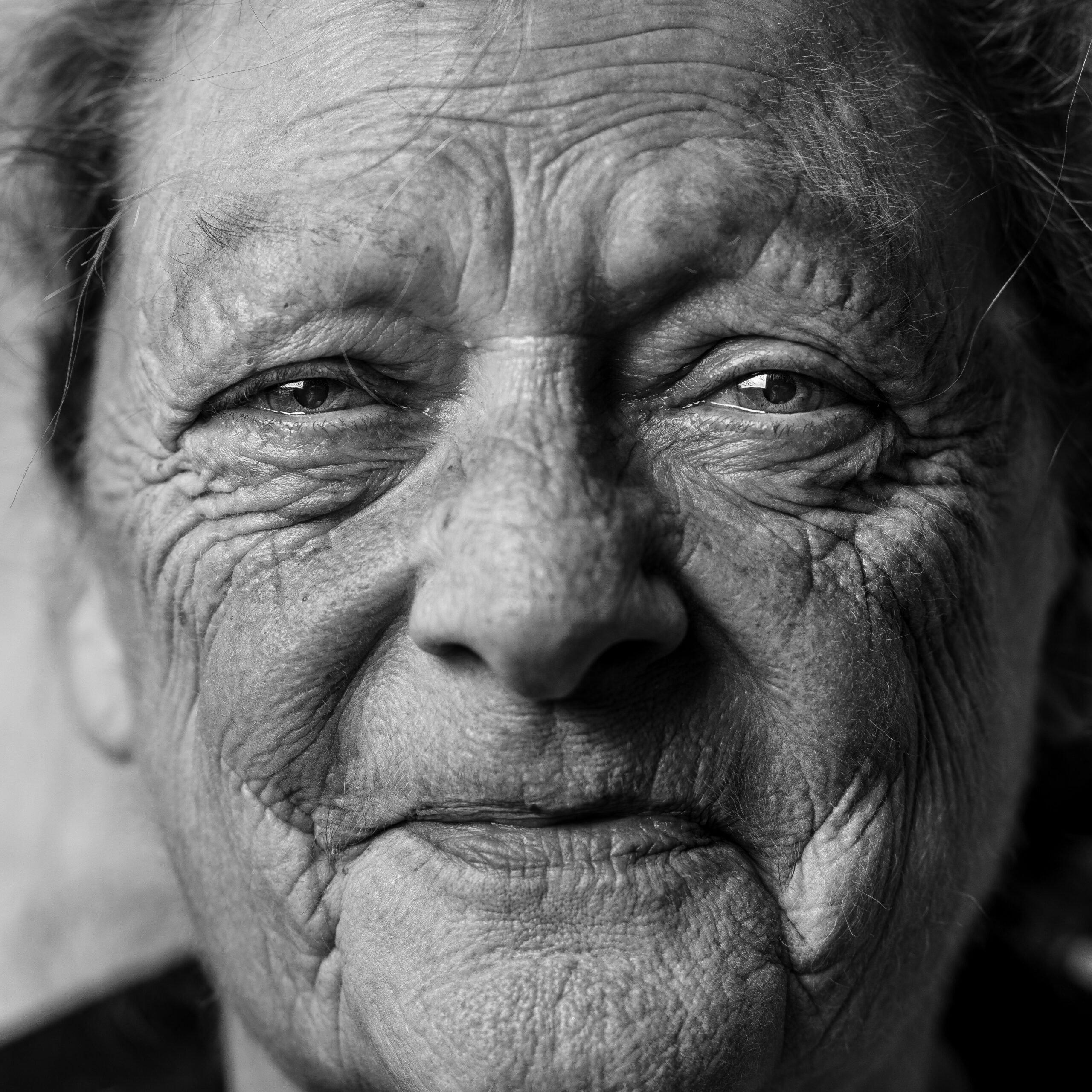
In portrait photography, the eyes often hold the most emotion and can draw viewers into the photo. When possible, focus on the eyes of your subject to create a powerful connection between the viewer and the photograph. This simple technique can dramatically increase the impact of your portraits.

13. Experiment with perspectives

Don’t be afraid to experiment with different shooting angles and perspectives. Crouch down, climb up, or shoot from the hip to find unique vantage points that offer fresh takes on everyday scenes. Changing your perspective can also make your subjects feel more at ease, capturing them in a more natural state.

14. Utilise reflections and silhouettes

Reflections in windows, mirrors, and puddles can provide a creative and often abstract dimension to your street portraits. Similarly, silhouettes can create mystery and drama, adding another layer to the narrative of your image. These techniques can help your work stand out and evoke stronger emotional responses.

15. The decisive moment

Henri Cartier-Bresson, a pioneer in street photography, introduced the concept of the “decisive moment”. This is the idea that there exists a perfect instant to capture an image that encapsulates the essence of a scene. Cultivate patience and keen observation to recognise and capture these fleeting moments.

16. Understand the power of colour

Colour can significantly affect the mood and feel of a photograph. Warm colours can evoke feelings of happiness and comfort, while cool colours can convey melancholy or calm. Pay attention to the colours in your scene and consider how they contribute to the story you’re trying to tell.

17. The role of Black and White

Black and White photography can strip away distractions and focus the viewer’s attention on the subject, textures, and composition. It can also lend a timeless quality to your images. Experiment with black and white conversions in post-processing to see how it changes the mood and impact of your portraits.

18. Capture the environment

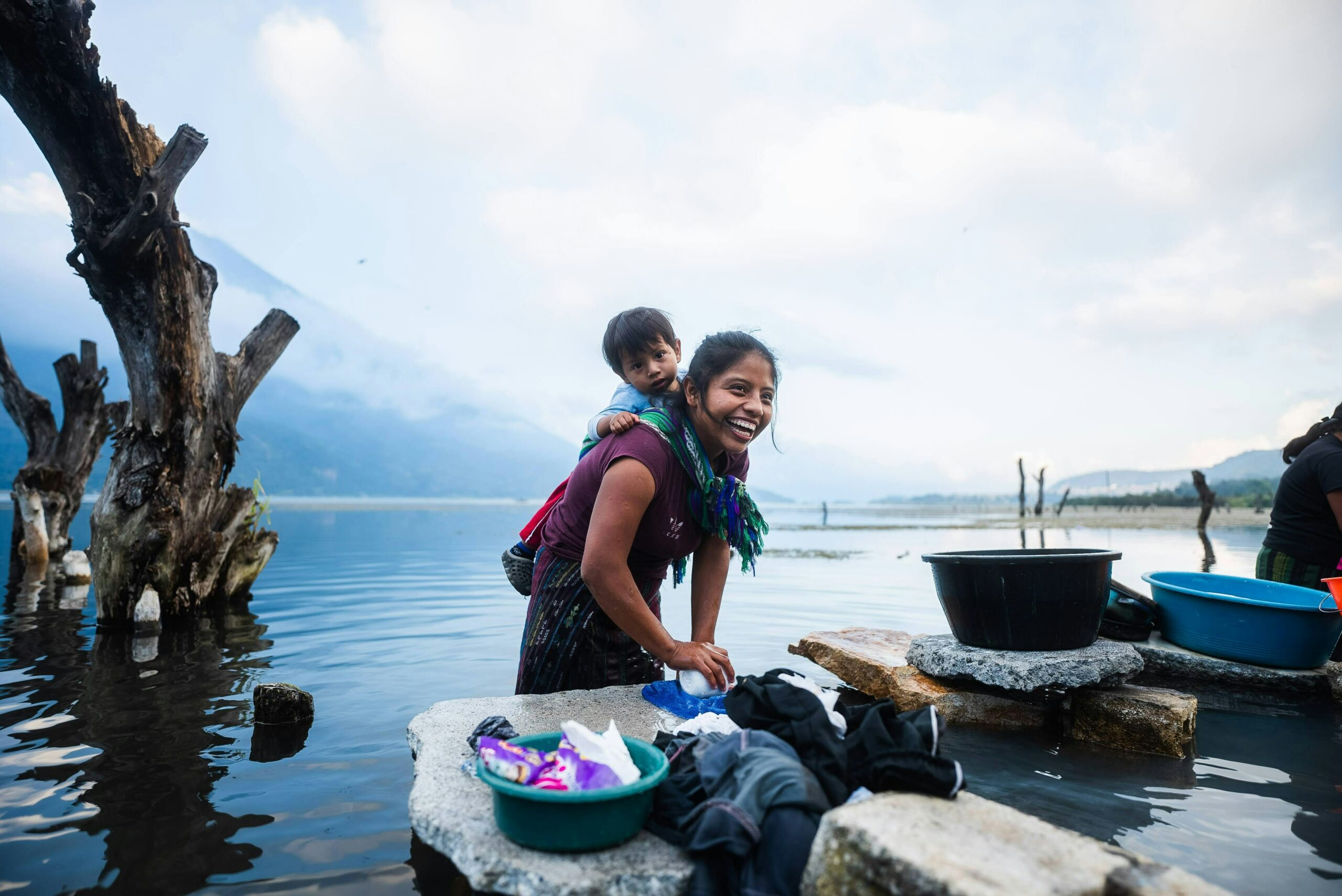
While the focus of portrait photography is often on the individual, the environment can play a crucial role in telling a richer story. Include elements of the surroundings to provide context and depth to your images. This approach can help convey more about the subject’s life and the essence of the location.

19. Learn from critique

Be open to critique from fellow photographers and enthusiasts. Constructive feedback can provide new perspectives on your work and highlight areas for improvement. Learning from critique is essential for growth and development in your photographic journey.

20. Document your progress

Keep a record of your work and review it periodically. This will not only show you how much you’ve grown, but also help you identify consistent themes and subjects in your photography. Understanding your own progress and interests can guide your future development and refine your personal style.

Embarking on your journey

With these additional insights, your toolkit for street portrait photography is now richer and more diverse. Remember, the essence of street photography lies in capturing the beauty of everyday life, the unguarded moments that reveal the depth of human emotion and connection. Each point in this expanded guide is designed to encourage you to explore, experiment, and express your unique vision through the lens of your camera. The streets are a canvas, and you, the photographer, are the artist. Embrace each opportunity, learn from every shot, and continue to share the world through your eyes. The journey of street portrait photography is endless, filled with growth, discovery, and boundless creativity.

– Sanchit Mishra