
When we reviewed the OPPO Find X8 Pro last year, it impressed us by punching well above its weight. This year, Oppo sent over its younger sibling, the OPPO Find X9, placing it in a crowded mid-range flagship segment filled with stiff competition. Like its predecessor, the Find X9’s cameras are co-engineered with Hasselblad, setting expectations high, especially on the camera front.
Here’s our detailed look at what the OPPO Find X9 cameras bring to the table.
Look, Body & Feel
The design of the OPPO Find X9 is a noticeable departure from the Find X8. It now looks more in line with other smartphones in this segment. The camera bump resembles older iPhone designs and features the Hasselblad logo at the centre of the flash module. The biggest visual differentiator is the camera layout itself, with the ultrawide lens sporting a pill-shaped design.
The phone features a 6.59-inch “ProXDR” display and weighs 203 grams. In daily use, it feels compact and manageable, something users with smaller hands will appreciate. On the left side, there’s a programmable action button that can be assigned to various tasks, including launching the camera. Within the camera app, this button can also be used to capture photos.
Camera & Hardware Overview
The OPPO Find X9 comes with a familiar triple-camera setup featuring a:
- 50MP main camera (14MP output)
- 50MP ultra-wide camera (14MP output)
- 50MP telephoto camera (14MP output)
- 32MP front camera (12MP output)
- Powered by MediaTek Dimensity 9500 processor
- Backed up by a 7025mAh battery
One thing that’s peculiar about this phone is that it enables you to get 25-50 MP photos without enabling a high-res mode, depending on the amount of light in the scene. But just to be clear, there is a separate “Hasselblad Hi-res” mode available that works on all three cameras on the optical lenses only (0.6x, 1x & 3x).
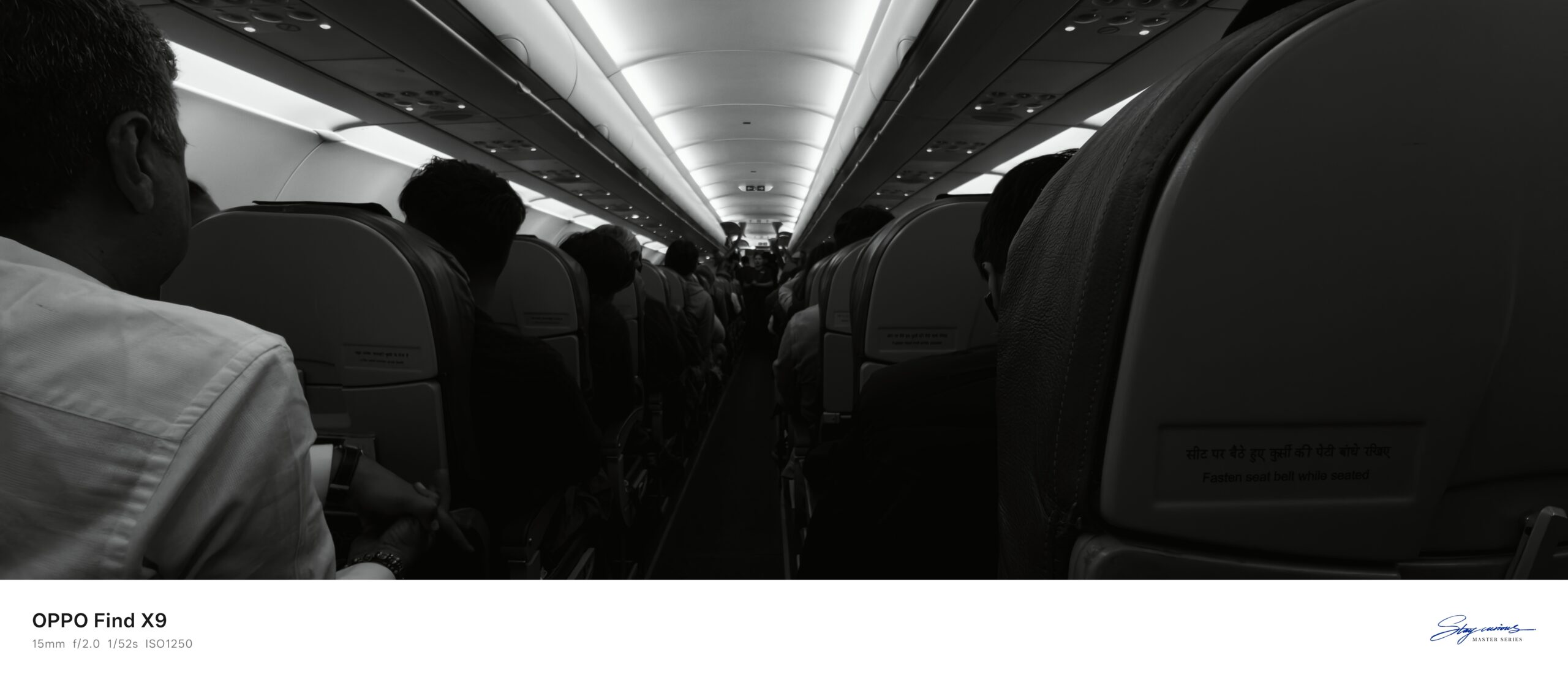
There’s also the Hasselblad Xpan mode which has an updated UI and allows you to shoot in the Xpan ratio – photographers will know exactly what this is.
Daylight Performance
Main Camera
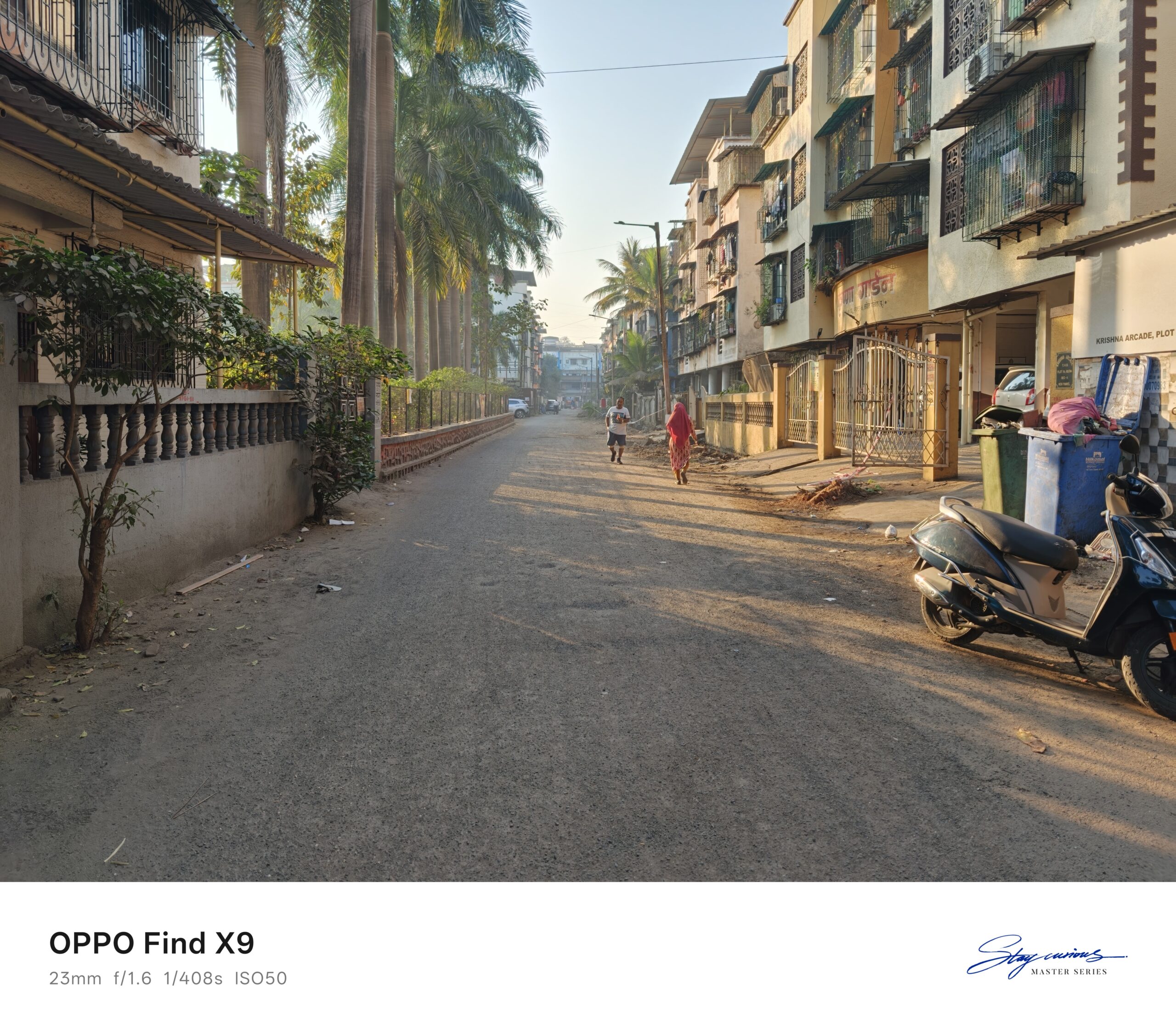
The main camera uses a 50MP Sony LYT-808 sensor with a default 12MP output. It supports shooting at 1x, 1.3x, 1.5x, and 2x zoom levels.
Images are sharp, crisp, and detailed, especially when zooming in. However, they tend to look oversaturated and overly vibrant, which some users may enjoy. Dynamic range is good, with decent highlight and shadow handling.
That said, in several shots, human subjects appeared slightly underexposed despite adequate lighting. This feels like something that could potentially be addressed through a software update.
Ultra-Wide Camera
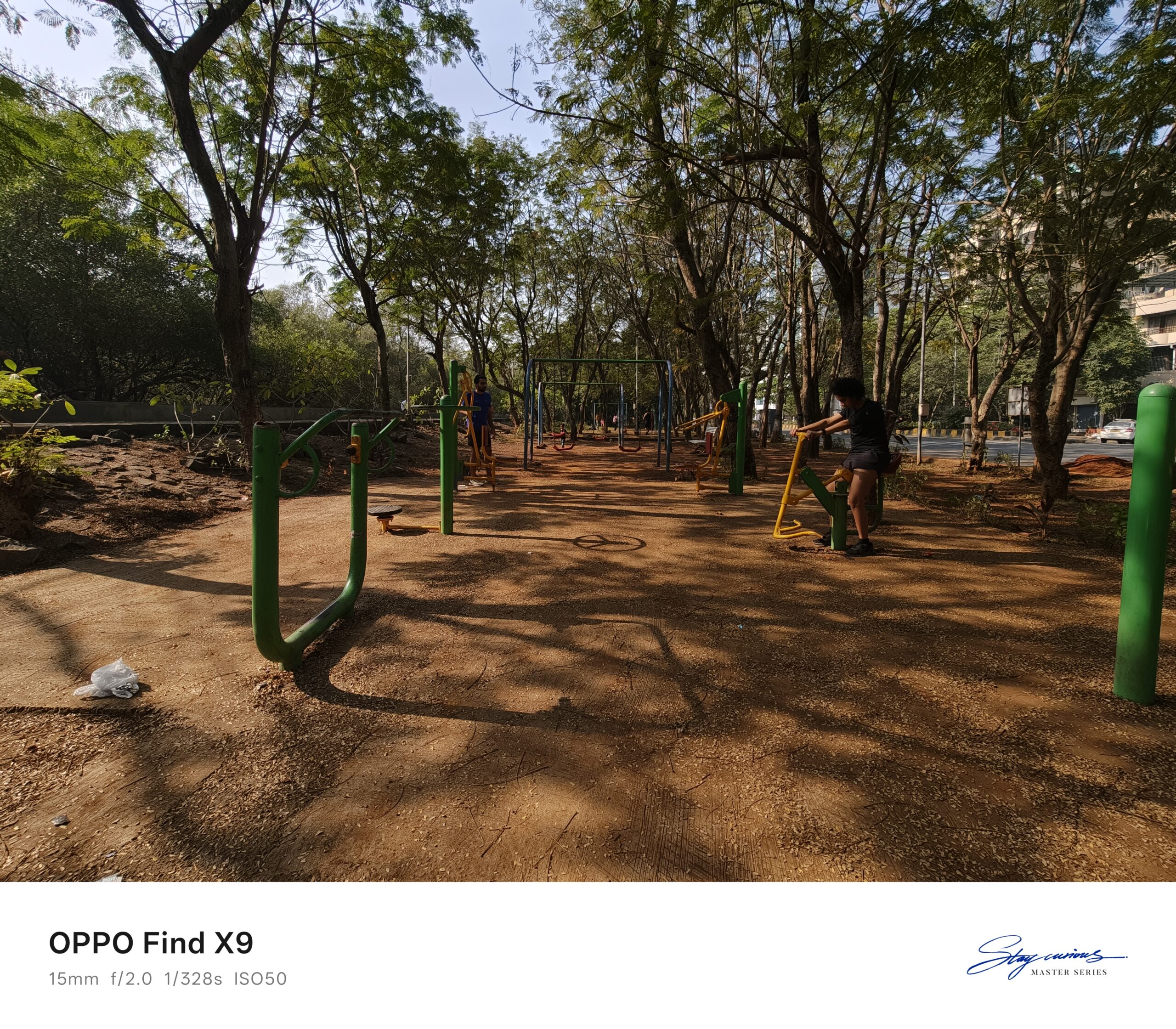
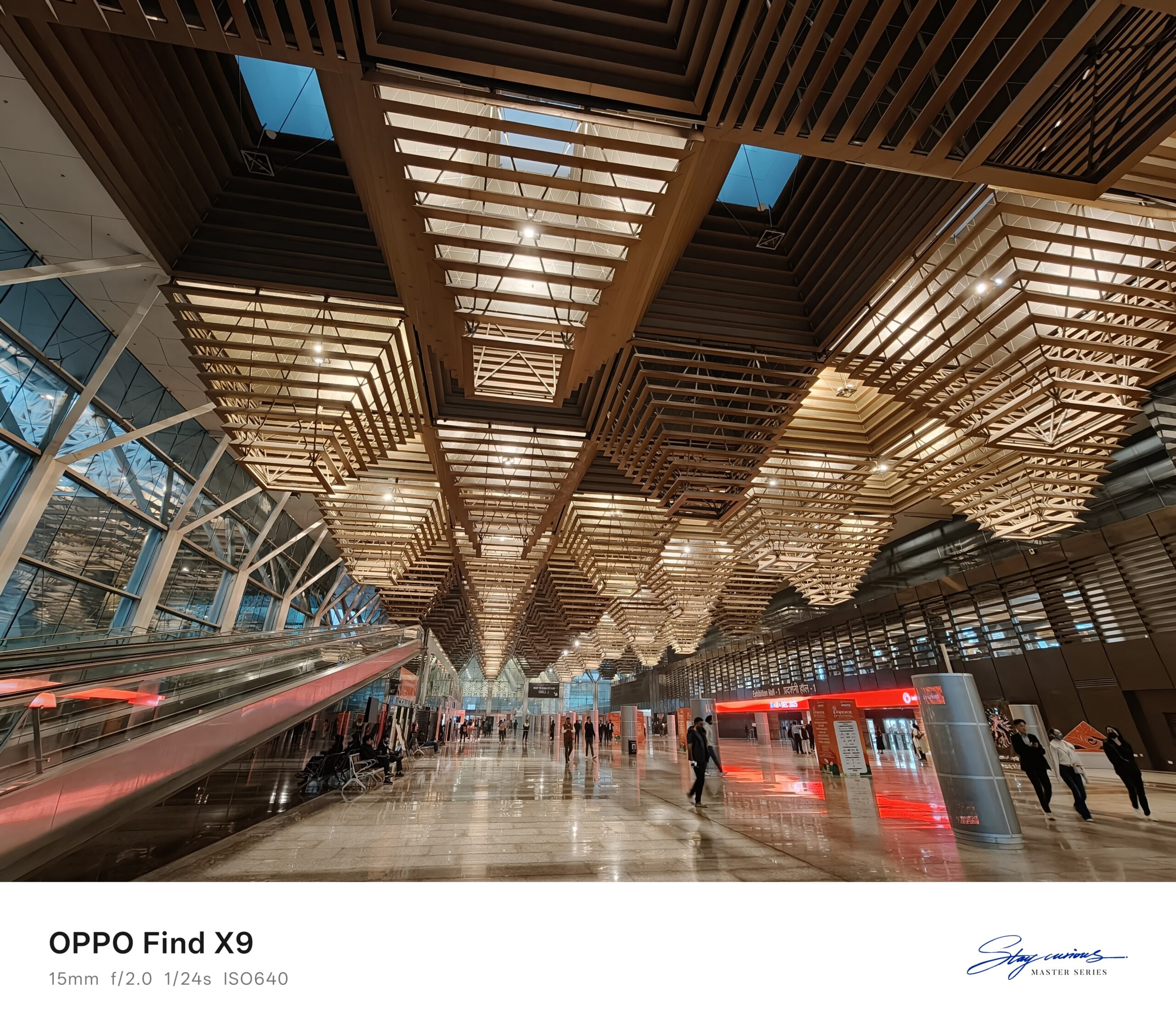
The ultra-wide camera uses a Samsung JN5 sensor with a 12MP output and performs impressively. In fact, it’s better than many ultra-wide cameras we’ve seen in this category.
Compared to the main camera, images from the ultra-wide tend to be brighter than the actual scene. While the main camera sometimes underexposes, the wide camera compensates by lifting brightness. Images remain sharp and detailed but share the same vibrant, slightly oversaturated look, often pushing skin tones toward a reddish hue.
Highlights and shadows are handled reasonably well, though occasional flaring and aggressive processing are visible. Overall, it’s a solid ultra-wide shooter.
Telephoto Camera
The telephoto setup uses a 50MP Sony LYT-600 periscope sensor, offering 3x optical and 6x lossless quality options with a maximum digital zoom of 120x.
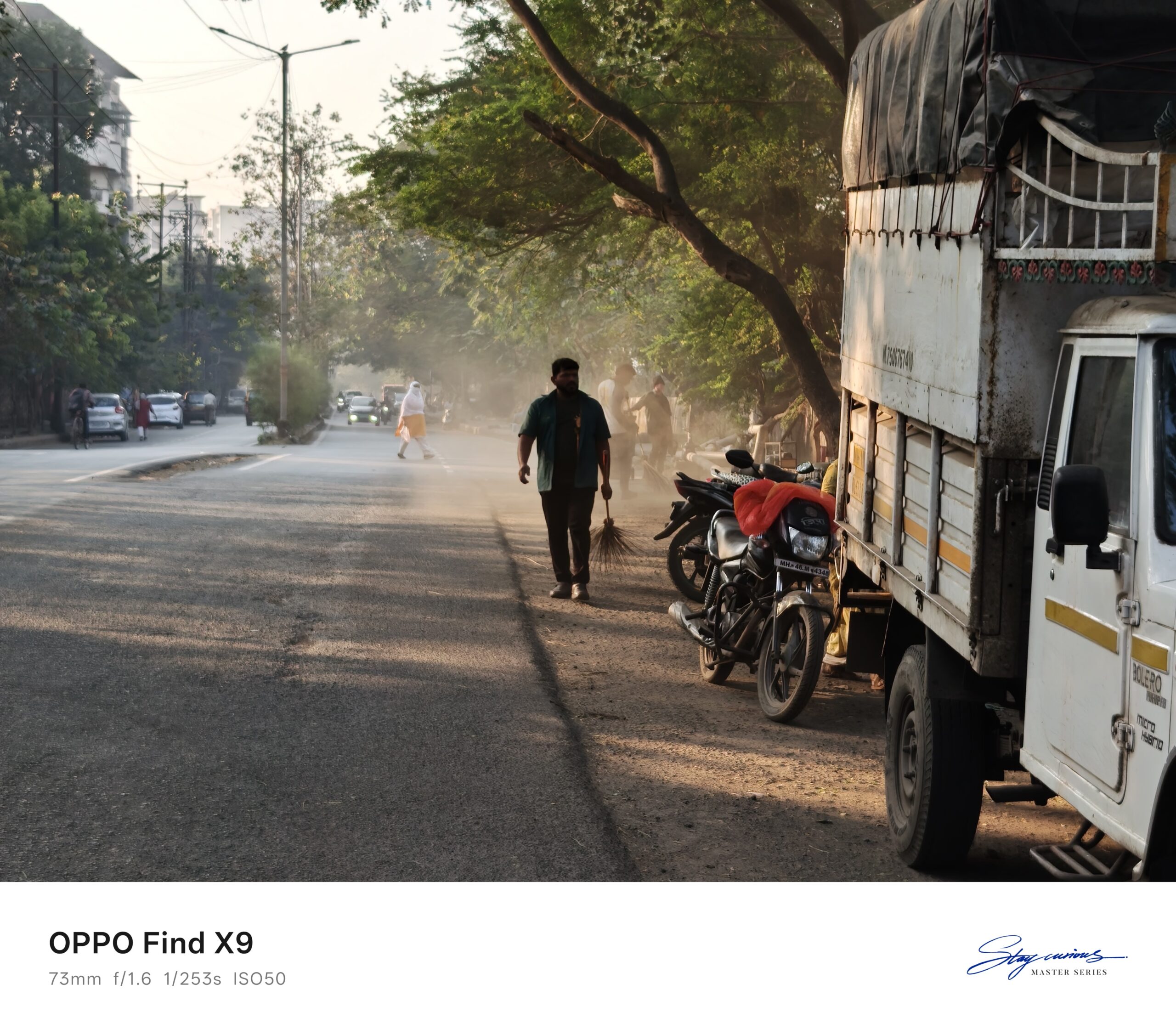
Results here are mixed. In some cases, images appear underexposed, while in others they’re slightly overexposed. Sharpness and detail are generally good, especially up to 6x.
Visible processing is present, and some shots show a reddish color tone. However, color consistency at higher zoom levels is commendable, with very little color shifting, something many zoom cameras struggle with. At extreme zoom levels, color fringing becomes noticeable.
Low-Light Performance

In low light, the OPPO Find X9 delivers vibrant, well-saturated images. In fact, saturation sometimes feels excessive. Heavy processing is evident across all cameras, though many users may still like the end result.
Detail loss becomes visible when zooming in, which is expected. The ultra-wide camera stays relatively true to the scene, but ghosting and halo effects appear around strong light sources.
Telephoto images in low light are softer and show noticeable processing, along with some flaring and ghosting. On the positive side, color shifting is minimal. High zoom in low light, however, isn’t recommended.
Front Camera

The front camera uses a 32MP sensor with a default 14MP output. Like the rear cameras, it supports automatic high-resolution capture, delivering full 32MP images when lighting allows.
There are two focal options: 0.8x and 1x. In practice, the 0.8x option feels more useful, making the 1x option somewhat redundant.
Image quality is strong, with natural skin tones and good detail retention. Front camera portraits benefit from the auto high-resolution feature as well, producing detailed images. Edge detection is good, but subject separation can look inconsistent on close inspection, especially around complex areas.
Skin smoothing is minimal, which is welcome, but some images show uneven processing where certain areas appear discolored. This doesn’t happen consistently, but it’s noticeable when it does.
The front camera supports 4K video recording at up to 60fps using both focal options. Front camera video is one of the best performing cameras we’ve seen so far, with colour rendition very true to scene and close to reality. Skin tones are preserved well and the image is very well-exposed.
Portrait Mode
Portraits can be shot using three focal lengths. The results are generally pleasing, with good sharpness, accurate edge detection, and natural-looking bokeh.
Skin smoothing is minimal, but the phone tends to slightly brighten skin tones, particularly in low light, where a reddish tint becomes more pronounced.

Daylight portrait 
Lowlight portrait
Video Performance
The OPPO Find X9 supports 4K video recording at up to 120fps, an upgrade over last year’s 4K 60fps limit. At 120fps, only the 1x, 2x, and 3x lenses are available. Shooting at 4K 60fps unlocks the 0.8x and 6x lenses as well.
Optical image stabilization is available on two of the three cameras, excluding the ultra-wide, which is typical. Video quality is good and consistent with last year’s performance. Colors are slightly punchy, stabilization works well, and autofocus is reliable.
The camera app remains largely unchanged and is easy to navigate. For advanced users, LOG recording is available in the Pro video mode providing wider dynamic range and post-production flexibility.
Macro Mode
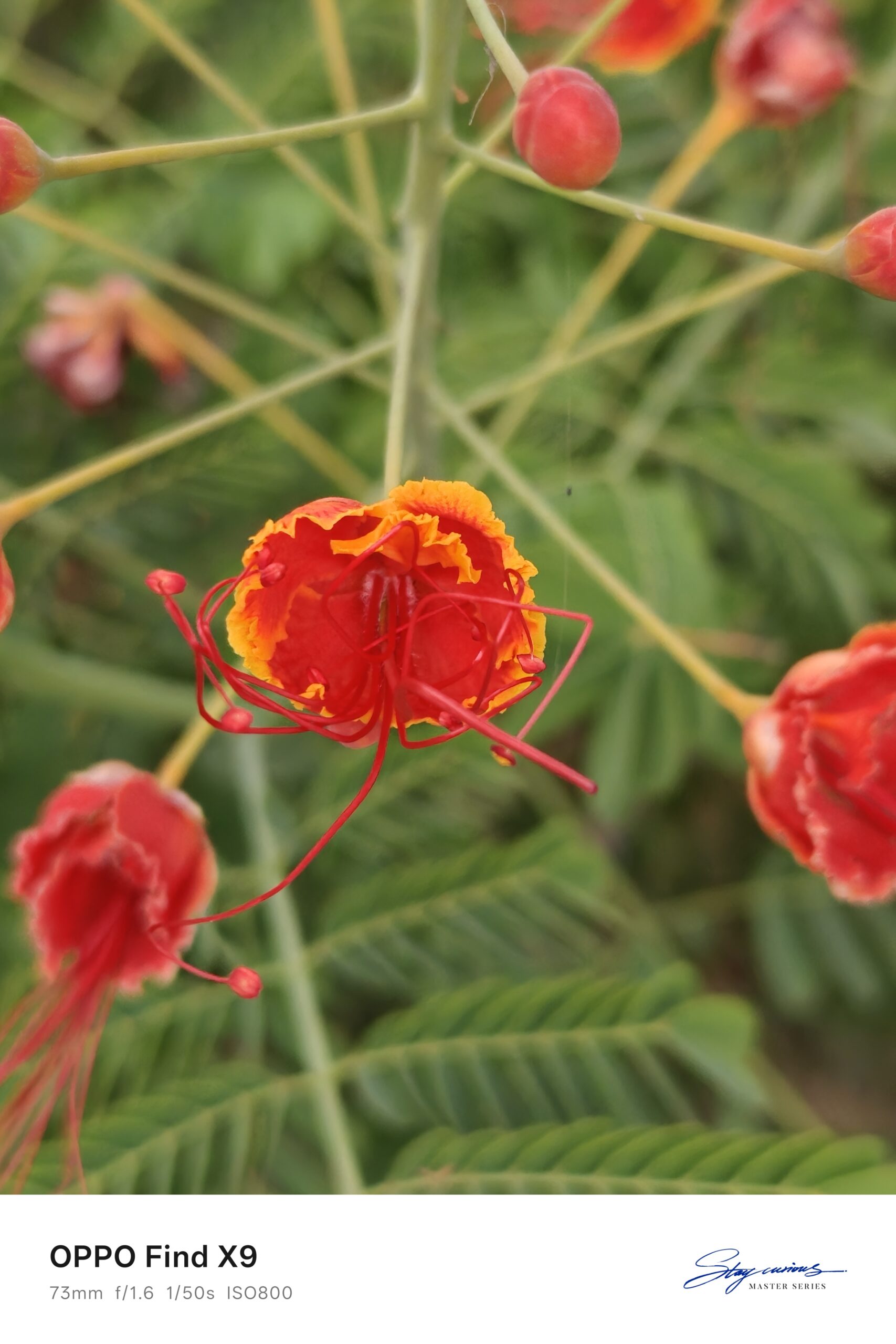
The super macro mode returns with a minimum focusing distance of approximately 10cm. Results are mixed but improved compared to last year. Some shots show impressive detail and convincing background blur, mimicking a dedicated macro lens.
What We Liked
Battery:
The 7025mAh battery is a major upgrade over last generation’s 5900mAh in the pro unit. It easily lasts up to two days with balanced use and offers excellent standby time. Fast charging support includes 80W wired and 50W wireless charging, making this a strong selling point.
Display:
The Find X9 features a 6.3-inch 120Hz LTPS AMOLED display with peak local brightness of 3600 nits and 1800 nits in high brightness mode. Visibility outdoors is excellent, and HDR content looks great.
UI:
The phone came with ColorOS 16 out of the box and has received multiple updates since launch, including camera improvements. The UI remains smooth and functional, borrowing minimalist elements from OnePlus. Whether users like it or not will come down to personal preference, but is a definite plus point in terms of usability.
What We Didn’t Like
Camera Preview Accuracy:
The biggest issue is the camera preview. Images often look overexposed and blown out on the preview screen, even though the final photo turns out fine. In some cases, when the phone detects people in the frame, it overexposes the preview entirely. Despite multiple software updates, this issue hasn’t been fixed and can be misleading while shooting.
Verdict
So, how do the cameras on the OPPO Find X9 hold up?
Overall, the answer is yes, with some caveats. The cameras deliver sharp, detailed images, and the automatic high-resolution mode is genuinely useful, adding detail to everyday shots without any effort.
However, low-light telephoto performance could be better, and the aggressive processing needs to be toned down. At a price of ₹75,000, the OPPO Find X9 is a solid buy, especially with card offers taken into account. With a few refinements and software improvements, this could easily become an even stronger contender in its segment.