Tag Archives: lens review

Canon RF 45mm F/1.2 Review

2025 was a year of interesting lenses, and we have one of those to review today. THIS, is Canon’s latest offering—the RF 45mm F/1.2 STM—which doesn’t look or feel or even cost like an F/1.2 prime lens. Coming in at ₹40,495, this is a staggeringly low price point, ESPECIALLY for a F1.2 prime lens with autofocus.

In this article, we’ll be reviewing this lens, exploring the pros and cons of using this lens, and whether we’d recommend this to you. 

An Interesting Focal Length

Before heading into the review, let’s quickly discuss why it’s 45mm and not 50. An easy answer would be cost and size, but there’s one more interesting perspective. See we’re told that the field of view of the human eye is equivalent to an image produced by a 50mm lens on a full-frame sensor, but technically, it’s closer to 43mm. So this 45mm lens is closer to your vision’s FOV. Nitpicking done, let’s move ahead with the review.

Look, Body & Feel

Canon has learnt from Nikon last year, where they launched affordable F1.4 lenses with good image quality, and have tried to match up to them with this lens. The 45mm 1.2 is constructed using engineered plastic, with a metal mount, weighing at 364 grams, making it super portable. Paired with a body like R6III, the kit is lightweight and super portable. The lens features nine glass elements in seven groups with only one aspherical lens and a front filter thread upfront of 67mm. Naturally, it doesn’t come with OIS. 

But mind you, this lens isn’t weather sealed—which might be the first area where Canon has cut back on to save cost. But there’s also no special coating on the front element, so the lens is prone to smudges and whatnot—we recommend a cleaning kit handy. 

There’s no bells & whistles obviously, there is an AF-MF switch, a focus ring and a control ring upfront which moves freely with a very light click. That’s it, super minimal, super easy to use.

Image Quality

This is perhaps the most interesting section of the video you have been waiting for. The images this lens produces are not tack sharp at F/1.2—which is expected. Images aren’t very sharp at the centre, but this sharpness falls apart even more when we go towards the edges. Stopping down the lens to F/1.8 and lower renders sharper detail, but of course, that comes at the cost of depth of field and the quality of bokeh. 

Autofocus

This is where we find the second reason why this lens costs so little. The 45 F/1.2 features an STM motor for autofocus, which means it’s marginally slower than USM or VCM motors in other Canon lenses. Another thing to observe is that the lens focuses internally and you can see the mechanism in action—which is another ingress point for dust & debris.

Paired with the EOS R6 Mark III, we could see that the camera could identify and track subjects in a wide-variety of scenarios but the lens couldn’t keep up, leading to a lot of missed shots. The focusing speed is okay for slow-paced/normal scenarios, and we’d recommend not using this lens for any fast-paced scenarios like sports, wildlife or action.

In videos, focus breathing is prominent, and is well-corrected by the R6 III we shot on. But for photographers who’re looking to focus stack using this lens, it might be a dealbreaker.

And there is a slight delay when you engage the focus and when the lens actually focuses. You can actually hear and sort of feel the focus motor engaging when it’s working, but it’s not loud enough to show up in the video you’re shooting. 

Bokeh

The bokeh out of this lens is its best characteristic, as you can see. At F/1.2, they’re spherical in the middle with some cat’s eye bokeh in the corners and the bokeh becomes less-round as we stop down the aperture. The texture of the bokeh itself isn’t too bad, no onion rings or any weird artefacts. But you can also see some weirdly shaped bokeh in the corners, which is an interesting touch. 

Close Focussing

The minimum focussing distance (MFD) for this lens is not too bad at 45cm, giving it a very low magnification ratio of 0.13x. At minimum focus in wide aperture, the lens produces reasonably sharp images, at least in the centre, which of course becomes better as we narrow down the aperture. 

Chromatic Aberration Performance

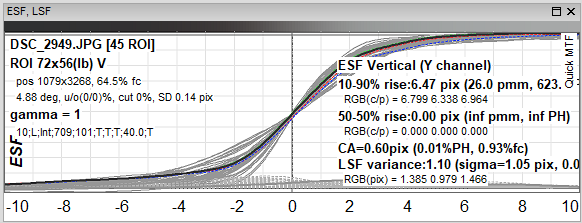
This is perhaps the biggest con with this lens. Testing through quickMTF showed us why this lens costs so little. In the centre, the CA value was 0.79 and as we went to the edges of the frame, it went to 1.15—which is very high. This shows up in the out of focus areas in images, where you can clearly see some visible colour fringing in the out of focus areas, and this extent of chromatic aberration can’t be removed in software either—and it can be distracting from the locus of the image i.e. your subject.

Flaring & Ghosting

For a lens with no special coatings, the flaring is surprisingly controlled and can even be pleasing in some cases. But you have to be careful with the front element as it can collect fingerprints easily. There is no lens hood in the box, but it can be purchased separately if needed.

Is This For You? Verdict

For a lot of photographers, Canon’s “nifty-fifty” 50mm F/1.8 is their first prime lens. If you’re new to the Canon ecosystem and you’re not a professional, you could look into getting this lens as your first F/1.2 lens. The image quality out of this lens might be interesting to some users, who might prefer the look of an older, soft-focussing lens on a newer body with autofocus, but that does come at a price. At ₹40k this looks more like an experimental, fun lens rather than a solid option for shooters looking for a small, light lens with good image quality. 

The 50 1.8 is definitely a better option across the board in terms of image quality and autofocus, but what this lens gives you is access to super shallow depth of field and low-light performance and if you can use the softness of this lens as a creative tool, then you can get some very interesting, but beautiful images.

Nikon NIKKOR Z 35mm F/1.4 Lens Review

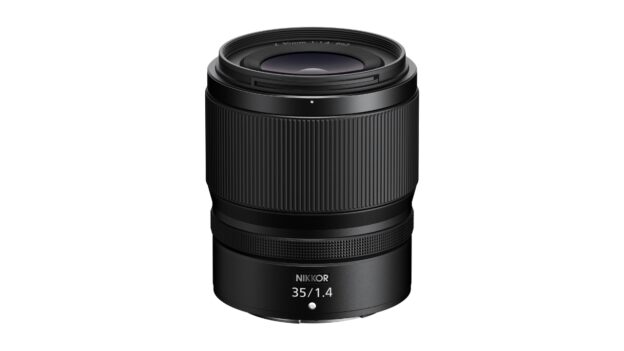
Nikon’s latest prime lens, the NIKKOR Z 35mm F/1.4 is the first F/1.4 prime lens for the Z mount lineup. The second is the 50mm F/1.4, which we have also reviewed in the issue, so be sure to check that out as well.
Design, Build & Handling

At first glance, the Z 35mm F/1.4 looks strikingly similar to its sibling, the 50mm F/1.4. Nikon deserves credit for maintaining design consistency across these lenses. Weighing just 415 grams, it is compact and lightweight, making it a highly portable choice.

The lens sports a 62mm filter diameter and boasts a premium, robust build. When paired with the Nikon Z6III, it achieves excellent balance – a setup ideal for both photography and videography.
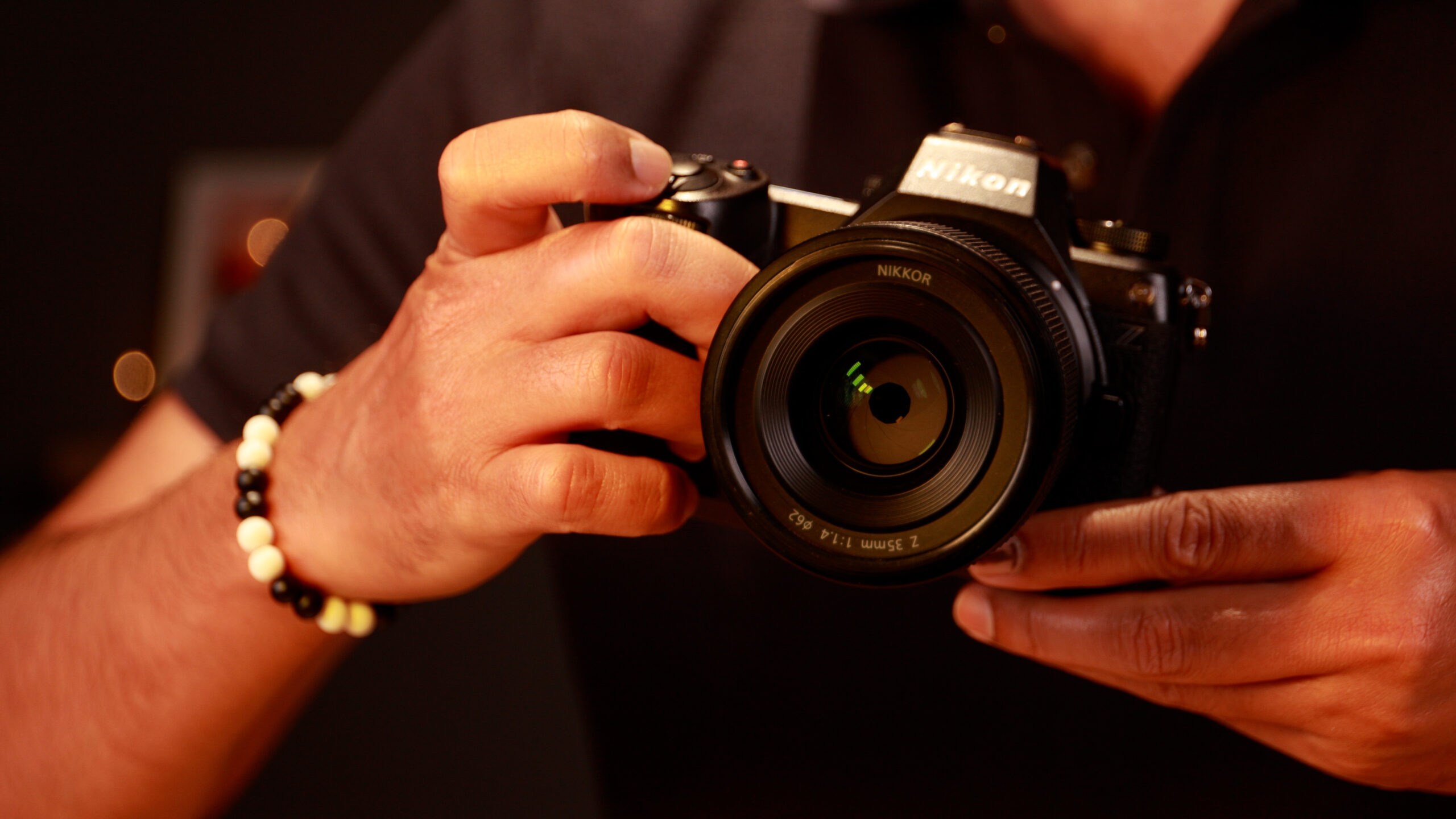
Handling – still from our review video

The design is minimalistic, featuring only two rings: the focus ring and the customizable control ring. Unlike some other lenses, it lacks additional buttons. Nikon’s reasoning here seems clear – photographers and videographers often use focal lengths like 35mm and 50mm for video work, especially on gimbals. The simpler design ensures quick lens swaps without the hassle of recalibration.

Autofocus Performance

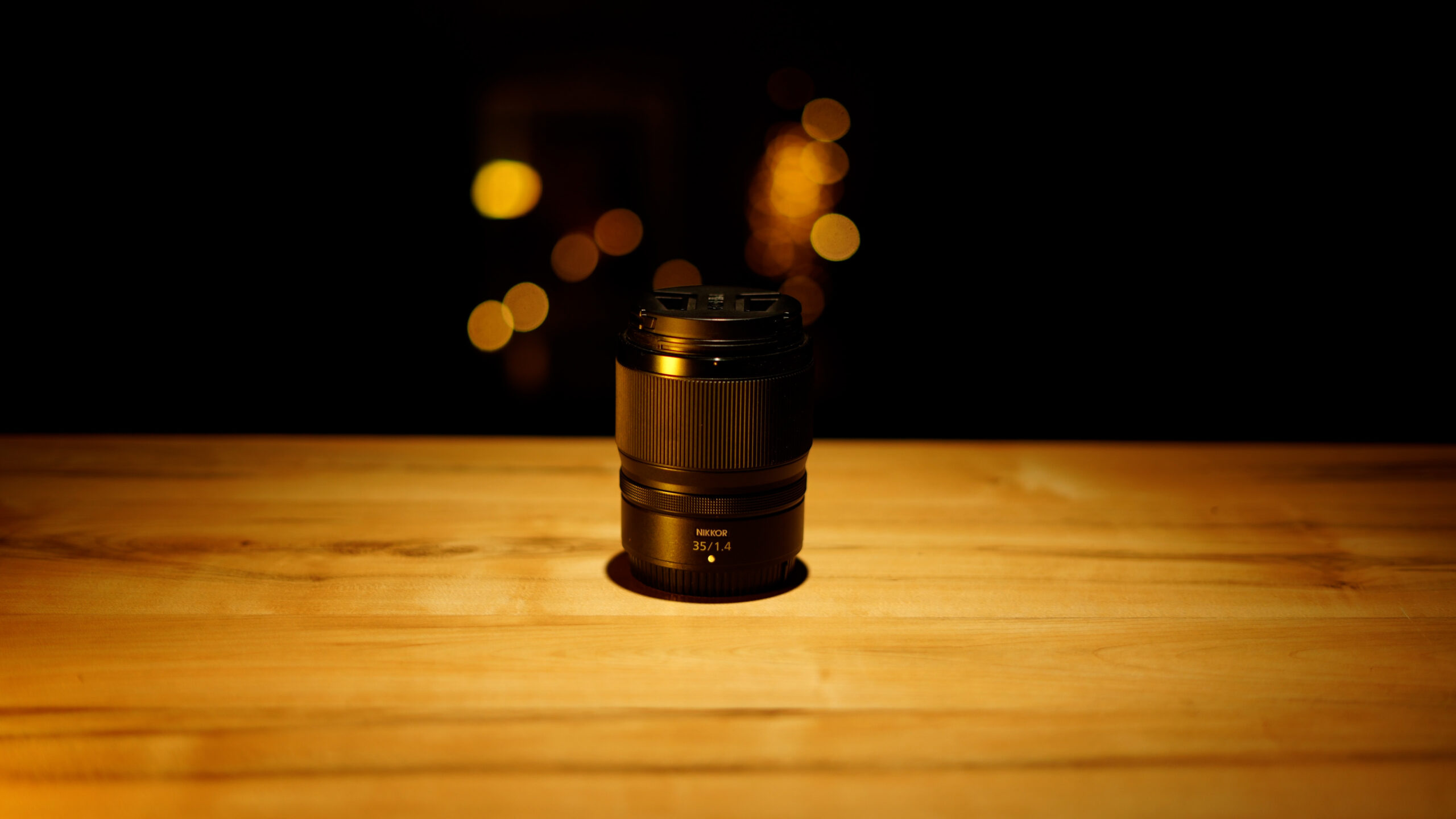
Lowlight image

The Z 35mm F/1.4 is equipped with a stepping motor, offering fast, silent autofocus performance. While there’s no built-in image stabilization, the lens delivers smooth, quick focussing both during the day and in low light conditions.

For video shooters, the autofocus transition between points is remarkably smooth. Nikon has also done an excellent job correcting focus breathing, resulting in cinematic-quality footage that filmmakers will appreciate.

Image Quality

Daylight image

When it comes to performance, the image quality from this lens is impressive. Photos are sharp and well-detailed in daylight, while low light conditions allow for atmospheric shots with excellent depth and mood.

While there are minor focus-hunting issues in specific scenarios, you can work around them to achieve results. Edge sharpness exhibits slight softness, but overall, the lens delivers good performance.

Flaring & Ghosting
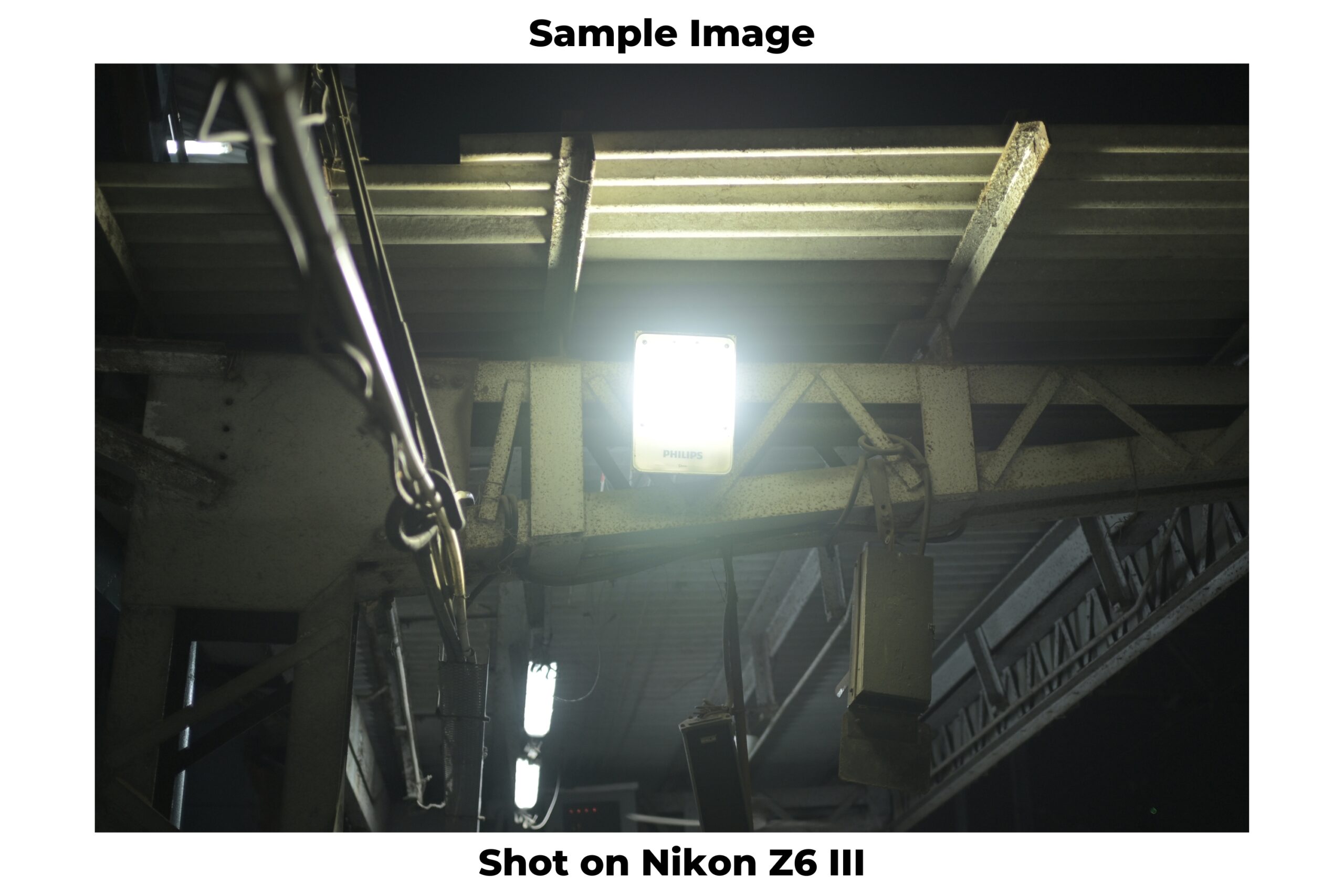
Very minimal flaring against a light source

Despite lacking the fluorine coating found in Nikon’s S-series lenses, the Z 35mm F/1.4 handles flaring surprisingly well. Even though Nikon includes a lens hood in the box, you can often leave it behind to maintain a minimal and stealthy setup.

That said, because of the absence of fluorine coating, the front element tends to attract dirt and oil more quickly. A microfiber cloth will be essential to keep the lens clean.

Bokeh Performance

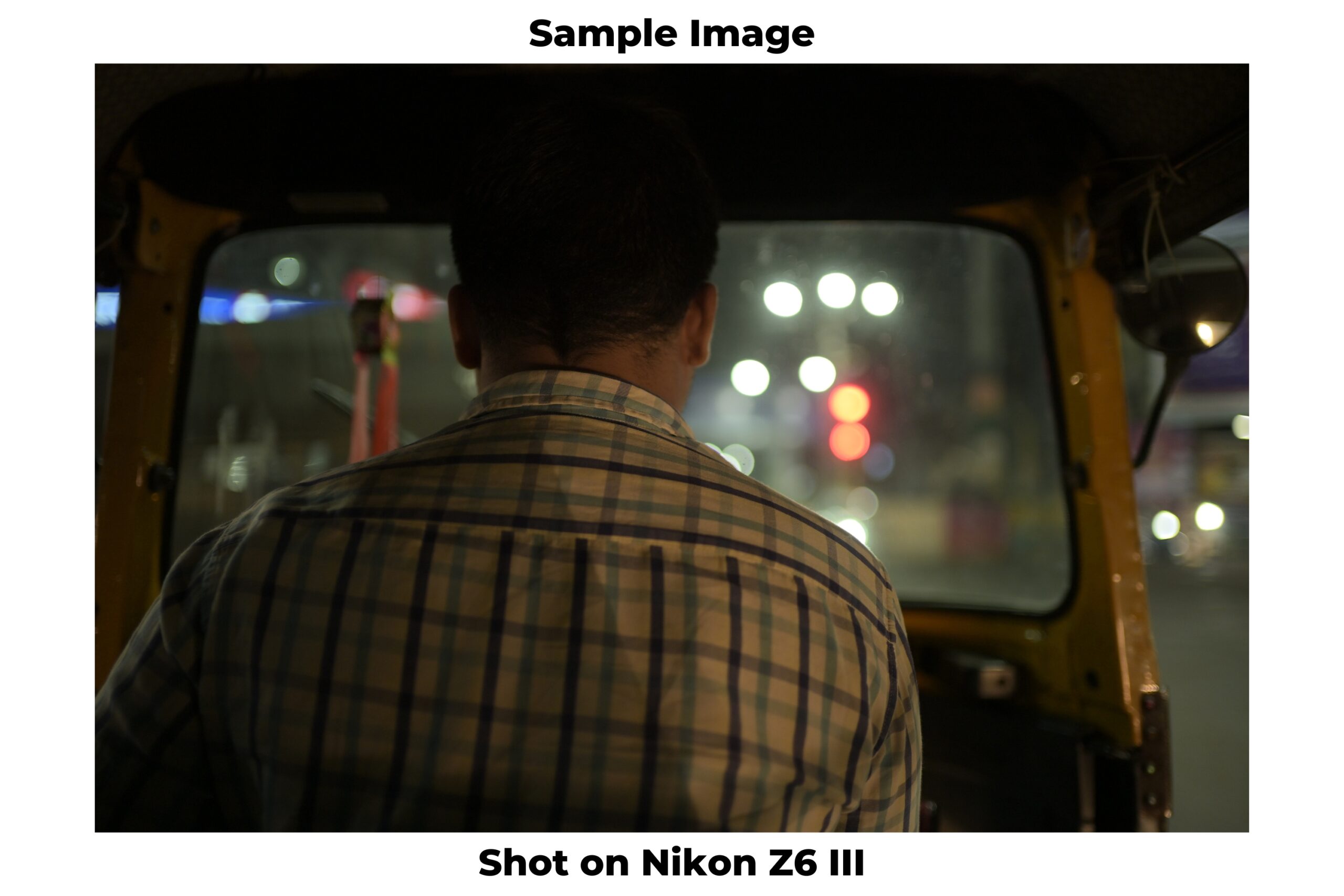
If you’re a fan of creamy bokeh, the Z 35mm F/1.4 won’t disappoint. The lens produces smooth, round bokeh across most of the frame. However, in certain areas, the bokeh can appear slightly squished, resembling an egg shape.
Chromatic Aberration (CA)

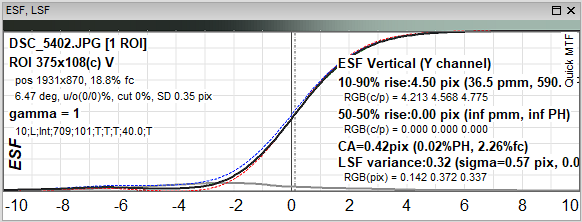
Running the lens through the Quick MTF app gave an output of 0.42 pixels for chromatic aberration. For a prime lens in this category, that’s a solid result and within acceptable limits.
Verdict

So, what’s our take on the NIKKOR Z 35mm F/1.4? At a price point of ₹89,999, it’s ₹10,000 more than Nikon’s 50mm F/1.4. However, when you compare it to competitors like Sony and Canon, whose 35mm F/1.4 lenses start at around ₹1.4 lakh, Nikon’s offering stands out as a fantastic value-for-money option.

For many photographers, a 50mm can feel too tight, and a wider 35mm is the perfect solution – offering a broader field of view without noticeable distortion. Whether you’re a street photographer looking for versatility or someone who needs a lightweight, travel-friendly lens that performs in both daylight and low light, the Z 35mm F/1.4 is an excellent choice.
Nikon NIKKOR Z 50mm F/1.4 Lens Review

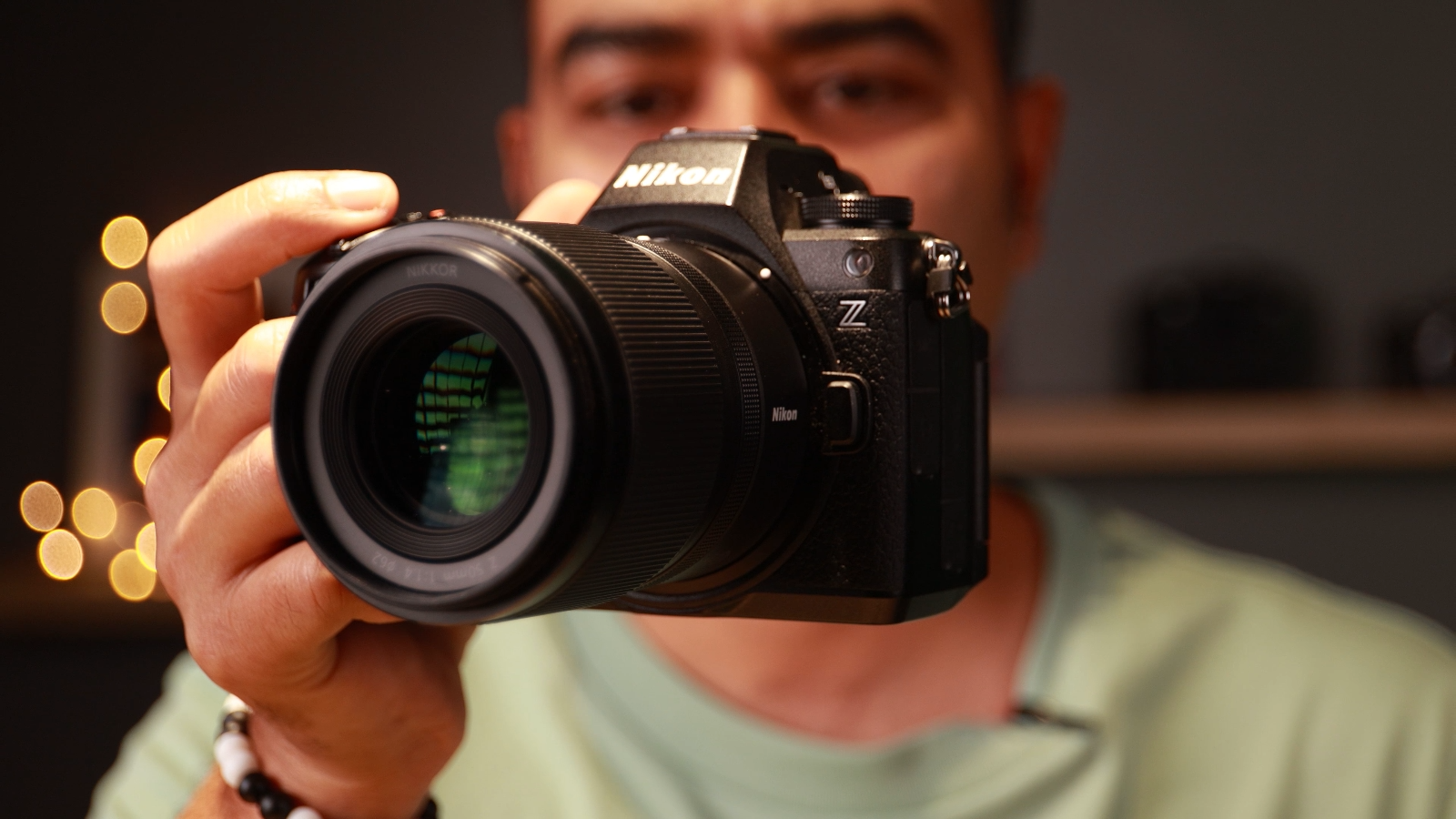
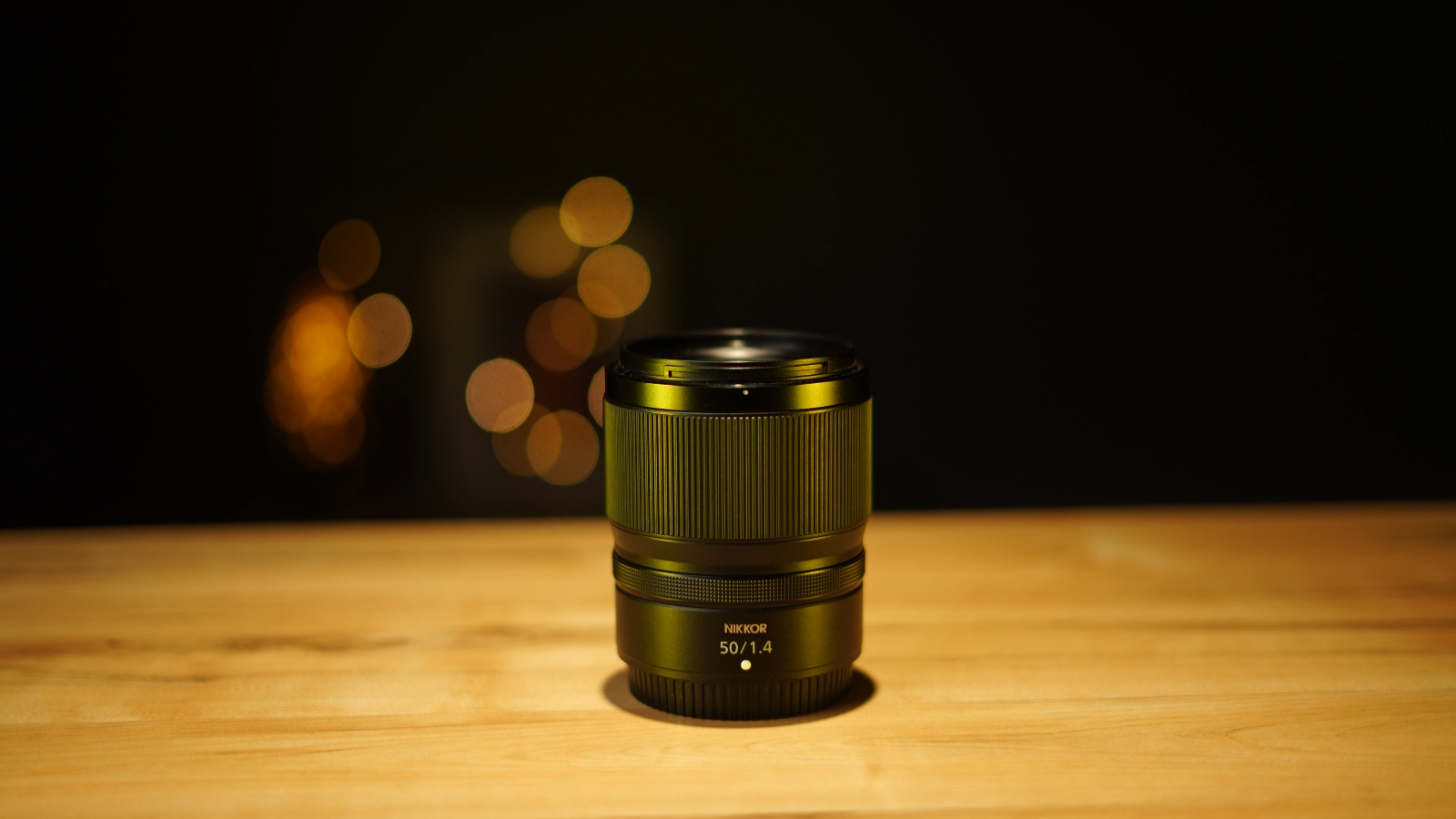
Hi and welcome back to Asian Photography and today is special. Special because we are going to review Nikon’s latest prime lens, the 50mm F/1.4, which is only their second 1.4 prime lens for the Z mount, the first one being the 35 F1.4, we have reviewed that one as well.

Still from our review video

When I see this lens, then I am wondering – is Nikon trying to redefine the market one lens at a time? Because there is one thing that Nikon is doing much better than the competition. Priced at ₹80k while the competitors are ₹1.3 lakh+

Whose it For?

The 50mm is probably my favourite lens and for the ones that’ve been shooting for a while, these were the lenses that everyone would invest in, before brands started giving the options for the 24, 35mm, etc. The beauty of this lens is that it is versatile and can be used for a variety of applications – street photography, portraits, weddings, etc. And it is built like that as well.

Look, Body & Feel

At first glance you can instantly feel that this lens is light and compact as compared to other 1.4 lenses. It weighs 420g with a filter size of 62mm. It feels well-built and premium, which means that the materials used are good and at this price point it is weather sealed.

And when attached to the Nikon Z6III, which we have used to review this lens, it feels well-balanced.

Feels well-balanced with Z6 III – still from our review video

This lens has very minimal controls. There is one ring set to control focus, and another ring you can set to do other functions like exposure compensation in-camera. And that’s it. There’s no dedicated aperture ring, no more custom programmable buttons, no AF-MF switch, and no other bells & whistles. It also doesn’t come with their VR image stabilization technology.

With that in mind, let’s move on to the image quality tests, and let’s see if they have cut any corners. 

Image Quality

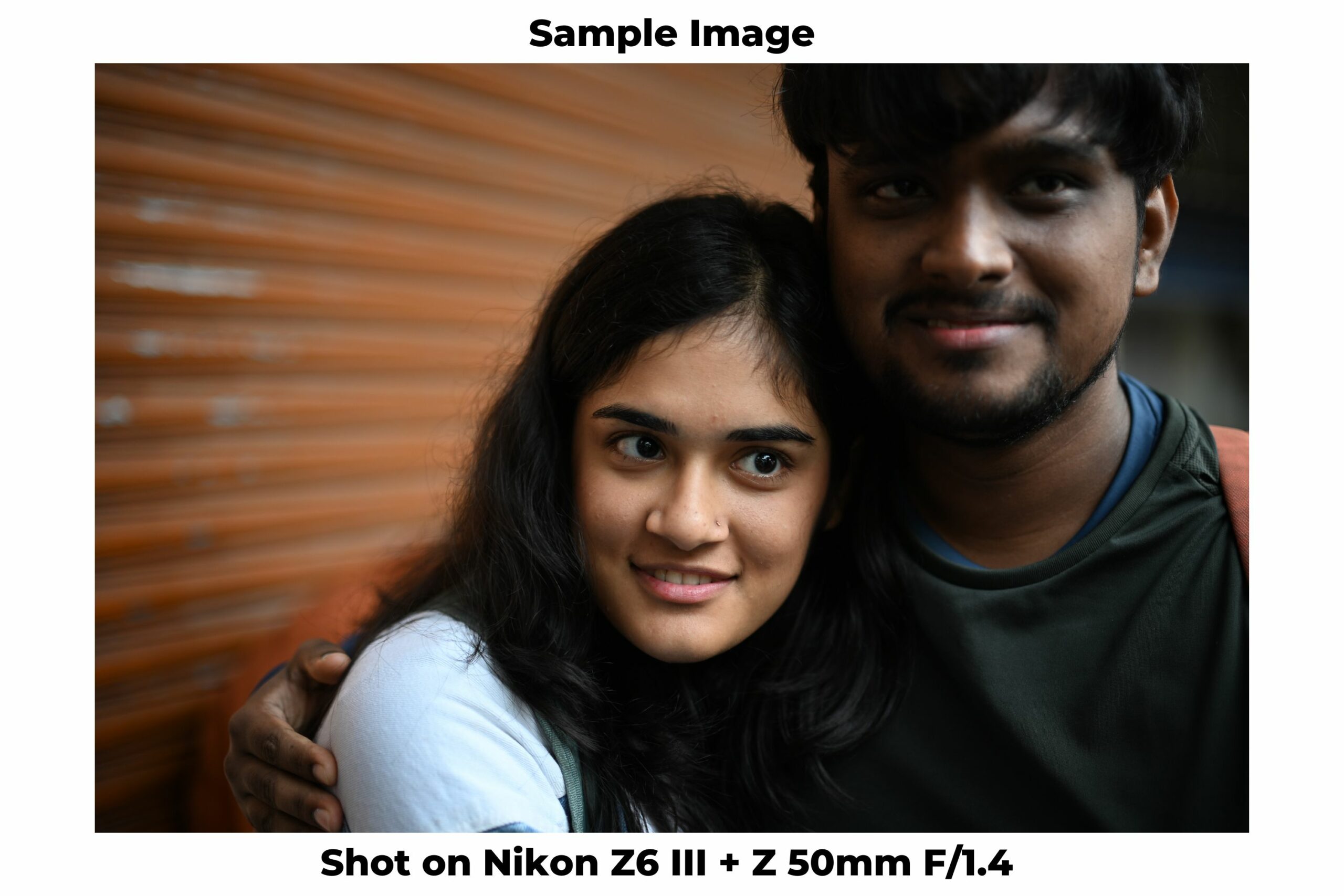
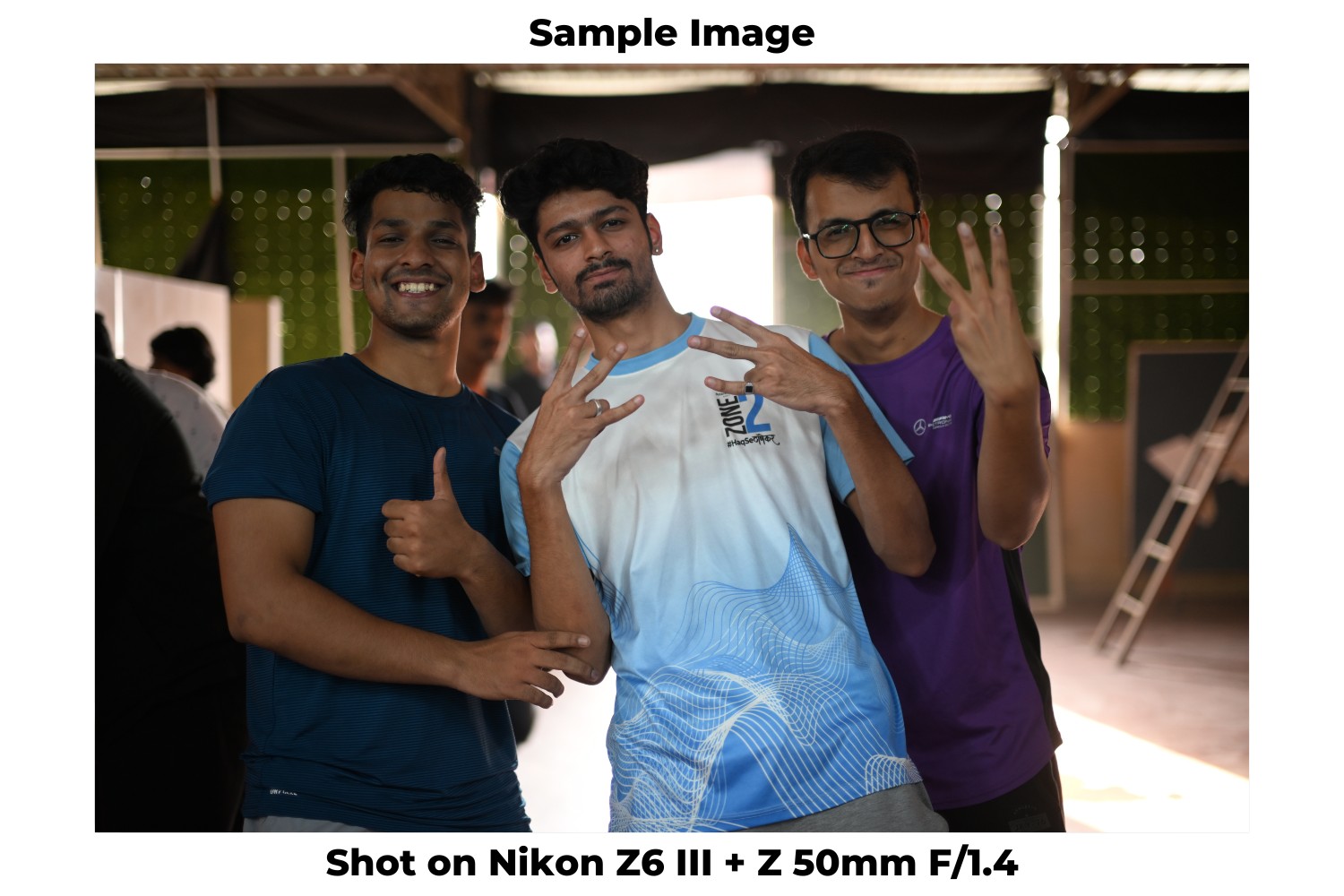
The pics from the lens are good. In daylight the pictures are sharp and well-detailed, yes they aren’t the sharpest on the edges but the quality that it is able to deliver is great.

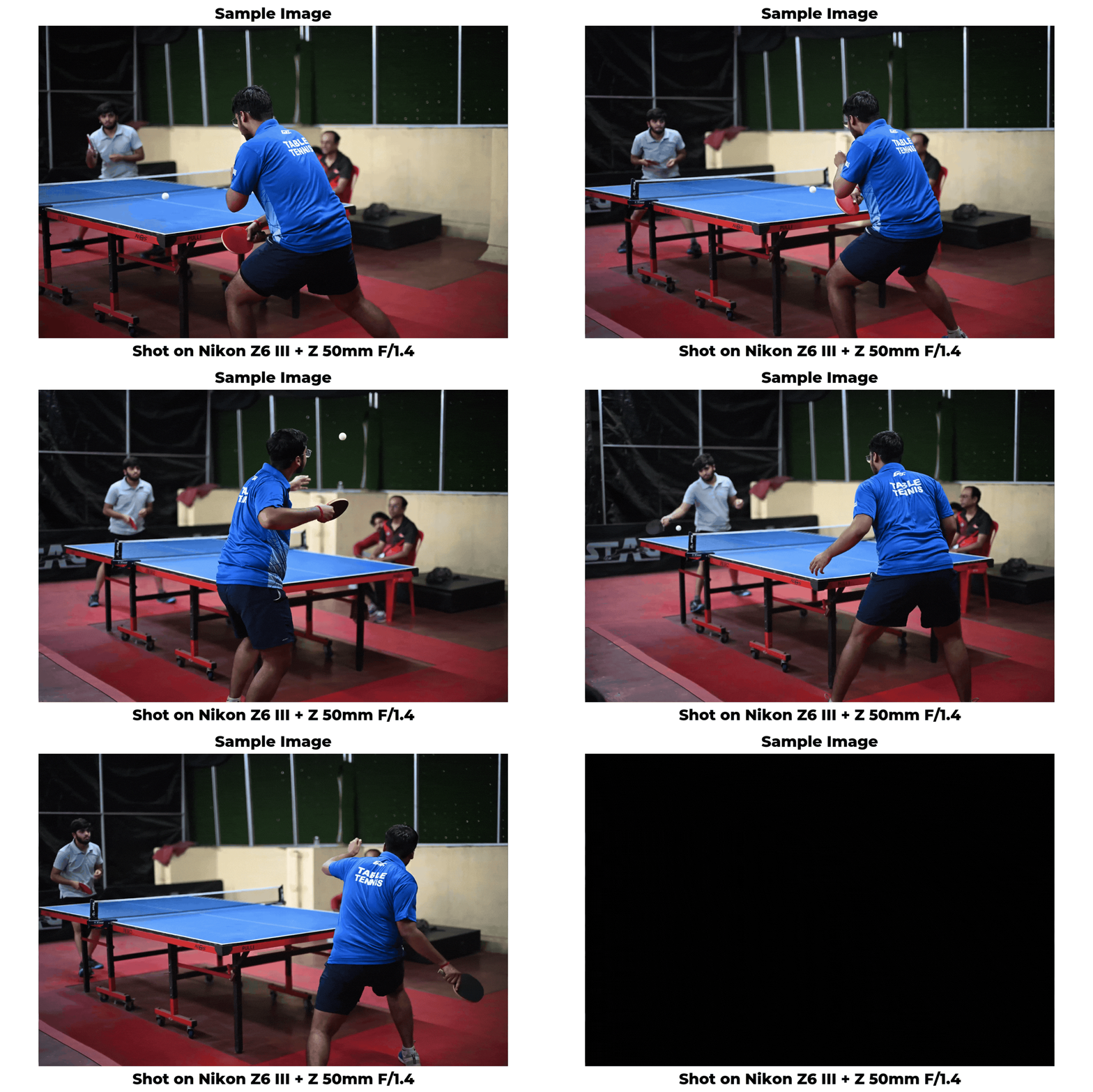
In lowlight, the image quality is similar to daylight with adequate amount of sharpness throughout the frame, more in the center and tapers off in the sides.

Autofocus 

Even the autofocus performance of the lens is good. This has a stepping motor and at most it works fast and silent, which makes making pictures very easy and stealthy. So be it day time or night time, due to its wide aperture this lens is super fast at acquiring focus.

Bokeh

With a prime lens you are always looking for those beautiful bokeh and this lens doesn’t disappoint. The bokeh are well rounded and nice. In some cases, you do see the onion or egg shapes but overall they are very pleasing to the eye.

CA Value 

As usual, we tested the lens through QuickMTF and got a CA value of 0.60 pixels, which at this price point is decent. This is one area where more expensive lenses might have the edge on this one, but regardless, it can be corrected in post very easily.

Lens flare and ghosting

There is very minimal lens flaring and ghosting in the lens and if you use it smartly then it can actually give you some creative output.

Flaring performance

Conclusion

So what do we think about the NIKKOR Z 50mm F/1.4 lens? Nikon has possibly hit the sweet spot with this lens. You get all of this performance in a compact and light body for a price of Rs. 80k. And in comparison there are options from the competitors that start at ₹1.3 lakhs and I know what you are thinking. Nikon also has that option with their F/1.8 S lens. But this also makes me wonder why would a consumer buy this when they can get a S lens for ₹50k?

Check out our video review:

Nikon launched NIKKOR Z 35mm f/1.4 for Full-Frame Cameras at ₹89,995

Nikon India Private Limited has unveiled the NIKKOR Z 35mm f/1.4, a new addition to its lens lineup aimed at enhancing creative possibilities for photography and videography enthusiasts. Positioned as a versatile wide-angle prime lens, the NIKKOR Z 35mm f/1.4 features a fast aperture of f/1.4, promising excellent low-light performance and the ability to create soft, appealing background blur.

Designed with videography in mind, the lens incorporates features such as a stepping motor for smooth and silent autofocus operation, minimizing operational noise during quiet shooting environments. It maintains a consistent angle of view while focusing, delivering natural-looking images without noticeable focus breathing. This makes it suitable for capturing cinematic moments with enhanced clarity and depth.

The lens also boasts a compact and portable design, measuring approximately 74.5 x 86.5 mm and weighing about 415 g, making it convenient for extended shooting sessions and well-suited for use with gimbals. It includes dust and drip resistance features, safeguarding it against environmental elements during outdoor use.

Expected to be available by the third week of July 2024, the NIKKOR Z 35mm f/1.4 will be priced at ₹89,995 across Nikon outlets in India, expanding options for photographers and videographers seeking advanced optical performance and creative flexibility in their imaging pursuits.