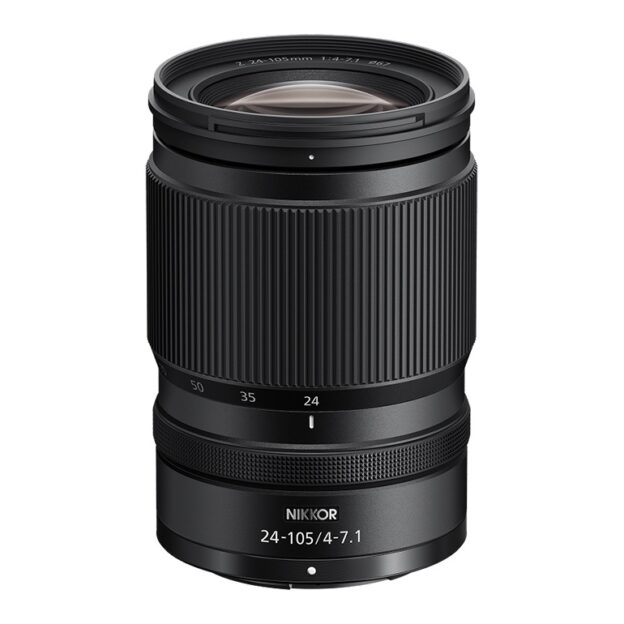
Nikon India has announced the NIKKOR Z 24–105mm f/4–7.1, a compact zoom lens designed for a wide range of everyday photography needs. Covering focal lengths from 24mm wide-angle to 105mm medium telephoto, the lens is suited for landscapes, travel, close-ups, and portraits.
Weighing approximately 350 grams, the lens is designed for portability, making it practical for extended shoots and travel. It offers a minimum focus distance of 0.2m at 24mm and 0.28 m at 105mm, enabling close-up shooting with a maximum reproduction ratio of 0.5× between 70mm and 105mm.
The lens uses a stepping motor (STM) for fast and quiet autofocus, supporting both stills and video recording. It also features a customisable control ring that can be assigned to functions such as focus, aperture, ISO, or exposure compensation. The lens comes with dust and drip resistant construction.
The NIKKOR Z 24–105mm f/4–7.1 will be available in India from mid-January 2026, priced at ₹49,995.
One of the main reasons people invest in a full-frame camera is for the benefit of full-frame lenses. And as many photographers know, APS-C lenses don’t always measure up. But Sigma is aiming to change that with its new 17-40mm F1.8. Since the claim is bold, we had to test it ourselves. This is the Sigma 17-40mm F1.8 DC Art, priced at ₹78,000. This lens follows the legacy of Sigma’s iconic 18-35mm F1.8, launched nearly a decade ago. In this review, we’ll walk you through its performance and whether it’s worth the upgrade.
APS-C on a Full Frame
For this review, we tested the lens on a Sony A7 IV in crop mode (1.5x). You might wonder why—but this also makes sense for newer APS-C bodies like Sony A6600 or Fujifilm XT-5. The lens is available in multiple mounts including Sony E, Fujifilm X, Canon RF and Lumix L.
Look, Build & Feel
As expected from Sigma’s Art series, the build quality is excellent. The lens feels solid in the hand, weighing 535 grams, and is built primarily from metal. Key features include:
Aperture ring with a click/de-click option
Aperture auto-lock switch
Two programmable buttons (top and side)
AF/MF switch
67mm filter thread
Locking lens hood (standard for Sigma)
It also comes with a metal mount, weather sealing, and “Made in Japan” proudly etched on it. The zoom is internal, meaning the balance doesn’t shift while changing focal lengths—perfect if you’re planning to use it on a gimbal. Minimum focus distance is 28cm, giving you a bit of macro flexibility.
Image Quality
Shot on A7 IV
As mentioned earlier we tested this on the Sony A74 body in crop mode with a 1.5x. But we also have featured some images with the A6400 APSC camera – so watch the credits pic info carefully. The 17-40mm on APSC translates to approximately 26 to 60 mm in full frame equivalence which makes this lens versatile and it comes very close to the 24-70mm full frame lens. The F/1.8 aperture on APSC gives you a full frame equivalent depth of field of F/2.8.
The pics in daylight are very vibrant, well saturated and speaks for the quality of the lens. The sharpness and detailing are also good, although occasionally in depth it does add some softness to the sides. What was surprising was that this lens was able to provide great depth – similar to a full frame camera and I think that is its good quality.
Autofocus
While on this subject – lets speak about the autofocus as well. I was impressed by its performance. In our testing the auto focus was very quick both in the low and high focal range. Even with subjects in the foreground the lens focuses fast and delivers sharp results – so that was good to see. The motors are also silent, which adds to the shooting experience and can be important if you want to shoot without getting noticed. In video as well the focusing was smooth and breathing is very minimal, which scores this lens another point in the video category.
Lowlight
Shot on A7 IV
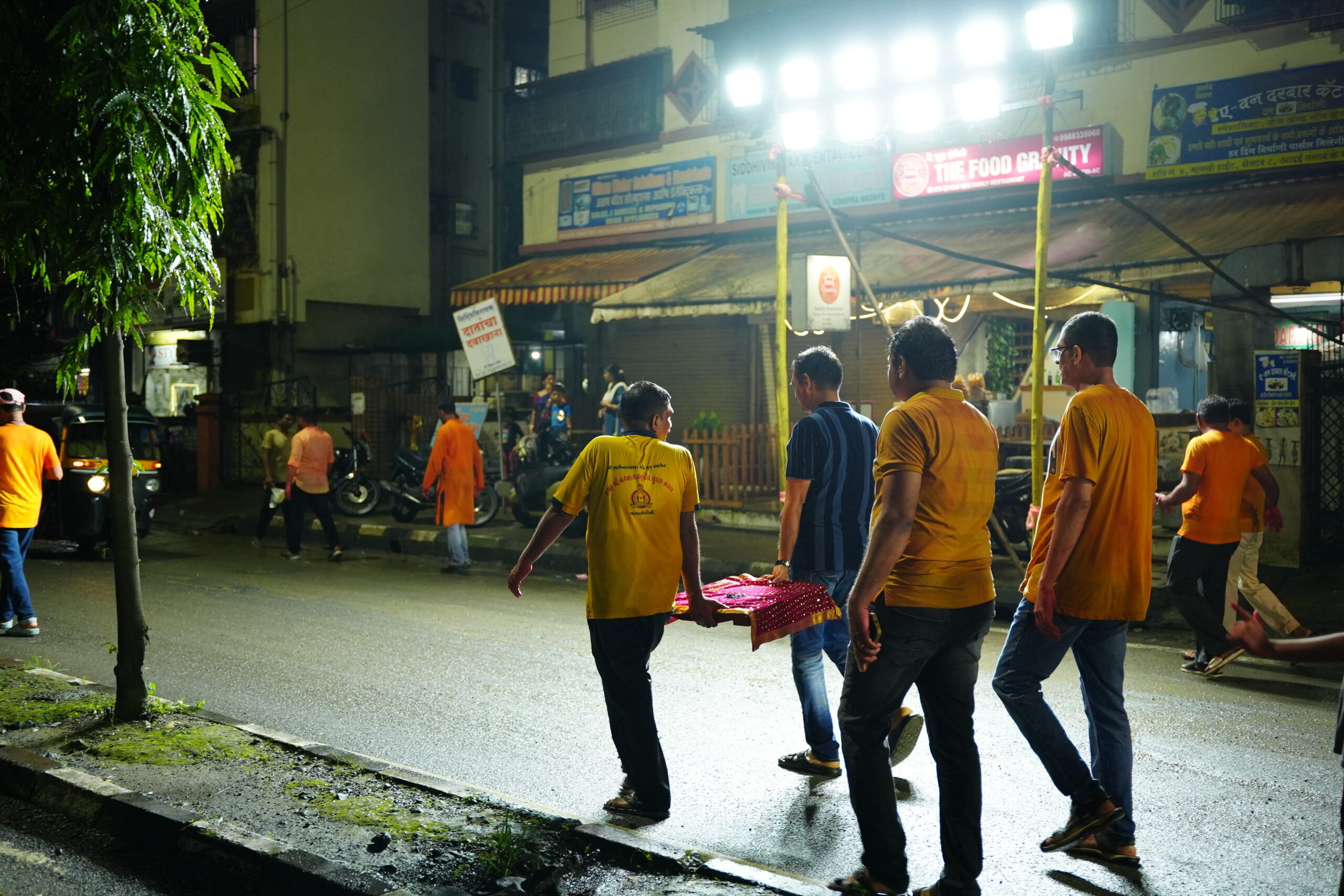
As good as the daylight performance was – the lowlight performance was also impressive. Some images were shot with the Sony A6400 – and for most part the images were pretty good. The sharpness and detailing were evident and even in dimly lit conditions the images were decent. Yes occasional detailing while zooming in was missing and some colour shifting was noticed, although colour shifting is more for a sensor.
Macro/Close-up
Shot on A7 IV
This lens has a minimum focus distance of 28cm, so this allows you to shoot pseudo macro images and the images are decent. The images in this case are ok. I wouldn’t say it’s a big bonus, but in case if you want to use it then you at-least have an option to shoot with.
Bokeh
Shot on A7 IV
Being an F/1.8 lens, at full frame it is equivalent at F/2.8 depth of field. The bokeh is nice to look at, it’s a mix of round and cat’s eyes depending on how light is falling on the subject. I felt the bokeh was better in the lowlight than in daylight in our testing time. But overall a decent performance in this regard.
CA Value
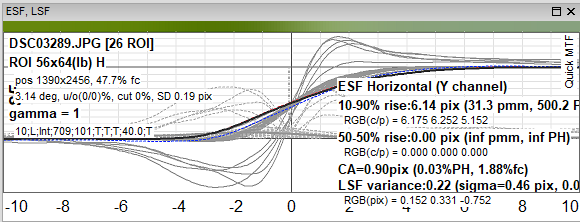
We ran it through Quick MTF and got a score of 0.90. That it fairly high – but in real world application, it is difficult to get that.
Flare and Ghosting
Shot on A7 IV
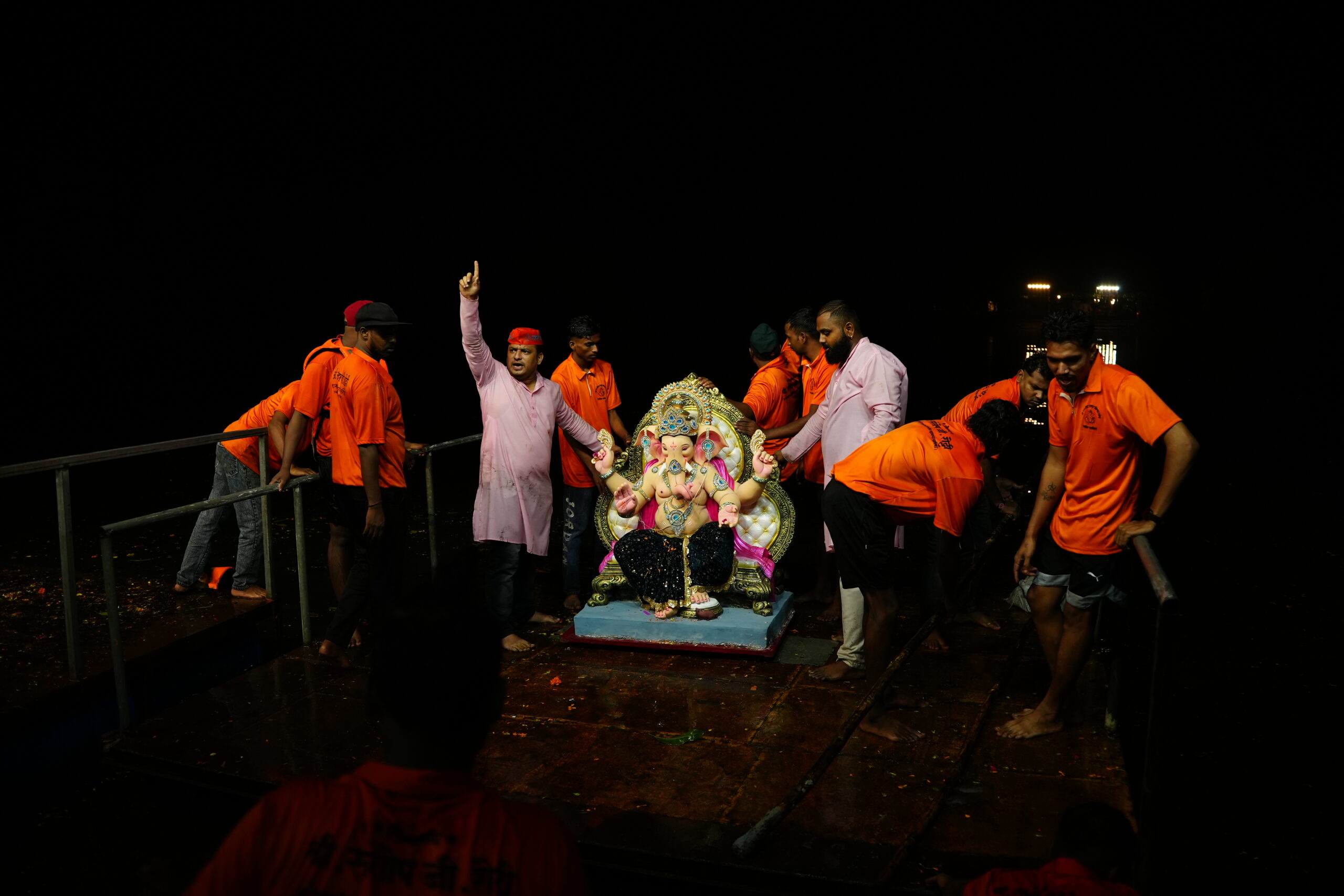
The flaring and ghosting performance of the lens was very impressive. Even in extreme lowlight and at a wide aperture, the lens displayed minimal flaring and ghosting. Yes occasionally there was a slight hint. But nothing of concern.
Conclusion
So what do we think about the Sigma 17-40mm F/1.8 Art lens? The predecessor to this lens was launched nearly a decade back. And it was time that Sigma offered a new replacement. And in most parts I think it delivers well. The focal length is now closer to a full frame 24-70 F/2.8 standard zoom lens. Yes, it is not all great – for instance the CA performance could be better and the lowlight has some room for improvement as well. But what Sigma is able to deliver is a good daylight performance that it closer to a full frame 24-70 lens. And that I think for any APS-C shooter, this is a vital and worthy upgrade from a kit lens. Priced at around ₹78,000 this definitely will feel like a full frame lens on your wallet as well. However, if you are looking forward to shooting professional level content on your APSC camera without upgrading to full frame bodies then this, we would say, is an easy choice.
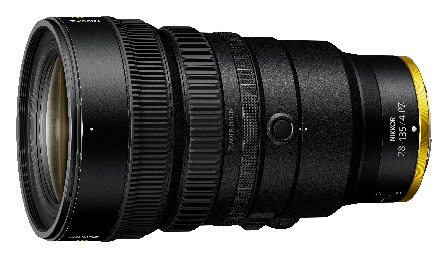
Nikon India Pvt. Ltd. has announced the launch of the NIKKOR Z 28-135mm f/4 PZ, a power zoom lens designed for full-frame Nikon Z-mount mirrorless cameras. First revealed in October 2024, this lens is tailored to meet the demands of professional videographers, offering seamless zoom control, minimising focus shifts, and can resolve 8K video.
According to Sajjan Kumar, Managing Director of Nikon India, the lens is built for dynamic video production, providing smooth operability and versatility. Its power zoom mechanism allows for precise zoom control across 11 speed settings, while the internal zoom design ensures stability, especially when using a gimbal.
Ideal for documentaries, weddings, and solo shoots, the lens offers a wide focal range with a minimum focus distance of 0.34m at the wide end.
Designed for professional setups, the lens supports matte boxes, follow focus systems, and remote zoom control via Nikon’s NX Tether, SnapBridge, and NX Field. It also features Nikon’s Meso Amorphous Coat to reduce flare and ghosting, a stepping motor (STM) for silent autofocus, and a fluorine coating for dust and water resistance.
With this release, Nikon continues to push the boundaries of imaging technology, empowering filmmakers and content creators with cutting-edge tools for high-quality video production.